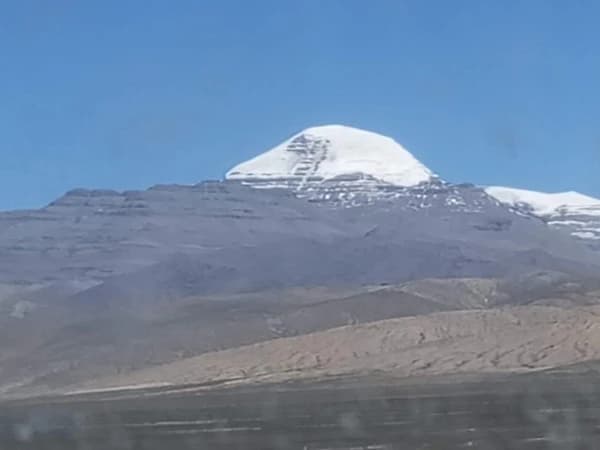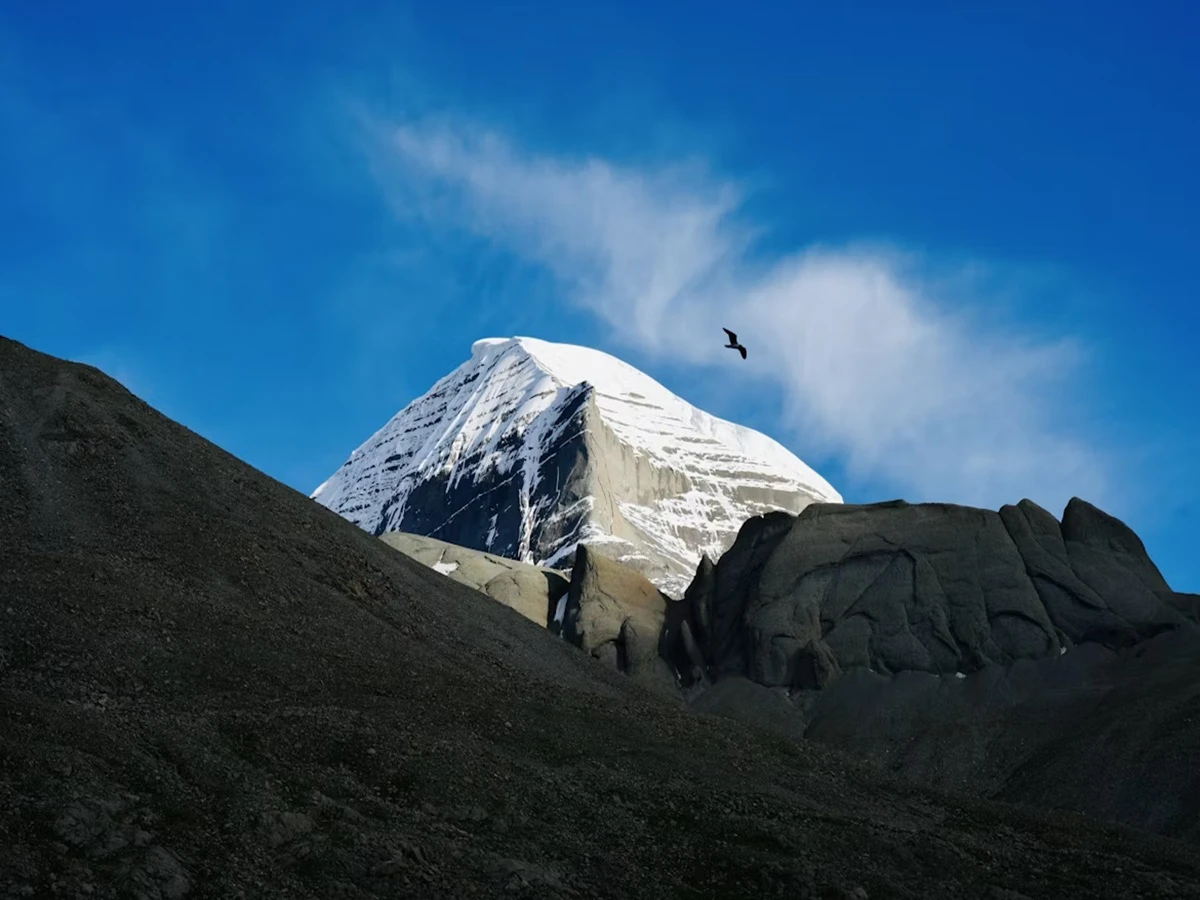

Mount Kailash Tour via Lhasa Sightseeing With Kailash Kora is a spiritual and cultural journey that takes you through the magnificent landscapes of Tibet in just 12 days. While traveling in Tibet, apart from experiencing the vibrant Lhasa city sights like Potala Palace, Jokhang Temple, Barkhor Bazaar, Drepung Monastery, and Sera Monastery while getting acclimatized, you also experience the devout pilgrimage to sacred Mansarovar Lake and Mount Kailash Kora, which is regarded as one of the most sacred pilgrimage routes in the four religions, namely Hinduism, Buddhism, Jainism, and Bon. Pilgrims make a 52 kilometers journey around Mount Kailash, which is known as the Kora and one of the holiest pilgrimages of the four religions.
Mount Kailash Tour via Lhasa Sightseeing With Kailash Kora Overview
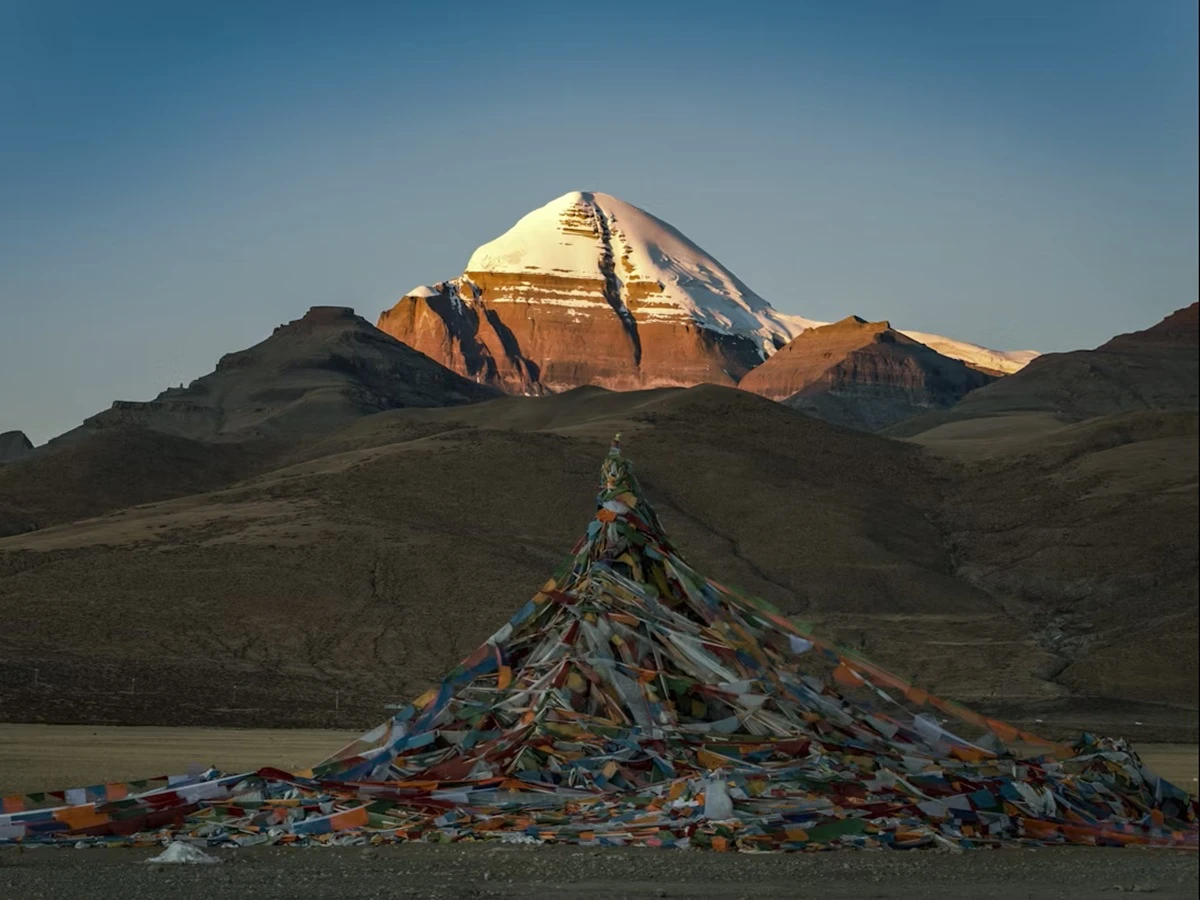
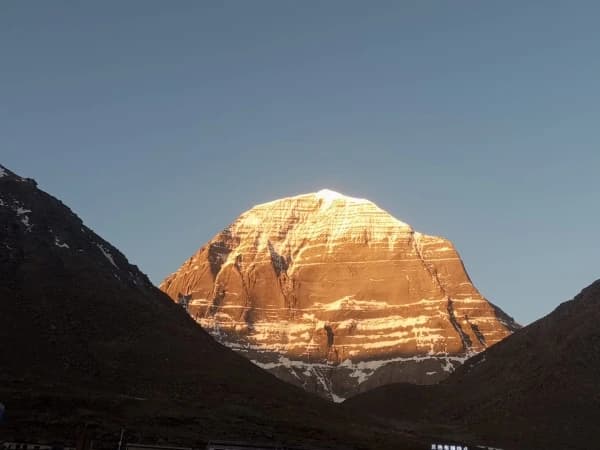
The Mount Kailash Tour via Lhasa Sightseeing with Kailash Kora is an amazing pilgrimage. It combines the most ancient spiritual treasures of Tibet, the holy city of Lhasa, the holy waters of Lake Mansarovar and the famous Mount Kailash Kora. Located in western Tibet, Mt Kailash reaches an elevation of 6638m and is considered the holiest mountain in Hindu, Buddhist, Jain, and Bon religions. Hindus consider the holy mountain as the eternal dwelling place of Lord Shiva and Goddess Parvati, whereas Tibetan Buddhists look at it as the spiritual core of the Universe.
Popularly known as the 'Roof of the World', Tibet has been regarded as one of the most spiritual places in Asia. Lhasa has historically been the capital of Tibet and houses some of the holiest monasteries, temples and religious sites in the entire Himalayan region. Its thousand-year-old Buddhist culture, sacred pilgrimage sites and wonderful monasteries make it an appropriate start for your holy trip to Mt. Kailash. The Lhasa tour, instead of having an immediate trip to Kailash, gives the pilgrims enough time to get acclimatized with the Tibetan atmosphere while experiencing its ancient history, traditions and cultures by visiting Potala Palace, Jokhang Temple, Barkhor Bazaar, Drepung monastery and Sera monastery prior to heading towards the interior part of the plateau. Such experiences deepen pilgrims' understanding of Buddhist traditions in Tibet and the spiritual significance of their journey to Kailash.
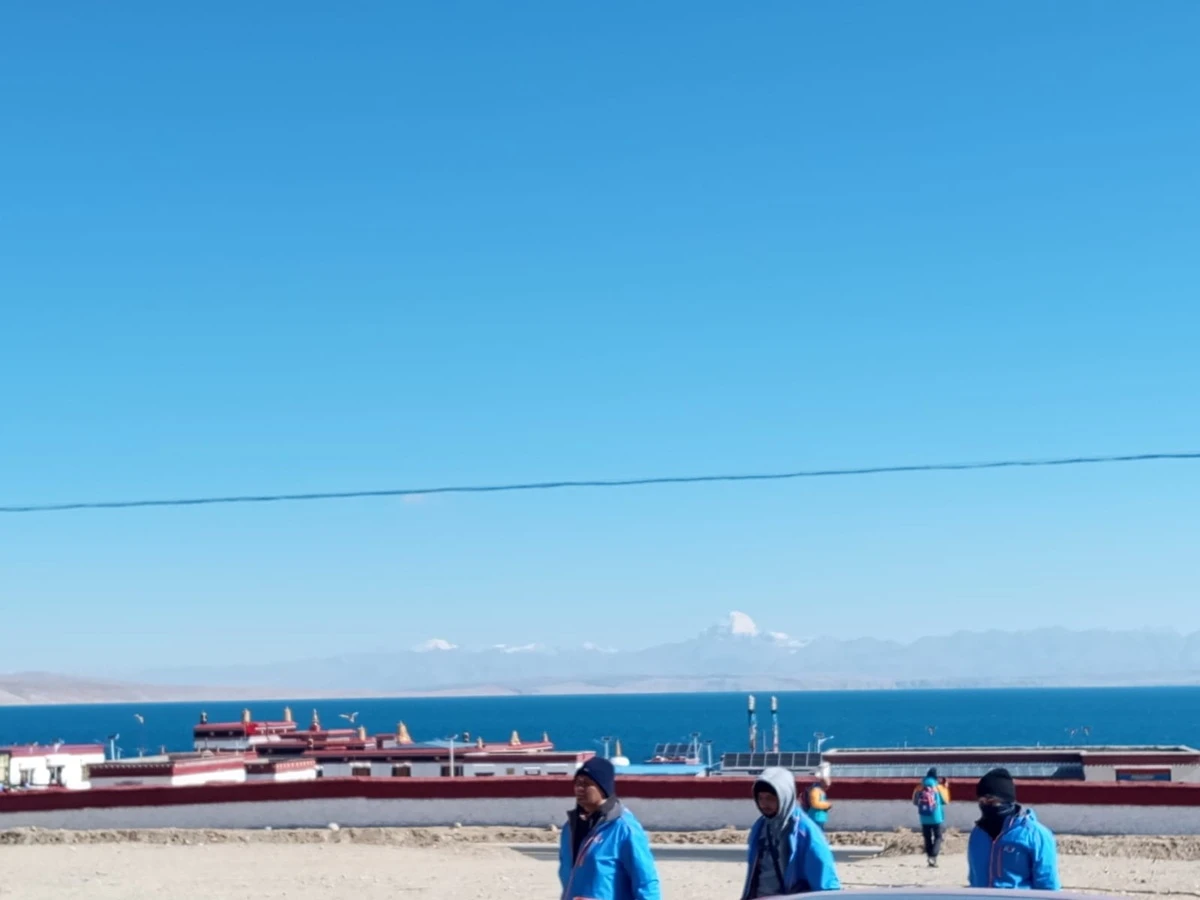
Finally, you will reach the holy Mansarovar Lake, one of the highest freshwater lakes in the world, where the pilgrims perform prayers, meditation and purify themselves. Following the lake, you can see giant Mt Kailash, a mountain that no one has ever conquered due to its religious significance. A 3-day sacred circumambulation of Mt Kailash, over 52km long, passes through Derapuk, Dolma La pass (5630m) and Zutulpuk monastery, which is a central part of this pilgrimage. It has been the practice for thousands of years that the pilgrims make a holy circuit and receive blessings, spiritual achievement, purification and liberation from negative karma. The Mount Kailash Tour via Lhasa is a voyage beyond any normal sightseeing trip.
Lhasa Excursion With Holy Mount Kailash Tour Highlights
- Fly from Kathmandu to Lhasa with stunning views of Mount Everest, Makalu, Shishapangma, and the Himalayan range.
- Two full days to acclimatize in Lhasa, the historic capital of Tibet and the religious capital of Tibetan Buddhism.
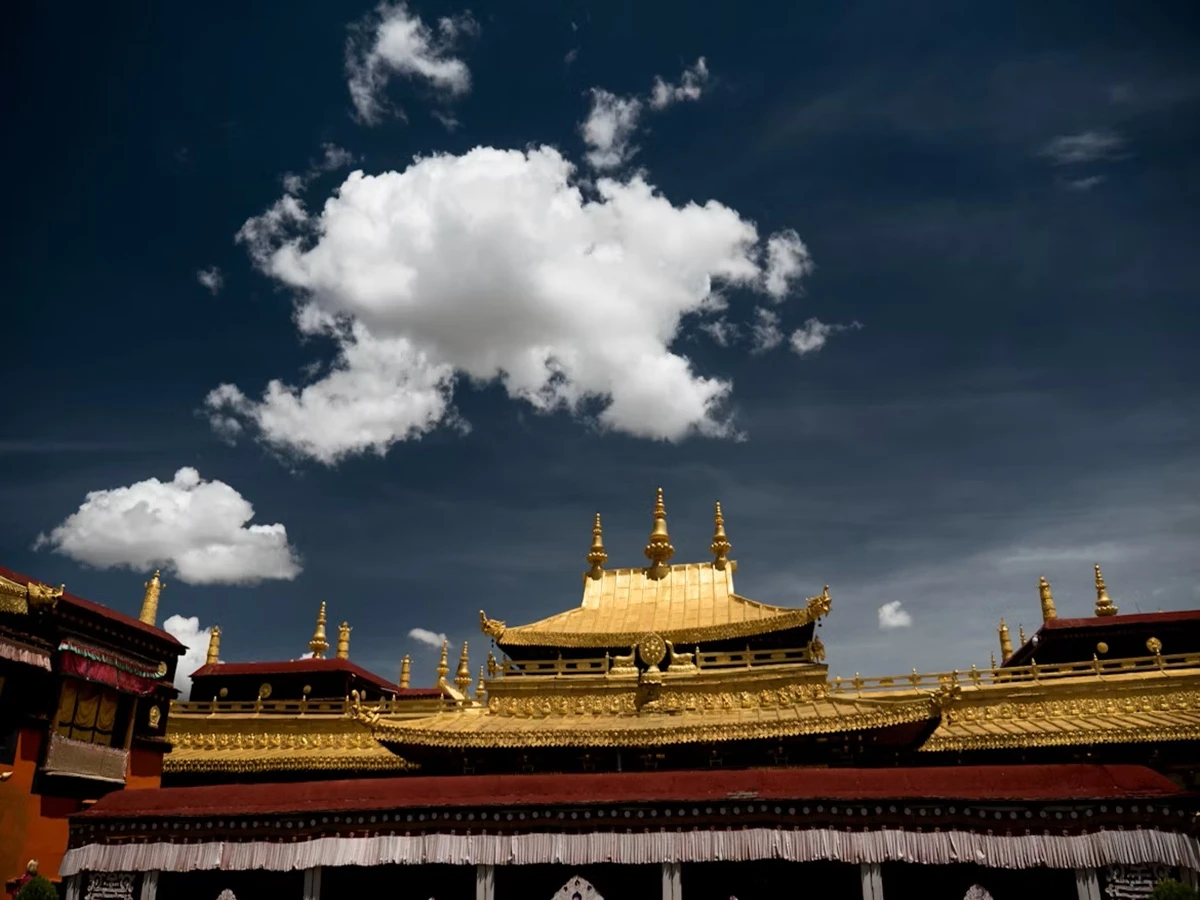
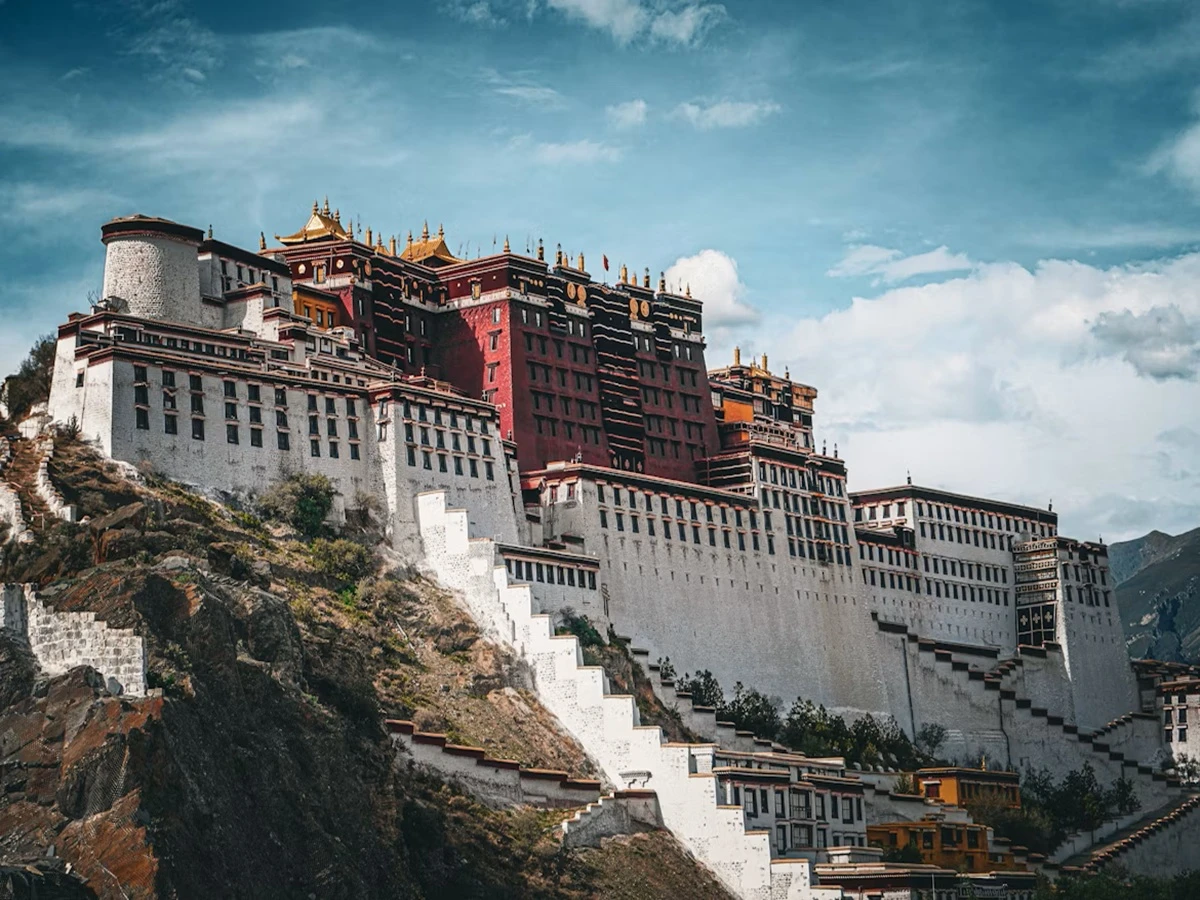
- Visit the UNESCO World Heritage Site of Potala Palace, the former residence of the Dalai Lamas.
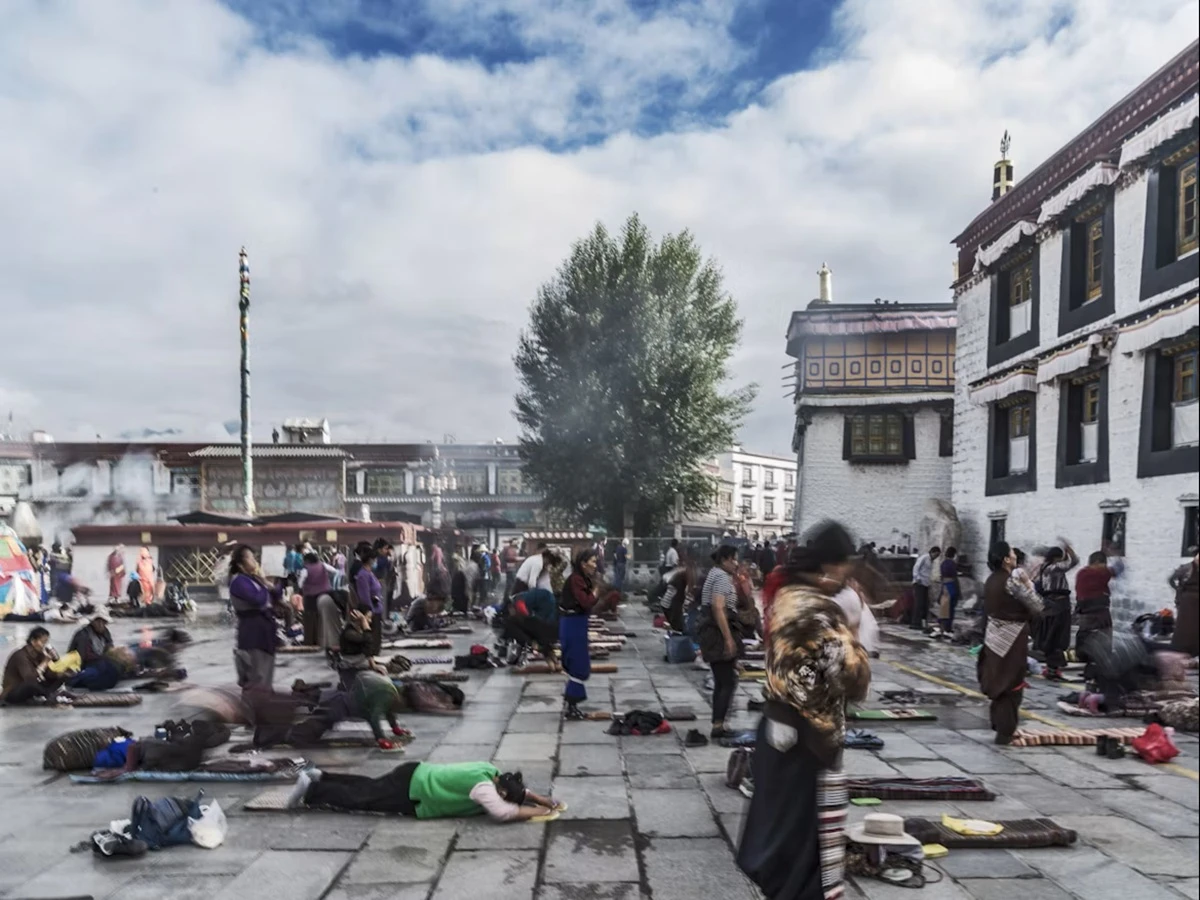
- Sacred pilgrimage to Jokhang Temple, and explore the surrounding Barkhor pilgrimage circuit along with Tibetan pilgrims.
- Discover the Buddhist past of Tibet with a visit to Drepung Monastery and Sera Monastery, the site for daily Monk Debate.
- Optional visit to Norbulingka, the former summer palace of the Dalai Lamas.
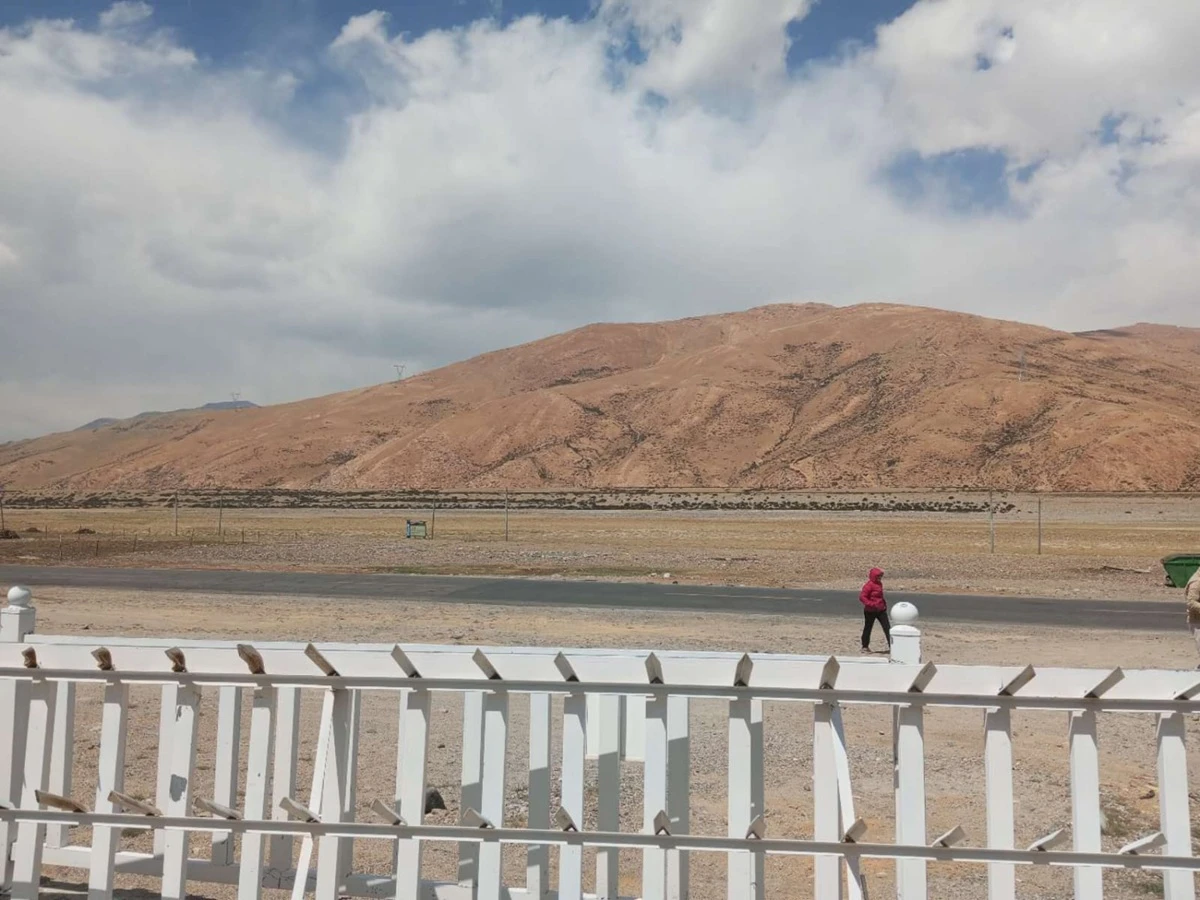
- Explore the beautiful Tibetan plateau, known as “the roof of the world.”
- Drive over the scenic Kamba La Pass(4794m), where you can view the turquoise Yamdrok Lake.
- Observe the old Gyantse, see the golden roofs of the Tashilhunpo Monastery in Shigatse.
- See isolated Tibetan villages, nomadic herds, immense grasslands, and dramatically sculpted mountains.
- Trek through some of the world's highest passes and some of the most beautiful scenery in Tibet.
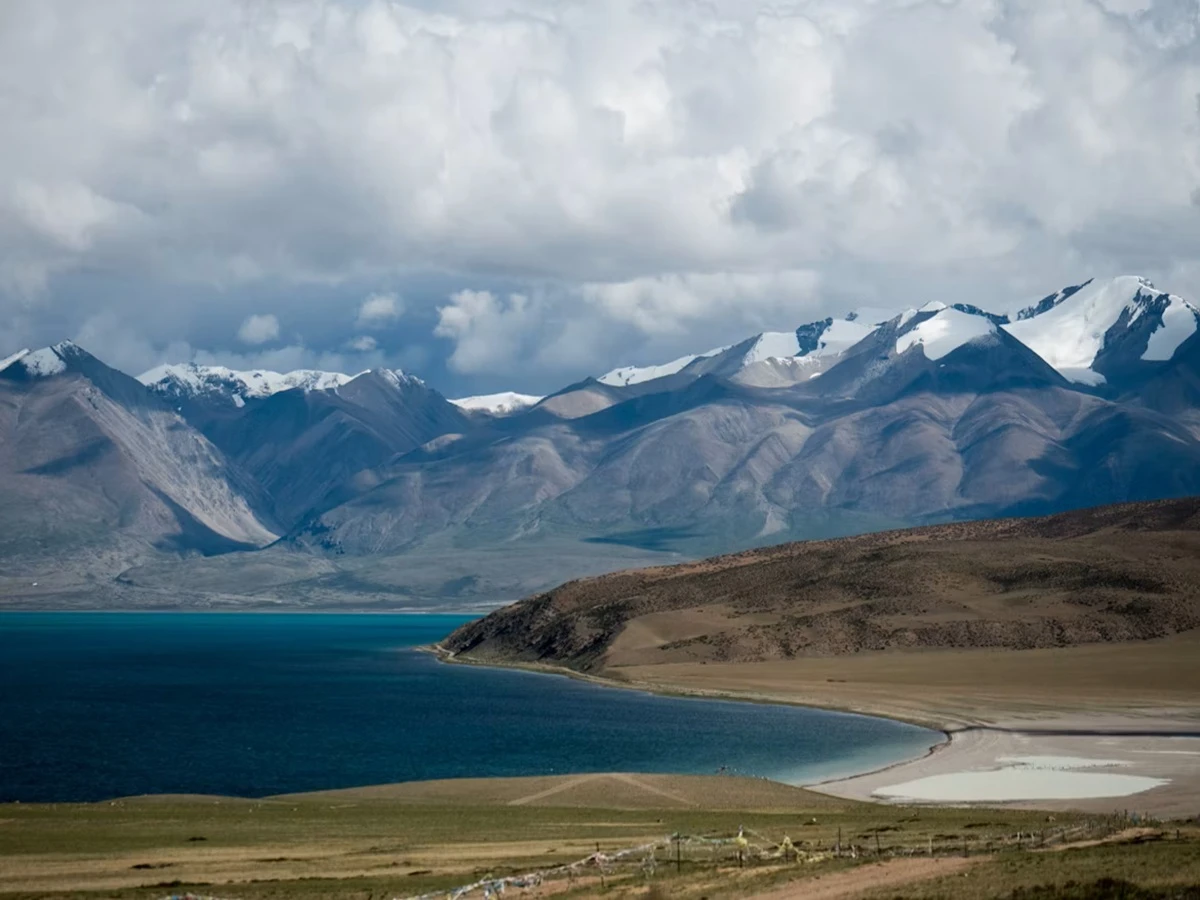
- Visit sacred Mansarovar lake, the world's highest freshwater lake, and one of the sacred pilgrim site in Asia.
- Perform puja, meditate, take holy dips and perform spiritual rituals on the shores of Mansarovar Lake.
- Enjoy breathtaking views of Mount Kailash, revered by Hindus, Buddhists, Jains and Bon religionists alike.
- Embark on a legendary 3-day trek around Mount Kailash Kora, one of the most revered pilgrim routes in the world.
- Trek along beautiful Lha Chu Valley, visit the Tarboche Prayer Flag Site.
- Be face-to-face with the awe-inspiring North Face of Mount Kailash from Derapuk.
- Cross the tough Dolma La Pass (5,630 m), the highest point of the Kailash Kora.
- Visit sacred Gauri Kund, where Lord Shiva and Goddess Parvati reside, in the Hindu tradition.
- Visit the sacred Zutulpuk Monastery, the great Tibetan saint Milarepa.
- Complete the holy 52 km pilgrimage journey around Kailash Parikrama, believed to grant spiritual benefits.
- Follow an ancient pilgrims' trail walked by thousands of devotees for centuries.
- Experience unique Tibetan culture, Buddhism, sacred lakes, monasteries and Himalayan spiritual aura.
- Travel back through scenic Gyirong Valley, where landscapes turn from high plateaus of Tibet to lush green forests of the Himalayas.
About The Full Mount Kailash Tour via Lhasa Route We Use in 12 Days
This Lhasa to Mt. Kailash tour itinerary is considered one of the most sought-after tours, as it offers optimum acclimatization, culture and pilgrimage. This is a comfortable and the finest way to explore Mount Kailash.
Starting with an overland journey from Kathmandu to Lhasa, then two days will be spent exploring the most important places such as the Potala Palace, Jokhang Temple, Barkhor Bazaar, Drepung and Sera monastery. The two days in Lhasa give time for the visitor to acclimatize at a good altitude before venturing further deep into the Tibetan plateau.
From Lhasa, we will be traveling towards Shigatse and Saga, enjoying the various amazing sights along the way, such as various passes high in the mountain ranges, sacred monasteries, Tibetan villages and turquoise blue Lake Mansarovar. Further, the trip continues towards Darchen, which is the base for Mount Kailash, and starts the pilgrimage.
The actual Kora, which takes three days and covers Derapuk, Dolma La Pass, Zutulpuk and then to Saga and back via Kerong, making it one of the most sacred pilgrimage routes in the world.
Why Reach Mount Kailash via Lhasa Instead of Kerung in 2026/2027?
Many travelers, our sherpa and even Tibetan guides consider arriving in Mount Kailash via Lhasa as the best approach for 2026/2027 Pilgrims and travelers, as proper acclimatization is ensured prior to arriving in western Tibet's high altitudes. On the contrary, most travelers passing thru Kerung are usually quickly traveling from Nepal to high altitudes, and there might not be sufficient time for altitude acclimatization, leading to possible headaches, tiredness, and other travel-related altitude problems.
With the Lhasa approach, one could spend 2 days fully acclimating to an altitude of about 3,650 meters while enjoying sightseeing at all popular sites such as Potala Palace, Jokhang Temple, Barkhor Bazaar, Drepung monastery and Sera monastery. The acclimatization days at these sites assist your body to get accustomed to altitude before moving toward Shigatse, Saga, Lake Mansarovar, Mount Kailash and subsequently the kora.
This is why most pilgrims like to arrive at Tibet via Lhasa and depart from Tibet via Kerung. This way one is guaranteed to visit the main sites and get adapted well before continuing their holy pilgrimage.
Lhasa Sightseeing Acclimization Tour Before Mount Kailash Visit
Potala Palace
- Altitude: 3,700m
- UNESCO World Heritage Site
- Former home of the Dalai Lama
- Built on Marpo Ri (Red Hill)
- The most iconic structure in Tibet
The Potala Palace has been the home of the Dalai Lama and the center of Tibetan Buddhism for many centuries, having been built originally by Songtsen Gampo in the 7th Century; the current structure is a 17th-century rebuild commissioned by the 5 th Dalai Lama. The Palace is the cultural symbol of Tibet and one of the symbols of Tibetan Buddhism.
What to See?
You can meander through the White Palace, which served as the Dalai Lama's residence; the Red Palace, which contains numerous chapels, stupas, Buddhist scriptures and murals, as well as other religious artefacts; you also gain impressive views over Lhasa City from the Palace itself.
How does this help acclimatisation?
This gives you an opportunity to acclimatise to Lhasa (approx 3,650m) very slowly through taking an easy-paced wander, with ample rests, at this altitude.
Jokhang Temple
- Founded in 652 AD
- Holist Temple in Tibet
- Located in the heart of Lhasa
- UNESCO World Heritage Site addition
- Contains the Jowo Shakyamuni statue
Jokhang Temple is known as the spiritual home of Tibetan Buddhism. It was originally constructed by Songtsen Gampo, and many pilgrims come from all parts of Tibet to prostrate themselves, worship and pray here.
What to See?
The most important sight is the statue of Jowo Shakyamuni, regarded as one of the holiest statues in Buddhism, along with the amazing murals and numerous prayer halls and butter lamps. There are great views from the roof of the monastery, and the devotional sight of numerous pilgrims.
How does this help acclimatisation?
There is very little walking, and very little effort at Jokhang, helping your acclimatisation at high altitude.
Barkhor Street
- Ancient pilgrimage circuit around Jokhang Temple
- One of the oldest streets in Lhasa
- Traditional Tibetan Market area
- Important Religious and cultural centre
- Popular with pilgrims and tourists
For a very long time, it has been a pilgrimage path and a market. The Barkhor Street, which encircles the Jokhang Temple, provides visitors with an unforgettable chance to witness a unique part of daily life, Tibetan culture, religion and business.
What to See?
Pilgrims making kora (circumambulations), traditional Tibetan souvenirs, prayer wheels, thangkas, various religious items and handicrafts can be purchased along Barkhor street.
How does this help acclimatisation?
This slow and passive walk through the busy market will allow your body to carry on getting to terms with the altitude.
Sera Monastery
- Founded 1419 AD
- One of Tibet's Three Great Monasteries of the Gelug school of Buddhism
- Over 500 monks are resident
- Home to famous debates between monks
- Located approx 5 kilometers north of Lhasa
The Sera Monastery is one of the important monastic institutions where monks dedicate their lives to studying Buddhism and other subjects for the purpose of preservation of this learning.
What to See?
The highlight here is the monk debate, which takes place every afternoon; these are rather animated debates between two students involving great gestures and loud hand-clapping; various other sights include chapels, prayer halls and important artefacts and relics.
How does this help acclimatisation?
The moderate level of walking at Sera monastery helps your body adapt to the thin air; being at an altitude similar to that of Lhasa will mean this is great continued adaptation before proceeding to higher ground.
Drepung Monastery
- Founded in 1416 AD
- The largest monastery in the world at its peak
- Home of the Dalai Lamas prior to the Potala Palace
- Located on Mount Gambo Utse
- One of Tibet's three great monasteries
The Drepung Monastery was originally the largest monastery in the world and once housed up to ten thousand monks and was the home of the Dalai Lamas prior to the construction of Potala.
What to See?
You can explore the magnificent main assembly hall, monastic colleges, numerous Buddhist statues and historical chapels and experience the day-to-day running of a monastery.
How does this help acclimatisation?
This monastery provides moderate-level walking and little exertion, allowing you to continue to acclimatise to the altitude without any strain, and the extra day sightseeing in Lhasa will greatly reduce your chances of getting mountain sickness on further parts of your journey.
The Historical and Religious Connection Between Lhasa and Mount Kailash
- The historical relationship between Lhasa and Mount Kailash goes back centuries, forming one of the most important spiritual connections in Tibet. Lhasa has been one of the main pilgrimage route gateways leading to Mount Kailash for over 1,000 years. The orthodox Tibetan pilgrimage used to start in Lhasa and continue to western Tibet for circumambulation around the holy Kailash Kora, which is the most sacred of the religious pilgrimages in Tibet.
- Both destinations share the same importance as the most sacred places in Tibetan Buddhism. Lhasa was designated as the religious capital of Tibet, while Mount Kailash gradually became regarded as the central pivot of the universe and a Holy Place of pilgrimage for Buddhists, Hindus, Jains and followers of the Bon religion.
- With the spreading of Tibetan Buddhism across the region, Lhasa became strongly connected with Kailash. The pilgrimage between monastic communities in Lhasa and the holy sites in western Tibet has continuously made Kailash continuously recognized as a holy mountain.
- Tibetan kings played a role in creating the link between the two destinations. During the time of the Tibetan Empire, Lhasa turned out to be the political and religious capital of Tibet, while Mount Kailash rose to be the most sacred mountain of the Tibetan world, and both gained a sacred relation.
- Mount Kailash itself predated the formation of Buddhism in Tibet; it has long been considered a sacred holy mountain by the Bon religion and has been regarded as central to the historic Zhangzhung Kingdom in west Tibet.
- Many of the most renowned Tibetan saints have walked between Lhasa and Kailash; the greatest master, Milarepa, is closely associated with Kailash and its holy significance was greatly increased by him.
- Pilgrims usually visited Lhasa before travelling to Kailash; there are widely held beliefs that one must be blessed in Jokhang Temple and other holy places in Lhasa before undertaking the spiritual pilgrimage to Mount Kailash.
- There is a deeply shared sacred heritage of the major monasteries in Lhasa with Mount Kailash. All religious teachings carried out at Potala Palace, Jokhang Temple, Drepung Monastery and Sera Monastery are linked to pilgrimage practice in Kailash.
- Nowadays, Lhasa continues to be an important place of pilgrimage, and thousands of pilgrims travel from Lhasa to holy Mount Kailash and holy Lake Mansarovar for holy circumambulation and merits.
- The linkage of these two places explains why Lhasa is considered the classic route to Kailash, which enables travellers to feel the sacred spiritual essence of Tibet in Lhasa before heading to the prime destination of pilgrimage: Mount Kailash and Lake Mansarovar.
Why the 12 days Mount Kailash Tour via Lhasa Is Ideal for First-Time Visitors?
This tour gives the visitor an overview of Tibet, of its culture, history, religion and landscapes even before they arrive at Mount Kailash. This is not only a journey to a pilgrimage destination but a comprehensive travel experience which shows you the real Tibet: from the oldest monasteries and lively pilgrim routes to the endless plateau, the native towns, and the holy lakes.
This tour itinerary is a better option for those first-time travellers of Tibet, first-time pilgrims to Mount Kailash, international travellers who are unfamiliar with the high altitude tours, senior pilgrims who prefer a more relaxed trip, those who are interested in photography, culture and a deeply spiritual experience from their pilgrimage. The added sightseeing trip helps a lot for you to understand Tibetan Buddhism, the customs of the locals and the historical significance of the visiting sites.
It is a richer and more substantial trip than shorter itineraries that just wish to arrive in Mount Kailash at the soonest time. When you reach Lake Mansarovar and Mount Kailash, you are already deeply familiarized with Tibet, and thus a more meaningful, cultural and religious experience is created.
Kailash Kora (Kailash Circumambulation) After Lhasa Sightseeing in 2026/27
The Kailash Kora, or Kailash Parikrama or Circumambulation, is often the spiritual highlight of the Mount Kailash Tour from Lhasa. After a few days exploring the sacred monasteries and acclimatising to the high altitude of Tibet, pilgrims eventually travel towards the pristine Mansarovar Lake before commencing their circumambulation of the revered Mount Kailash. The trek covers 52km in 3 days, and involves passing through Derapuk, Dolma La Pass (5630m) and Zutulpuk.
How Lhasa Sightseeing Helps Before the Kailash Kora
The time spent sightseeing in Lhasa is very important to the Kailash Kora. Exploring the Potala Palace, Jokhang Temple, Barkhor Street, Drepung Monastery, and the Sera Monastery gradually acclimates your body to the high altitude of Tibet. By the time the pilgrims reach Darchen and commence their pilgrimage around Kailash, they are generally better physically prepared than a traveller rushing straight towards Kailash.
What Does Completing the Kailash Kora Mean?
The Significance of Completing a Kailash Kora. For Hindus, Buddhists, Jains and the Bon religion, the completion of one Kora is thought to remove the accumulated negativity of a lifetime and bless you with good karma. Many pilgrims embark on this spiritual journey in search of internal peace, greater understanding, and spiritual enrichment. It is not just a trek, it is considered to be the world's holiest trek.
What If You Cannot Complete the Kora?
It is not always possible to complete the full Kora; some travellers may have altitude or weather conditions, medical problems or limitations which make completing the Kora a practical impossibility. Pilgrims who do not wish to trek are normally able to wait in the village of Darchen whilst their group completes the full Kora. For many pilgrims, merely visiting Mansarovar Lake and seeing Mount Kailash in its majestic glory makes the journey worthwhile, even if the full Kora is not completed.
Mount Kailash Mansarovar Tour via Lhasa Sightseeing Cost 2026, 2027 and 2028
The costs for Mount Kailash Mansarovar Tour via Lhasa Sightseeing with View Nepal Treks begin from US$ 2,450 per person. For a package cost, this is very affordable compared to many similar Lhasa-Kailash tour packages found on the market. This is a fantastic deal.
In Mount Kailash Mansarovar Tour via Lhasa Sightseeing Tour starting from US$ 2,450 per person includes Private van / mini coach transportation, Kathmandu to Kerong & back to Kathmandu, Tibet Travel Permit, Kailash trekking Permit, English speaking Tibetan guide, accommodation during the trip, daily breakfast, all sightseeing in Lhasa, entry fees for monuments, and all arrangements of Mansarovar lake and Kailash Kora.
Extra Expenses for Travelers to Consider and Budget Before Kailash and Lhasa Combined Tour
Extra costs that the travelers can consider and budget before undertaking the Kailash and Lhasa combined tour:
Tibet Visa fee
To enter Tibet through Nepal, all foreign travelers need to acquire a Tibet Group Visa, and the costs below do not include visa fees:
- Non-US passport holders: US$ 85 per person
- US passport holder: US$ 185 per person
Kathmandu to Lhasa flight fare
The journey by flight from Kathmandu to Lhasa is an exquisite one, with amazing Himalayan views during the one-hour flight over Mount Everest and the Tibetan plateau.
Average cost is US$ 350 per person (subject to flight availability and change in airline prices)
Lunches and Dinners
There is only breakfast included in this package.
- Average lunch: US$ 5-10 per meal
- Average dinner: US$ 8-15 per meal
It would be ideal to have a total budget for food of around US$ 150-250 per person (depending on individual preferences).
Hire Porter during Kailash Kora
- By hiring a porter, you can comfortably walk while your personal bag is carried by them.
- Average cost for a porter for the Kailash Kora: US$ 20-30 per day / US$ 60-90 for the 3-day Kora.
- The porter will do: Take your day pack, assist you on the trek, and help you out with your duffel bags/backpacks.
- What he doesn't do: Carrying you or assisting you on all steep sections of the trek, providing medical assistance, and providing individual guidance.
Hire Yak during Kailash Kora
- A yak helps carry your luggage through the rugged trekking routes during the 3-day Kailash Kora.
- Average cost for a yak during Kailash Kora: US$ 25-45 per day / US$ 75-135 for the 3-day Kora.
- The yak will do: Carry heavy luggage; share the load of your duffel bag/backpack; and move things between camps.
- It will not: Carry you, guide, or carry fragile items.
Hire a horse during the Kailash Kora.
- A horse is ideal to ride during difficult parts of the trekking in case of fatigue, specifically on the Dolma La Pass day of the Kailash Kora.
- Average cost for a horse during Kailash Kora: US$ 30-50 per day / US$ 90-150 for the 3-day Kora.
- What the horse does: Carries you and assists you during most parts of the trek.
- What it cannot do: Take you through all the parts of the Dolma La Pass, and can only transport you over rugged terrain.
Registration, Booking and Going With View Nepal Treks on Lhasa Tour and Kailash Mansarovar Trip
By booking your Mount Kailash Tour via Lhasa with View Nepal Treks, you will experience the highest Himalayan tour operator with experience in handling trekking for the last 20 years. View Nepal Treks is a registered Nepal-based tour operator that is a member of an important tour association and provides reliable service, professional guides, personalized assistance and professional trip managing service in Nepal, Tibet and the Himalayan regions. The traveler will receive the best pre-departure advice, support regarding traveling in Tibet and dedicated attention throughout the tour.
You can easily book your Kailash Mansarovar Tour by Lhasa with us by just following these steps below.
After confirmation of your preferred dates for departure, we shall send you the booking form and document list. Upon receipt of passport copy and initial deposit, we shall then start booking, permit & travel arrangements for your trip and before departure, we shall then hand over to you the final tour itinerary, packing information and departure details.
Step 1: Choose your departure date
Select the date of travel from the available travel dates that is most convenient for your tour arrangements. Please check with us regarding dates for group departure.
Step 2: Request the booking form
You can email or call us at our office in order to obtain the registration form and a more detailed itinerary of the tour.
Step 3: Fill out the Registration Form
You are requested to provide your personal details in the booking form accurately, as stated in your passport.
Step 4: Scan and send a copy of your passport
We need a scan/copy of your passport, colored. Normally, your passport is required to have a minimum validity of 6 months from the date of departure.
Step 5: Send your advance payment
Your payment of the advance deposit will be necessary to reserve your seat on the tour. Please note, seat will not be guaranteed until the advance deposit payment.
Step 6: Receive the Booking Confirmation
On receipt of your registration form and the initial deposit amount, we will send you the booking confirmation and complete trip details.
Step 7: Other Document Submissions
You are needed to submit further documents needed for permits, visa, etc in Tibet.
Step 8: Remaining Payment
You are required to make the final payment for the tour before the date as informed by our office.
Step 9: Permit arrangement and Pre-departure briefing
We will arrange the permits required for your tour in Tibet, we will have a pre-departure briefing and provide you with a list of things to carry along and general travelling details.
Step 10: Arrive at Kathmandu 4-5 days prior and start your tour
Upon your arrival at Kathmandu, attend a pre-departure briefing and group meet-up to begin your Kailash Manasarovar tour from Lhasa.
12 Days Mount Kailash Tour via Lhasa Detailed Altitude Chart for Every Day
|
Day |
Route |
Distance |
Sleep Altitude |
Highest Altitude Reached |
Gain |
Loss |
Acclimatization Status |
|
01 |
Kathmandu → Lhasa |
Flight |
3,650m |
3,650m |
+2,350m |
0m |
Initial altitude exposure |
|
02 |
Lhasa Sightseeing |
Local |
3,650m |
3,700m |
+50m |
-50m |
Acclimatization Day 1 |
|
03 |
Lhasa Sightseeing |
Local |
3,650m |
3,700m |
+50m |
-50m |
Acclimatization Day 2 |
|
04 |
Lhasa → Shigatse |
350 km |
3,840m |
4,794m |
+190m |
-954m |
Well acclimatized |
|
05 |
Shigatse → Saga |
450 km |
4,450m |
5,000m+ |
+610m |
-550m |
Moderate altitude |
|
06 |
Saga → Lake Mansarovar |
410 km |
4,590m |
4,590m |
+140m |
0m |
High altitude zone |
|
07 |
Mansarovar → Darchen |
53 km |
4,600m |
4,600m |
+10m |
0m |
Kailash preparation |
|
08 |
Darchen → Derapuk |
19 km |
4,750m |
4,900m |
+150m |
-150m |
Kora Day 1 |
|
09 |
Derapuk → Dolma La → Zutulpuk |
20 km |
4,790m |
5,630m |
+880m |
-840m |
Kora Day 2 (Hardest Day) |
|
10 |
Zutulpuk → Darchen → Saga |
480 km |
4,450m |
4,790m |
0m |
-340m |
Recovery Day |
|
11 |
Saga → Kerong |
240 km |
2,700m |
4,450m |
0m |
-1,750m |
Major descent |
|
12 |
Kerong → Kathmandu |
175 km |
1,300m |
2,700m |
0m |
-1,400m |
Return to low altitude |
Altitude & Trekking Statistics
|
Starting Altitude |
1,300m |
|
First Night in Tibet |
3,650m |
|
Highest Sleeping Altitude |
4,790m |
|
Highest Point of Entire Trip |
5,630m |
|
Total Kailash Kora Distance |
52 km |
|
Total Driving Distance |
Approx. 2,100 km |
|
Acclimatization Days |
2 Full Days |
|
Days Above 4,500m |
5 Days |
|
Maximum Daily Altitude Gain |
+880m |
|
Largest Descent in One Day |
-1,750m |
|
Mount Kailash Base Area (Darchen) |
4,600m |
|
Lake Mansarovar Altitude |
4,590m |
|
Dolma La Pass Altitude |
5,630m |
|
Overall Difficulty |
Moderate to Challenging |
Altitude Risk Level by Day
|
Day |
Risk Level |
|
Day 1 |
Moderate |
|
Day 2 |
Low |
|
Day 3 |
Low |
|
Day 4 |
Low |
|
Day 5 |
Moderate |
|
Day 6 |
Moderate |
|
Day 7 |
Moderate |
|
Day 8 |
Moderate–High |
|
Day 9 |
High (Dolma La Pass) |
|
Day 10 |
Moderate |
|
Day 11 |
Low |
|
Day 12 |
None |
The altitude profile of this tour, particularly via Lhasa, is one of its biggest draws. With 2 nights spent in Lhasa at 3,650m prior to heading onto Lake Mansarovar (4,590m) and Mount Kailash (4,600m+), it makes for a far more comfortable tour than some of the other speedier entry methods.