Nepal Tour 8 days
Nepal Tour 8 days

Nepal Golden Triangle Tour — 8 Days in Kathmandu, Chitwan & Pokhara

Customize Trip
Trip at a Glance
Duration8 Days
Trip GradeEasy
CountryNepal
Maximum Altitude2,195 meters
Group Size1-20
StartsKathmandu
EndsKathmandu
ActivitiesTour
Best TimeAutum, Spring & Winter

Tour Overview

This 8-day Nepal tour offers a perfect blend of culture, nature, and wildlife, taking you through Nepal's most iconic destinations: Kathmandu, Pokhara, and Chitwan.

Your journey typically starts from Kathmandu, the vibrant capital. Here, you'll immerse into Nepal's rich history and spirituality, exploring UNESCO World Heritage Sites like Durbar Square, the ancient royal palace, the holy temple Pashupatinath Temple, the Boudhanath Stupa, one of the largest spherical stupas in the world, and the iconic Swayambhunath (Monkey Temple), offering panoramic valley views.

Next, you'll travel to Chitwan National Park for an immersive wildlife experience. Expect thrilling jungle safaris (by jeep or elephant), canoeing on the Rapti River to spot crocodiles and birds, and cultural encounters with the indigenous Tharu community. Keep an eye out for rhinos, deer, various bird species, and if you're lucky, even a Royal Bengal Tiger.

Finally, the tour concludes in the serene city of Pokhara, nestled amidst the Annapurna mountain range. Highlights include a breathtaking sunrise view over the Himalayas from Sarangkot, boating on the Phewa Lake with the reflection of Machhapuchhre (Fishtail Mountain) and Annapurna Range, and visiting sites like Devi's Fall, Gupteshwor Cave, and the World Peace Pagoda. Pokhara also offers opportunities for optional adventure activities, such as paragliding. Throughout the tour, scenic drives connect these diverse destinations, showcasing Nepal's stunning landscapes and rich cultural heritage sites.

Why This Tour is Called Nepal's Golden Triangle

The phrase "Golden Triangle" gets used loosely in travel, but when applied to Nepal, it has a specific meaning: three destinations that together give you a genuinely complete picture of the country. Kathmandu for history and spirituality. Chitwan for wildlife and the Terai lowlands. Pokhara for Himalayan landscapes and the slower pace of lakeside Nepal.
No single destination substitutes for another. People who skip Chitwan often say later they wish they hadn't — the jungle is a completely different Nepal from anything in the hills. And people who skip Pokhara miss what most travelers consider the most visually dramatic part of the trip. Eight days is the minimum comfortable timeframe. You're not rushing, but you're not sitting still either.
This combination has been the most popular Nepal itinerary for international visitors for at least two decades, and there are good reasons for that. It works.

 Tour Highlights    

  • Ancient Kathmandu Exploration: Immerse yourself in the living history of Kathmandu Durbar Square and the spiritual serenity of Swayambhunath and Boudhanath Stupas.
  • Himalayan Sunrise & Sunset from Nagarkot: Witness breathtaking panoramic views of the Everest and Langtang ranges, painting the sky with golden hues.
  • Chitwan Wildlife Safari: Embark on thrilling jeep safaris and canoe rides for close encounters with the one-horned rhino, crocodiles, and diverse jungle wildlife.
  • Charming Bandipur Stopover: Experience the preserved Newari culture and stunning mountain views of the "Queen of the Hills" en route to Pokhara.
  • Pokhara Lakeside Tranquility: Enjoy serene boating on Phewa Lake with reflections of Machhapuchhre (Fishtail Peak) and the Annapurna range.
  • Sarangkot Sunrise Spectacle: Catch an iconic sunrise over the majestic Himalayas from Pokhara's famous viewpoint.
  • Cultural Immersion: Discover the unique traditions of the indigenous Tharu community in Chitwan and the rich Newari heritage of the Kathmandu Valley.
  • Diverse Landscapes: Experience Nepal's incredible geographical contrasts, from bustling cities to jungle plains and serene lakeside mountain views.

Why Travel Nepal With View Nepal Treks?

We are a Thamel-based company with NTB registration, TAAN and KEEP membership, and TripAdvisor's Travelers' Choice recognition. Those credentials matter, but here is what actually affects your trip:

Your guide stays with you for the full eight days. This isn't always standard — some operators assign a Kathmandu guide, a Chitwan naturalist, and a Pokhara guide separately, which means you spend time re-explaining preferences, dietary needs, and travel pace three times over. Our guides handle the whole journey. They know what time you need to leave Nagarkot to catch the sunrise window, which Chitwan safari route had the best rhino sightings that week, and which Pokhara restaurant is worth a lakeside dinner versus which ones are tourist traps.

All transport is private. You share the vehicle only with your own group, meaning stops happen when you want them, not on a bus schedule.

We have run this specific route hundreds of times. We know where the road delays tend to build, what the Bandipur guesthouse situation looks like in peak season, and which Chitwan lodges place you close enough to the buffer zone to hear jungle sounds at night without putting you an hour from Sauraha's medical facilities. That operational knowledge is not something you get from a first-time or aggregator booking.

If anything goes wrong — a vehicle breakdown, a medical issue, a flight delay — we are reachable by WhatsApp 24/7, and we solve problems from local knowledge, not from a customer service script three time zones away.

About Sightseeing Destinations and Activities

8-days Nepal tour offers an incredibly diverse range of experiences, and a journey through Kathmandu, Pokhara, and Chitwan provides a perfect blend of culture, adventure, and wildlife. Here's a breakdown of the key sightseeing destinations and activities in each:

Kathmandu: The Cultural Heartbeat

Kathmandu, the bustling capital city, is a living museum, rich in ancient history, vibrant culture, and spiritual sites. Many of its key attractions are UNESCO World Heritage Sites.

Sightseeing Destinations inside Kathmandu:

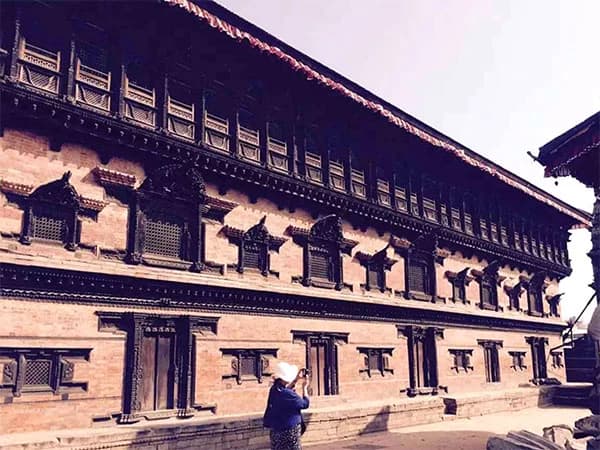
  • Kathmandu Durbar Square: This historic complex of palaces, courtyards, and temples was once the royal residence of the Malla and Shah kings. It's a vibrant hub where history comes alive, showcasing exquisite Newari architecture. Don't miss the Kumari Ghar (House of the Living Goddess) and the Hanuman Dhoka Palace.
  • Swayambhunath Stupa (Monkey Temple): Perched atop a hill, this ancient Buddhist stupa is one of Nepal's most iconic symbols. It offers panoramic views of the Kathmandu Valley and is famous for its resident monkeys and unique blend of Hindu and Buddhist symbolism.
  • Boudhanath Stupa: One of the largest stupas in the world and a major pilgrimage site for Tibetan Buddhists. Its massive white dome and golden spire, adorned with the Buddha's all-seeing eyes, create a deeply spiritual atmosphere, with pilgrims constantly performing kora (clockwise circumambulation).
  • Pashupatinath Temple: The holiest Hindu temple in Nepal, dedicated to Lord Shiva. Located on the sacred Bagmati River, it's a sprawling complex where you can witness Hindu cremation rituals (from a respectful distance on the opposite bank), sadhus (holy men), and devotees offering prayers.
  • Nagarkot: A popular hill station located about an hour's drive east of Kathmandu. Perched at an altitude of around 2,175 meters (7,136 feet), it is renowned for its breathtaking sunrise views over the majestic Himalayan range, which can include Mount Everest, Langtang, Ganesh Himal, and others on a clear day. An overnight stay here allows you to experience both sunset and sunrise.

Chitwan: The Wildlife Exploring

Chitwan National Park is a UNESCO World Heritage Site in the subtropical Terai region, and Nepal's premier destination for wildlife viewing. It offers a stark contrast to the mountains, immersing you in a lush jungle environment.

Sightseeing Destinations in Chitwan National Park:

  • Chitwan National Park: The main attraction itself! This protected area is home to a diverse range of flora and fauna, including the endangered one-horned rhinoceros, Royal Bengal tigers (though elusive), various species of deer, wild boars, sloth bears, and over 500 species of birds.
  • Rapti River: Forming the northern boundary of the park, this river is central to many activities. Its banks are a great place to spot crocodiles (gharial and marsh mugger) and various bird species.
  • Tharu Village: Experience the unique culture and traditional lifestyle of the indigenous Tharu people, who have coexisted with the jungle for centuries.
  • Bishazari Tal (Twenty Thousand Lakes): A wetland area within the park's buffer zone, recognized as a Ramsar site, offering fantastic birdwatching opportunities.

Pokhara: The Lakeside Paradise & Adventure Hub

Pokhara, nestled in the Annapurna range's foothills, is known for its stunning natural beauty, serene lakes, and a wide array of adventure sports like paragliding, bungee jumping, canyoning, skydiving, and many more.

Sightseeing Destinations in Pokhara:

  • Phewa Lake: The centerpiece of Pokhara, Phewa Lake offers breathtaking reflections of the Annapurna and Machhapuchhre (Fishtail) peaks. Enjoy boating, kayaking, or simply relaxing by the lakeside. The Tal Barahi Temple is located on an island in the middle of the lake.
  • World Peace Pagoda (Shanti Stupa): located on a hilltop overlooking Phewa Lake, this gleaming white stupa offers stunning panoramic views of the lake, city, and Annapurna mountains, especially at sunrise or sunset.
  • Sarangkot: A popular hilltop village famous for its magnificent sunrise views over the Himalayas. On a clear day, you can see Dhaulagiri, Annapurna, and Machhapuchhre. It's also a major launch site for paragliding.
  • Devi's Fall: A unique waterfall where the water mysteriously disappears into an underground tunnel.
  • Gupteshwor Cave: Located opposite Devi's Fall, this sacred cave houses a Hindu shrine and fascinating limestone formations.

Who Should Book This Tour?

First-time visitors to Nepal: This is the logical starting point. You cover enough ground to understand Nepal's range — urban, jungle, alpine — without the commitment of a multi-week expedition. If you come back, you'll already know which part you want to explore more deeply.

Families with children: The mix of activities works across ages. Kids are reliably thrilled by the jungle safari and the boat ride on Phewa Lake. Temple hopping in Kathmandu is more engaging than it sounds when a good guide is explaining the mythology behind what you're seeing. The maximum altitude (Nagarkot, 2,195m) is perfectly manageable for children.

Couples and honeymooners: Sunrises at Nagarkot, candlelit evenings at Pokhara lakeside, and the quiet of a jungle lodge at dawn — the tour has genuinely romantic moments. We can arrange private boat rides, upgrade rooms to lake-view or mountain-view categories, and organize welcome flower arrangements on request. Mention it when you enquire.

Senior travelers: There is no trekking on this tour. All sightseeing involves walking at a pace you set. The longest drives include comfort stops. We have successfully operated this package with travelers well into their seventies and eighties. The one thing worth noting: Nagarkot at 2,195m can feel slightly breathless for some people for the first hour after arrival. It passes quickly and is nothing to be concerned about.

Travelers who don't want to trek: A widespread misconception about Nepal is that all worthwhile travel here involves strenuous mountain hiking. This tour proves otherwise. You see the Himalayas, you walk through ancient cities, and you sit in a jeep watching a one-horned rhino graze 30 metres away. None of it requires trekking fitness.

Itinerary

itinerary can be customized according to your preference

Trip PlanExpand all

Upon your arrival at Tribhuvan International Airport, you’ll be greeted by our guide and transferred to your hotel. Take time to relax, explore the local streets, or enjoy a welcome dinner in Thamel, Kathmandu's lively tourist hub.


Max Altitude: 1,400 meters Meals: Welcome DinnerAccommodation: HotelDuration: 1 hoursDistance: 4-5 km

Today is a full day dedicated to cultural immersion in Kathmandu. You'll visit Swayambhunath (Monkey Temple) for panoramic city views and spiritual insights, then explore Basantapur Durbar Square with its historic royal palace and traditional architecture. The sacred Pashupatinath Temple on the Bagmati River will offer a glimpse into Hindu rituals, followed by the majestic Boudhanath Stupa, a center of Buddhist spiritual energy. Later, you'll drive to Nagarkot Hill for an overnight stay, ready to witness breathtaking sunset and sunrise views over the Himalayas

Max Altitude: 2195 m Meals: Breakfast,Lunch,DinnerAccommodation: HotelDuration: 8 hoursDistance: 32 km

After enjoying a spectacular Himalayan sunrise from Nagarkot, you'll have breakfast and then begin your scenic drive from Kathmandu to Chitwan National Park. This journey, typically taking 5-6 hours, transitions you from the hills of the capital to the flat, subtropical plains of the Terai. Upon arrival, you'll check into your jungle lodge and receive a briefing, perhaps starting your wildlife experience with a cultural tour of a local Tharu village.


Max Altitude: 415 meters Meals: Breakfast,Lunch,DinnerAccommodation: HotelDuration: 6-7 hoursDistance: 180 km

A full day dedicated to exploring the incredible wildlife of Chitwan National Park awaits. Your activities will likely include an exhilarating jeep safari deep into the park to search for the elusive one-horned rhinoceros, deer, sloth bears, and various bird species. A peaceful canoe ride on the Rapti River offers close-up views of crocodiles, while a guided jungle walk provides an intimate experience with the forest. The evening might conclude with a vibrant Tharu cultural dance performance.


Max Altitude: 415 meters Meals: Breakfast,Lunch,DinnerAccommodation: HotelDuration: 8 hoursDistance: 40 to 50 km

Today, you'll drive from Chitwan to Pokhara, a journey of approximately 4-5 hours. A highlight of this day is a stop in Bandipur, a charming and well-preserved Newari hilltop town also known as the "Queen of the Hills." You'll stroll through its traditional streets and enjoy panoramic mountain vistas before continuing to Pokhara. Upon arrival, you'll check into your lakeside hotel and can unwind by Phewa Lake.

Max Altitude: 820 meters Meals: Breakfast,Lunch,DinnerAccommodation: HotelDuration: 6-7 hoursDistance: 150 km

Pokhara offers a full day of natural beauty and adventure. Begin with an early morning drive to Sarangkot for a breathtaking sunrise over the Annapurna and Dhaulagiri ranges. Your sightseeing includes Devi's Fall, the mystical Gupteshwor Cave, and a tranquil boat ride on Phewa Lake, visiting Tal Barahi Temple. You'll also ascend to the World Peace Pagoda (Shanti Stupa) for stunning city and mountain views. Optional activities like paragliding are available for thrill-seekers.

Max Altitude: 820 meters Meals: Breakfast,Lunch,DinnerAccommodation: HotelDuration: 8 hoursDistance: 40 to 50 km

After breakfast, you'll have a scenic drive back from Pokhara to Kathmandu, a journey typically taking 6-8 hours depending on traffic. This drive allows for reflection on the diverse landscapes and experiences encountered throughout your trip. Upon returning to the capital, you'll check back into your hotel. The evening is free for any last-minute souvenir shopping in Thamel or a farewell dinner, cherishing the memories of your Nepalese adventure.

Max Altitude: 1400 m Meals: Fairwell DinnerAccommodation: HotelDuration: 6-7 hoursDistance: 200 km

After breakfast, enjoy a calm morning and, if time permits, do some last-minute shopping or take a short walk nearby. Soon, you’ll be transferred to Tribhuvan International Airport for your flight back home. As your Kathmandu Valley tour comes to an end, take with you the unforgettable memories of cultural wonders, scenic beauty, and warm hospitality.

Max Altitude: 1,400 meters Duration: 1 hourDistance: 5-6km
Unable to locate what you're seeking?Reach out to our travel experts.
Customize Trip
Cost Details
Includes
  • Hotels Accommodation 3-star Standard
  • Private vehicles for sightseeing, transfers between cities, and all transport by private car, jeep, minibus, or bus
  • Professional tour guide for sightseeing and the entire trip
  • Entrance tickets for UNESCO heritage sites, national parks, and cultural attractions.
  • All meals Breakfast, lunch, dinner) During the tour.
  • Jungle activities in Chitwan National Park like:  Elephant safari, Elephant breeding center visit, Canoe ride, Jungle walk, culture show, sunset view, jungle walk.
  • Tour in Pokhara: Morning sunrise from Sarangkot, Pokhara valley sightseeing, sunset view from World Peace Pagoda, boating in Phewa Lake.
  • Applicable government taxes and fees
Excludes
  • Airfare to and from Nepal.
  • Medical and trip cancellation insurance (recommended but not included).
  • Personal expenses, Souvenirs, extra drinks, Nepal visa.
  • Adventure activities (e.g., paragliding, rafting, jungle safaris) and any extra tours.
  • Tips for guides, drivers, and staff (typically expected).


What to Realistically Expect in Chitwan

The jungle here is real jungle. When people describe it as "Nepal's jungle safari," some imagine a zoo-like experience — animals lined up, easy to spot. The reality is better and more honest than that.

One-horned rhinos are almost certain on a full-day program. You'll often see them at close range, grazing along the Rapti River banks or in the grasslands. They are large, unhurried, and extraordinary to watch from a jeep at ten metres. Deer (spotted deer, barking deer, hog deer) are essentially guaranteed across any safari route.

Crocodiles — both gharial and marsh mugger — are reliably seen during the canoe ride on the Rapti. Gharials are fascinating: long-snouted, prehistoric-looking, almost always resting on sandbars in the sun. They are fish-eaters and not a threat to humans in the water.

Bengal tigers are present but usually uncooperative. The park has a healthy population — over 100 individuals — but they are territorial, solitary, and largely avoid areas with vehicle noise during daylight. Early morning drives in the dry season (February to April) give the best odds. We've had guests see one; we've also had guests who came back five times and didn't. We never promise a tiger sighting, and we'd encourage some skepticism toward operators who do.

Birds are consistently spectacular for anyone with even a passing interest. Over 500 species have been recorded in the park, including giant hornbills, painted storks, pied kingfishers, and the Bengal florican. Bring binoculars if you have them.

The Tharu cultural show in the evening is often underrated. The Tharu are the indigenous people of this region and have lived alongside the jungle for centuries. Their dances tell stories of rice harvests, monsoons, and daily village life — it's not a commercial performance designed for tourists but a genuine tradition they've continued sharing with visitors for decades.

Dates & Availability
Group Departures Private Departures
Select Departure Dates
Jun 2026
Jul 2026
Aug 2026
Sep 2026
Oct 2026
Nov 2026
Dec 2026
Jan 2027
Feb 2027
Mar 2027
Apr 2027
May 2027
Jun 2027
Jul 2027
Aug 2027
Sep 2027
Oct 2027
Nov 2027
Dec 2027
Price
Departure Date
Status
Price
US$700
Departure Date
Starts: Jun 09, 2026Ends: Jun 16, 2026
Status
Guaranteed
Price
US$700
Departure Date
Starts: Jun 16, 2026Ends: Jun 23, 2026
Status
Guaranteed
Price
US$700
Departure Date
Starts: Jun 23, 2026Ends: Jun 30, 2026
Status
Guaranteed
Essential Information

Practical Travel Information

Nepal Visa: Most nationalities receive a visa on arrival at Tribhuvan International Airport in Kathmandu. Fees are USD 30 (15 days), USD 50 (30 days), or USD 125 (90 days). Bring one passport photo and the exact USD amount — cards are sometimes accepted but not always reliable at the counters. Indian nationals do not require a visa. Confirm current requirements for your specific passport at the Nepal immigration website before travel.

Currency: The Nepalese Rupee (NPR) is the local currency. As of 2025–2026, USD 1 exchanges to approximately NPR 135. ATMs are widely available in Kathmandu (Thamel area), Pokhara (Lakeside area), and Chitwan (Sauraha tourist zone). Carry some cash for small temple entrance fees and local shops — card acceptance in smaller establishments is inconsistent. USD, EUR, GBP, and INR can be exchanged at banks or licensed money changers; avoid exchanging at the airport where rates are poor.

Mobile Connectivity and Wi-Fi: Kathmandu and Pokhara have strong 4G coverage and reliable hotel Wi-Fi. Nagarkot signal is patchy — most guests treat it as a welcome break. Chitwan's Sauraha area has adequate connectivity; deeper jungle lodges vary. We strongly recommend buying an Ncell or Nepal Telecom SIM card at Kathmandu airport (roughly NPR 500–600 for a SIM with initial data). It works across all three destinations and costs a fraction of international roaming.

Tipping: Tipping is not compulsory but is genuinely appreciated by guides and drivers who take considerable pride in their work. A practical reference: USD 10–15 per guide per day for a full-day guiding service is considered respectful by local standards. For drivers on long transfer days, USD 5–8 is appropriate. Group travelers typically pool tips. We never pressure guests on this, but we want you to know the norms so you can make your own informed decision.

Travel Insurance: We strongly recommend purchasing comprehensive travel insurance before your trip. This should cover medical expenses (hospital care in Nepal can be costly for serious cases), emergency evacuation, trip cancellation, and delays. Check that your policy covers the maximum altitude of this tour (2,195m at Nagarkot). We are not able to cover medical or emergency costs on your behalf.

Getting Between Cities — Drive or Fly?

Kathmandu to Chitwan (180 km, approximately 4–5 hours): The route follows the Prithvi Highway through the Mahabharat hills before descending to the Terai plains. It's a paved road and the drive itself — particularly the descent through terraced hillsides — is scenic. Note that road-widening works on sections of the Prithvi Highway since 2024 can cause occasional delays, particularly near Mugling junction. We schedule this drive to avoid weekend congestion when possible. No domestic flight operates this route; driving is the only option.

Chitwan to Pokhara (150 km, approximately 4–5 hours): The Siddhartha Highway is more winding than the Prithvi route but in similar condition. The Bandipur detour adds approximately 45 minutes but is worth it for almost every traveler who makes the stop. The views from Bandipur's main street across the Marsyangdi valley toward the Himalayan range are among the best roadside mountain panoramas in Nepal.

Pokhara to Kathmandu (200 km, approximately 6–8 hours by road): The return drive is the longest leg. It is comfortable but tiring if your onward international flight is the same evening. If you have a flight before 5pm, we recommend the 25-minute domestic flight instead (approximately USD 100–120 per person with Buddha Air or Yeti Airlines). The aerial views of the Annapurna range on the flight are a fitting way to end the tour. We can arrange this flight as part of your booking — ask when you enquire.

What to Pack for This Tour

Eight days across three very different climates and activities means your packing list needs a bit of thought:

For Kathmandu sightseeing: Comfortable walking shoes (the cobblestones at Durbar Square are uneven), modest clothing for temple visits (shoulders and knees covered — this matters at Pashupatinath specifically where visitors have been turned away for inappropriate dress), a light layer for evenings.

For Nagarkot: A warm jacket. Even in October, 2am at 2,195 metres is genuinely cold, and sunrise-watchers regret not having one. Layers work better than a single heavy jacket here.

For Chitwan jungle safari: Long-sleeved shirts and long trousers — muted colors (khaki, olive, grey) rather than bright patterns. This is practical rather than purely aesthetic: visibility matters in the jungle and so does insect protection. Good insect repellent is essential. A hat with a brim. A small daypack for water and snacks. Your camera if you have one; the jeep stabilizes well enough for wildlife photography.

For Pokhara: The Lakeside area is relaxed and warm during the day. A light jacket or fleece for Sarangkot at dawn (you'll be there at 5–6am). Sunscreen — the lake reflection amplifies UV exposure more than people expect.

General: A small first aid kit with your usual personal medications, rehydration sachets (the drives are long on warm days), a universal plug adapter (Nepal uses Type C, D, and M sockets), and enough cash for the first day. Most things are available to buy in Thamel if you forget them.

Best time for Nepal 8-Day Tour

The best time to tour Nepal is Autumn and Spring, as these two seasons are known for ideal climate conditions with clear skies and moderate temperatures. Also perfect time for festivals and the celebration of different cultural events in heritage sites.

Autumn (September to November) 

Weather: This is widely considered the best time to visit Nepal. The monsoon rains have cleared the air, offering crystal-clear skies and spectacular, unobstructed views of the Himalayas. Temperatures are mild and pleasant, making it ideal for trekking.

Festivals: This season is packed with Nepal's biggest and most important festivals, offering incredible cultural immersion:

  • Dashain (September/October): The longest and most significant Hindu festival, celebrating the victory of good over evil. Expect family gatherings, kite flying, feasts, and blessings from elders.
  • Tihar (October/November): The "Festival of Lights," similar to Diwali. It's a five-day celebration where different animals (crows, dogs, cows, oxen) are worshipped, and homes are adorned with oil lamps and candles. The "Bhai Tika" day celebrates the bond between brothers and sisters.
  • Chhath (October/November): Primarily celebrated in the Terai region, this four-day festival is dedicated to the sun god, Surya, with devotees offering prayers at riverbanks.

Spring (March to May) 

Weather: Another excellent time, especially for trekking. Temperatures are warm and pleasant, and the rhododendrons (Nepal's national flower) burst into vibrant bloom, adding a splash of color to the landscapes. Skies are generally clear, especially in early spring.

Festivals:

  • Holi (February/March): The lively "Festival of Colors" where people throw colored powders and water at each other to celebrate the arrival of spring.
  • Maha Shivaratri (February/March): An auspicious Hindu festival dedicated to Lord Shiva, with thousands of devotees gathering at Pashupatinath Temple in Kathmandu.
  • Losar (February/March): Tibetan New Year, celebrated by Sherpa, Tibetan, and Tamang communities with ceremonial dances and feasts.
  • Bisket Jatra (April): A unique nine-day festival in Bhaktapur, marking the Nepali New Year, featuring a massive chariot procession and a tug-of-war.
  • Buddha Jayanti (April/May): Celebrates the birth of Lord Buddha, especially significant in Lumbini.

Winter (December to February)

Weather: This season offers consistently clear skies and incredible mountain panoramas, often with snow-capped peaks. While days can be pleasant, nights, especially at higher altitudes, are very cold.

Festivals:

  • Maghe Sankranti (January): Marks the transition of the sun and is celebrated with special foods and holy baths.
  • Lhosar (January/February): Tibetan New Year, celebrated by various ethnic groups.

Monsoon (June to August) 

Weather: Characterized by heavy rainfall and high humidity. Clouds often obscure mountain views, and trekking can be challenging due to muddy, slippery trails and potential landslides.

Festivals:

  • Ropai Jatra (June/July): Celebrates rice planting.
  • Gai Jatra (August/September): The "Cow Festival" to commemorate those who died in the past year, with parades and satire.
  • Janai Purnima (July/August): The "Sacred Thread Festival" for Hindu men.
  • Teej (August/September): A major Hindu festival primarily celebrated by women, who fast and pray for their husbands' well-being.
  • Indra Jatra (September): A vibrant street festival in Kathmandu dedicated to the rain god Indra, featuring masked dances and a chariot procession of the living goddess Kumari.

Entrance Fees for Kathmandu Sightseeing Destinations

Here's an estimated breakdown of entrance fees in 2025 for foreign nationals (non-SAARC) for the key sightseeing destinations on your 8-day Nepal tour. Please remember these are approximate and subject to change by the local authorities.

Kathmandu Valley fees

  • Swayambhunath (Monkey Temple): NPR 200
  • Basantapur Durbar Square (Kathmandu Durbar Square): NPR 1,000
  • Pashupatinath Temple: NPR 1,000 (Note: Indian nationals often have free entry)
  • Boudhanath Stupa: NPR 400 to all international tourists.

Chitwan National Park fees

  • Chitwan National Park Entry Fee: NPR 2,200 per person, per day.

Pokhara fees

  • Devi's Fall: NPR 30
  • Gupteshwor Cave: NPR 100
  • International Mountain Museum: NPR 500
  • Phewa Lake Boating: This is a separate cost, typically around NPR 650 for a 1-hour boat ride (can be higher for a full boat rental).
  • Sarangkot (Sunrise Viewpoint): NPR 50 (This is a small municipal fee).

Accommodation Options

Kathmandu:

  • Luxury:  Hyatt Regency, Aloft Kathmandu Thamel, Soaltee Crowne Plaza
  • Mid-Range: Hotel Yatri Suites & Spa, Kantipur Temple House.
  • Budget: The Address KTM, Hotel Kailash, Hotel Arts Kathmandu

Pokhara:

  • Luxury: The Pavilions Himalayas, Temple Tree Resort.
  • Mid-Range: Mount Kailash Resort, Hotel Middle Path.
  • Budget: Hostel Pokhara, Hotel Asia.

Chitwan:

  • Luxury: Meghauli Serai, Barahi Jungle Lodge.
  • Mid-Range: Green Park Chitwan, Hotel Parkland.
  • Budget: Jungle Sunset Camp, Sauraha Resort.

Price according to Accomodation Startdard level

Hotel Standard Cost Avaibility
Luxury Hotel (5-star) $260 Book Now
Mid-range Hotel (4-star) $170 Book Now
Budget Hotel  (Normal Package Rate) Book now

Cultural Sensitivity During Nepal Tour

Showing cultural sensitivity during your Nepal tour simply means being respectful of local customs and traditions. It helps you have a better experience and shows you care about their way of life.

Here are the main things to remember in simple words:

  • Greetings: Always say "Namaste" with your palms pressed together (like praying) when you meet people. It's a sign of deep respect.
  • Dress Modestly: Especially at temples, monasteries, and in villages, cover your shoulders and knees. Avoid very short shorts, skirts, or sleeveless tops.
  • Shoes Off: Take off your shoes before entering any temple, monastery, or someone's home. Watch where others leave theirs.
  • Religious Sites: Be quiet and respectful. Walk around stupas (like Boudhanath or Swayambhunath) in a clockwise direction. Don't touch statues or offerings. Some areas in Hindu temples might be for Hindus only – respect the signs.
  • Right Hand Rule: Always use your right hand when eating, giving, or receiving anything (like money or gifts). The left hand is considered less clean.
  • Feet are Impure: Never point your feet at people, religious objects, or altars.
  • No Public Hugs/Kisses: Avoid showing strong public affection with your partner.
  • Ask Before Photos: Always ask for permission before taking pictures of people, especially children or during religious ceremonies. Respect their "no."


FAQs

The Kathmandu Chitwan Pokhara 8 Days Tour package includes hotel accommodation, private transportation, professional tour guides, UNESCO World Heritage sightseeing, Chitwan jungle safari activities, daily meals during the tour, Pokhara sightseeing, boating on Phewa Lake, Sarangkot sunrise tour, national park permits, and government taxes. The package is designed to offer a complete Nepal cultural, wildlife, and scenic holiday experience.

Yes, the Kathmandu Chitwan Pokhara Tour is one of the best family-friendly Nepal tour packages. The trip involves easy sightseeing, comfortable transportation, and low-altitude travel, making it ideal for families with children, honeymoon couples, senior citizens, and first-time visitors to Nepal.

This Nepal cultural and wildlife tour covers:

  • Kathmandu Durbar Square
  • Pashupatinath Temple
  • Boudhanath Stupa
  • Swayambhunath Monkey Temple
  • Chitwan National Park Jungle Safari
  • Tharu Cultural Program
  • Phewa Lake Pokhara
  • Sarangkot Sunrise Viewpoint
  • World Peace Pagoda
  • Devi’s Fall and Gupteshwor Cave

The tour combines UNESCO heritage sites, Himalayan mountain views, lakes, wildlife adventures, and local culture.

The best seasons for the Kathmandu Chitwan Pokhara 8 Days Tour are spring (March to May) and autumn (September to November). These months offer clear mountain views, pleasant temperatures, excellent wildlife safari conditions, and vibrant Nepali festivals like Dashain and Tihar.

Winter tours from December to February are also popular for travelers seeking fewer crowds and crystal-clear Himalayan panoramas.

This Nepal tour package is considered an easy tour with no trekking difficulty. Travelers only need basic fitness for short walks, sightseeing, and jungle activities. It is suitable for all age groups and does not require previous hiking or adventure experience.

Eight days is considered the ideal duration to explore Nepal’s top tourist destinations comfortably. The 8-day itinerary allows travelers to experience Kathmandu’s heritage sites, Chitwan’s wildlife safari, and Pokhara’s mountain scenery without rushing.

During the Chitwan jungle safari, travelers may see:

  • One-horned rhinoceros
  • Bengal tiger (rare sightings)
  • Crocodiles
  • Deer species
  • Wild boars
  • Sloth bears
  • Exotic birds
  • Monkeys and reptiles

Chitwan National Park is Nepal’s most famous wildlife destination and a UNESCO World Heritage Site. View Nepal Treks

Yes, Pokhara is one of Nepal’s premier luxury travel destinations. Travelers can upgrade to luxury lakeside resorts, spa hotels, private guided tours, helicopter experiences, and premium adventure activities such as paragliding and ultra-light flights.

Absolutely. This Kathmandu Chitwan Pokhara tour is specially designed for travelers who want to experience Nepal without trekking. It focuses on cultural exploration, nature, mountain views, wildlife safaris, and relaxation rather than high-altitude hiking.

Travelers can choose from:

  • Budget hotels
  • Mid-range 3-star and 4-star hotels
  • Luxury 5-star resorts

Accommodation options are available in Kathmandu, Chitwan, and Pokhara depending on budget and travel preferences.

Yes, Nepal is considered one of the safest travel destinations in South Asia. Tourist areas like Kathmandu, Pokhara, and Chitwan are highly popular among international travelers and offer welcoming hospitality, tourist infrastructure, and experienced local guides.

The tour generally uses comfortable private vehicles including cars, jeeps, vans, or tourist buses depending on group size. Domestic flights between Kathmandu and Pokhara can also be customized for travelers wanting faster travel and scenic Himalayan aerial views.

Yes, the itinerary is fully customizable. Travelers can add:

  • Lumbini tours
  • Everest Mountain Flights
  • Nagarkot sunrise tours
  • Adventure sports in Pokhara
  • Luxury resorts
  • Extra safari nights in Chitwan
  • Helicopter tours

Customized Nepal tour packages are available for couples, families, solo travelers, and private groups.

Kathmandu, Pokhara, and Chitwan represent the perfect combination of Nepal’s:

  • Ancient culture
  • Himalayan scenery
  • Wildlife adventures
  • Spiritual heritage
  • Lakes and landscapes

This route offers the best all-in-one Nepal experience for travelers with limited vacation time.

Recommended packing items include:

  • Comfortable walking shoes
  • Light jackets
  • Sunglasses and sunscreen
  • Camera or smartphone
  • Personal medications
  • Travel documents
  • Casual clothing for warm and cool weather

For winter travel, warm layers are recommended for Nagarkot and Sarangkot sunrise viewpoints.

Most reputable Nepal tour operators follow government-approved wildlife tourism regulations inside Chitwan National Park. Jeep safaris, canoe rides, bird watching, and guided jungle walks are considered safe and eco-friendly wildlife experiences.

From Pokhara and Sarangkot, travelers can enjoy panoramic Himalayan views of:

  • Annapurna Range
  • Machhapuchhre (Fishtail Mountain)
  • Dhaulagiri
  • Lamjung Himal
  • Hiunchuli

Sunrise views from Sarangkot are among the most photographed mountain landscapes in Nepal.

Yes, the Kathmandu Chitwan Pokhara tour is one of the best honeymoon packages in Nepal because it combines romantic lakeside experiences, mountain sunsets, luxury resorts, jungle adventures, cultural sightseeing, and peaceful nature escapes.

Most international travelers can obtain a Nepal tourist visa on arrival at Tribhuvan International Airport in Kathmandu. Visa requirements vary by nationality, so travelers should check Nepal immigration regulations before arrival.

The tour cost depends on:

  • Hotel category
  • Group size
  • Transportation type
  • Luxury upgrades
  • Seasonal demand

Standard Nepal 8-day tour packages generally start from affordable budget-friendly rates and can be upgraded to premium luxury experiences.

Call to our expert 24/7
Bhupendra Adhikari
+977 9851029611
travelers choice
You May Also Like
Bhutan Tour Package From Nepal 8 days
Bhutan Tour Package From Nepal - 8 Days
Nepal tour 8 days
Starting From
US$650US$750
Nepal Package Tour
Starting From
US$850US$990
Need Help? Call Us.+977 9851029611