everest
ebc viewnepal

Everest base camp Luxury trek - 10 days

Customize Trip
Trip at a Glance
Duration10 Days
Trip GradeModerate
CountryNepal
Maximum Altitude5545 m
Group Size2--20
StartsKathmandu
EndsKathmandu
ActivitiesTrekking
Best TimeAutumn, Spring

Everest Base Camp Luxury Trek 10 Days — Premium Lodges, Private Guide & Unmatched Himalayan Comfort
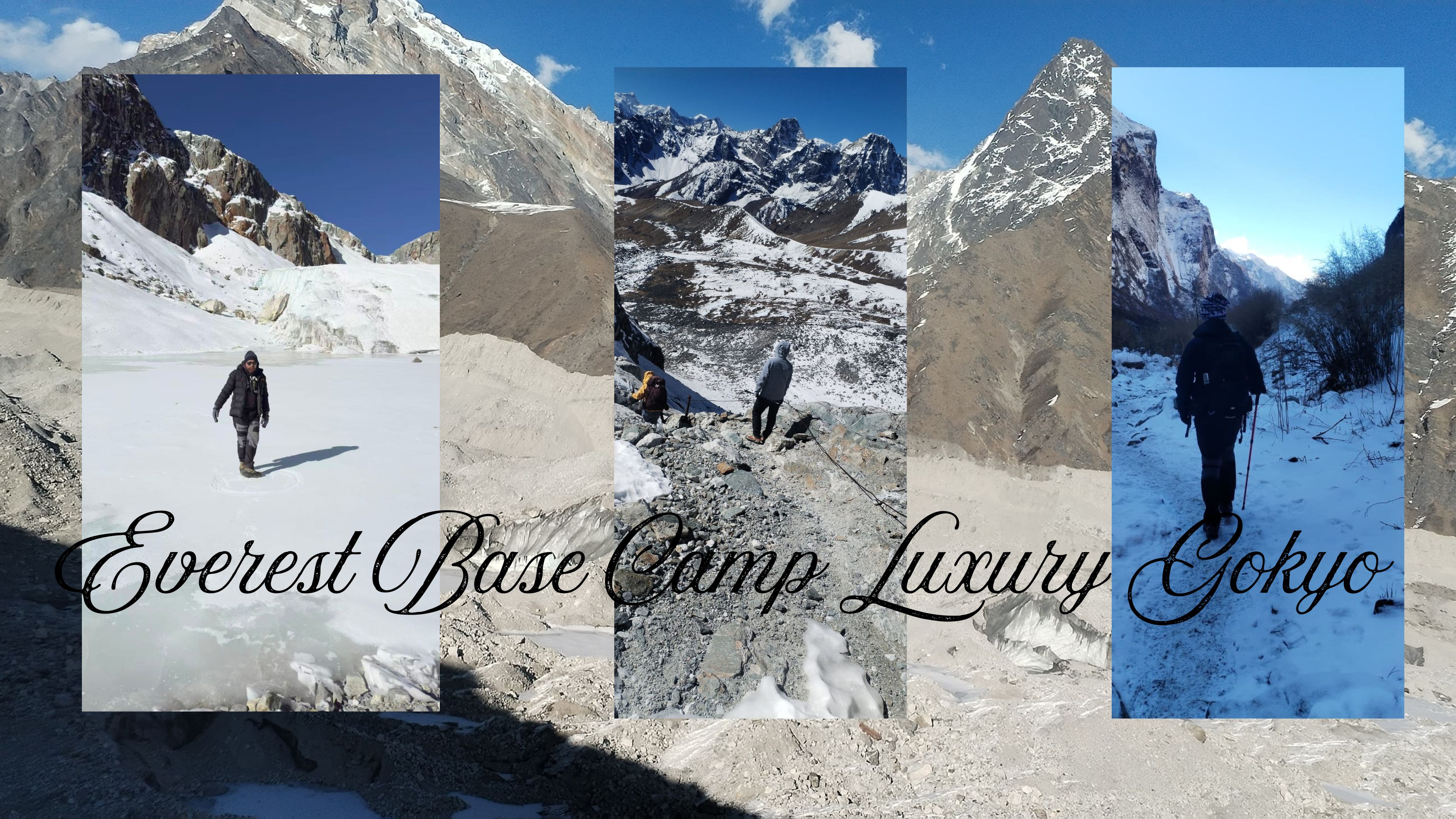
Overview Everest Base Camp Luxury Trek 10 Days

The Everest Base Camp Luxury Trek 10 Days by View Nepal Treks & Expedition redefines high-altitude adventure. This is not a standard tea house trek. Every detail — from handpicked luxury lodges with private rooms and hot showers to gourmet Himalayan cuisine, personal porters, and a dedicated experienced guide — is designed for travelers who refuse to compromise on comfort at 5,364 meters.

Starting from $3,250 per person with a maximum group size of 8 trekkers, this premium EBC experience is built for discerning travelers from the United States, United Kingdom, Australia, Canada, and beyond who want the Everest experience without the roughing-it reality of budget treks.

What makes this different:

Your 10 days include Kathmandu-to-Kathmandu logistics, the iconic Lukla flight, all Sagarmatha National Park and TIMS permits, the best available luxury lodges at every stop, dedicated porter service (15kg per person), three gourmet meals daily, altitude monitoring with oximeter checks twice daily, and 24/7 emergency satellite communication with helicopter evacuation insurance coordination.

This is for travelers who Google "Is there a luxury way to do Everest Base Camp?" — and the answer is an unequivocal yes.

Starting Price: $3,250 per person (group of 4–8) Private Trek (2 persons): $4,150 per person Solo Traveler: $4,950

Check Availability for 2026 Departures

 Unique Advantage — What Sets This Luxury Trek Apart

Most operators advertising "luxury Everest Base Camp treks" are running standard tea house treks with minor upgrades. View Nepal Treks & Expedition delivers a fundamentally different product.

Genuine Luxury Lodges, Not Relabeled Tea Houses

We use only the Everest region's top-tier lodges: Yeti Mountain Home collection in Phakding and Namche Bazaar, Everest Summit Lodge in Syangboche, and the highest-quality privately operated lodges in Tengboche, Dingboche, and Gorak Shep. Each lodge offers private rooms with en-suite or adjacent private bathrooms, heated dining areas, genuine spring mattresses, solar-heated hot water, and curated menus beyond the standard dal bhat rotation.

Guide-to-Trekker Ratio: 1:4 Maximum

Unlike operators who assign one guide to groups of 12–16, we guarantee a maximum 1:4 guide-to-trekker ratio. For groups of 5–8, a second certified guide accompanies the team. Every lead guide holds Nepal Mountaineering Association certification, wilderness first responder training, and a minimum of 50 Everest region treks completed.

Daily Altitude Health Protocol

Twice-daily pulse oximetry readings. Blood oxygen saturation and resting heart rate logged at each camp. Pre-acclimatization day built into the itinerary at Namche Bazaar. Gamow bag carried by the support team. Direct radio and satellite phone link to CIWEC Hospital in Kathmandu for real-time medical consultation.

Helicopter Return Option

Why trek the same trail twice? Our popular helicopter return option (add $650 per person) flies you from Gorak Shep or Lukla directly to Kathmandu, saving 2–3 days and offering aerial views of Everest, Lhotse, and Ama Dablam that rival any scenic flight on Earth.

Honeymoon & Anniversary Specialization

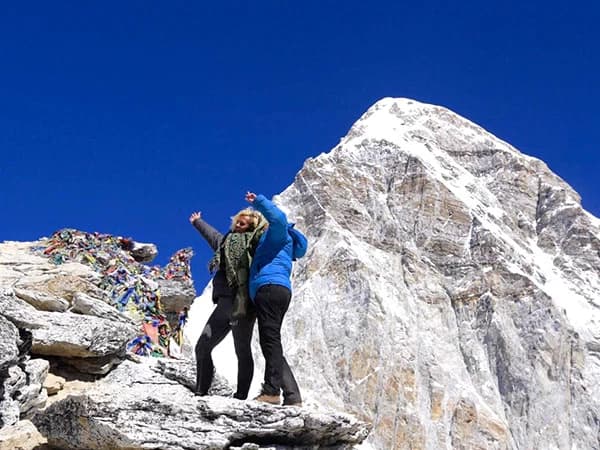
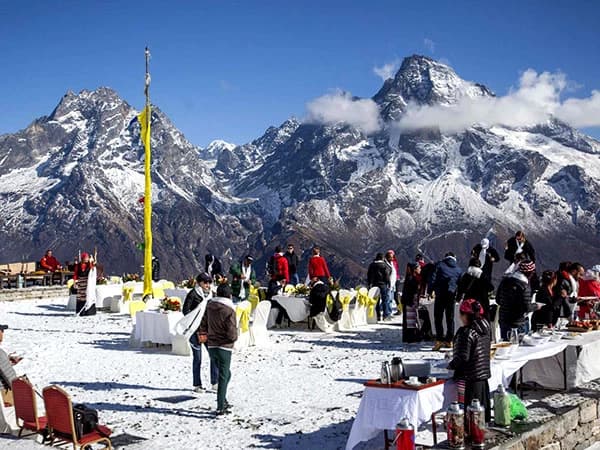
Private departures for couples include room upgrade priority, a celebration dinner in Namche Bazaar, a commemorative summit certificate, and a professional photo package at Everest Base Camp and Kala Patthar viewpoint.

Highlights

  • Enjoy breathtaking aerial views of the Himalayas, including Mount Everest, with a luxurious helicopter ride to Lukla and an optional return from Gorak Shep.
  • Stay in high-end lodges like Yeti Mountain Home, offering comfortable rooms, hot showers, and meals.
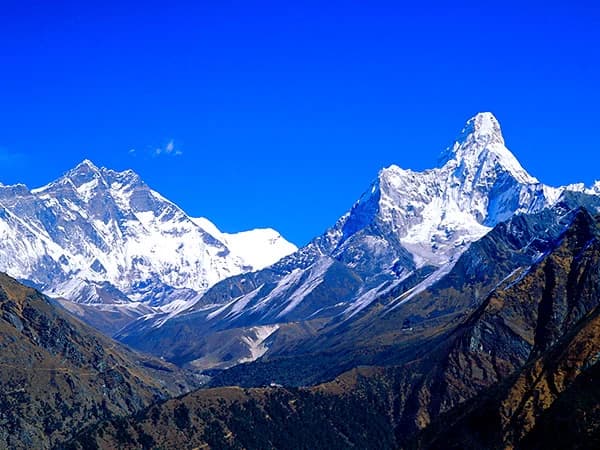
  • Witness iconic peaks like Everest, Lhotse, Ama Dablam, and Nuptse, with stunning sunrise views from Kala Patthar.
  • Enjoy Sherpa traditions, visit Namche Bazaar, and explore the Tengboche Monastery.
  • Benefit from experienced guides, tailored itineraries, and seamless logistics ensuring a stress-free adventure.
  • Trek through the legendary Everest region while enjoying luxurious amenities and world-class service.
  • A perfect blend of adventure and indulgence, this trek is ideal for experiencing Everest in style.
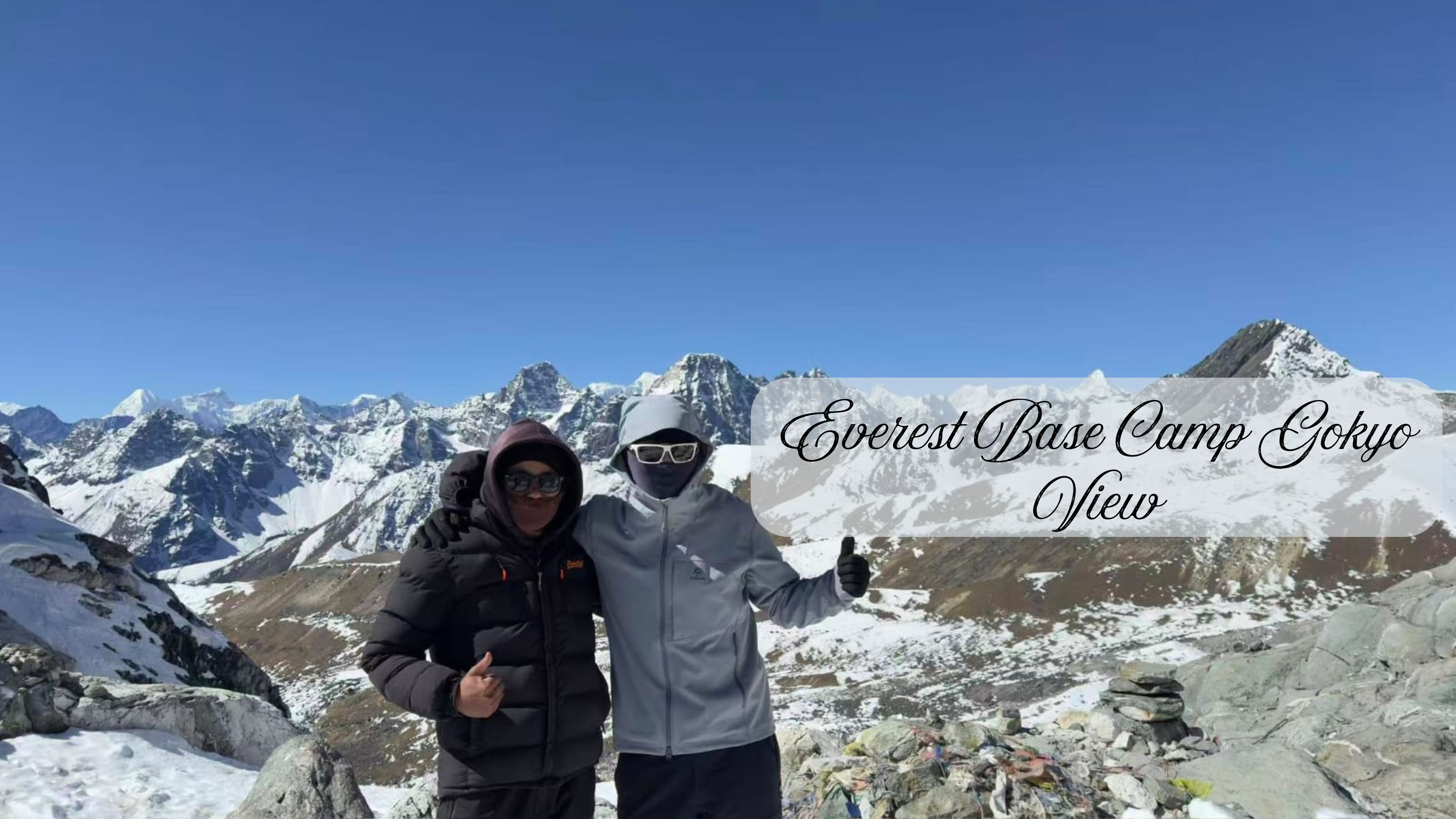
 Why Choose View Nepal Treks & Expedition

20+ Years Operating in the Everest Region

View Nepal Treks & Expedition has been organizing treks in the Khumbu region since the early 2000s. Over two decades, we have guided thousands of trekkers from 50+ countries to Everest Base Camp. Our institutional knowledge of the route — trail conditions, lodge quality, weather windows, altitude risk management — cannot be replicated by newer operators.

Government Licensed & Fully Insured

We hold a current Nepal Tourism Board license, are registered with the Department of Tourism, and maintain full commercial liability insurance covering all clients and staff. Our registration number is available upon request and verifiable with the Nepal government tourism portal.

Real Relationships with the Sherpa Community

Our founding team includes Sherpa members from the Khumbu Valley. We do not subcontract guiding to third parties. Every guide, porter, and support staff member is directly employed, fairly compensated above industry standards, insured, and equipped with proper gear. We pay lodge partners directly — no last-minute downgrades.

Verifiable Track Record

Our founding team includes Sherpa members from the Khumbu Valley. We do not subcontract guiding to third parties. Every guide, porter, and support staff member is directly employed, fairly compensated above industry standards, insured, and equipped with proper gear. We pay lodge partners directly — no last-minute downgrades.

Verifiable Track Record

Over 500 verified reviews across Google Business, TripAdvisor, and direct client testimonials. A 4.9-star average rating. We encourage every client to post independently and never incentivize reviews. Our reputation is earned on the trail.

Physical Kathmandu Office

Visit us at our Thamel office for pre-trek briefings, gear checks, and face-to-face consultations. We are not a booking intermediary. We own and operate every trek we sell.

 Read Our Verified Reviews

Destination Expert Insight — Everest Base Camp & the Khumbu Valley

Standing at 5,364 meters at Everest Base Camp is a moment that changes your internal compass. The Khumbu Glacier stretches before you. The south face of Everest — the same wall that Hillary and Tenzing first conquered in 1953 — towers above. The prayer flags snap in thin, cold air. It is simultaneously humbling and empowering.

But the Everest Base Camp trek is far more than the destination. The journey through Sagarmatha National Park — a UNESCO World Heritage Site since 1979 — unfolds through ancient Sherpa villages, rhododendron forests, suspension bridges draped in prayer flags, and the iconic Tengboche Monastery where monks have chanted beneath the Himalayan giants for centuries.

The Khumbu Valley offers a living cultural museum. Namche Bazaar, the Sherpa capital at 3,440 meters, buzzes with bakeries, gear shops, and a weekly Saturday market that has operated since trade route days. Tengboche offers the most photographed monastery in the Himalayas. Dingboche, a high-altitude farming settlement, provides perspective on how Sherpa communities thrive where most outsiders gasp for breath.

For the luxury trekker, this means something specific: every overnight stop tells a story. You are not simply "getting to base camp." You are spending meaningful time in extraordinary places, sleeping in genuine comfort, and experiencing the world's greatest mountain range with the depth it deserves.

Key Elevation Milestones:

  • Lukla: 2,860m
  • Namche Bazaar: 3,440m
  • Tengboche: 3,860m
  • Dingboche: 4,410m
  • Lobuche: 4,940m
  • Gorak Shep: 5,164m
  • Everest Base Camp: 5,364m
  • Kala Patthar viewpoint: 5,545m

Logistics & Operations

Kathmandu to Lukla Flight

The 35-minute flight from Kathmandu to Lukla's Tenzing-Hillary Airport is included in your package. Flights operate early morning when mountain weather is calmest. We book with reputable carriers (Summit Air, Tara Air) and always hold backup dates. In the event of flight cancellation due to weather, we arrange helicopter charter at cost or adjust the itinerary with a full day in Lukla without additional charge.

Porter & Luggage Service

Each trekker receives dedicated porter service for up to 15 kg of luggage. Your main bag is carried ahead to the next lodge, arriving before you do. You trek with only a daypack (camera, water, snacks, extra layer). Porters are fully insured, equipped with proper footwear and clothing, and paid above Trekking Agencies' Association of Nepal (TAAN) fair wage guidelines.

Communication & Connectivity

WiFi is available in Namche Bazaar and at select lodges along the route (variable quality above Tengboche). Your guide carries a satellite phone for emergency communication at all times. Charging facilities are available at all luxury lodges (some charge a small fee above Namche — typically $3–5 per charge).

Tipping Guidance

Tips are not included in the package price and are at your discretion. Industry norms for a luxury trek of this nature: lead guide $150–250, assistant guide $100–150, each porter $50–80. These are per-trek amounts, not daily.

Accommodation Details :

Night

Location

Lodge

Elevation

Private Room

Bathroom

Hot Shower

Heating

WiFi

1

Kathmandu

4-star hotel

1,400m

En-suite

2

Phakding

Yeti Mountain Home

2,610m

Attached

Dining area

3–4

Namche Bazaar

Yeti Mountain Home / Everest Summit Lodge

3,440m

En-suite

Dining + room

5

Tengboche

Best available luxury lodge

3,860m

Shared/adjacent

Dining area

Limited

6

Dingboche

Premium lodge

4,410m

Shared

Solar

Dining area

Limited

7

Lobuche

Best available lodge

4,940m

Shared

Solar

Dining area

No

8

Gorak Shep

Best available lodge

5,164m

Shared

Limited

Dining area

No

9

Namche Bazaar

Luxury lodge

3,440m

En-suite

10

Kathmandu

4-star hotel

1,400m

En-suite

Honest Note on High-Altitude Accommodation:

 Above 4,500m, even the best lodges are basic by lowland standards. We guarantee the best available option at each stop, but at Lobuche and Gorak Shep, "luxury" means a private room, warm blankets, a heated dining hall, and the best food available — not a boutique hotel. We are transparent about this because managing expectations is part of delivering a genuinely premium experience.

Transparent Pricing

Price Per Person — Group Trek (Scheduled Departures)

Group Size

Price Per Person (USD)

4–8 trekkers

$3,250

3 trekkers

$3,550

2 trekkers

$3,850

Private Trek Pricing

Party Size

Price Per Person (USD)

2 persons (couple/private)

$4,150

Solo traveler (private guide & porter)

$4,950

Private group 3–4

$3,750

Private group 5–8

$3,450

Seasonal Pricing

Season

Dates

Pricing

Peak Spring

March 15 – May 31

Standard pricing

Peak Autumn

September 15 – November 30

Standard pricing

Shoulder (early spring/late autumn)

March 1–14, December 1–15

10% discount

Winter

December 16 – February 28

15% discount (experienced trekkers only)

Upgrade Pricing

Upgrade

Per Person Cost

Helicopter return (Gorak Shep/Lukla to KTM)

+$650

Single room supplement (where available)

+$350

5-star Kathmandu hotel upgrade (Hyatt/Marriott)

+$180

Professional photography package

+$450

Extra acclimatization day (Dingboche)

+$220

Kala Patthar drone footage package

+$300

Add-Ons

Add-On

Cost

Kathmandu city tour (half day)

$85

Bhaktapur heritage tour (half day)

$75

Extra night in Kathmandu

$95 (4-star) / $180 (5-star)

Airport lounge access (departure)

$45

Trekking gear rental package

$120

Sleeping bag rental (comfort rated -20°C)

$45

Travel insurance assistance (quote arrangement)

Free

Payment Schedule

Milestone

Amount

When

Booking deposit

$500 per person

At time of booking

Second payment

50% of remaining balance

60 days before departure

Final payment

Remaining balance

30 days before departure

Deposit Terms

  • $500 deposit secures your spot and is non-refundable if cancelled within 30 days of departure
  • Deposit is transferable to another departure date (subject to availability) up to 60 days before original departure
  • Full deposit refund if View Nepal Treks cancels the departure

Accepted Payment Methods

  • Bank wire transfer (USD, GBP, EUR, AUD, CAD)
  • Credit card (Visa, Mastercard — 3% processing fee applies)
  • PayPal
  • Wise (TransferWise) — recommended for lowest fees
  • Western Union

Benefits of Booking 10 Days Everest Base Camp Luxury Trek with Us?
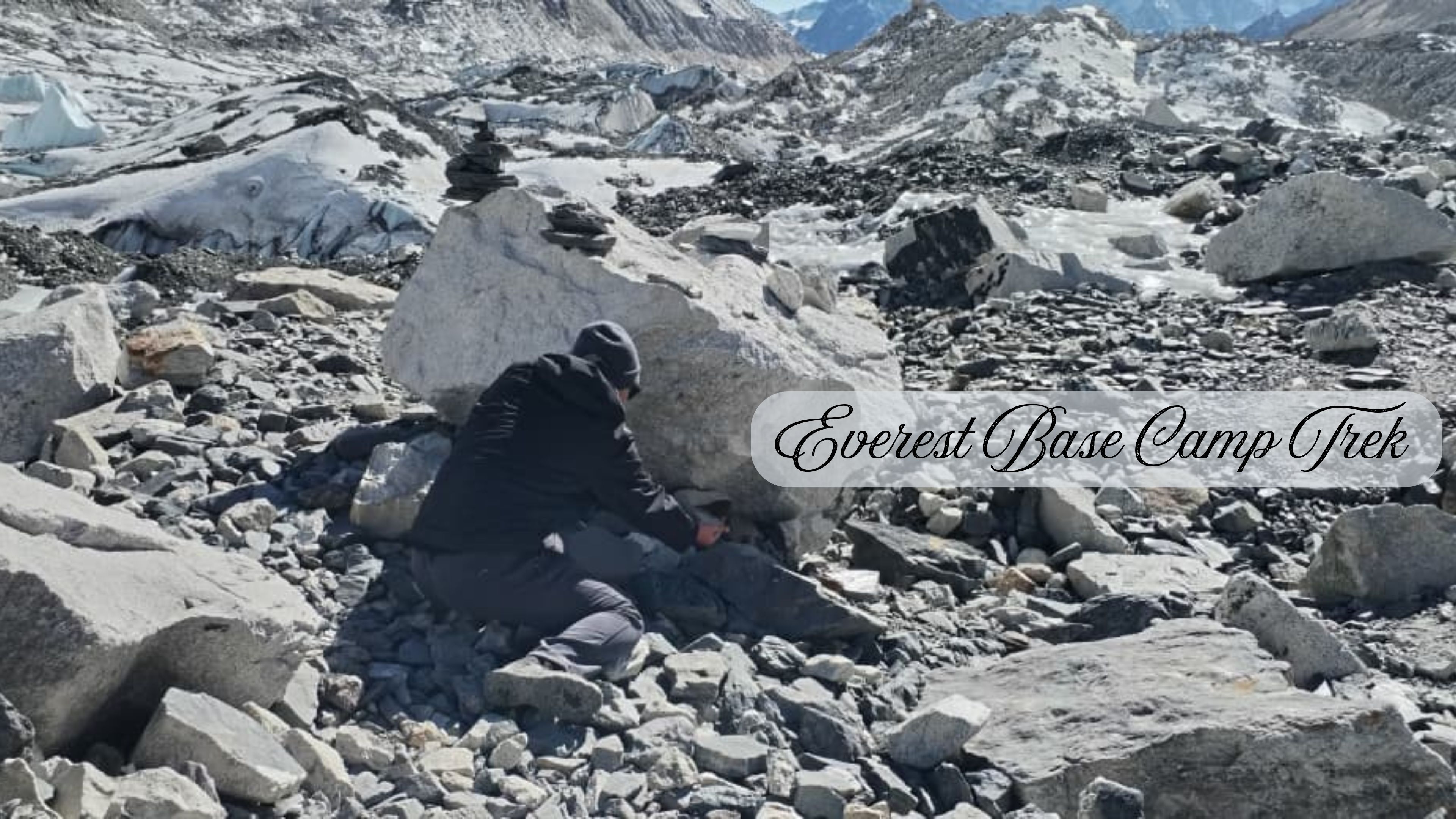
Booking the 9-day Everest Base Camp Luxury Trek with us offers the following benefits:

Stay in luxury lodges with cozy amenities, hot showers, and gourmet meals. Experienced, certified guides ensure a safe, enriching experience. Tailored itinerary and attention to individual needs for a premium trekking experience. Our team handles easy access to necessary permits and logistics. We take care of all details, so you can focus on enjoying the trek and breathtaking views.

I have ensured proper acclimatization with scheduled rest days for safe altitude adjustment. Optional helicopter return for a quick, luxurious descent after the trek.

What can you expect from the 10 Days Everest Base Camp Luxury Trek?

On the 10 Days Everest Base Camp Luxury Trek, you can expect the following:

  • Stay in premium lodges, which offer comfortable rooms, private bathrooms (in some places), hot showers, and Wi-Fi.
  • Breathtaking panoramic views of the world’s highest peaks, including Mount Everest, Lhotse, and Nuptse.
  • Highly skilled and experienced guides and porters who ensure safety, comfort, and knowledge throughout the trek.
  • Delicious meals prepared by professional chefs offering local and international cuisine.
  • A carefully designed itinerary with proper acclimatization days to ensure a safe and enjoyable journey, without feeling rushed.
  • Comfortable flights to and from Lukla and a smooth journey with minimal hassle.
  • Immersive experience in Sherpa culture, visiting monasteries, and interacting with the local communities in the Khumbu region.
  • A luxurious helicopter ride back from Gorakshep cuts down on the descent time and offers a spectacular aerial view of the region.
  • All logistics, permits, and arrangements are handled for you, leaving you to enjoy the trek without worrying about the details.

How do you prepare for 10 Days of the Everest Base Camp Luxury Trek?

To Prepare for the Everest Base Camp Luxury Trek:

Focus on cardio, strength, and hill training to build stamina and leg strength—hike on inclines and uneven terrain. Consult your doctor for a check-up, vaccinations, and advice on altitude sickness prevention. Get mentally ready for the challenges of high-altitude trekking, staying positive and resilient. Pack appropriate clothing, footwear, a lightweight backpack, and personal medications. Hydrate well, eat nutritious food, and follow the trek’s rest days for altitude adjustment. Ensure travel insurance, valid documents, and sufficient cash. Familiarize yourself with the itinerary and daily trek details.

This will set you up for a comfortable and enjoyable luxury trek to Everest Base Camp.

Cost of Everest Base Camp Luxury Trek

The cost of the Everest Base Camp Luxury Trek typically ranges from $4,000 to USD 6,000 per person, depending on the itinerary, services, and amenities included. This luxury trek is perfect for those who value premium experiences while exploring the breathtaking Everest region.

Who is Suitable for 10 Days Everest Base Camp Luxury Trek?

The 10-Day EBC Luxury Trek is perfect for anyone looking to combine the excitement of trekking in the Himalayas with the comforts of premium services, making it a highly accessible yet indulgent adventure.

Itinerary

Day-by-Day Luxury Itinerary

Trip PlanExpand all

Arrive at Tribhuvan International Airport. Private airport transfer to your 4-star hotel in Thamel. Afternoon pre-trek briefing at our Kathmandu office: gear check, itinerary walkthrough, permit verification, medical questionnaire review. Welcome dinner at a top Kathmandu restaurant featuring Nepali and continental cuisine. Accommodation: 4-star hotel, Thamel, Kathmandu. Private room, en-suite bathroom, hot shower, WiFi. Meals: Welcome dinner included.

Max Altitude: 1400 m Accommodation: Hotel

Early morning scenic flight to Tenzing-Hillary Airport, Lukla — one of the world's most dramatic airport landings. Meet your full trekking team: lead guide, assistant guide (for groups of 5+), porters, and kitchen support. Begin trekking through pine forests along the Dudh Koshi River valley to Phakding. Easy acclimatization day with a gentle descent. Trek: 3–4 hours, 8.5 km. Mostly downhill and flat. Accommodation: Yeti Mountain Home, Phakding. Private room, attached bathroom, hot shower, heated dining. Meals: Breakfast, lunch, dinner.

Max Altitude: 2610 m Meals: Breakfast,lunch,DinnerAccommodation: LodgeDuration: 35 minutes, 3-4 hoursDistance: 138, 8 km

Cross multiple suspension bridges including the famous Hillary Suspension Bridge. Enter Sagarmatha National Park at Monjo checkpoint (permit verification). Steady climb through forest trails to the Sherpa capital, Namche Bazaar. First views of Everest visible on clear days during the final ascent. Trek: 5–6 hours, 11 km. Significant uphill in the second half. Accommodation: Yeti Mountain Home or Everest Summit Lodge, Namche Bazaar. Private room, en-suite bathroom, hot shower, WiFi available, heated common area. Meals: Breakfast, lunch, dinner.

Max Altitude: 3440m Meals: Breakfast, lunch, DinnerAccommodation: hotel/lodgeDuration: 5-6 hrsDistance: 11km

Critical acclimatization day. Morning hike to Everest View Hotel viewpoint (3,880m) for panoramic views of Everest, Lhotse, Ama Dablam, and Thamserku. Visit the Sherpa Culture Museum and Namche Monastery. Afternoon free for exploring bakeries, shops, or simply resting. Oximeter checks morning and evening. Trek: 3–4 hours optional hike, returning to Namche. Accommodation: Same lodge, Namche Bazaar. Meals: Breakfast, lunch, dinner.

Max Altitude: 3440 m Meals: Breakfast,Lunch,dinnerAccommodation: LodgeDuration: 5-6 hoursDistance: 9 km

Contour trail with stunning views of Everest, Nuptse, and Ama Dablam. Descend to the Dudh Koshi River and cross to climb through rhododendron and cloud forest to Tengboche. Visit Tengboche Monastery — the largest in the Khumbu region. If timing aligns, attend the afternoon prayer ceremony. Trek: 5–6 hours, 10 km. Undulating with a final uphill push. Accommodation: Best available luxury lodge, Tengboche. Private room, shared or adjacent bathroom, heated dining. Meals: Breakfast, lunch, dinner.

Max Altitude: 3865 m Meals: Breakfast,Lunch,DinnerAccommodation: LodgeDuration: 5 hoursDistance: 9 km

Trek through Pangboche, one of the oldest Sherpa settlements in the Khumbu. The landscape transitions from forest to alpine scrub. Arrive in the wide Imja Valley at Dingboche, surrounded by towering peaks. Afternoon oximeter checks and acclimatization briefing. Trek: 5–6 hours, 11 km. Gradual uphill. Accommodation: Premium lodge, Dingboche. Private room, shared facilities, heated dining, charging available. Meals: Breakfast, lunch, dinner.

Max Altitude: 4420m Meals: breakfast, lunch, dinnerAccommodation: lodge/hotelDuration: 6 hoursDistance: 11k

Pass the Dughla Pass memorial cairns honoring fallen climbers. Terrain becomes rocky and barren. The Khumbu Glacier comes into view. Altitude effects become more noticeable — pace slows deliberately. Trek: 5–6 hours, 10 km. Steady ascent. Accommodation: Best available lodge, Lobuche. Private room where available, heated dining. Meals: Breakfast, lunch, dinner.

Max Altitude: 4420 m Meals: Breakfast,Lunch,DinnerAccommodation: LodgeDuration: 4-5 hoursDistance: 7-8 km

Morning trek to Gorak Shep, the last settlement. Drop bags at the lodge. Continue to Everest Base Camp (5,364m). Stand at the foot of the Khumbu Icefall. On climbing season days, the basecamp is alive with expedition tents. Celebration photos, prayer flag moment, and return to Gorak Shep before dark. Trek: 7–8 hours total, 13 km. Challenging altitude. Slow, deliberate pace. Accommodation: Best available lodge, Gorak Shep. Basic but the best available at this altitude. Heated dining. Meals: Breakfast, lunch, dinner.

Max Altitude: 4900 m Meals: Breakfast,Lunch,DinnerAccommodation: LodgeDuration: 7-8 hoursDistance: 10-12 km

Pre-dawn start (4:30 AM) for Kala Patthar — the premier Everest viewpoint. Watch sunrise illuminate Everest, Lhotse, Nuptse, and Makalu. Descend to Gorak Shep for breakfast.
Standard option: Long descent through Lobuche to Pheriche and onwards to Namche Bazaar. Approximately 7–8 hours trekking. Helicopter option (+$650): Fly from Gorak Shep or Lukla directly to Kathmandu. Aerial views of the entire Himalayan range. Arrive Kathmandu by midday.
Accommodation (standard): Luxury lodge, Namche Bazaar. Meals: Breakfast, lunch, dinner.

Max Altitude: 5168 m Meals: BreakfastDuration: 7 hourDistance: 15 km

Final morning trek from Namche Bazaar to Lukla. Afternoon flight to Kathmandu. Transfer to hotel. Farewell dinner with the team. Trek: 6–7 hours, 19 km. Mostly downhill. Accommodation: 4-star hotel, Kathmandu. Meals: Breakfast, lunch, farewell dinner.

Max Altitude: 1400 Meals: BF, dinnerAccommodation: HotelDuration: 2 hrsDistance: 150km
Unable to locate what you're seeking?Reach out to our travel experts.
Customize Trip
Cost Details
Includes
  • Airport transfers in Kathmandu (arrival and departure)
  • 2 nights 4-star hotel accommodation in Kathmandu (twin/double sharing)
  • Welcome dinner and farewell dinner in Kathmandu
  • Domestic flight Kathmandu–Lukla–Kathmandu (including airport tax)
  • All luxury lodge accommodations during the trek (8 nights, private rooms)
  • All meals during the trek: breakfast, lunch, and dinner (including tea/coffee with meals)
  • Experienced English-speaking certified lead trekking guide
  • Assistant guide for groups of 5+ trekkers
  • Porter service: 1 porter per 2 trekkers (15 kg per person)
  • Sagarmatha National Park entry permit
  • Khumbu Pasang Lhamu Rural Municipality entry fee
  • TIMS (Trekkers' Information Management System) card
  • Oximeter and basic medical kit carried by guide
  • Satellite phone for emergency communication
  • Sleeping bag (if required — comfort rated -20°C)
  • View Nepal Treks duffle bag and trek completion certificate
  • Pre-trek briefing and gear check at Kathmandu office
  • All government taxes and service charges
     
Excludes
  • International airfare to/from Kathmandu
  • Nepal visa fee ($50 for 30 days, obtainable on arrival)
  • Travel and rescue insurance (mandatory — must cover helicopter evacuation up to $100,000 and altitude up to 6,000m)
  • Personal expenses (bar bills, laundry, phone charges, extra snacks)
  • Tips for guide, porter, and hotel staff
  • Meals in Kathmandu beyond welcome and farewell dinners
  • Hot shower charges above Namche Bazaar ($3–5 where applicable)
  • WiFi charges at lodges ($2–5 where applicable)
  • Battery/device charging above Namche ($3–5 where applicable)
  • Personal trekking gear and clothing
  • Helicopter return upgrade (optional: $650 per person)
  • Any costs arising from itinerary changes due to weather, natural disaster, or political disruption
Add-ons & Options

Extra porter : We are providing a porter sharing by 2 clients, if you want to take your oun private porter cost you $265 Usd per porter who can carry maximum 20 kg, 

Single room : If you want to take single room entire your trip it will cost you $650 Usd as single supplimentary cost.

Essential Information

Hidden Cost Transparency

We believe in complete pricing honesty. Here are costs many operators do not disclose upfront:

On-Trail Incidentals (Budget $100–150 total):

  • Hot shower above 4,000m: $3–5 per shower
  • Device charging above Namche: $3–5 per charge
  • WiFi at lodges: $2–5 per day
  • Bottled water/purification tablets: $2–4 per liter (we recommend purification tablets, included in medical kit)
  • Extra snacks/chocolate bars at lodge shops: $2–5 each
  • Alcoholic beverages at lodges: $5–10 per drin

Pre-Trip Costs (Budget $200–400):

  • Nepal visa: $50 (30-day, on arrival)
  • Travel and evacuation insurance: $80–200 depending on provider and country
  • Vaccinations (if needed): varies by home country
  • Trekking gear (if purchasing new): $200–800 depending on existing wardrobe

Tips (Budget $200–350 per trekker):

  • Lead guide: $150–250 per trek
  • Assistant guide: $100–150 per trek
  • Porter: $50–80 per trek per porter

Total realistic additional budget: $500–900 per person beyond the package price.

We publish this because we never want a client to feel surprised. If you have $3,250 for the package plus approximately $700 for extras, you are fully covered for every scenario.

Luxury Trek vs. Standard Tea House Trek vs. Camping Trek

Feature

Luxury Trek (This Package)

Standard Tea House Trek

Camping Trek

Price range (10 days)

$3,250–$4,950

$1,200–$1,800

$2,500–$3,500

Accommodation

Premium lodges, private rooms

Shared tea house rooms

Tents

Bathroom

Private/adjacent at lower altitudes

Shared (sometimes outdoor)

Portable toilet tent

Hot shower

Yes (most stops)

Inconsistent

Solar/heated water

Meals

Gourmet menu, dietary options

Standard lodge menu

Camp cook prepared

Guide ratio

1:4 maximum

1:8–12 typical

1:4–6 typical

Group size

Max 8

Up to 16

Up to 12

Altitude monitoring

Twice daily oximeter + satellite phone

Basic guide assessment

Guide assessment

Heating

Heated dining + warm rooms

Dining area stove only

None

Comfort level

High (below 4,500m), moderate (above)

Basic

Rustic

Spring vs. Autumn Trekking Season Comparison


Factor

Spring (Mar–May)

Autumn (Sep–Nov)

Weather

Warmer, occasional afternoon cloud

Clearest skies, cold mornings

Visibility

Good, best in early morning

Excellent, consistently clear

Flora

Rhododendron blooms (spectacular)

Brown/golden vegetation

Trail traffic

Moderate

Peak season, busiest

Temperature (Base Camp)

-5°C to -15°C night

-10°C to -20°C night

Flight reliability (Lukla)

Good, occasional delays

Very good

Recommended for

Flower photography, warmer nights

Best views, clearest photography

 Safety & Emergency Protocol

Altitude Sickness Prevention

Acute Mountain Sickness (AMS) is the primary health risk on the Everest Base Camp trek. Our protocol is aggressive and conservative:

Our itinerary follows the "climb high, sleep low" principle. The acclimatization day at Namche Bazaar is non-negotiable — it is never skipped or shortened. Twice-daily pulse oximetry monitoring begins from Namche Bazaar. Any trekker showing SpO2 below 80% at rest or exhibiting symptoms of High Altitude Cerebral Edema (HACE) or High Altitude Pulmonary Edema (HAPE) triggers immediate descent protocol. We carry Diamox (Acetazolamide), Dexamethasone, and Nifedipine in the medical kit. Gamow bag (portable altitude chamber) is carried above Tengboche.

Emergency Evacuation

Helicopter evacuation from any point on the trail can be arranged within 2–4 hours during daylight via satellite phone. Our guide has direct contact numbers for Fishtail Air and Simrik Air rescue helicopters. Evacuation is coordinated with your travel insurance provider for cashless or reimbursable service. Nearest hospital facility: Khunde Hospital (supported by the Himalayan Trust) in the Khumbu region, and CIWEC Hospital in Kathmandu for comprehensive care.

Mandatory Insurance Requirement

All trekkers must carry travel insurance covering helicopter evacuation up to $100,000 and activity coverage to 6,000m altitude. We verify your insurance documentation during the pre-trek briefing in Kathmandu. We can recommend providers for US, UK, Australian, and Canadian travelers upon booking confirmation.

Guide Medical Training

All lead guides hold Wilderness First Responder (WFR) certification and have completed the Himalayan Rescue Association altitude medicine course. Guides are recertified every two years.

Permit Handling

All permits are included in your package price and arranged by View Nepal Treks before your arrival.

Permits Included:

Permit

Cost (included)

Processing

Sagarmatha National Park Entry Permit

$30 USD

Pre-arranged in Kathmandu

Khumbu Pasang Lhamu Rural Municipality Fee

$34 USD

Pre-arranged in Kathmandu

TIMS Card

$20 USD

Pre-arranged in Kathmandu


What You Need to Provide:

  • Scanned color passport copy (minimum 6 months validity from trek date)
  • 2 passport-size photos (digital copies accepted)
  • Travel insurance policy document
  • Emergency contact details

We handle all permit paperwork. You simply bring your passport to the pre-trek briefing.

Nepal Visa: Obtained on arrival at Tribhuvan International Airport. 30-day tourist visa costs $50 USD. Bring passport photos and exact cash (USD accepted). Citizens of all primary and secondary target countries qualify for on-arrival visa.

Best Time to Trek to Everest Base Camp

Peak Seasons:

Autumn (September 15 – November 30): The most popular season and for good reason. Post-monsoon air is crystalline. Mountain views are at their absolute clearest. Daytime temperatures are comfortable for trekking. Nights are cold but manageable with proper gear. Expect more trekkers on the trail and book lodges early.

Spring (March 15 – May 31): Warmer temperatures than autumn. Rhododendron forests explode in red, pink, and white blooms below Tengboche. Afternoon clouds can roll in but mornings are generally clear. Less crowded than autumn. Lukla flights slightly less reliable in late May as pre-monsoon weather builds.

Shoulder Seasons:

Early March and Early December: Possible for experienced trekkers comfortable with colder temperatures. Trails are quiet. Lodges may operate limited services above Tengboche. We offer 10–15% discount during these windows.

Winter (December 16 – February):

Possible but demanding. Temperatures at Gorak Shep can drop below -25°C at night. Some lodges above Dingboche close. Available only for experienced cold-weather trekkers by special arrangement with 15% discount.

Monsoon (June – Early September):

Not recommended. Heavy rainfall, leeches on lower trails, obscured mountain views, and elevated landslide risk.

Preparation Guide

Physical Fitness

The Everest Base Camp luxury trek does not require mountaineering skills, but it demands cardiovascular fitness and mental resilience. You will walk 5–8 hours per day across 10 days, ascending from 2,860m to 5,545m.

8-Week Pre-Trek Training Outline:

Weeks 1–2: Build base fitness. Walk/hike 60 minutes, 4 times per week on varied terrain. Include hill walking or stair climbing. Begin core strengthening exercises.
Weeks 3–4: Increase duration. Weekend hikes of 3–4 hours with a 6–8 kg daypack. Add interval training (hill sprints or cycling) twice weekly.
Weeks 5–6: Simulate trek conditions. Back-to-back hiking days on weekends (5+ hours each day with daypack). Introduce step-ups and lunges for descent conditioning.
Weeks 7–8: Peak preparation. One long hike per week (6+ hours). Focus on steady-state cardio. Reduce intensity in final 5 days before departure.

Medical Preparation:

Consult your physician 6–8 weeks before departure. Recommended vaccinations: Hepatitis A & B, Typhoid, Tetanus booster. Discuss Diamox (Acetazolamide) prophylaxis with your doctor — many trekkers begin 125mg twice daily starting 24 hours before reaching 3,000m. Bring personal medications in original packaging with a doctor's letter.

Packing Essentials (Luxury Trek Specific):

Your porter carries your main bag (max 15 kg). You carry a daypack (5–7 kg) with daily essentials.

Critical items: Broken-in trekking boots (waterproof, ankle support), thermal base layers, insulated down jacket, waterproof shell jacket, fleece mid-layer, trekking pants, warm hat, sun hat, gloves (liner + insulated), UV-protective sunglasses, high-SPF sunscreen, headlamp, reusable water bottle, water purification tablets, personal medications, quick-dry towel.

Luxury trek note: Lodges provide warm blankets and duvets. Sleeping bag is provided by us as backup for above 4,500m. You do not need to carry cooking equipment or extensive camping gear.

Cultural Insight — Sherpa Heritage & Khumbu Traditions

The Everest region is not just a trekking destination. It is the homeland of the Sherpa people, a Tibetan-origin community whose culture, spirituality, and resilience are woven into every mile of the trail.

At Tengboche Monastery, the spiritual heart of the Khumbu, monks perform daily rituals that have continued unbroken for generations. The monastery, rebuilt after an earthquake and a fire, represents Sherpa tenacity. If your timing coincides with the Mani Rimdu festival (autumn), you witness masked dances and ceremonies that draw Sherpa from across the region.

Prayer wheels line the trails. Mani stones carved with Buddhist mantras mark the path. Trekking etiquette asks you to pass these on the left, keeping the sacred object to your right — a small gesture of respect our guides will teach you.

In Namche Bazaar, the Sherpa Culture Museum offers context. You learn about the transition from a yak-herding and trading society to one intertwined with mountaineering history. Your guide — many of whom are Sherpa born in the Khumbu — shares personal stories and family connections that no guidebook can provide.

Our luxury treks include cultural interaction as a feature. Monastery visit at Tengboche. A walk through Sherpa village life in Pangboche. Conversations with lodge owners who are often second or third-generation Khumbu hospitality families.

Food & Accommodation Expectations

Food on the Trail

Luxury lodges serve a curated menu significantly beyond the standard tea house fare. Expect fresh bread baked in-house at Yeti Mountain Home. Grilled meats, fresh vegetables (carried up by porter), pasta, pizza, soups, and Nepali specialties. Dietary accommodations for vegetarian, vegan, gluten-free, and lactose-intolerant trekkers are available with advance notice.

Above 4,500m, menus simplify as supply logistics become harder. At Lobuche and Gorak Shep, expect hearty dal bhat, noodle soups, fried rice, pancakes, and hot drinks. Portions are generous. Our guides ensure kitchen staff prioritize food hygiene.

Drinking water: We recommend purification tablets or a SteriPen (both ultralight). Bottled water is available but expensive and creates plastic waste at altitude. Boiled water is available at all lodges for a small charge.

Alcohol:

Available at lodges up to Dingboche. We advise minimal consumption above 3,500m as it impairs acclimatization and hydration. Beer and local spirits are available; imported spirits less so.

Difficulties of 10  Days Everest Base Camp Luxury Trek

The 10-Day Everest Base Camp luxury trek offers enhanced comfort but still presents significant challenges due to the nature of high-altitude trekking. The condensed itinerary increases the risk of altitude sickness due to limited acclimatization time. Symptoms like headaches, nausea, or fatigue can arise. Long trekking days require good endurance and fitness. The rugged trails with steep ascents and descents demand careful footing and stamina.

Sudden weather changes can bring cold, strong winds, or snow, especially at higher altitudes like Gorakshep and Base Camp.

Night temperatures can drop significantly, even in luxury lodges. Gorakshep and Base Camp are remote, making immediate medical assistance or evacuation reliant on helicopters. Delayed flights or helicopter rides due to weather can disrupt plans.

While luxury lodges offer comfort, facilities (like Wi-Fi, hot water, and heating) may still depend on weather and location. Luxury doesn’t reduce the physical and environmental challenges of the trek itself. Proper preparation, fitness training, and pacing yourself are key to overcoming these difficulties and enjoying the trek.

Requirement of Travel insurance for 10 Days Everest Base Camp Luxury Trek

Travel insurance is highly recommended and often mandatory for a 10-day Everest Base Camp luxury trek, even if the trek includes premium accommodations and services. The trek involves altitudes exceeding 5,000m, with a risk of altitude sickness or medical emergencies requiring evacuation. In case of severe illness, injury, or altitude sickness, helicopter rescue may be necessary, which can cost thousands of dollars. Weather-related disruptions can delay flights to and from Lukla or require rerouting, incurring additional costs.

Ensure the policy covers trekking up to 6,000 meters. Helicopter rescue costs and immediate medical assistance should be included. Covers flight cancellations or delays, especially at Lukla. Protection against loss or theft. For treatment of injuries or illnesses during the trek.

Keep a copy of your insurance policy with you and share the details with your guide or with us to ensure quick assistance if needed. Confirm the policy’s terms with your provider to ensure it suits the requirements of the Everest region.

Altitude Sickness and Remedies during 10 Days Trek to Everest Base Camp Luxury Trek

During the 9-day Everest Base Camp luxury trek, altitude sickness (AMS) can occur due to rapid ascent. Symptoms include headaches, nausea, fatigue, and dizziness. To prevent and treat AMS:

Prevention:

  • Gradual Ascent: Follow the itinerary with acclimatization days.
  • Hydration: Drink 3-4 liters of water daily.
  • Rest: Take breaks and avoid overexertion.
  • Avoid Alcohol: Stay away from alcohol and smoking.

Remedies:

  • Descend: If symptoms appear, descend 300-500m immediately.
  • Oxygen: Use supplemental oxygen if available.
  • Diamox: Consult a doctor for Diamox (Acetazolamide) to prevent AMS.
  • Rest and Stay Warm: Ensure adequate rest and warmth.

In severe cases, helicopter evacuation may be necessary.

Everest Base Camp 10 days Luxury Trek Packing List, Equipment, Gears

For a 9-day Everest Base Camp luxury trek, you’ll need to pack wisely to balance comfort, safety, and high-altitude conditions. While the trek involves staying in luxury lodges, the altitude and terrain still require appropriate gear. Here’s a recommended packing list:

  • Moisture-wicking shirts (short and long sleeves).
  • Thermal leggings or long underwear for warmth.
  • Fleece jacket or pullover.
  • Insulated jacket (down or synthetic) for cold evenings.
  • Waterproof, windproof jacket
  • Waterproof pants.
  • Lightweight, breathable, and quick-drying pants.
  • Sturdy, waterproof, and broken-in trekking boots.
  • Lightweight shoes for around the lodge (e.g., flip-flops or sneakers).
  • Insulated hat and gloves for the cold at higher altitudes.
  • Thin gloves for trekking.
  • Hat/cap for sun protection.
  • Sunglasses with UV protection (preferably with side shields).

Gear & Equipment

  • 30-40L daypack for carrying essentials.
  • Duffel bag (can be left at lodges for gear storage).
  • Lightweight but warm sleeping bag rated for -10°C to -15°C (14°F to 5°F).
  • Adjustable poles for added stability on rough trails.
  • 2-3L capacity (consider a hydration bladder or reusable bottles).
  • Water purification tablets or filters.
  • Headlamp Rechargeable or with extra batteries.
  • Power Bank For charging devices in lodges with limited electricity.
  • First Aid Kit, Includes basic medications, bandages, antiseptic wipes, and personal prescriptions.

Accessories

  • High SPF sunscreen for high-altitude protection.
  • Lip balm with SPF.
  • Wet wipes, hand sanitizer, biodegradable soap, and toilet paper.
  • Camera, extra memory cards, and portable charger.
  • High-energy snacks for breaks, such as nuts, granola bars, or chocolate.
  • Travel Insurance, Ensure your insurance covers high-altitude trekking and emergency evacuation.

Optional Items

  • Gaiters For protection against dust, mud, or snow in some areas.
  • Buff or Neck Gaiter, For warmth and sun protection.
  • Comfortable shoes for lounging after long days.

Safety and Satisfaction for 10 Days Everest Base Camp Luxury Trek

The Everest Base Camp Itinerary is a fully guided 9-day Luxury trek. You will be accompanied by a knowledgeable, kind, and experienced local guide. We work with qualified guides who are fully insured and have had comprehensive training from the Nepalese government. For safety reasons, our guides will bring all required equipment as well as a first-aid kit with them on the trip. If you have any medical supplies, please bring them along.

If any of our group members become ill owing to altitude sickness or other unforeseen circumstances, we will dispatch a rescue helicopter to repatriate our customers. In this case, we might have to file a claim with your travel insurance to cover the costs of Your rescue, therefore make sure you have adequate travel insurance that includes medical evacuation and an emergency rescue helicopter up to 600 meters.

10 Days Everest Base Camp Luxury Trek Booking Procedure

Select us as we have experience in luxury treks. Contact us for availability, pricing, and trek details, including accommodations, flights, and permits. Choose your dates and pay a deposit (20-30%) to secure your booking. Provide necessary documents like passport copies and insurance details. Complete payment before the trek, confirming all services are included (e.g., flights, lodging, meals). Review the itinerary, and the packing list, and meet your guide upon arrival in Kathmandu. Once everything is confirmed, you're set to embark on your luxury trek to Everest Base Camp.

Lukla Flights and Weather Conditions: 10 Days Everest Base Camp Luxury Trek

Lukla Flights:

Flights to Lukla from Kathmandu are essential for the Everest Base Camp trek. They are typically short (about 30 minutes) and land at Tenzing-Hillary Airport, one of the world’s most challenging airports due to its short runway and high-altitude location. Morning flights are preferred for better weather conditions, as the visibility and winds are often calmer. Flights may be delayed or canceled due to weather.

Weather Conditions:

  • Winter (Dec-Feb): Cold, with snow and frequent flight cancellations.
  • Spring (Mar-May): Ideal trekking weather, with clear skies and moderate temperatures.
  • Monsoon (Jun-Aug): Rainy season; flights may be canceled, and trails can be muddy.
  • Autumn (Sept-Nov): Great weather for trekking with clear skies, dry conditions, and minimal flight delays.

Similar Treks offered by View Nepal Treks and Expedition

  • Everest Base Camp Trek
  • Everest View Trek
  • Gokyo Lakes Trek
  • Three Passes Trek
  • Everest High Passes Trek

 Booking Process For Everest Base Camp Luxury Trek 10 Days

Step 1: Inquiry & Consultation Contact us via email, WhatsApp, or the website booking form. Receive a detailed trip dossier, personalized quotation, and answers to all your questions within 12 hours.
Step 2: Confirm Booking Pay the $500 per person deposit via your preferred payment method. Receive instant booking confirmation with your departure date secured.
Step 3: Pre-Trip Preparation Receive our comprehensive preparation guide: training plan, packing list, insurance recommendations by country, visa instructions, and medical checklist. Our team is available for questions throughout your preparation period.
Step 4: Documentation Submit passport copy, insurance document, emergency contacts, and dietary/medical requirements at least 30 days before departure. We handle all permits.
Step 5: Arrival & Briefing Arrive in Kathmandu. Private airport pickup. Attend the afternoon pre-trek briefing at our office. Meet your guide. Final gear check. Welcome dinner.
Step 6: Trek & Return 10 days of expertly managed trekking. Post-trek transfer and farewell dinner. Departure transfer to airport.

Start Your Booking   —- Contact Us Now →

Cancellation & Refund Policy

Cancellation Timing

Refund Amount

More than 60 days before departure

Full refund minus $500 deposit

30–60 days before departure

50% refund of total paid

15–29 days before departure

25% refund of total paid

Less than 15 days before departure

No refund

No-show

No refund

Special Circumstances:

Cancellation by View Nepal Treks: If we cancel a departure due to insufficient group size, safety concerns, or force majeure, you receive a full 100% refund including deposit, or free transfer to the next available departure date.

Altitude-related withdrawal: If you cannot continue due to altitude sickness during the trek, the guide will arrange safe descent and evacuation (covered by your insurance). No partial refund is provided for unused trek days, as fixed costs (lodge bookings, permits, flights, staff) are pre-committed. We strongly recommend "Cancel for Any Reason" (CFAR) travel insurance to cover this scenario.

Lukla flight delay: If weather delays the Lukla flight, we arrange alternative logistics (helicopter, road to Phaplu + trek) at no additional cost for up to 2 days. Beyond 2 days, we offer itinerary restructuring or partial refund for services not rendered.

Date transfer: Bookings can be transferred to another departure date free of charge up to 60 days before the original date, subject to availability. Within 60 days, a $200 administrative fee applies.


FAQs

Essential items include warm clothing, sleeping bags, trekking boots, first aid kit, water purification tablets, sunglasses, sunblock, and cash.

Yes, there is a packing limit for flights to Lukla during the 10-day Everest Base Camp luxury trek. Typically, you are allowed 15 kg (33 lbs) of checked luggage and 5 kg (11 lbs) for hand luggage.: Any additional weight may incur extra charges or require you to send luggage via a different means, such as a porter or on a later flight. It’s important to pack light and efficiently, as trekking gear and essentials for the trek should fit within the weight limit.

Yes, there are charging facilities available during the 9-day Everest Base Camp luxury trek, but with some considerations: Most luxury lodges provide charging facilities, often in your room or common areas. In places like Gorakshep, charging may be limited to common areas and comes with an additional fee due to limited electricity.

Bring a power bank (10,000-20,000mAh) to charge devices on the go. Carry a universal adapter and multiple USB ports for efficient charging. Limit device usage to conserve battery life, especially at higher altitudes. While charging is generally available, it’s wise to be prepared for occasional limitations

Yes, it's possible to trek alone to Everest Base Camp in 10 days, but it comes with risks: Minimal acclimatization increases AMS risks. Requires excellent fitness for long daily treks (6–10 hours). Solo trekking can be isolating and risky in emergencies. A fast-paced itinerary can work if you're fit, acclimatized, and trekking in peak seasons. However, hiring a guide is safer for navigation and support.

The ideal seasons to visit Everest Base Camp in 10 days are:

  • Spring (March-May): Clear skies, blooming rhododendrons, and stable weather.
  • Autumn (September–November): Crisp air, stunning views, and mild temperatures.

These seasons ensure safer conditions for a fast-paced trek

Yes, there is internet access during the Everest Base Camp trek:

  • Wi-Fi: Available in most Lodge for a fee (higher cost at higher altitudes).
  • Mobile Data: Ncell and NTC SIM cards offer coverage in many areas, but signals can be weak or spotty.

For reliable connectivity, consider buying a prepaid Everest Link card.

You can leave it at our office or keep it at your hotel (the majority of Kathmandu hotels have storage areas).

Focus on cardio, strength, and endurance (hiking with a backpack). Plan rest days and train at high altitudes if possible. Pack quality trekking boots, layers, and essentials for cold and varying weather. Obtain Sagarmatha National Park and Khumbu Municipality permits. Prepare for long hours trekking, basic to Luxury accommodations, and altitude challenges

To prevent altitude sickness during the 9-day Everest Base Camp trek:

  • Gradual Ascent: Increase altitude slowly with rest days for acclimatization.
  • Stay Hydrated: Drink plenty of water (3–4 liters per day) to avoid dehydration.
  • Eat Well: Consume high-carb foods for energy.
  • Avoid Alcohol: It dehydrates and increases AMS risk.
  • Listen to Your Body: If symptoms like dizziness, nausea, or headaches occur, descend immediately and rest.
  • Medications: Carry Diamox (acetazolamide) as a preventative (consult your doctor).
  • Take rest days to allow your body to adjust to the altitude.

Yes, you can eat vegetarian food during the 9-day Everest Base Camp trek. Most Lodges offer a variety of vegetarian options, including rice, lentils, noodles, soups, and vegetables. However, food quality may vary, so it's good to carry some snacks for variety and energy.

Call to our expert 24/7
Bhupendra Adhikari
+977 9851029611
travelers choice
You May Also Like
Everest Base Camp Trek
Starting From
US$1180US$1500
Everest View Trek 5 Days from $895 USD | Book Now with 5% Discount
Everest View Trek
Starting From
US$950US$1050
Everest Helicopter Tour
Starting From
US$1250
Need Help? Call Us.+977 9851029611