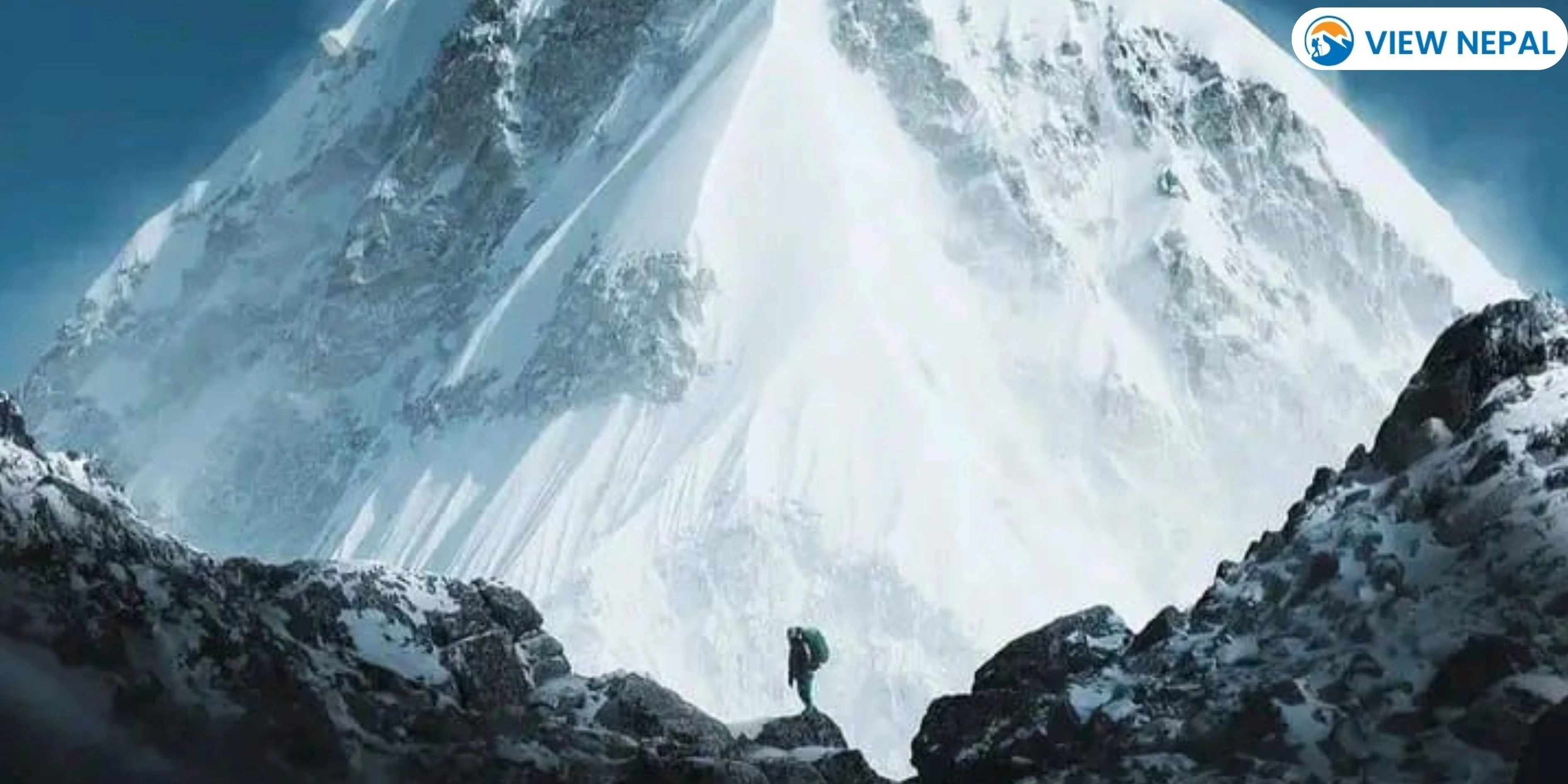
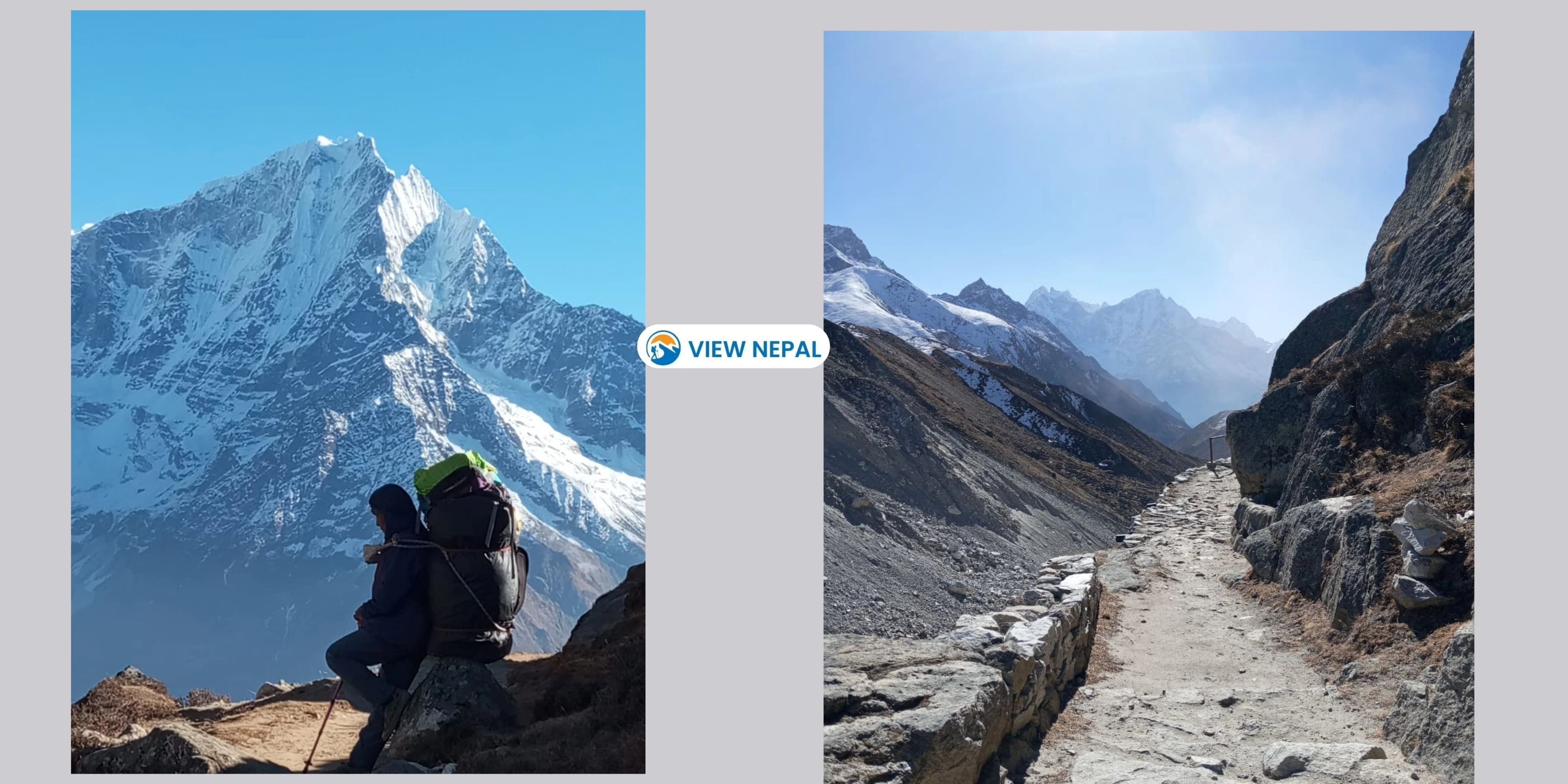
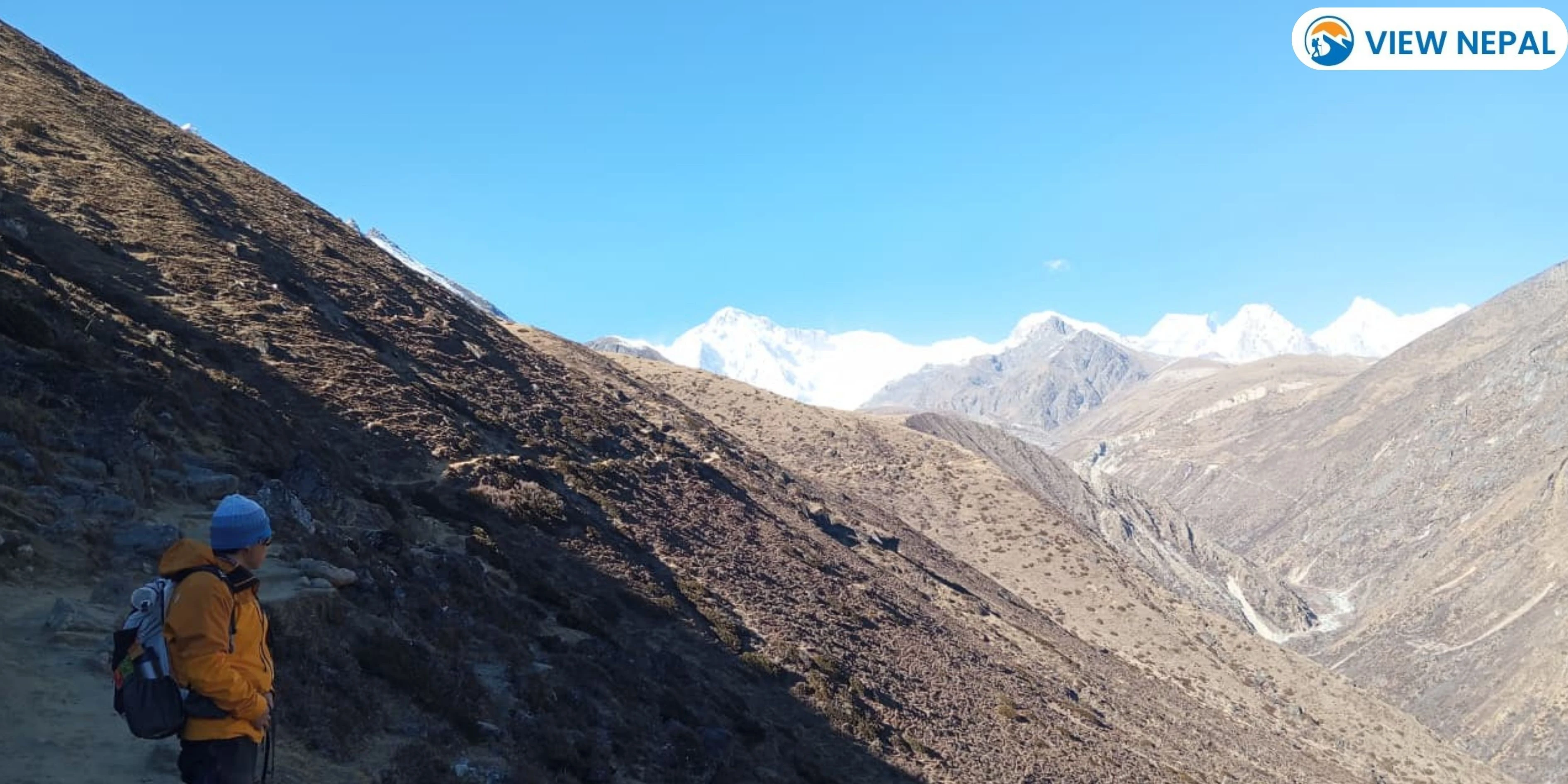
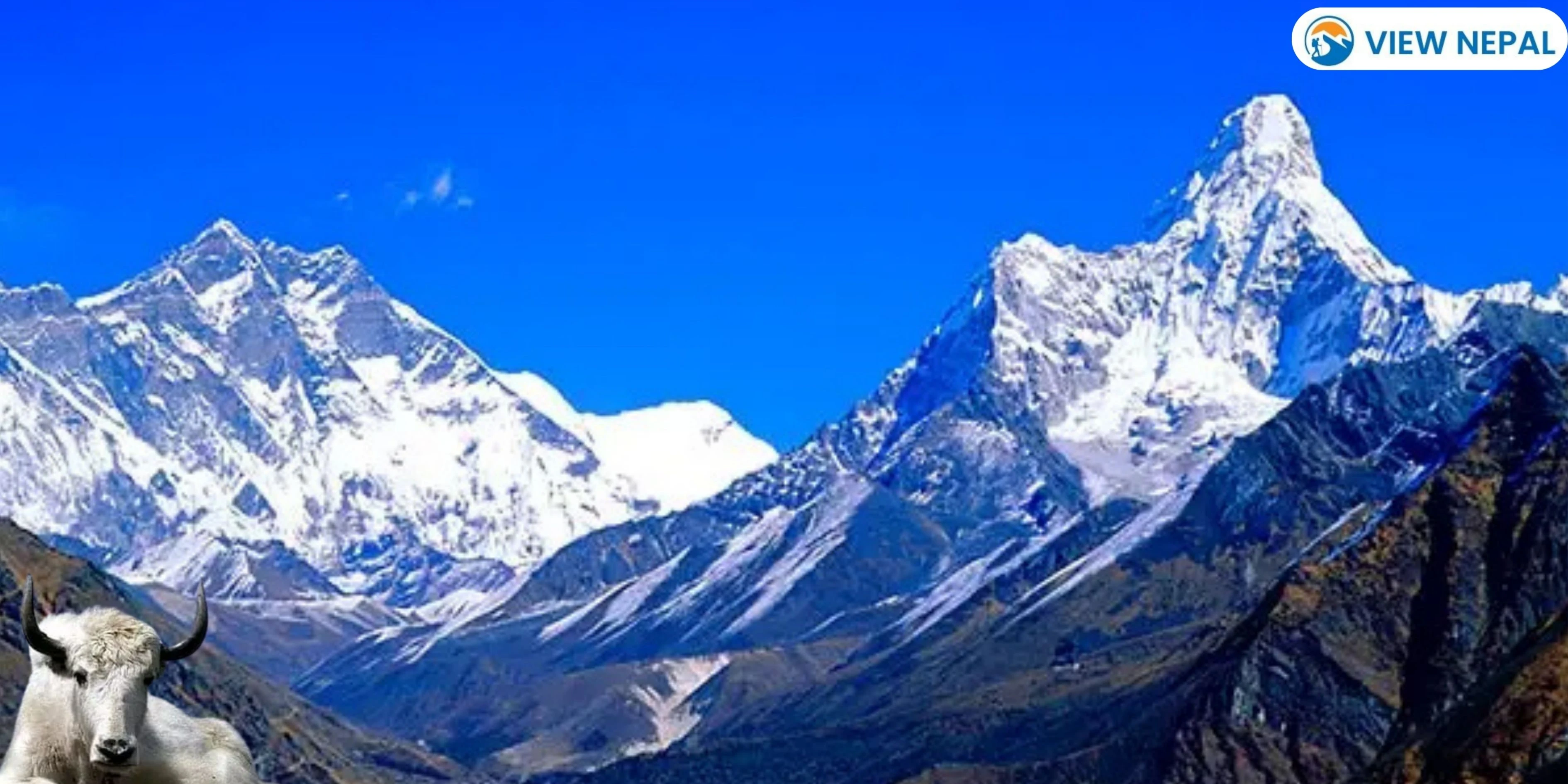
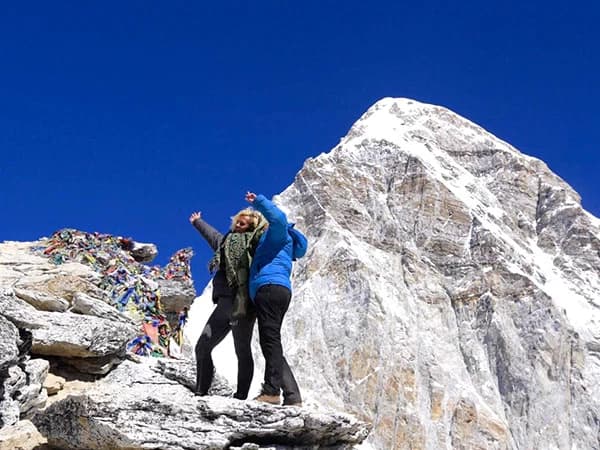
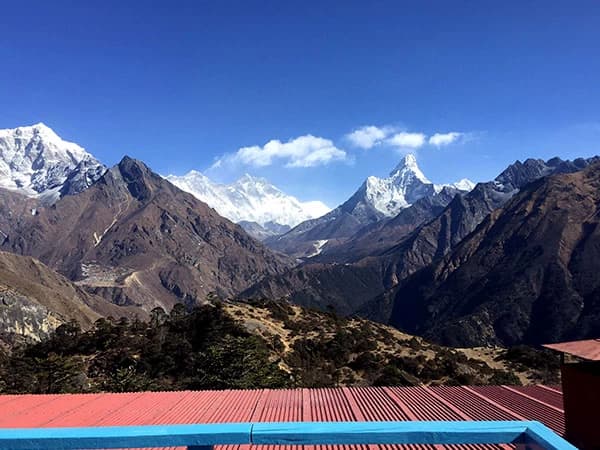
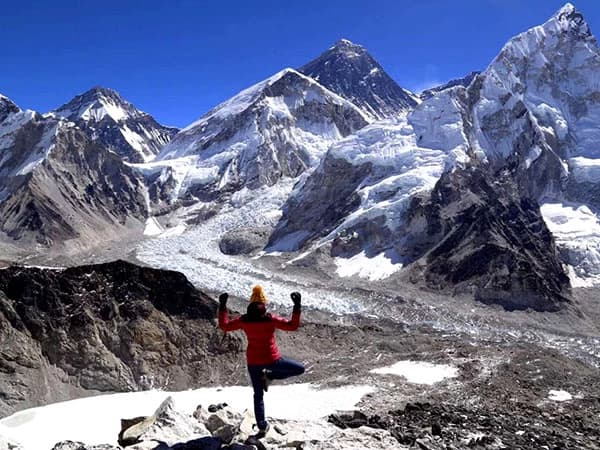
Everest Three Passes Trek stand where few dare to venture. Cross three of the highest trekking passes in the world, walk beneath the towering face of Everest , and witness the Himalayas from angles most trekkers never see.
Ready to challenge yourself on the ultimate Everest circuit? Our team has been leading trekkers across these legendary passes for over 20 years. Let's make this happen together.
Book Your Trek Today – Limited group departures available throughout the season.
Everest Three Passes Trek Overview:
Everest Three Passes Trek is not your average journey to base camp. This is the complete Khumbu experience, a 19 days expedition that combines three high altitude passes ( Kongma La, Cho La, and Renjo La) with visits toEverest Base Camp, the shimmering Gokyo Lakes, and the sunrise spectacle from Kala Patthar.
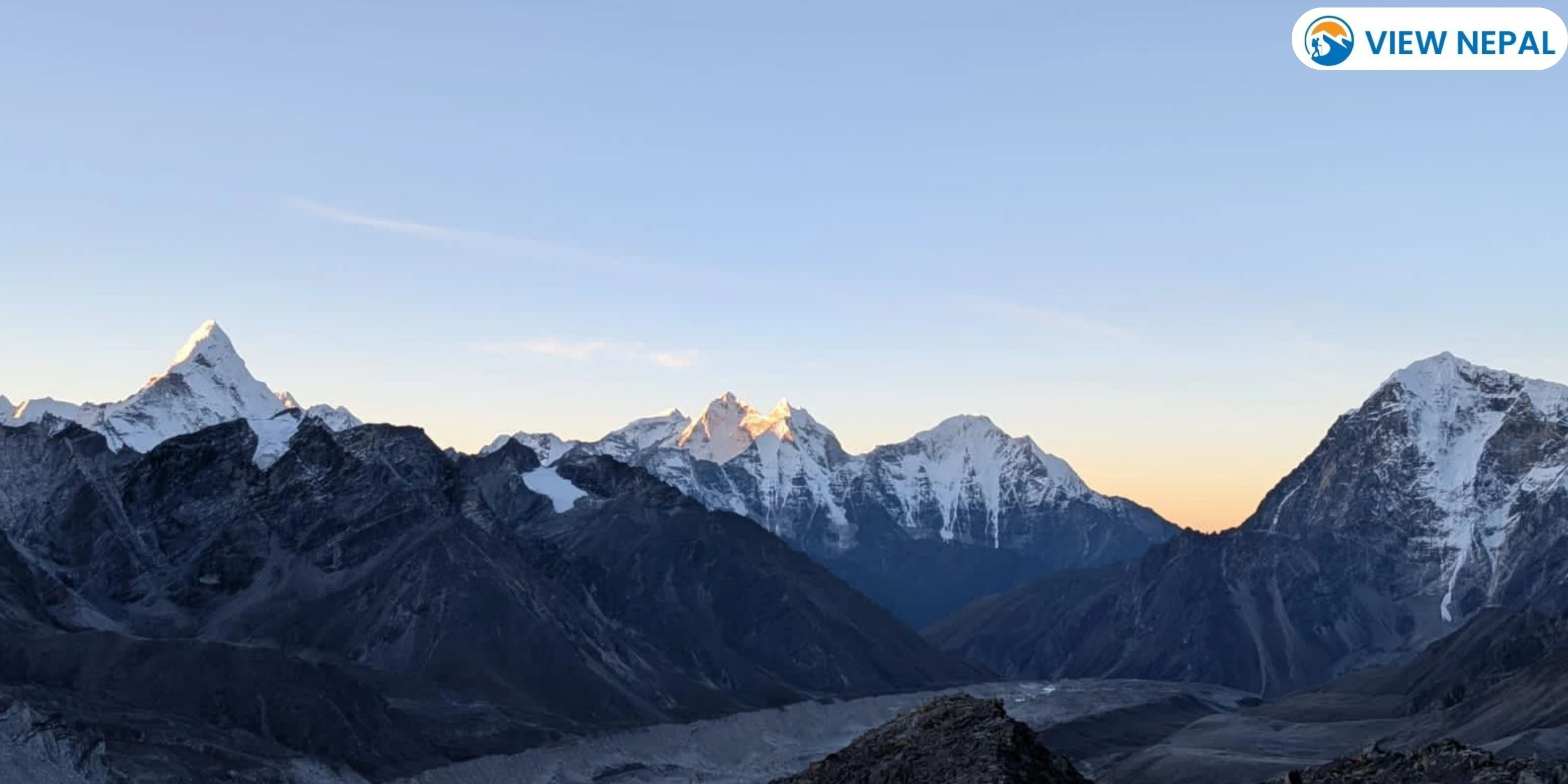
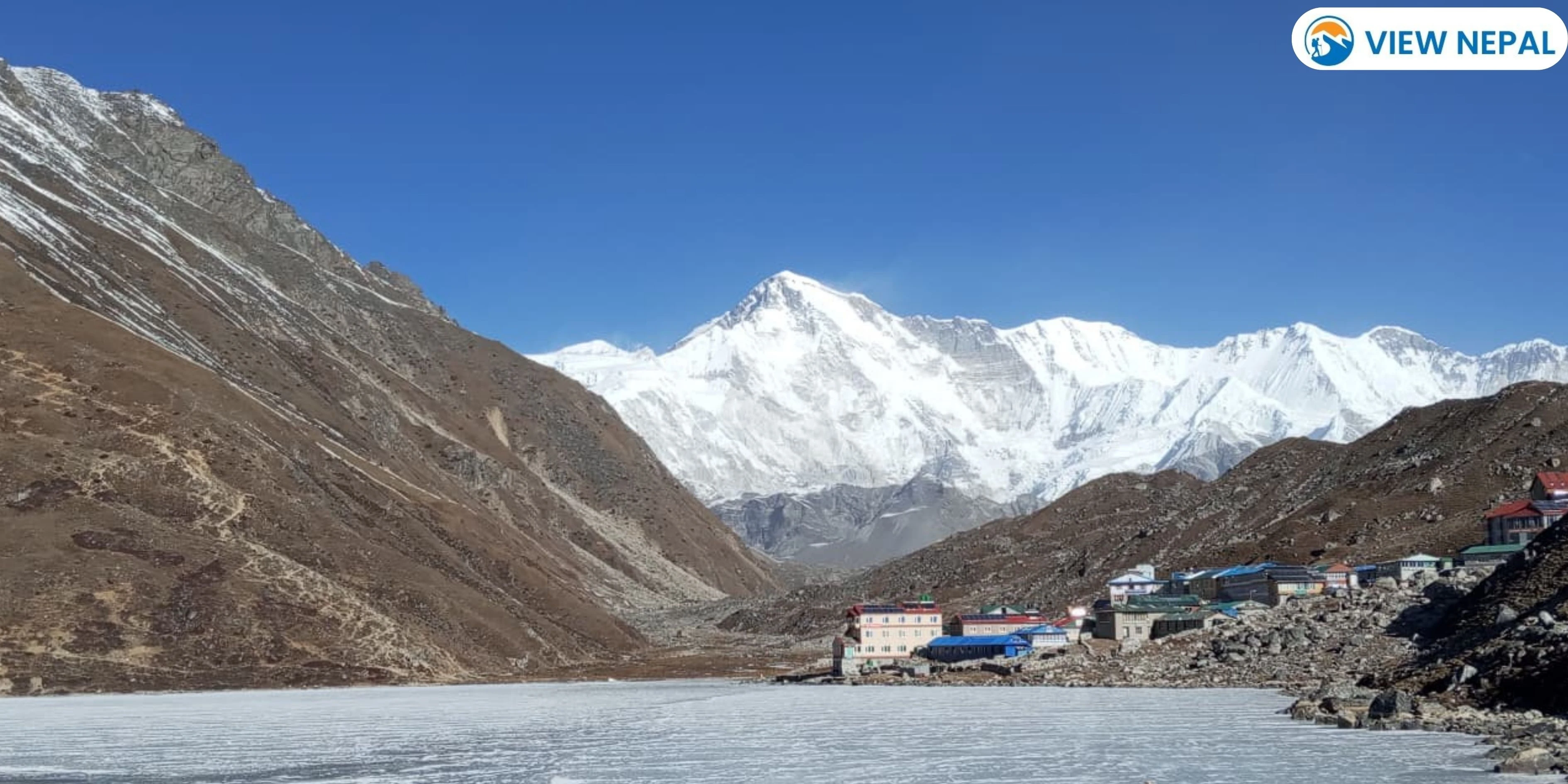
We designed this itinerary for trekkers who want more than just the standard route. You'll walk through Sherpa villages that still hold onto their ancient traditions, cross moraines beneath hanging glaciers, and stand on windswept ridges where prayer flags snap in the thin air. Each pass offers something different. Kongma La tests your endurance with a glacier crossing. Cho La rewards you with dramatic views of Cholatse and Ama Dablam. Renjo La gives you the kind of panoramic vista that makes your heart skip, looking down on the turquoise Gokyo Lakes with Everest rising in the distance.
Everest Three Passes Trek trek covers roughly 160 kilometers of trail, gaining and losing thousands of meters in elevation. You'll spend nights in traditional tea houses run by Sherpa families, eat dal bhat that fuels your legs for the next day's climb, and share stories with fellow trekkers from around the world. Our guides know every stone on this route. They've crossed these passes in snow, wind, and perfect bluebird weather. They'll keep you safe, keep you moving at the right pace, and make sure you actually enjoy what can be a tough journey.
We've spent years refining these 19 days itinerary Everest Three Passes Trek. It includes proper acclimatization days, flexible scheduling for weather, and realistic daily distances. This isn't a race. It's an adventure that respects both the mountains and your body's need to adapt to altitude. From the moment you land in Lukla to your final night celebrating in Kathmandu, we've thought through every detail so you can focus on the experience.
Why Everest Three Passes Trek Is Special ?
Most people who trek in the Everest region follow the well-worn path to base camp and back. That's a beautiful trek, don't get me wrong, but it's also just one corridor through a massive wilderness. The Everest Three Passes Trek opens up the entire Khumbu region to you. You're not retracing your steps. You're making a genuine circuit, seeing the range from every angle.
What makes this trek truly special is the variety. One day you're walking through rhododendron forests listening to the call of Himalayan monals. The next, you're on a rocky pass at over 5,500 meters with nothing but sky and summits around you. You'll visit both the iconic Everest Base Camp and the quieter, almost mystical Gokyo Valley. The contrast is stunning. Base camp buzzes with expedition teams and trekkers. Gokyo feels remote and peaceful, especially early morning when mist rises off the lakes.
Crossing the three high passes yourself, under your own power, creates a sense of accomplishment that watching Everest from a distance simply cannot match. Each pass is a small victory. There's something primal about reaching a high col, catching your breath, and looking back at how far you've climbed. Our trekkers often tell us the passes were harder than they expected but more rewarding too.
You also get cultural immersion that goes deeper than the main trail allows. Villages like Thame and Marlung see fewer trekkers, and the people there have time to chat, to show you their homes, to share butter tea without rushing off. You'll visit ancient monasteries where monks still practice daily rituals, spin prayer wheels that have turned for generations, and learn about the Buddhist philosophy that shapes life in these mountains.
The tea house experience is special in its own right. These are family run lodges, many of them built and maintained by the same Sherpa clans for decades. You're not staying in hotels. You're guests in mountain homes, sleeping in simple rooms, warming yourself by the wood stove in the dining hall, and eating meals cooked by the lodge owner's wife or daughter. It's authentic, it's humbling, and it connects you to the mountains in a way no luxury resort ever could.
Finally, this trek is special because it's challenging but achievable. You don't need technical climbing skills. You don't need to be an ultra-marathoner. You need determination, reasonable fitness, and the willingness to push through some uncomfortable moments. We've guided everyone from teachers to engineers to retirees across these passes. The mountain doesn't care about your job or age, It’s only asks that you respect it and prepare properly.
Everest Three Passes Trek is a challenging and rewarding trekking adventure in the Everest region of Nepal. As the name suggests, it involves crossing three high mountain passes: Kongma La Pass (5,535m), Cho La Pass (5,420m), and Renjo La Pass (5,340m). This trek offers stunning views of some of the world's highest peaks, including Mount Everest, Lhotse, Nuptse, Makalu, and Cho Oyu, as well as opportunities to explore remote Sherpa villages, Buddhist monasteries, and pristine mountain landscapes. Here's a detailed overview of the Three Passes Trek:
TEverest Three Passes Trek typically starts and ends in Lukla, a small town with an airport that serves as the gateway to the Everest region. From Lukla, trekkers follow a circular route that takes them through the heart of the Khumbu Valley.
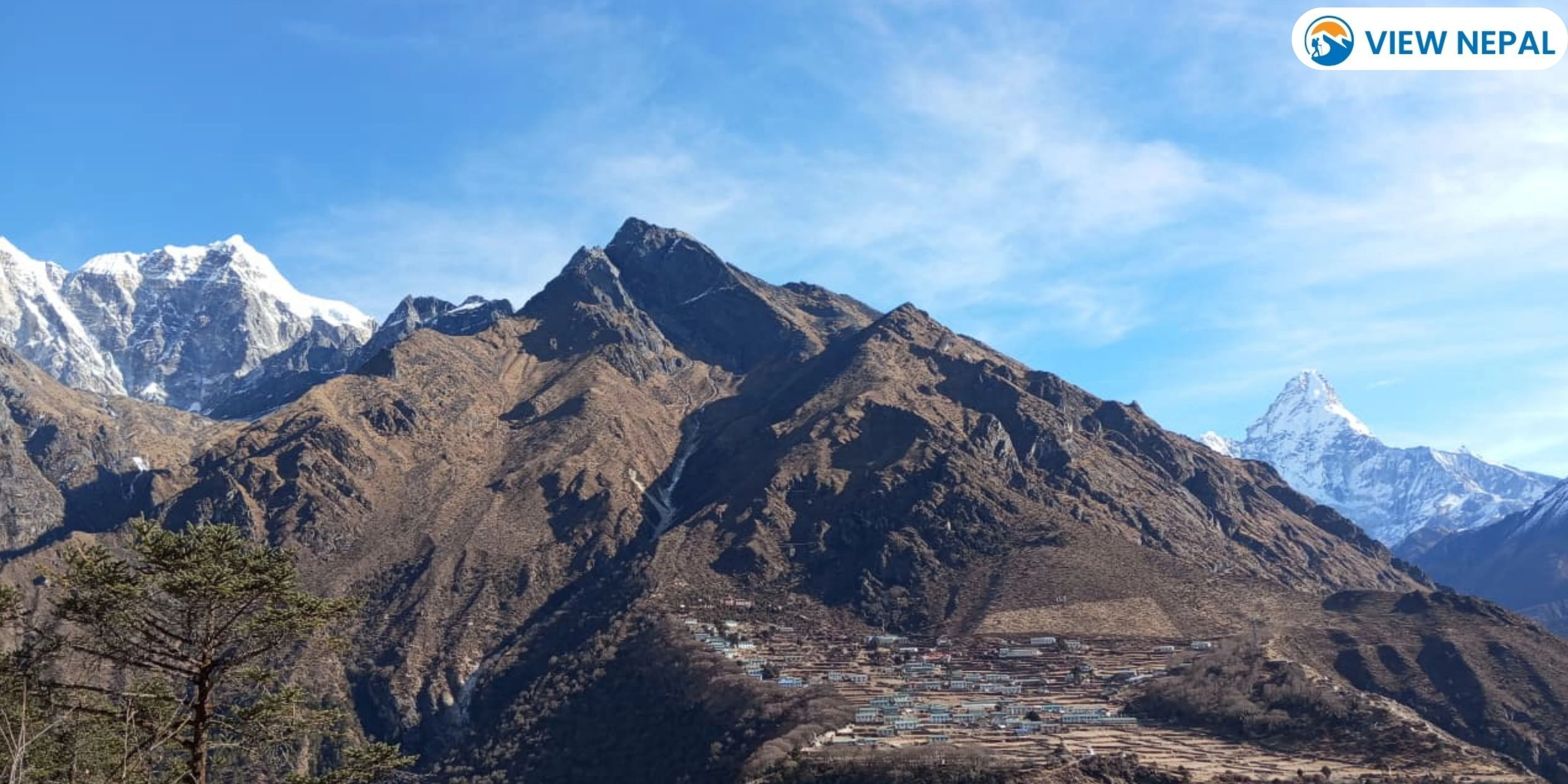
The trek passes through iconic Sherpa villages such as Namche Bazaar, Tengboche, Dingboche, and Gokyo, as well as lesser-known settlements like Thame and Lungden. Along the way, trekkers traverse rugged mountain terrain, cross glacial moraines, and hike through rhododendron forests, alpine meadows, and high-altitude valleys.
Spectacular panoramic views of the world's highest peaks, including Mount Everest, Lhotse, Nuptse, Makalu, and Cho Oyu, from the three high mountain passes. Exploring iconic Sherpa villages and Buddhist monasteries, such as Tengboche Monastery, one of the largest and most significant monasteries in the Everest region. Visiting Gokyo Lakes, a series of turquoise lakes nestled amidst the Himalayas, offering breathtaking reflections of the surrounding peaks are some of the highlights of Three passes Trek.
Witnessing the dramatic landscapes of the Khumbu Glacier, the largest glacier in Nepal, and the nearby Everest Base Camp. Experiencing the warm hospitality of the Sherpa people and learning about their rich cultural traditions and way of life.
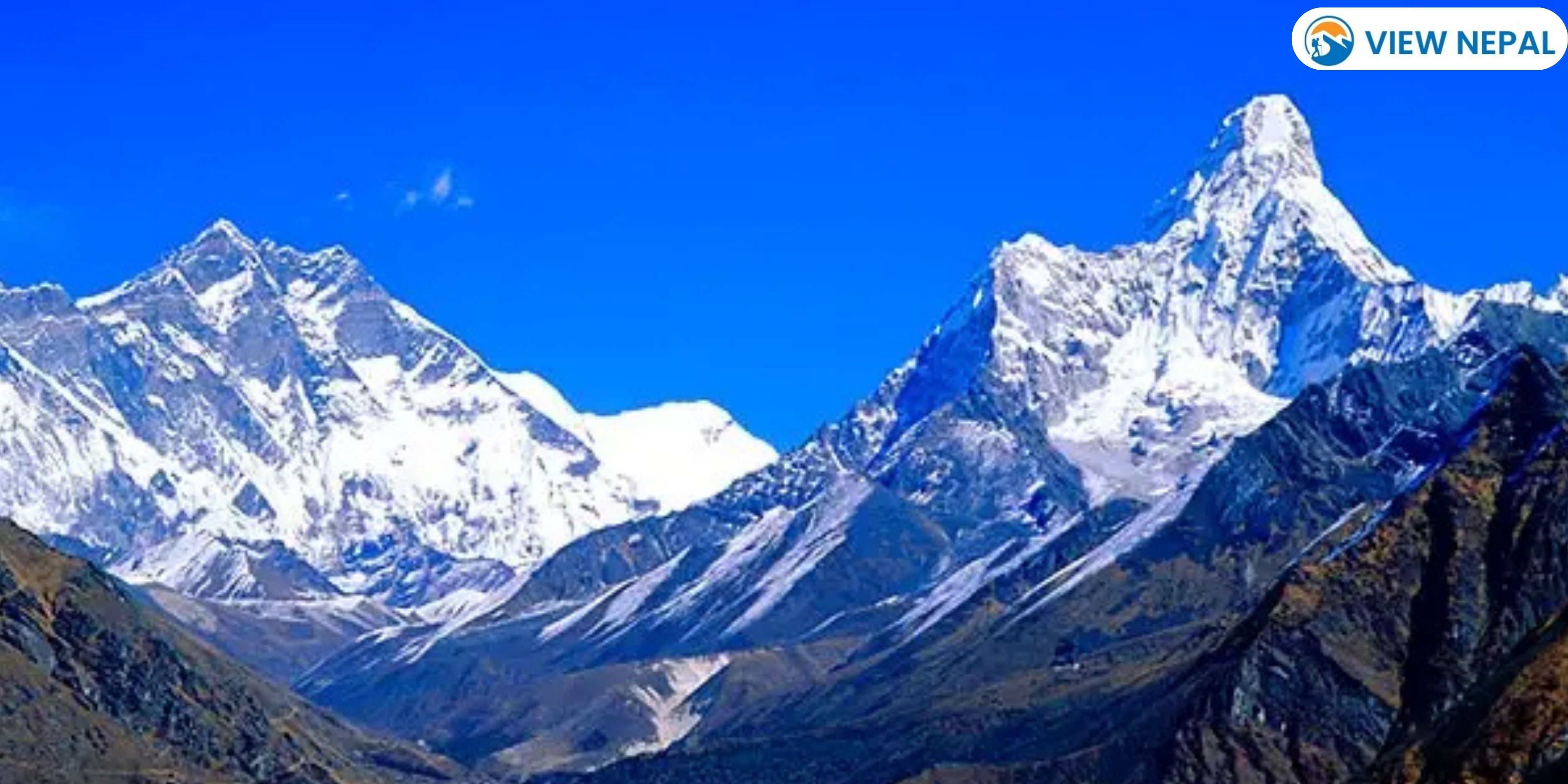
Everest Three Passes Trek Highlights
Here's what you can look forward to on this journey:
- Kongma La Pass 5,535m, Cho La Pass 5,420m, and Renjo La Pass 5,360m.
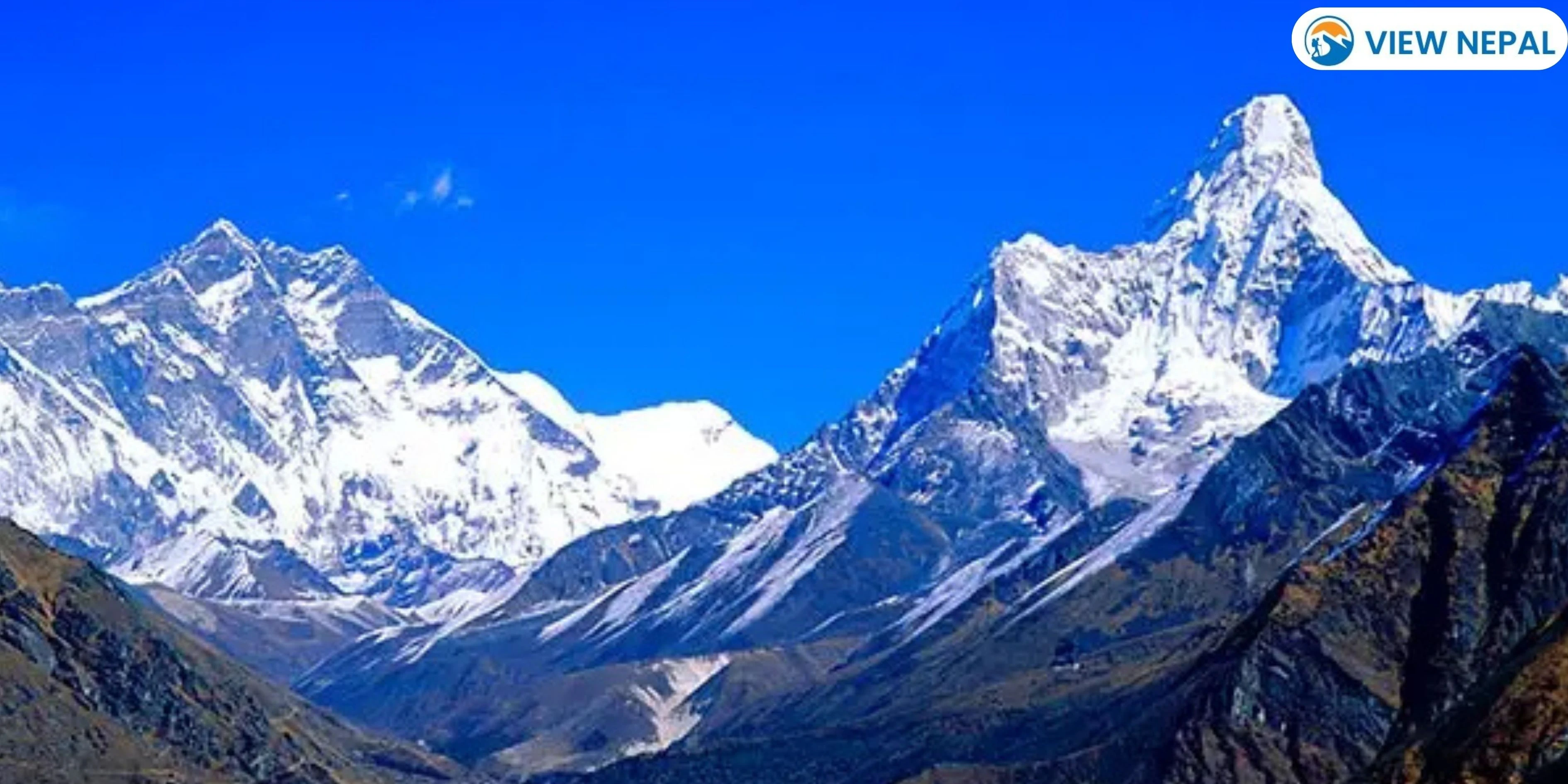
- Breathtaking panoramic views of , Mount Everest, Lhotse, Nuptse, Ama Dablam, and others.
- world's highest mountain and soak in the awe-inspiring atmosphere of the Everest region.
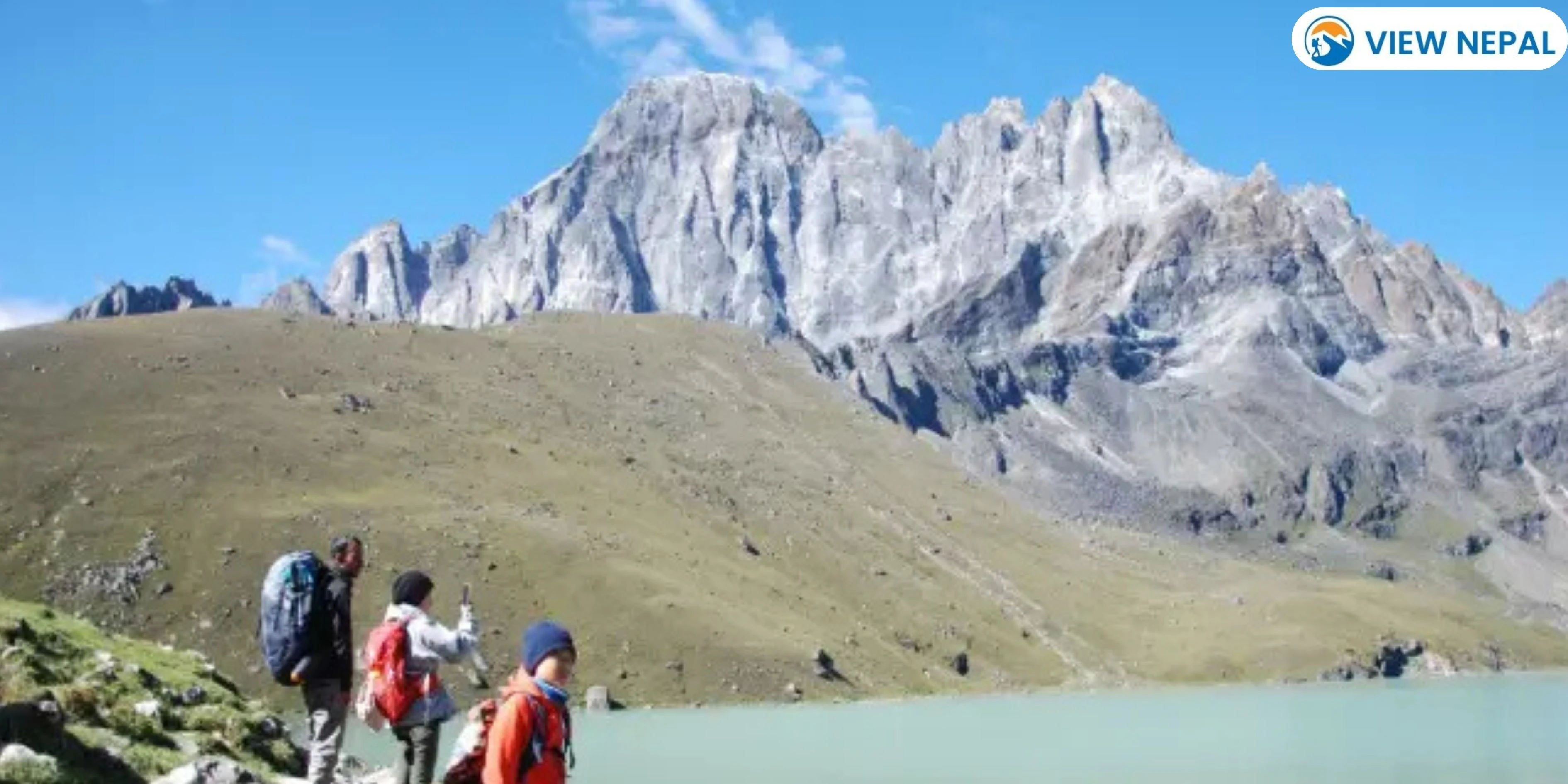
- Gokyo Lakes, a series of turquoise glacial lakes nestled amidst the snow-capped peaks of the Himalayas.
- shores of pristine lakes and enjoy stunning reflections of the surrounding mountains.
- Immerse in the rich Sherpa culture and traditions.
- visit ancient monasteries, interact with local Sherpa communities, and witness traditional ceremonies and festivals.
- Remote Himalayan villages such as Namche Bazaar, Dingboche, Thame, and Gokyo.
- Glimpse into the daily life of the Sherpa people and provide opportunities for cultural exchanges and interactions.
- Diverse landscapes, lush forests, rugged mountain terrain, glacial moraines, and high-altitude valleys.
- variety of flora and fauna along the way, from colorful rhododendron forests to elusive Himalayan wildlife.
- Challenging Yet Rewarding Experience.
- unforgettable journey through some of the most spectacular landscapes on Earth.
- Profound sense of adventure, cultural immersion, and natural beauty in the heart of the Himalayas.
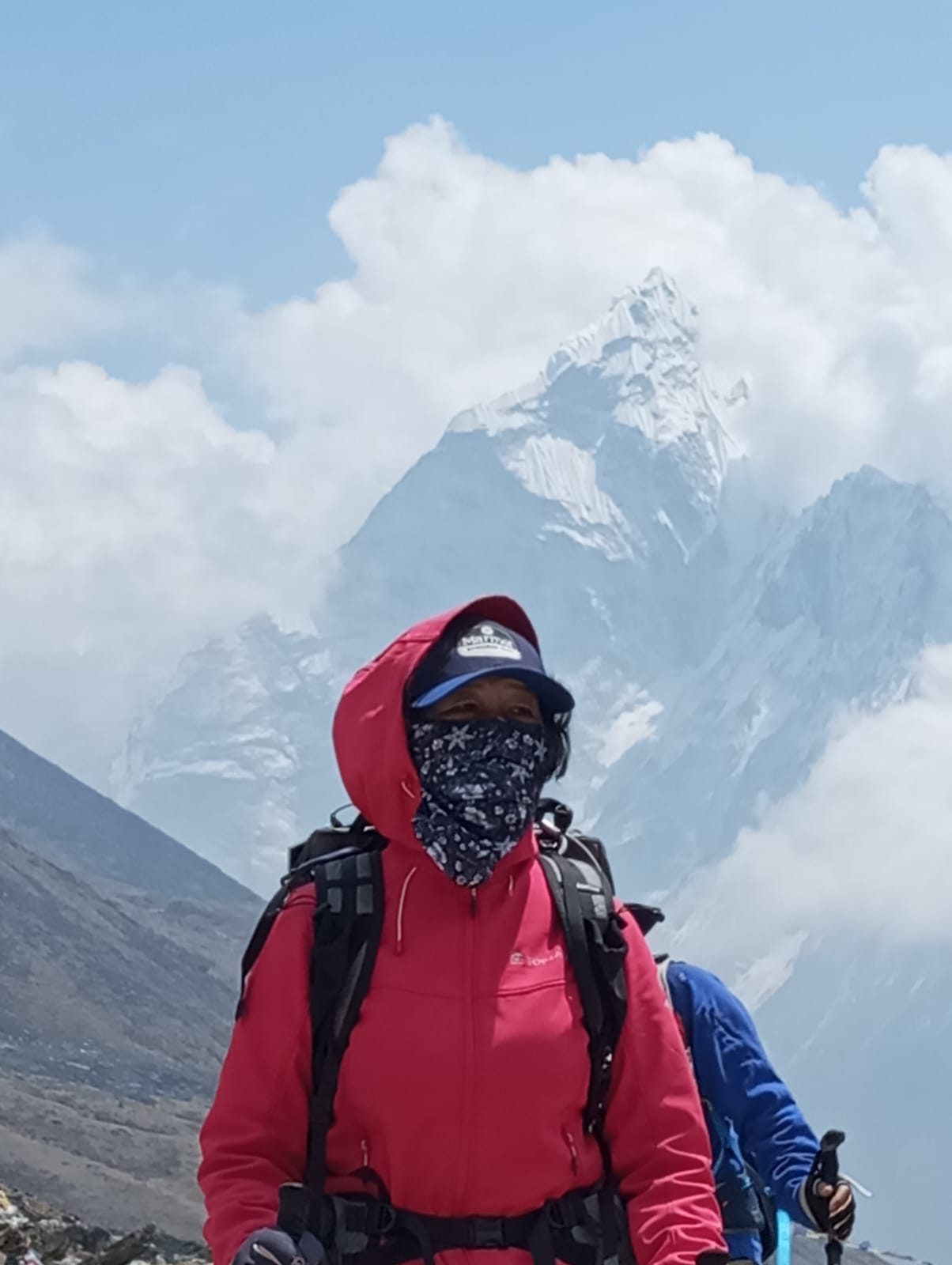
Short Everest Three Passes Highlights
Everest Three High Passes in One Trek: Kongma La (5,535m), Cho La (5,420m), and Renjo La (5,360m), Each pass presents unique challenges and rewards you with perspectives of the Himalayas that few people witness.
Everest Base Camp Stand at the foot of the world's highest mountain during the climbing season and you'll see colorful tents dotting the Khumbu Glacier, climbers preparing for their summit push, and the infamous Khumbu Icefall up close.
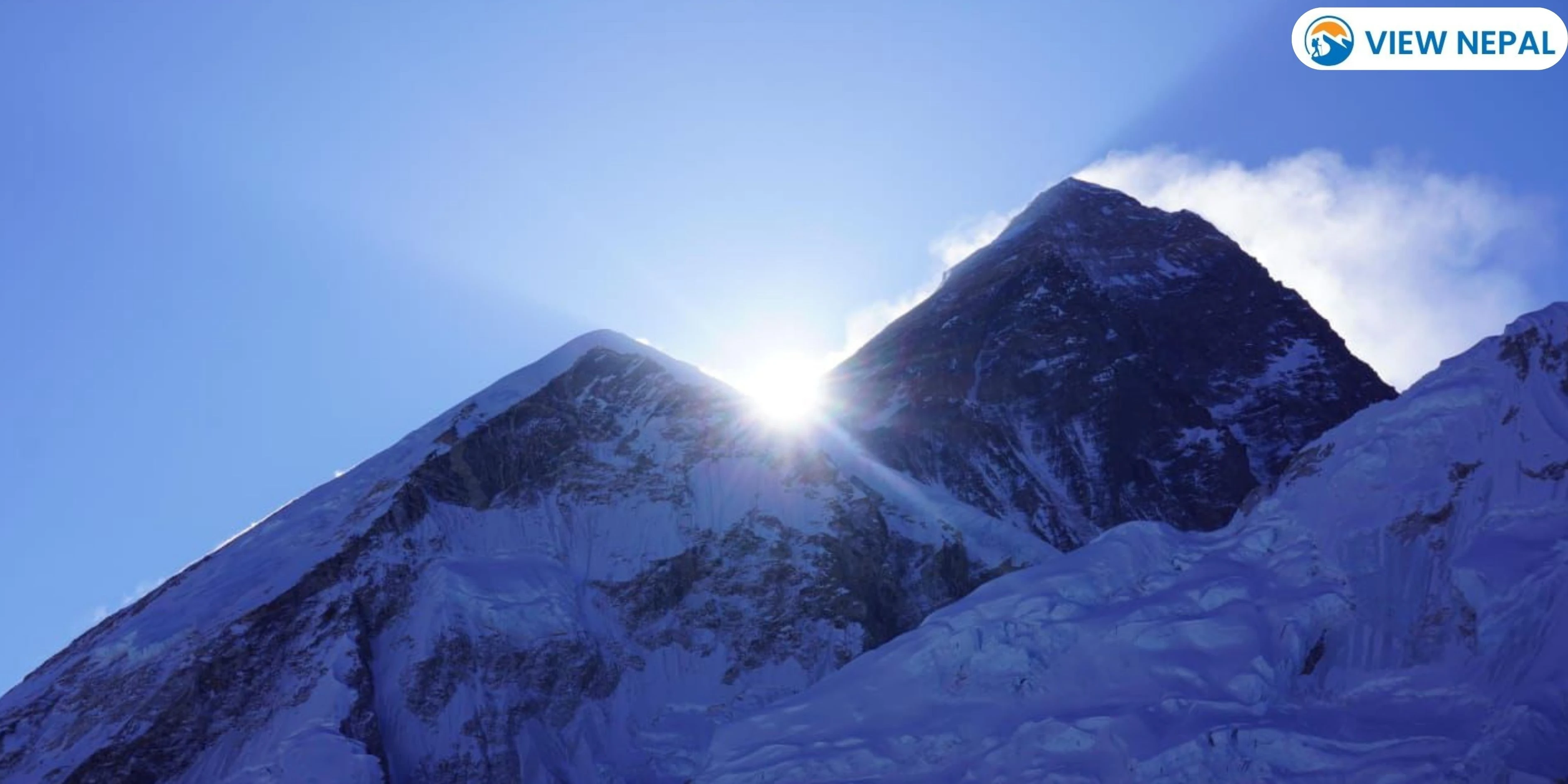
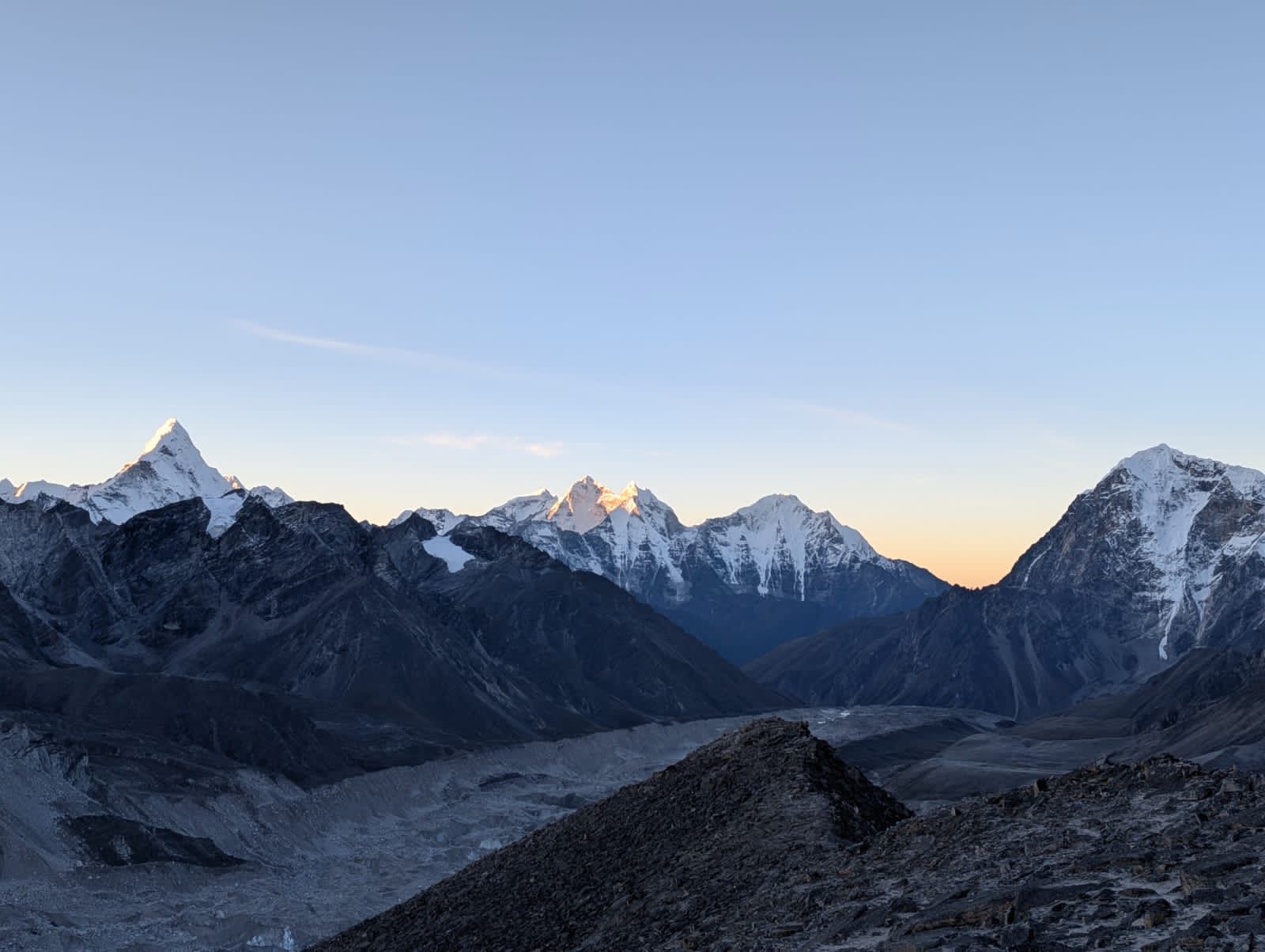
Kala Patthar Sunrise – Wake up at 4am, climb in the dark with headlamps, and watch the sun paint Everest golden orange. At 5,545 meters, this is one of the highest viewpoints accessible to trekkers, and the view justifies every difficult step.
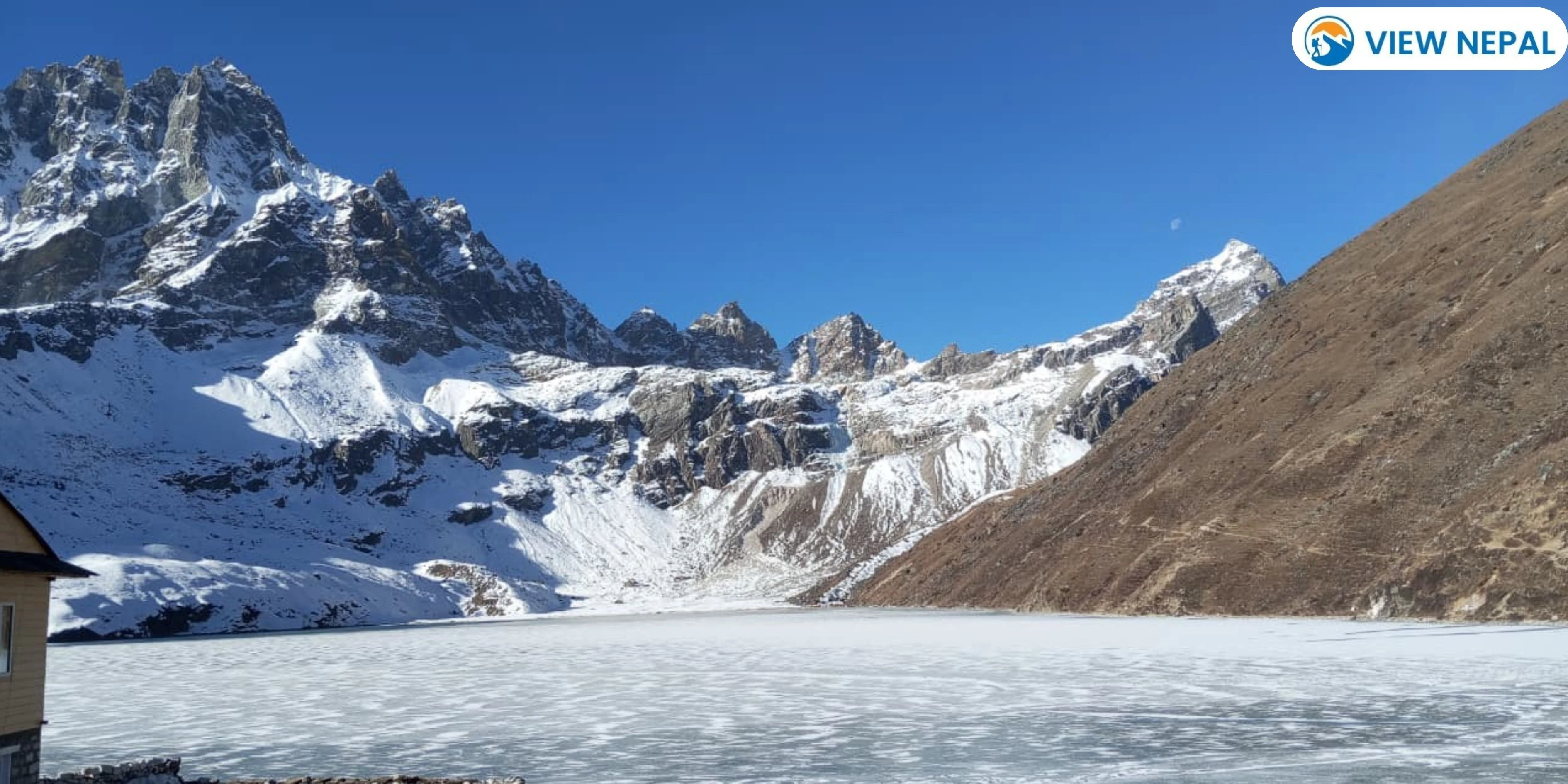
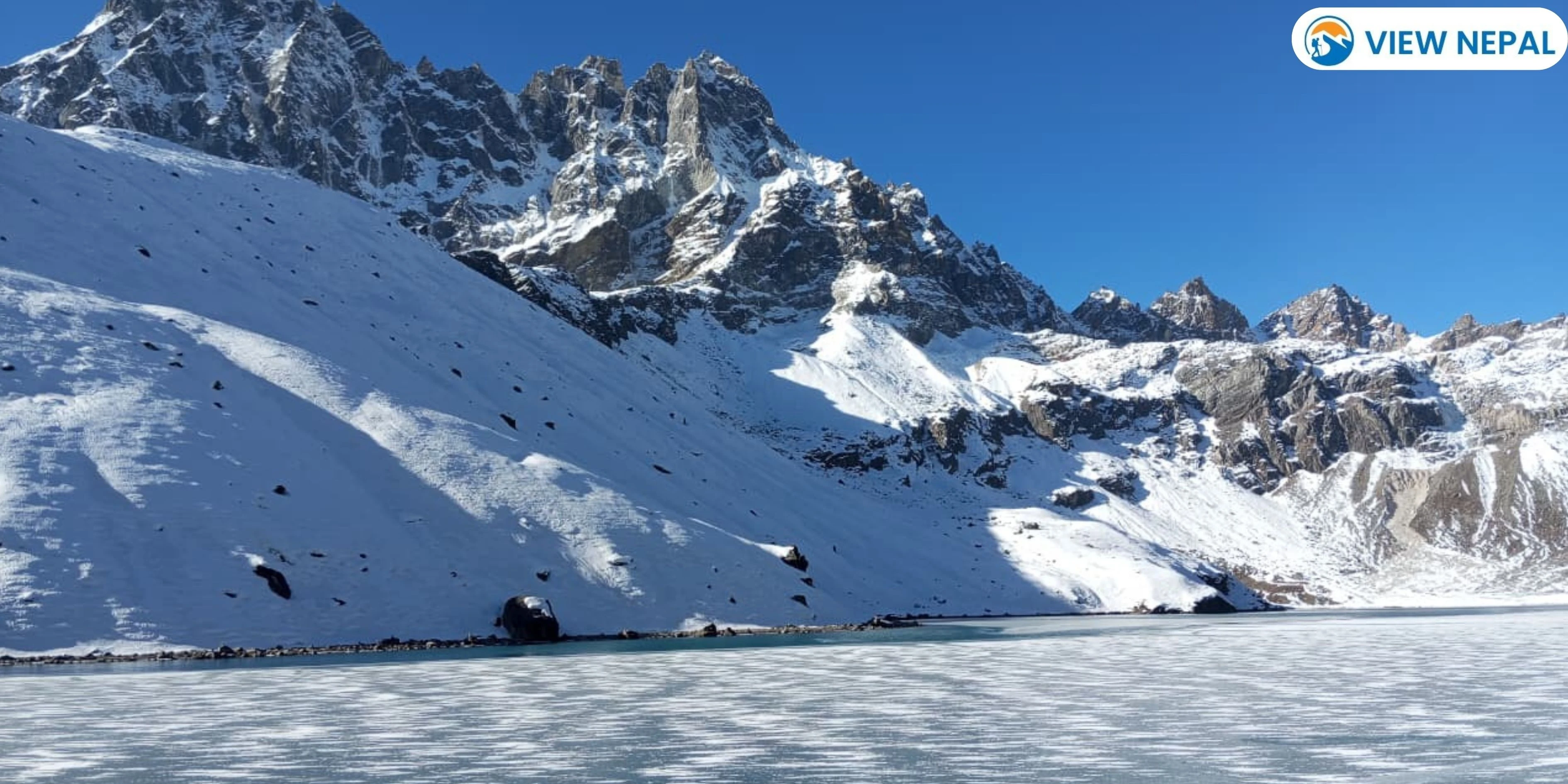
Gokyo Lakes and Gokyo Ri – Five pristine turquoise lakes fed by glacial melt, surrounded by 8,000 meter peaks. Climb Gokyo Ri (5,357m) for a panorama that includes Everest, Lhotse, Makalu, and Cho Oyu, four of the world's six highest mountains.
Sherpa Culture and Hospitality – Visit Namche Bazaar, the bustling mountain town where Sherpa traders have done business for centuries. Explore Tengboche Monastery, where monks offer blessings to climbers and trekkers. Experience daily life in villages like Dingboche, Thame, and Marlung.
Sagarmatha National Park – Trek through a UNESCO World Heritage Site protecting some of the planet's most spectacular alpine landscapes, rare wildlife including Himalayan tahr and snow leopard habitat, and unique high-altitude ecosystems.
Challenging Glacier Crossings – Walk across the lateral moraine of the Ngozumpa Glacier, the longest glacier in the Himalayas. Navigate rocky terrain and sometimes snow and ice on the approach to Kongma La. These aren't technical climbs, but they demand focus and confidence.
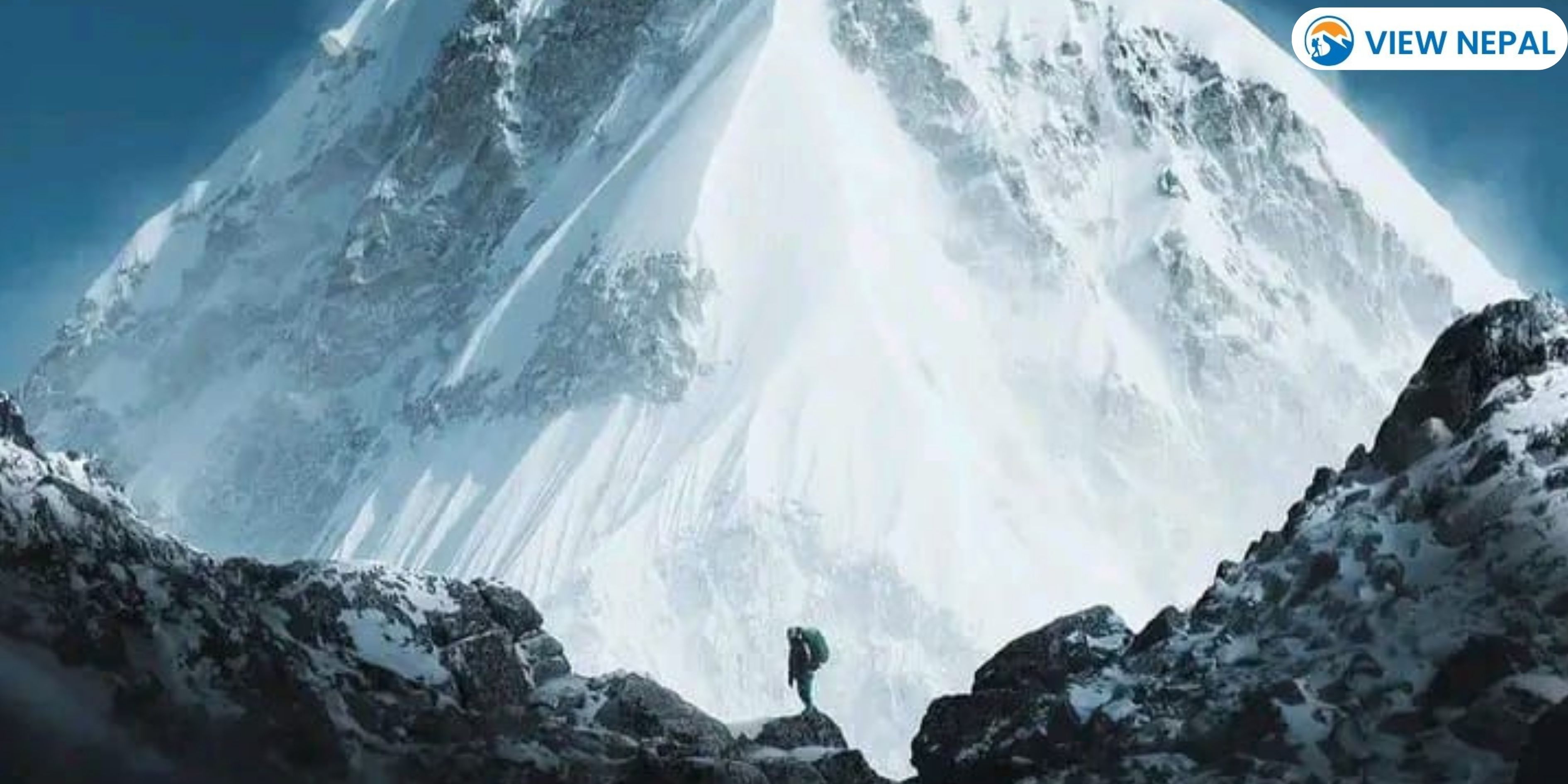
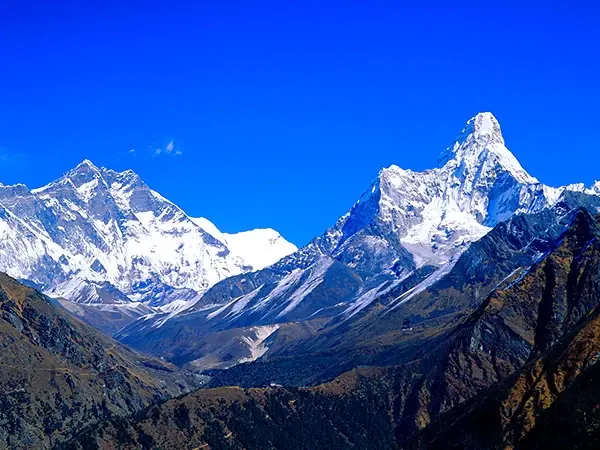
Spectacular Mountain Views Daily – Ama Dablam, Lhotse, Nuptse, Pumori, Thamserku, Taboche, Cholatse, and dozens more. You'll learn to recognize these peaks, track their changing appearance as you move around them, and develop your own favorites.
Authentic Tea House Experience – No camping gear to carry, no setting up tents in the cold. Sleep in cozy lodges, gather around communal stoves, swap stories with trekkers from around the world, and enjoy home cooked Nepali and Tibetan meals.
Professional Guidance and Support – Our guides are certified, experienced, and most importantly, they genuinely care about your safety and enjoyment. They're also incredible storytellers who'll share Sherpa legends, explain the geology you're walking through, and point out wildlife you might miss on your own.
Quick Answers of Everest Three Passes Trek
How difficult is the Everest Three Passes Trek?
Everest Three Passes trek is rated as challenging to strenuous. The three high passes all exceed 5,300 meters, some days involve 8 to 10 hours of walking, and the terrain includes steep ascents, rocky trails, and occasional snow or ice. You need good cardiovascular fitness, mental determination, and previous multi day trekking experience at altitude is highly beneficial.
What is the best time for the Everest Three Passes Trek?
The ideal seasons are pre monsoon (March to May) and post monsoon (late September to November). March to May offers warmer temperatures and blooming rhododendrons, though afternoon clouds can obscure views. September to November provides crystal clear skies and excellent visibility, but temperatures are colder, especially at night and at high altitude.
Do I need previous high-altitude experience?
While not mandatory, previous trekking experience above 4,000 meters is very helpful. If you've successfully completed treks like Annapurna Circuit, Manaslu Circuit, or similar high-altitude routes, you'll know how your body responds to thin air. First-time high-altitude trekkers can succeed on this route, but should take acclimatization seriously.
What permits do I need for this trek?
You'll need the Sagarmatha National Park entry permit and the Khumbu Pasang Lhamu Rural Municipality permit (often called the local area permit). Our package includes both permits and we handle all the paperwork on your behalf.
Can I do this trek solo or do I need a guide?
Legally, you can trek independently in the Everest region. However, we strongly recommend going with a guide for this particular trek. The high passes can be dangerous in bad weather, route finding can be tricky especially on Kongma La, and having support for altitude sickness or injury is crucial. Our guides have rescue training and communication equipment.
How much does the Everest Three Passes Trek cost?
Our 19 days package is priced at USD ( 1500 – 3000 ) per person, which includes permits, experienced guide, porter support, tea house accommodation, most meals during the trek, and domestic flights. This represents excellent value considering the duration and services included.
What is the highest point on Everest Three Passes trek?
Kongma La Pass at 5,535 meters (18,159 feet) is the highest point you'll reach. Kala Patthar at 5,545 meters is actually slightly higher, but the climb to Kongma La is more sustained and challenging.
How many days do we spend acclimatizing?
The itinerary includes three dedicated acclimatization days plus several days with shorter distances to aid natural acclimatization. We spend rest days in Namche Bazaar, Dingboche, and have built in flexibility for additional rest if needed.
Best Time to Do Everest Three Passes Trek.
The Everest region has distinct seasons, and choosing the right time makes a significant difference to your experience. We've led groups in every month of the trekking season, and here's what we've learned.
Spring Season (March to May)
Spring is the busiest time in the Khumbu, and for good reason. Temperatures gradually warm as winter loosens its grip on the high passes. Daytime temperatures at lower elevations can reach 15 to 20 degrees Celsius, making the walking very pleasant. The high passes are challenging but usually crossable without deep snow by late March.
The real magic of spring is the rhododendron forests. Between Lukla and Namche, and again in the forests around Tengboche, the hillsides explode with red, pink, and white blooms. It's beautiful, and the contrast of flowers against snow peaks is something photographers dream about.
Visibility can be hit or miss in spring. Mornings are typically clear with stunning mountain views, but by midday, clouds often build up, especially in April and May. This is also when Everest climbing expeditions are active, so Everest Base Camp will be bustling with tents and climbers. Some find this exciting; others prefer the quieter post monsoon season.
Weather on the passes in spring can be unpredictable. We've crossed Kongma La in perfect sunshine and also in light snow. A good guide watches the weather carefully and adjusts timing if necessary. Late April and May can bring pre monsoon showers at lower elevations, though these rarely last long.
Autumn Season (Late September to November)
This is arguably the best time for the Everest Three Passes Trek. The monsoon has cleared the air of dust and haze, leaving crystal clear visibility. Mountain views are spectacular, often allowing you to see peaks that are 100 kilometers away. The skies are that deep, intense blue you see in photographs.
Temperatures are cooler than spring. Daytime at lower elevations is comfortable, around 10 to 15 degrees. At high camps and on the passes, expect freezing temperatures, especially in October and November. Night time temperatures at Gorak Shep or Gokyo can drop to minus 10 or minus 15 degrees Celsius in November.
The trails are busy in October, which is peak season. Lodges fill up, and popular spots like Namche and Tengboche see crowds. We book accommodations in advance during this period. If you prefer
fewer people, late September or late November are better options, though weather becomes less stable as winter approaches.
One advantage of autumn is stable weather patterns. Once a high-pressure system settles in, you can get a week of perfect conditions. This reliability makes autumn ideal for completing all three passes without weather delays.
Winter and Monsoon (December to February, June to August)
We don't typically run the full Three Passes Trek during winter or monsoon, and here's why.
Winter trekking in the Khumbu is possible and can be incredibly beautiful. The crowds disappear, lodges offer discounts, and fresh snow makes the landscape magical. However, the three high passes become significantly more dangerous. Deep snow, avalanche risk, and extreme cold make crossing them risky even for experienced mountaineers. Many high-altitude lodges close in winter, limiting accommodation options.
Monsoon season brings heavy rain to lower elevations, making trails muddy, slippery, and miserable. Leeches appear in the forests. Views are obscured by clouds and rain. The high passes are technically open, but visibility is poor and the weather unstable. Flights to Lukla are frequently cancelled due to weather, causing delays and frustration.
If you're considering a winter or monsoon trek, we'd recommend a different route or waiting for the proper season. The Three Passes Trek demands good weather and safe conditions to be enjoyable and worth the investment.
Difficulty Level and Fitness Requirements On Everest Three Passes Trek
Let's be direct about this. The Everest Three Passes Trek is genuinely difficult. It's not the hardest trek in Nepal, there are more technical routes and longer expeditions, but it's certainly in the upper tier of challenging tea house treks.
What Makes This Trek Challenging
Altitude is the primary difficulty. You'll spend 10 consecutive days above 4,000 meters, with multiple nights above 5,000 meters. Even healthy, fit people can struggle with altitude sickness. Headaches, nausea, insomnia, and shortness of breath are common. Your body needs time to produce more red blood cells and adapt to lower oxygen levels.
Long Days are another factor. Several days involve 7 to 9 hours of walking. The day you cross Kongma La from Chhukung to Lobuche is particularly demanding, possibly 8 to 10 hours depending on your pace and conditions. You need to maintain steady effort for hours, often in cold, windy weather.
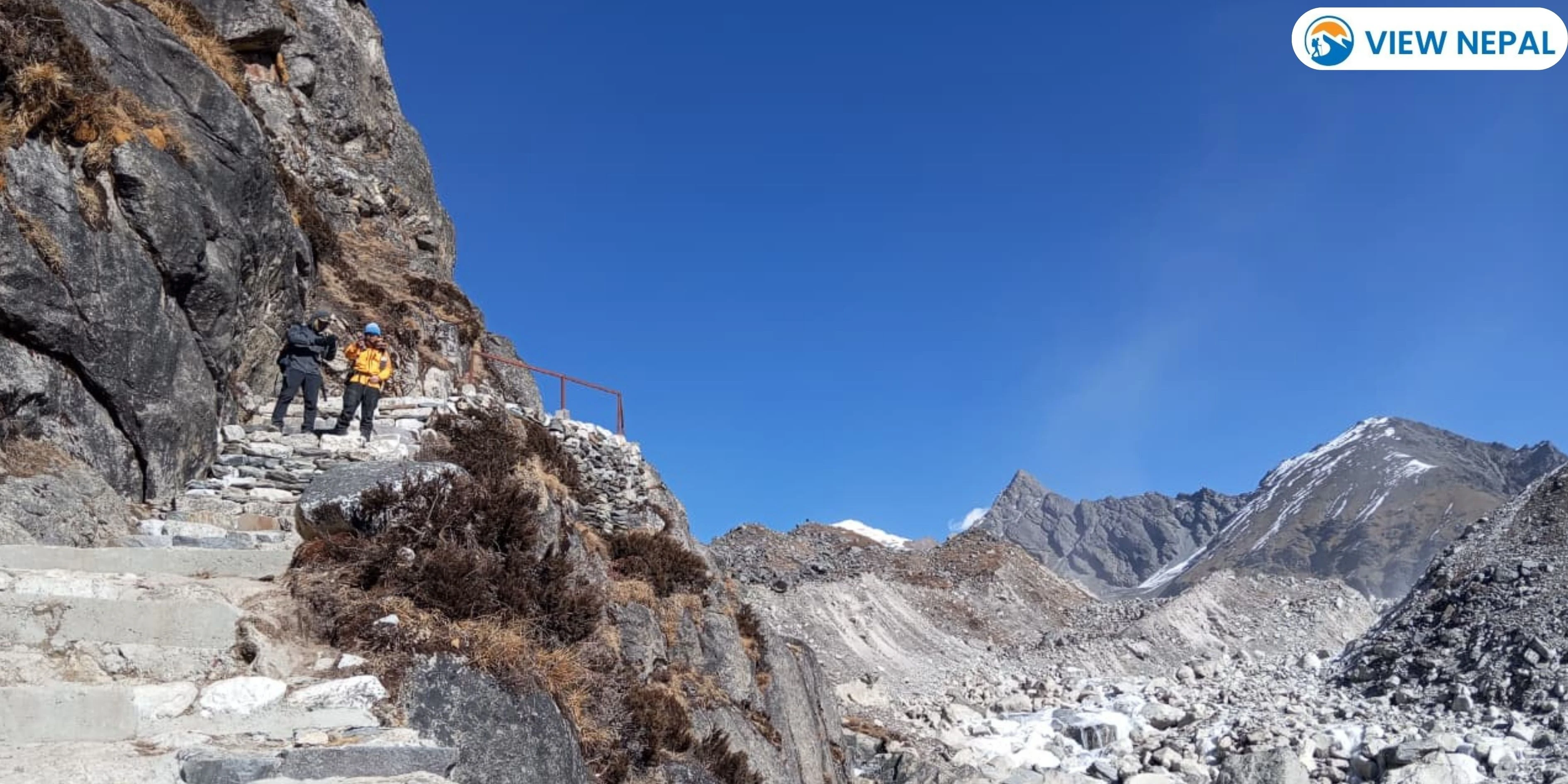
Technical Terrain on the passes requires surefootedness and confidence. Kongma La involves scrambling over large rocks and crossing glacier moraine. The trail isn't always obvious. In snow, route finding becomes difficult without an experienced guide. Cho La has a steep, sometimes icy section that requires careful footing.
when conditions are uncomfortable.
Cumulative Fatigue builds up over 19 days. By the time you're crossing the third pass, your legs are tired, your energy reserves are lower, and small hills feel like mountains. This is normal, but it requires psychological resilience to push through.
Fitness Requirements
We recommend that you can comfortably hike for 6 to 7 hours with a light daypack before attempting this trek. Your cardiovascular fitness should allow you to maintain conversation while walking uphill at a moderate pace. If you're gasping for air on a normal hike at sea level, you'll struggle significantly at altitude.
Leg strength matters more than upper body strength. You'll be climbing thousands of stone steps, ascending steep trails, and descending knee jarring descents. Squats, lunges, and step ups are excellent preparation exercises. Strong knees and ankles reduce injury risk on rough terrain.
Core stability helps with balance on uneven ground and with carrying your daypack for long hours. We've seen trekkers with good core strength handle the rocky sections of Kongma La with much more confidence than those without.
Mental fitness is equally important. There will be moments when you're cold, tired, possibly nauseous from altitude, and still facing hours of walking. The ability to break the day into small goals, stay positive, and keep moving matters as much as physical conditioning.
Who Should Consider Everest Three Passes Trek ?
This trek is ideal for experienced trekkers looking to challenge themselves. If you've successfully completed multi day treks at altitude (Annapurna Base Camp, Langtang Valley, Mount Kilimanjaro, etc.), you'll have a good sense of what to expect.Age is less important than fitness. We've guided 60-year-olds who trained properly and completed the trek strong. We've also had 25-year-olds who underestimated the difficulty and struggled. Honesty with yourself about your current fitness level is crucial.
If you're new to trekking or haven't been above 3,000 meters before, we'd recommend building up experience on a shorter Everest region trek first, like the classic Everest Base Camp route, before attempting the three passes.
Who Should Choose a Different Trek ?
If you have significant knee problems, the constant descents on this trek will aggravate them. If you have heart conditions, respiratory issues, or other serious health concerns, consult your doctor and seriously consider whether high altitude trekking is safe for you.
If you're not willing or able to train for 2 to 3 months before departure, this isn't the right trek. Arriving unprepared almost guarantees you'll have a miserable experience or potentially need to evacuate.
Altitude, Acclimatization Plan, and Safety Approach
Altitude sickness doesn't discriminate. We've seen Olympic athletes get sick while middle aged trekkers with proper acclimatization cruise through. Understanding how altitude affects the body and following a smart acclimatization schedule is non-negotiable for this trek.
How We Approach Acclimatization ?
Our 19-day itinerary is specifically designed with altitude gain in mind. We follow the principle of "climb high, sleep low" whenever possible, and we include three dedicated rest days for acclimatization. Here's our approach:
We start slow. The first few days from Lukla to Namche involve gradual altitude gain with relatively short walking days. This gives your body time to start adapting before we push higher.
First acclimatization day in Namche (3,440m) includes an optional hike to Everest View Hotel or the villages of Khunde and Khumjung. These hikes take you higher during the day, then you return to Namche to sleep. This stimulates red blood cell production without over stressing your system.
We spend two nights in Dingboche (4,410m), which is our second major acclimatization stop. The rest day here is crucial. Many trekkers feel the effects of altitude by this point, headaches, slight nausea, difficulty sleeping. An extra night allows your body to catch up. The acclimatization hike to Nagarjun Hill or Chhukung provides beautiful views and aids adaptation.
Our itinerary includes several shorter walking days after big altitude gains. For example, after crossing Cho La and arriving in Dzongla, the next day to Gorak Shep is relatively short. This gives you recovery time.
Third acclimatization consideration comes in Gokyo, where we spend two nights. This allows proper rest before tackling Renjo La, and it gives you the opportunity to climb Gokyo Ri without feeling rushed.
We also build in flexibility. If someone is showing signs of altitude sickness, we can add an extra rest day or descend if necessary. The itinerary isn't rigid; your health and safety come first.
Recognizing and Managing Altitude Sickness
Acute Mountain Sickness (AMS) affects about 75% of trekkers above 4,000 meters to some degree. Mild symptoms include headache, loss of appetite, nausea, dizziness, and fatigue. These are common and often manageable with proper rest, hydration, and possibly medication.
Our guides are trained to recognize symptoms and use the Lake Louise Scoring System to assess severity. We check in with each trekker daily about how they're feeling. Honesty is critical. Don't downplay symptoms because you're worried about slowing the group down. Early intervention prevents serious problems.
Hydration is your first defense against AMS. At altitude, you lose moisture rapidly through breathing and need 4 to 5 liters of water daily. We remind trekkers constantly to drink. Dehydration makes altitude sickness worse.
Diamox (acetazolamide) is a medication that helps acclimatization. Many doctors recommend it for high altitude treks. It's not a magic cure, but it can reduce symptoms and help you sleep better at altitude. We encourage discussing it with your doctor before the trek.
If symptoms worsen despite rest, the only cure is descent. We don't take chances. Severe AMS can progress to High Altitude Pulmonary Edema (HAPE) or High-Altitude Cerebral Edema (HACE), both of which are life threatening. If someone develops severe symptoms, we descend immediately, even if it means evacuating by helicopter.
Our Safety Protocols
Communication Equipment – Our guides carry satellite phones or radios for emergencies. Cell service exists in some villages but is unreliable at high camps.
First Aid and Oxygen – Guides carry comprehensive first aid kits and portable oxygen. While we hope never to need it, supplemental oxygen can be lifesaving in a severe altitude emergency.
Weather Monitoring – We check weather forecasts daily and communicate with other guide teams about conditions on the passes. If weather looks dangerous, we delay. No pass is worth risking lives.
Evacuation Planning – In serious emergencies, helicopter evacuation is possible from most locations on this trek. We coordinate with rescue companies and your travel insurance provider. This is why comprehensive travel insurance with helicopter evacuation coverage is mandatory for our treks.
Guide Experience – All our lead guides have completed Wilderness First Responder training or equivalent. They've crossed these passes dozens of times and know when conditions are safe and when they're not. Trust their judgment.
Group Pace – We move at the pace of the slowest member. This isn't a race. Guides use the "pole pole" (slowly slowly) philosophy made famous on Kilimanjaro. Steady, sustainable pace reduces fatigue and helps acclimatization.
Your Role in Staying Safe
Listen to your body. If something feels wrong, speak up. Don't push through serious symptoms to prove you're tough.
Follow the acclimatization schedule. Don't try to rush or skip rest days to finish faster. The itinerary is designed based on years of experience.
Stay hydrated and eat even when you don't feel like it. Your body needs fuel and water to function at altitude.
Dress appropriately for conditions. Hypothermia is a real risk at high altitude. Layer properly and protect extremities.
Trust your guide's decisions about weather, timing, and route choices. They're professionals whose primary concern is your safety.
The mountains will always be here. If conditions require turning back or delaying, that's the right decision. There's no shame in prioritizing safety over summiting a pass.
Altitude Profile Table
|
Day |
Location |
Sleeping Altitude |
Highest Point |
1 |
Kathmandu |
1,400 m |
1,400 m |
|
2 |
Phakding |
2,610 m |
2,840 m (Lukla) |
|
3 |
Namche Bazaar |
3,440 m |
3,440 m |
|
4 |
Namche Bazaar |
3,440 m |
3,900 m (Acclimatization hike) |
|
5 |
Tengboche |
3,860 m |
3,860 m |
|
6 |
Dingboche |
4,410 m |
4,410 m |
|
7 |
Dingboche |
4,410 m |
5,100 m (Acclimatization hike) |
|
8 |
Chhukung |
4,730 m |
4,730 m |
9 |
Lobuche |
4,940 m |
5,535 m (Kongma La) |
10 |
Gorak Shep |
5,164 m |
5,364 m (EBC optional) |
11 |
Dzongla |
4,830 m |
5,545 m (Kala Patthar) |
12 |
Gokyo |
4,790 m |
5,420 m (Cho La) |
|
13 |
Gokyo |
4,790 m |
5,357 m (Gokyo Ri) |
14 |
Lungden |
4,380 m |
5,360 m (Renjo La) |
|
15 |
Thame |
3,800 m |
3,800 m |
16 |
Namche Bazaar |
3,440 m |
3,440 m |
17 |
Phakding |
2,610 m |
2,610 m |
|
18 |
Lukla |
2,840 m |
2,840 m |
|
19 |
Kathmandu |
1,400 m |
1,400 m |
Accommodation During Everest Three Passes Trek
The Everest Three Passes Trek uses tea house lodges exclusively. These are family run guesthouses built and operated by local Sherpa families, and they're a fundamental part of the authentic Khumbu experience.
What to Expect from Tea House Lodges
Rooms are typically small and simple. You'll get a bed with a mattress, pillow, and blankets or a thick comforter. Most rooms are twin share, though single rooms are sometimes available for an extra charge (though not guaranteed at high altitude where space is limited). Walls are usually thin plywood, so you'll hear your neighbors. Bring earplugs if you're a light sleeper.
Toilets at lower elevations are often western style flush toilets. As you go higher, squat toilets become more common. At the highest lodges, toilets are outside the main building, which means nighttime bathroom trips in the cold. Toilet paper is usually available but bringing your own is wise. Hand sanitizer is essential.
Showers are available at most lodges below Dingboche, though hot water usually costs extra, typically $3 to $5. The water is heated by solar or by back boiler connected to the stove, so hot water availability depends on sunshine and how many people have already showered. Above Dingboche, hot showers become rare and expensive. Many trekkers simply skip showering for the final days of the trek.
The dining hall is the heart of every tea house. This is where you'll eat meals, socialize with other trekkers, charge electronics, and warm yourself by the stove. Most dining halls have a yak dung or wood stove in the center with communal seating around it. In the evening, everyone gathers here, and the atmosphere is usually warm and friendly. You'll meet trekkers from around the world, share stories, compare experiences, and make friends.
Lodge Selection and Booking for Everest Three Passes Trek
We have longstanding relationships with lodge owners throughout the Khumbu. We choose lodges based on cleanliness, food quality, location, and the family's hospitality. In busy season (October and April/May), we book lodges in advance to guarantee rooms for our groups.
At some locations, we stay at the same lodge with our entire group, which creates a nice camaraderie. At other locations, especially in larger villages, we might split across two or three lodges if one isn't large enough to accommodate everyone.
During peak season, lodges can be crowded and noisy. If you're sensitive to noise or need privacy, tea house trekking might not be ideal. Part of the experience is the communal atmosphere, the shared spaces, and the interaction with other trekkers and lodge families.
Electrical Charging
Most lodges have electricity, though power can be intermittent, especially during the winter months. Charging your devices (phone, camera batteries, power banks) usually costs extra, typically $2 to $5 depending on the device and altitude. The higher you go, the more expensive charging becomes.
We recommend bringing a portable power bank fully charged from Kathmandu. This allows you to recharge devices without relying on lodge power. Solar chargers work in theory but are often impractical given the limited daylight hours, frequent cloud cover, and the fact that you're walking during prime sunshine hours.
WiFi and Communication
WiFi is available in most lodges, but it's expensive and slow at high altitude. Expect to pay $5 to $10 per day for WiFi access, and even then, it's often barely functional. Don't expect to stream videos or make video calls. Basic messaging and email checking is usually possible.
Nepali SIM cards with data plans work in some villages (Namche, Tengboche, Dingboche) but not at high camps. If staying connected is important, budget for WiFi fees.
Honestly, we encourage you to disconnect during the trek. This is a chance to be present in the mountains, to experience the journey without constant digital distraction. Your emails will wait. The mountains won't.
Meals and Drinking Water
Food on Everest Three Passes Trek
Tea house lodges serve surprisingly varied menus. You'll find Nepali, Tibetan, Chinese, Indian, and even Western dishes. Dal bhat (lentil soup with rice and vegetables) is the staple, and it's actually the best choice for sustained energy. It's filling, nutritious, and you get free refills. Most trekkers eat dal bhat at least once a day.
Other popular options include:
Fried rice or noodles (chow mein)
Momos (Tibetan dumplings, steamed or fried)
Sherpa stew (a hearty vegetable and potato soup)
Tibetan bread with jam or honey
Pasta with tomato sauce
Potatoes in various forms (boiled, fried, mashed)
Eggs (fried, boiled, omelet)
Porridge or muesli for breakfast
Pancakes (usually dense but tasty)
Food quality is generally good, especially considering the remote location and difficulty of supply. Everything is brought up the trail on porter or yak backs, so prices increase with altitude. A dal bhat that costs $5 in Phakding might cost $10 or $12 at Gorak Shep.
Meat is available but we don't recommend it at high altitude. Refrigeration is unreliable, and meat sits in lodges for days or weeks before being cooked. Stick to vegetarian options for safety. You won't miss protein for 19 days, and the carbohydrates from rice, bread, and potatoes are what your body needs for energy anyway.
Portions are generous at lower altitudes but smaller higher up, partly because appetite decreases at altitude. Don't be surprised if you're not very hungry above 4,500 meters. Force yourself to eat anyway. Your body needs fuel.
Meals Included in Our Package:
Our package includes breakfast and dinner every day of the trek. Lunch is not included, which gives you flexibility to stop when and where you want and to control costs (lunch is usually the cheapest meal anyway).
Breakfast is eaten at the lodge where you slept. Dinner is eaten at the lodge where you'll sleep that night. In most cases, it's the same lodge, but occasionally we eat at one lodge and sleep at another if circumstances require it.
Tea and coffee are not included in the package. You'll pay for hot drinks separately, typically $2 to $5 depending on altitude. Hot lemon, ginger tea, and masala tea are popular choices. Many trekkers avoid coffee at high altitude since caffeine can worsen dehydration and sleep problems.
Drinking Water On Everest Three Passes Trek
Staying hydrated is critical for acclimatization and overall health. You need 4 to 5 liters of water daily at high altitude. There are several ways to obtain safe drinking water:
Boiled water is available at every lodge, usually for $2 to $4 per liter depending on altitude. This is safe and convenient, though it adds up cost wise over 19 days.
Water purification tablets or drops allow you to refill from taps or streams. We recommend bringing tablets (Aquatabs or similar) or a purification solution (like Aquamira). This is the most economical option.
Water filters like Sawyer or LifeStraw work well. They remove bacteria and parasites but not viruses, so we recommend combining with purification tablets for complete safety.
Avoid buying bottled water. It's expensive at high altitude, and the plastic waste is a serious environmental problem in the Khumbu. Many lodges won't even sell bottled water anymore. Bring a reusable water bottle or hydration bladder and refill using one of the methods above.
The water itself, coming from snowmelt and springs, is pure and clean. The issue is contamination from human activity near the taps or streams. Treat all water unless you're certain it's been properly boiled.
Dietary Restrictions :
Vegetarian food is easy throughout the trek, as most menus are heavily vegetarian anyway. Vegan is more challenging but doable with some creativity and communication. Let your guide know your requirements and they'll communicate with lodge owners.
Gluten free is difficult. Most carbohydrates (bread, noodles, pasta) contain gluten. You can eat rice and potatoes, but options are limited. If you're celiac or seriously gluten intolerant, bring supplementary snacks.
Allergies should be communicated clearly to guides and lodge owners. Nut allergies are usually manageable, as nuts aren't heavily used in Nepali cooking. Other allergies require careful communication.
Transportation: Kathmandu to Lukla Flights
The Lukla Flight Reality
Let's be honest about the Lukla flight situation. It's both exciting and frustrating. The flight itself is an adventure, offering spectacular mountain views and a thrilling landing at one of the world's most challenging airports. The frustration comes from delays and cancellations, which are common and unpredictable.
Lukla's airport (Tenzing Hillary Airport) sits at 2,840 meters on a mountainside with a short, steeply inclined runway. Weather conditions change rapidly. Morning fog, afternoon clouds, high winds, and rain all ground flights. During peak season, air traffic demand exceeds capacity, causing bottlenecks.
What We Do to Minimize Delays
We book morning flights whenever possible. Weather is typically better in the morning, with clearer skies and less wind. By afternoon, clouds often build up, reducing visibility and cancelling flights.
During peak season (March to May and October to November), flights to Lukla often operate from Ramechhap airport instead of Kathmandu. Ramechhap is about 4 to 5 hours drive from Kathmandu, and we arrange early morning (2am or 3am) departures to reach the airport in time for morning flights. This system was implemented to reduce congestion and has improved on time performance, though it makes for a very early start.
We maintain close communication with the airline and the airport. If weather looks questionable, we monitor conditions and update you immediately about delays or cancellations.
If Your Flight is Delayed or Cancelled
Flight delays happen. It's part of Lukla logistics. If your flight is delayed by a few hours, you'll wait at the airport until conditions improve. If it's cancelled entirely, we'll rebook you on the first available flight the next day.
This is why we always recommend building a buffer day in Kathmandu after your trek before any international departure. If you're flying out of Nepal immediately after the trek, a delay could cause you to miss your international flight. With a buffer day, a one day delay is an inconvenience, not a disaster.
If weather delays keep you in Kathmandu an extra day, hotel costs are your responsibility. If weather delays occur during the trek (preventing return from Lukla), we'll arrange accommodation and rebook flights, but additional lodge and meal costs are typically your responsibility unless you've purchased trip delay insurance.
Alternative Options
In rare cases of extended weather delays (3+ days), helicopter evacuation is possible. This is expensive, typically $500 to $800 per person in a shared flight, but it guarantees getting back to Kathmandu. We can arrange helicopter flights if necessary, though most trekkers prefer to wait for the regular flight unless they have imminent international departures.
Walking out is theoretically possible but impractical. It's about 5 to 7 days of walking from Lukla back to road access, and you'd still face the same weather issues affecting flights.
Our Advice
Accept that the flight is outside your control. Worrying about it doesn't help. Build buffer days into your schedule. Bring a book or download movies for potential airport waiting. Keep snacks and water in your daypack. And remember that thousands of trekkers deal with the same situation every year; it's part of the Everest region experience.
Permits Required For Everest Three Passes Trek
Two permits are mandatory for the Everest Three Passes Trek, and both are included in our package price. We handle all permit arrangements on your behalf; you just need to provide passport copies and photos.
Sagarmatha National Park Entry Permit
This permit grants access to Sagarmatha National Park, a UNESCO World Heritage Site that encompasses the entire Everest region. The park was established in 1976 to protect the unique ecology and wildlife of the high Himalayas.
Cost: 3,000 Nepali Rupees (approximately $25 USD) for foreign nationals and Pasang Lhamu village permit cost Nepali Rupees 3000.
Where it's checked: At the park checkpoint near Monjo, shortly before Namche Bazaar. You'll also exit through this same checkpoint on your return.
The permit fee funds park management, trail maintenance, and conservation programs. Sagarmatha National Park protects habitat for endangered species including snow leopards, red pandas, musk deer, and numerous bird species. The park also includes several Buddhist monasteries and supports the traditional Sherpa lifestyle.
You'll need to show this permit at the checkpoint, and rangers will record your entry. Keep the permit safe throughout the trek, as you'll need to show it again when exiting.
Khumbu Pasang Lhamu Rural Municipality Permit
This is a local area permit introduced in 2018 to fund community development projects in the Khumbu region. The permit revenue goes directly to local municipalities for infrastructure, education, healthcare, and community services.
Cost: 3,000 Nepali Rupees (approximately $25 USD) for foreign nationals
Where it's checked: You may be asked to show this permit at various checkpoints alongside the national park permit, though checking is less consistent.
This permit represents an important funding mechanism for the communities you'll be walking through. Your permit fee helps maintain trails, build schools, support health posts, and improve quality of life for the Sherpa people who make trekking in this region possible.
Obtaining Permits
We obtain both permits on your behalf in Kathmandu before departure. You'll need to provide:
Two passport size photos (4x6 cm)
Passport photocopy (information page)
Completed application forms (we provide these)
The permit process takes about one day, which we handle during your pre trek briefing day in Kathmandu. You'll receive the original permits to carry with you, plus we keep copies for our records.
TIMS Card (Not Required right now)
The Trekkers Information Management System (TIMS) card, which used to be mandatory for trekking in Nepal, is not required for the Everest region. You only need the two permits listed above.
Some outdated information online still mentions TIMS cards, but they're not part of current regulations for Sagarmatha National Park treks.
BOOKING INFORMATION, POLICIES & COMPREHENSIVE FAQ
What's Included in Everest Three Passes Trek Package
Our USD 1750 package is comprehensive and designed to eliminate hidden costs and surprises. Here's exactly what you get: Experienced, government licensed trekking guide,Porter service (one porter for every two trekkers, carrying up to 20kg)
Permits and Documentation
Sagarmatha National Park entry permit, Khumbu Pasang Lhamu Rural Municipality permit, All necessary trekking paperwork and registration
Domestic Flights
Kathmandu - Lukla – Kathmandu roundtrip flight ticket. ( On season time flight will go through Ramechhap – Lukla-RameChhap ), ll airport transfers in Kathmandu
Accommodation
2 nights in Kathmandu (3 star hotel, twin sharing, bed and breakfast), 16 nights in tea house lodges during the trek (twin sharing rooms)
Meals During Trek
Breakfast, lunch, dinner every day of the trek (Days 2 through 18), Guide and porter salaries, food, accommodation, and insurance
Safety and Logistics
Trekking equipment if required sleeping bag, down jacket, Duffel Bag ,walking stick and crampons.
Comprehensive first aid kit carried by guide
Satellite phone or communication device for emergencies
Oximeter to monitor oxygen saturation
All government taxes and official fees
Company service charge
Additional Support
Pre trek briefing and gear check in Kathmandu
Trekking route map
Duffle bag for porter to carry (yours to keep)
Achievement certificate upon completion
What's Not Included in the Package
International flights to and from Nepal
Nepal entry visa fee ($30 for 15 days, $50 for 30 days, available on arrival)
Travel and medical insurance (mandatory)
All meals in Kathmandu except hotel breakfast
Snacks, chocolate, energy bars, and personal food items
Hot drinks (tea, coffee) during the trek
Personal Expenses
Hot showers at tea houses ($3 to $5 each)
Battery charging and WiFi fees ($5 to $10 per day)
Personal trekking gear and clothing
Souvenirs and shopping
Tips for guide and porter team
Optional Services
Single room supplement during trek (subject to availability, $15 to $30 per night)
Extra nights in Kathmandu before or after trek
Helicopter return from Lukla (if weather causes delays and you have time constraints)
Additional porter for personal use
Emergency Situations
Costs associated with early exit from trek due to illness, altitude sickness, or personal reasons
Helicopter evacuation in medical emergencies (covered by your insurance)
Extra accommodation and meals if Lukla flights are delayed beyond the scheduled itinerary
Private Trek vs Group Trek Options
Group Departure Everest Three Passes Trek (USD 1750 per person)
Our scheduled group departures run throughout the spring and autumn seasons. Group sizes range from 2 to 15 people, with an average of 4 to 6 trekkers. You'll be walking with people from around the world, sharing experiences, and building friendships that often last beyond the trek.
Group Trek Advantages:
Lower cost per person on Everest three passes trek
Built in social experience and camaraderie
Shared guide and porter costs
Fixed departure dates reduce planning stress
Meet like minded adventurers
Scheduled Departure Dates:
Private Trek Pricing:
Private Trek Advantages:
Complete flexibility with start date,Adjust daily pace to your preference
Modify itinerary if desired (add rest days, skip certain sections)
Personal attention from your guide
Ideal for families or groups with specific needs
Private bookings require at least 7 days advance notice to arrange permits and logistics properly.
Group Discounts and Special Offers
Group Size Discounts
If you're organizing a group of friends, colleagues, or club members, we offer additional discounts beyond standard pricing:
We are also providing special discount for the trekker those are making group for trekking .
These discounts apply to both scheduled departures (if your group fills a departure) and private trek bookings.
Repeat Trekker Discount
If you've trekked with us before on any route, you receive a loyalty discount on this trek. We appreciate return clients and want to reward your trust in our services.
Early Booking Benefit
Book and pay in full 90 days or more before departure, and we'll include a free sleeping bag rental for the trek (value $40). This offer applies to individual bookings or group bookings.
Comprehensive Packing List For Everest Three Passes Trek
|
Category |
Essential Items |
Optional but Recommended |
|
Head & Face |
Sun hat or cap, warm beanie, sunglasses (UV 400), sunscreen (SPF 50+), lip balm with SPF |
Buff or neck gaiter, face moisturizer |
|
Upper Body |
Moisture wicking base layer shirts (2), long sleeve trekking shirts (2), fleece jacket, insulated down or synthetic jacket, waterproof shell jacket |
Extra fleece, lightweight gloves, heavy winter gloves |
|
Lower Body |
Trekking pants (2 pairs), thermal underwear, waterproof pants, underwear (5 to 6), warm long underwear for sleeping |
Casual pants for Kathmandu, shorts for lower elevations |
|
Feet |
Well broken in trekking boots, camp shoes or sandals, trekking socks (5 pairs), liner socks |
Gaiters (for snow season), extra boot laces, crampons |
|
Hands |
Lightweight gloves, insulated winter gloves or mittens |
Hand warmers, glove liners |
|
Backpack & Bags |
Daypack (25 to 35 liters), duffle bag for porter (provided by us), dry bags or plastic bags for organization |
Backpack rain cover, stuff sacks |
|
Sleeping |
Sleeping bag rated to minus 10°C to minus 20°C, sleeping bag liner (adds warmth) |
Inflatable pillow, ear plugs |
|
Trekking Gear |
Trekking poles, headlamp with extra batteries, water bottles (2 liters total capacity), water purification method |
Hydration bladder, insulated bottle holder |
|
Personal Items |
Toiletries, toilet paper, hand sanitizer, wet wipes, personal medications, basic first aid supplies |
Quick dry towel, biodegradable soap |
|
Electronics |
Phone, camera, extra batteries, portable power bank, charging cables, international adapter |
E reader, watch, GPS device |
|
Documents |
Passport with visa, travel insurance documents, permits (we provide), passport photos (2 extras), emergency contact info |
Digital and physical copies of all important documents |
|
Miscellaneous |
Money belt or security pouch, notebook and pen, book or entertainment, snacks from home |
Favorite energy bars, electrolyte packets, altitude medication (Diamox), playing cards |
Layering is everything. The temperature can swing up to 25 degrees from morning to afternoon or from sun to shade. Being able to add or remove layers quickly keeps you comfortable and safe.
Break in your boots. Seriously. Wear them on multiple long hikes before this trek. Blisters at altitude are miserable and can ruin your trek.
Don't overpack. You don't need a different outfit for each day. Most people wear the same trekking pants for days and rotate between two shirts. You can wash clothes at some lodges.
Organize with stuff sacks or dry bags. Keep similar items together and keep everything that can't get wet in waterproof bags. Rain can sneak into your duffle bag even with porter protection.
Test your gear before departure. Make sure your headlamp works, your water bottles don't leak, and your jacket's zippers function. Finding out something is broken when you're at 5,000 meters is too late.
Bring toilet paper. Most tea houses have it, but not always, and definitely not in the pit toilet variety. Keep a personal roll in a plastic bag.
Pack light on luxuries, heavy on essentials. You don't need five books or a full toiletry kit. You do need warm gloves, a good sleeping bag, and reliable boots.
Safety and Rescue Policy
Our Comprehensive Safety Approach
Your safety is our absolute priority. We don't compromise on this, ever. Here's how we ensure you're protected throughout the trek:
Experienced, Certified Guides
All our lead guides have completed government certification courses and hold valid trekking guide licenses. They've crossed the three passes dozens of times, in all seasons and conditions. They're trained in altitude sickness recognition, wilderness first aid, and emergency response.
Communication Equipment
Guides carry satellite phones or two way radios for emergency communication. While cell service exists in some villages, it's unreliable at high altitude, so we maintain backup communication systems.
Medical Kit and Oxygen
Every guide carries a comprehensive first aid kit including medications for altitude sickness, pain relief, digestive issues, and basic wound care. We also carry portable oxygen, which can be life saving in severe altitude emergencies.
Daily Health Monitoring
Guides check each trekker's condition daily using an oximeter to measure blood oxygen saturation and heart rate. These objective measurements help identify altitude problems before they become serious. If you're showing signs of altitude sickness, we take immediate action: rest, descend, or evacuate as appropriate.
Weather Monitoring
We maintain contact with other guide teams and monitor weather forecasts. If conditions on a pass look dangerous (high winds, heavy snow, low visibility), we delay the crossing. No timeline is worth risking safety.
Communication Equipment
Guides carry satellite phones or two way radios for emergency communication. While cell service exists in some villages, it's unreliable at high altitude, so we maintain backup communication systems.
Medical Kit and Oxygen
Every guide carries a comprehensive first aid kit including medications for altitude sickness, pain relief, digestive issues, and basic wound care. We also carry portable oxygen, which can be life saving in severe altitude emergencies.
Daily Health Monitoring
Guides check each trekker's condition daily using an oximeter to measure blood oxygen saturation and heart rate. These objective measurements help identify altitude problems before they become serious. If you're showing signs of altitude sickness, we take immediate action: rest, descend, or evacuate as appropriate.
Weather Monitoring
We maintain contact with other guide teams and monitor weather forecasts. If conditions on a pass look dangerous (high winds, heavy snow, low visibility), we delay the crossing. No timeline is worth risking safety.