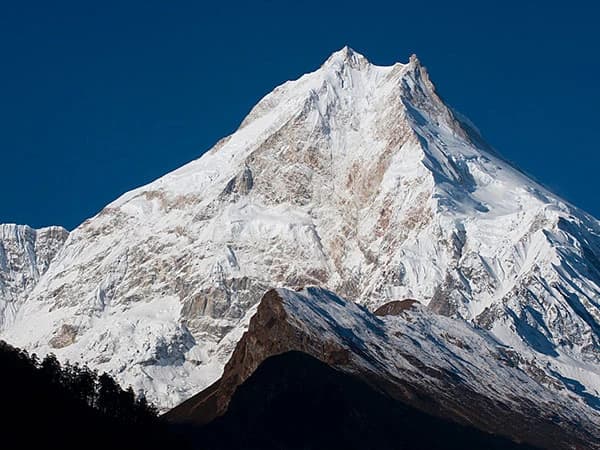
Manaslu Circuit Trek — Quick Facts for 2026/27
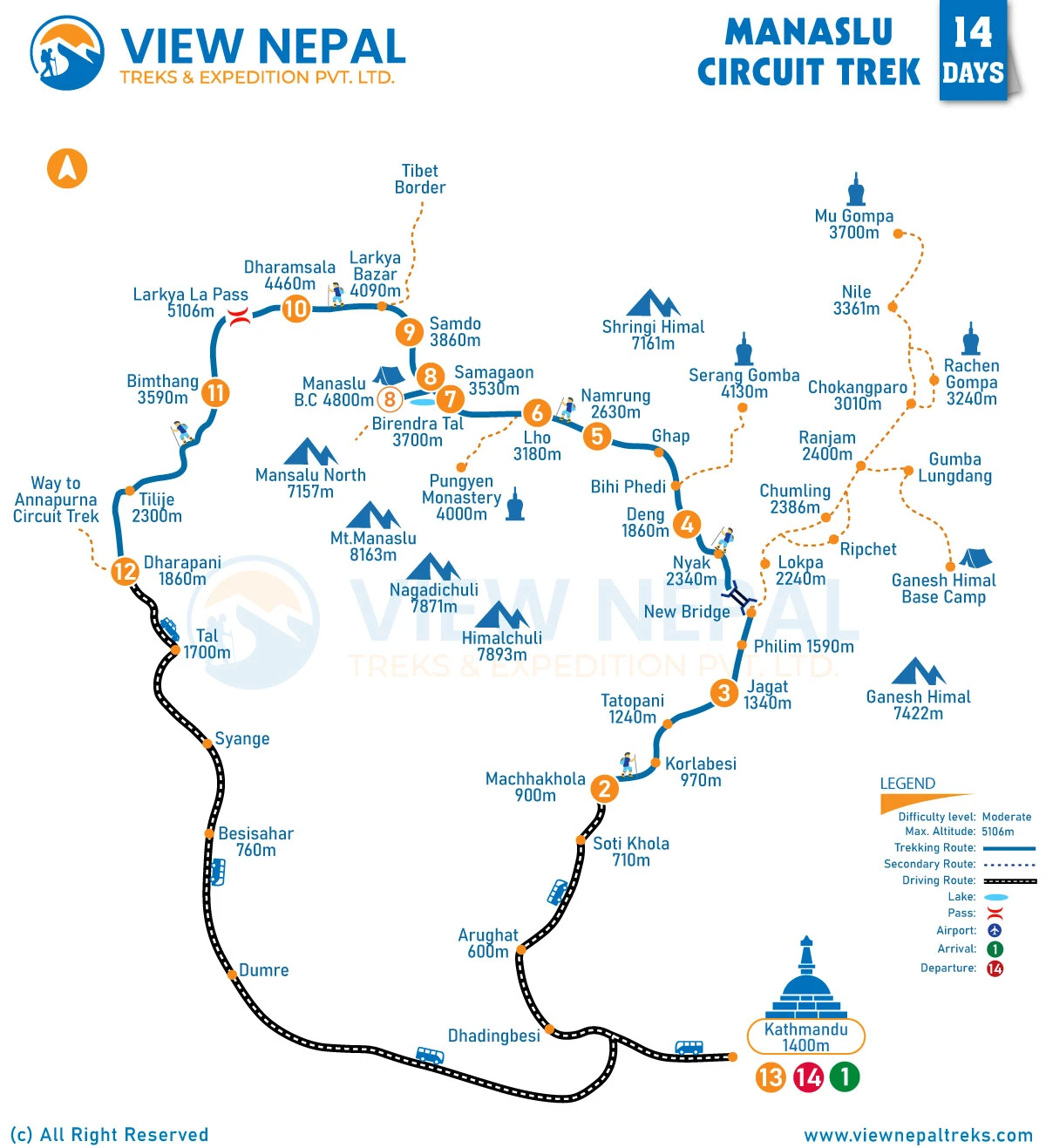
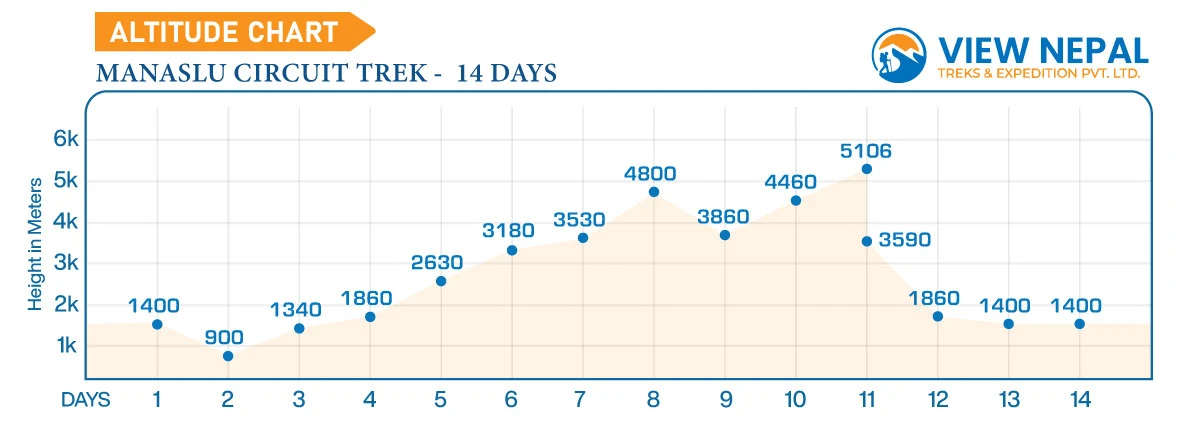
The Manaslu Circuit Trek is a 14-day guided trek in the restricted Manaslu region of northern Nepal, circling Mount Manaslu (8,163m) — the world's eighth-highest mountain. The trek reaches its highest point at Larkya La Pass (5,106m) and covers roughly 170km through the Budhi Gandaki Valley, passing through Tibetan-influenced villages, forests, and glacier terrain.
Key facts at a glance:
- Duration: 14 days (Kathmandu to Kathmandu), with option to extend
- Maximum altitude: 5,106m / 16,752ft at Larkya La Pass
- Difficulty: Strenuous — suitable for fit, experienced trekkers
- Guide requirement: Mandatory, Solo trekking is not permitted
- Permits required: Restricted Area Permit (RAP), MCAP, ACAP, Chumnubri Municipality Permit
- Best time: October–November (autumn) and March–May (spring)
- Package price: From USD 800/person (group of 14–20), all inclusive
- Trek type: Teahouse trek — no camping required
- Starting point: Machha Khola (after jeep drive from Kathmandu)
- Ending point: Dharapani (jeep back to Kathmandu)
This is a restricted-area trek. Every trekker must be registered through a licensed Nepali trekking agency. We handle all permits, guides, transport, accommodation, and meals — you focus on the trek itself.
Manaslu Circuit Trek is one of the best adventurous remote treks in Nepal. The 14-day trek is the circuit around Manaslu(8163m), 8 th highest mountain in the world. This normal itinerary usually takes fourteen days, exploring traditional village life, forests, and high mountain environments, and crossing the outstanding Larkya La Pass at 5,106m. It is about 170 to 180km long, passing Samagaun and Samdo, which are strongly influenced by Tibet, and gives a great view of Manaslu,Himlung Himal, and the Annapurnas as well. It's a moderate tea house trek in a restricted region. Hence, a permit and a registered guide will be required.
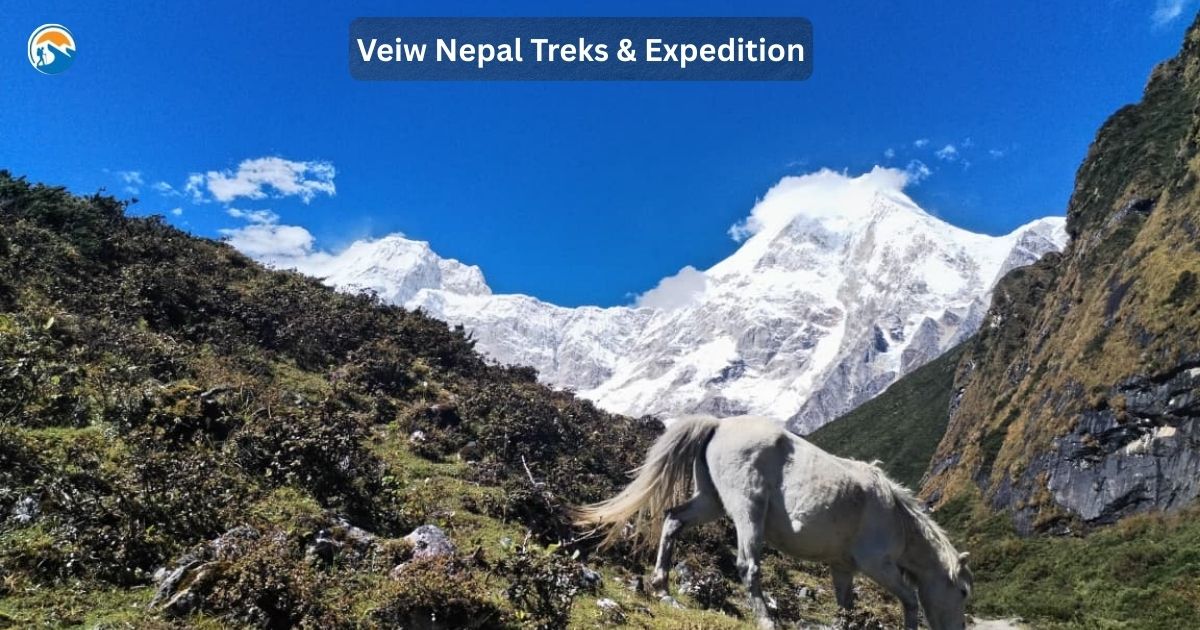
Introduction to 14 Days Manaslu Circuit Trek
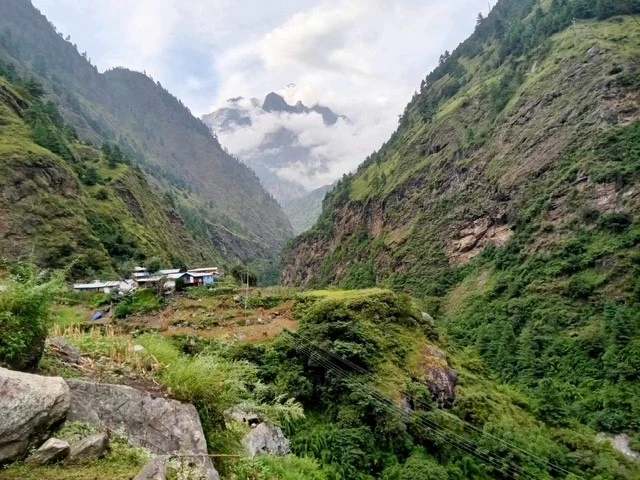
Manaslu Circuit Trek 14 Days is one of Nepal's most magnificent Himalayan trekking adventures. This trek encircles Mount Manaslu, which is 8163 metres; it is the 8th tallest mountain in the world. This trek also goes through an isolated part of Nepal known as Budhi Gandaki Valley. Thousands of friends of this trek have said it is a wildly beautiful place to explore. There are also numerous alpine vistas on this trek (as well as traditional villages).
The highlight of this trek (Manaslu Circuit Trek 14 Days) is the epic Larke Lal Pass at 5106 metres. Although this is the last pass we will cross (I will explain why), it is also the highest location on the trek, and therefore the most difficult. The overall distance to be covered on the trek is approximately 165 180 km (103 111 miles). The trek takes you through dense forest, deep river valleys, terraced hillsides, and the high mountain valley to get to Namrung, Lho, Samagaun, and Samdo (the Tibetan influenced villages). All of these villages are incredible places to witness a real authentic culture of the Himalayas through their ancient monasteries, prayer flags, mani walls, and the kindness of the local people who provide you with their hospitality.
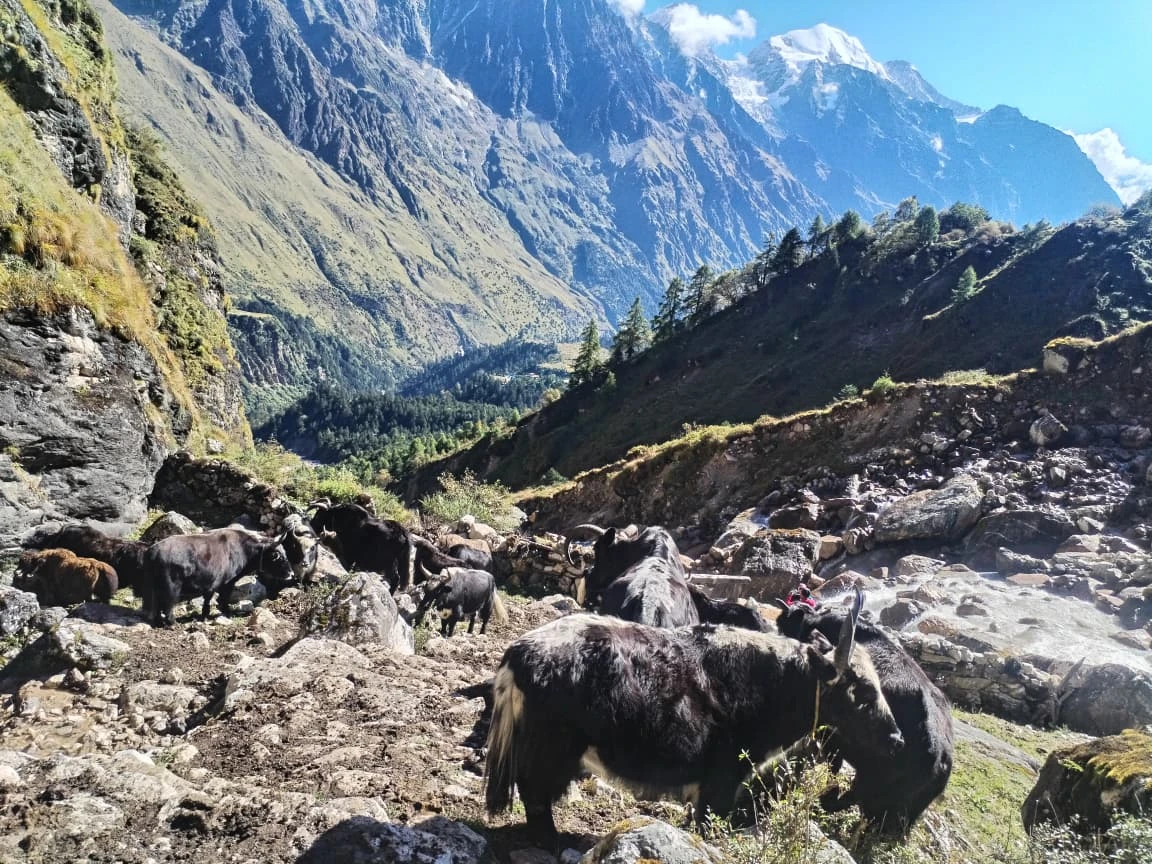
The Manaslu region is not as modernised and developed as the Everest or Annapurna regions; being an untouched region, there are fewer trekkers, creating a much more peaceful atmosphere for travellers looking for an authentic trekking experience. This is a route that was established as an early salt trading route between Tibet and Nepal. On the way, you can enjoy magnificent views of snow-capped Manaslu, Himlung Himal,Cheo Himal, and Annapurna II. The other areas, apart from the stunning mountain views, also form lovely, rugged scenery for each day's trek. This includes tropical forests, waterfalls, glacier valleys, and many rugged pieces of the Himalayas' northern aspects.
A highlight of the Manaslu trek is the crossing of Larkya La Pass, one of Nepal's most stunning passes in the high Himalayas. After reaching the summit of Larkya La Pass, trekkers enjoy 360-degree views of virtually every major mountain chain and peak in the surrounding area, again creating unforgettable memories for those who complete this demanding trek and descend into the Bimthang valley before ultimately connecting to the Annapurna region. Although Larkya La Pass is one of the region's more physically demanding treks, it can safely and successfully be accomplished with proper acclimatization and with an experienced guide.
The Manaslu region is designated as a restricted area; trekkers wishing to trek through the region will need to obtain a special permit and travel with a licensed guide. This will ensure that the Manaslu region maintains its natural resources, culture, and environment.
The 14-day circuit trek around Mt. Manaslu is one of the best places to experience an authentic, less crowded, and truly adventurous trek through the Himalayas. It is a true hidden gem of a trekking destination in Nepal and one of the world's greatest treks on earth.
Highlights of Mount Manaslu Circuit Trek Nepal
-
On this incredible trek around Mount Manaslu (8163 m), the 8th highest mountain in the worldexperience amazing close-up views of the massive Himalayan mountains.
-
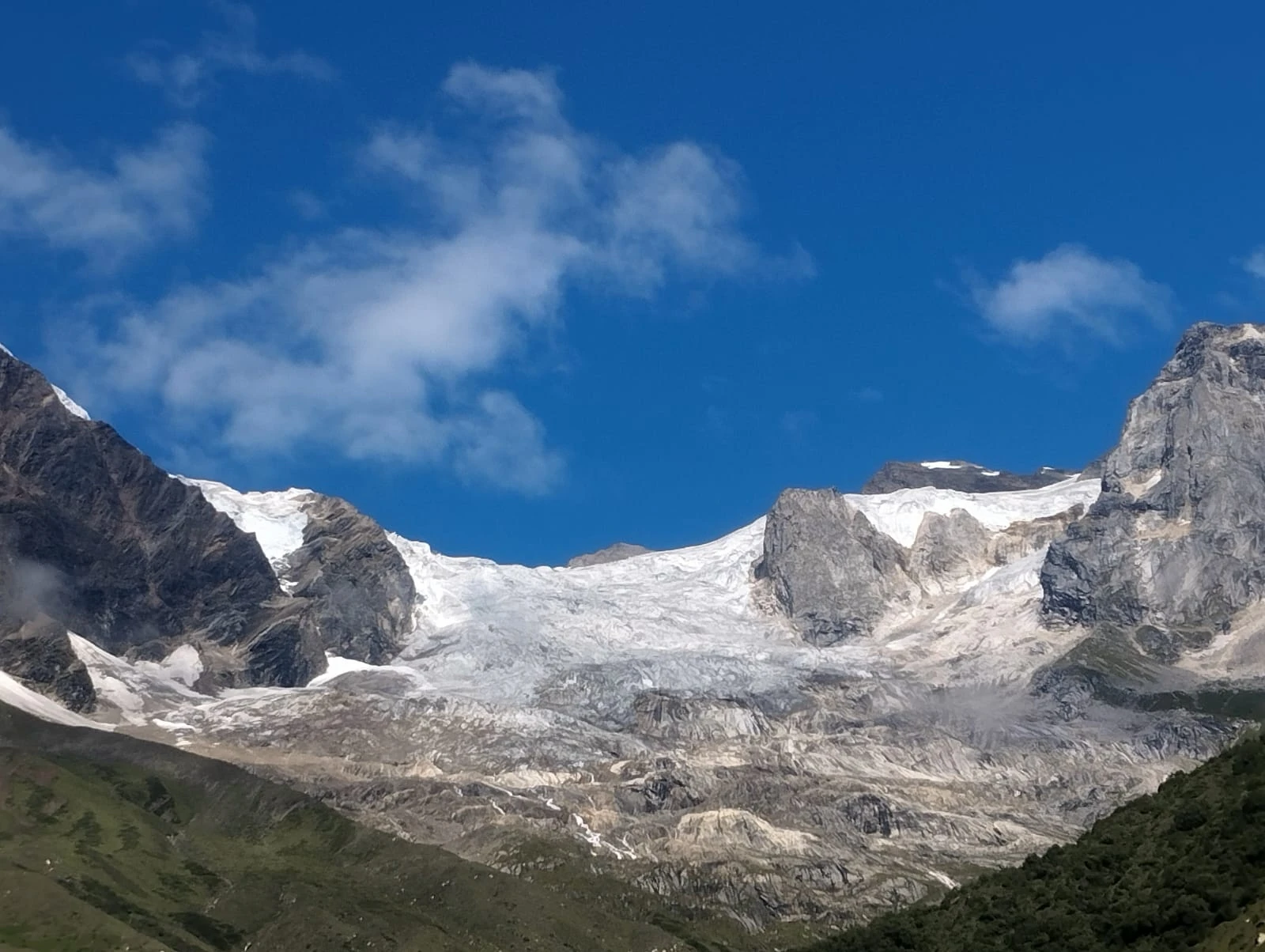
Cross the awe-inspiring Larkya La Pass (5160 m), one of the most scenic and challenging high mountain passes in Nepal, with spectacular views of snow-capped peaks and glaciers.
-
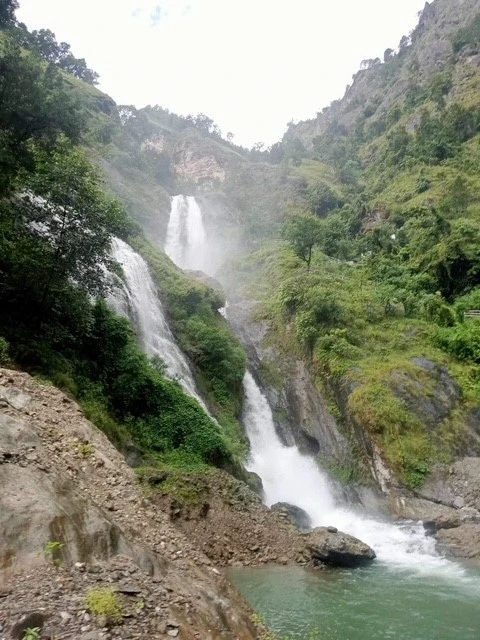
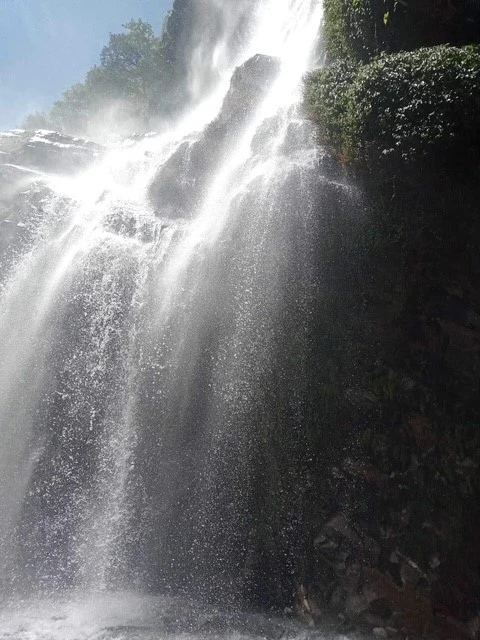
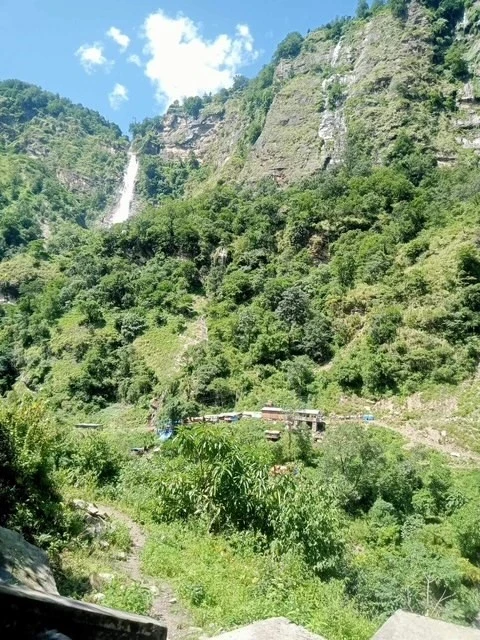
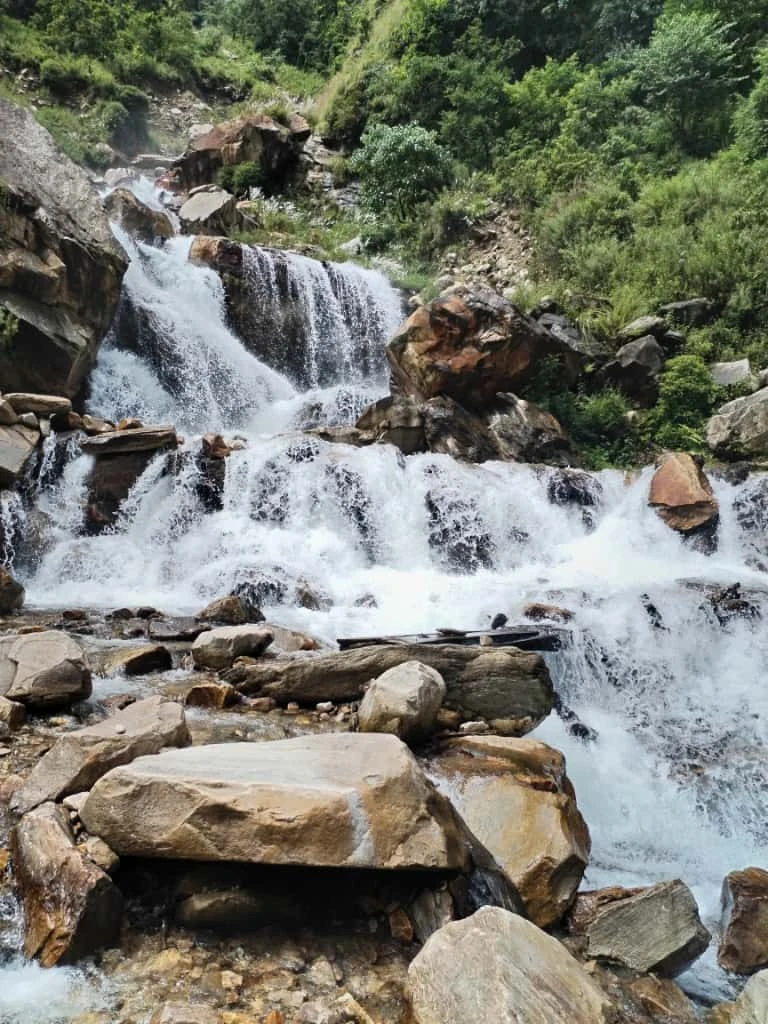
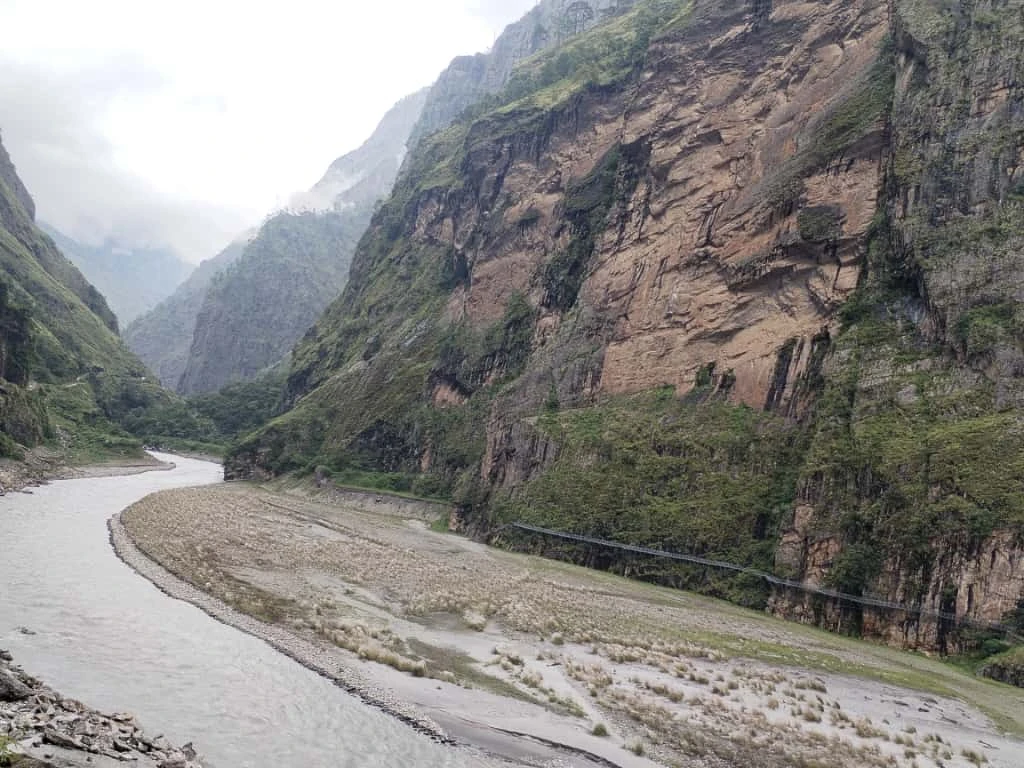
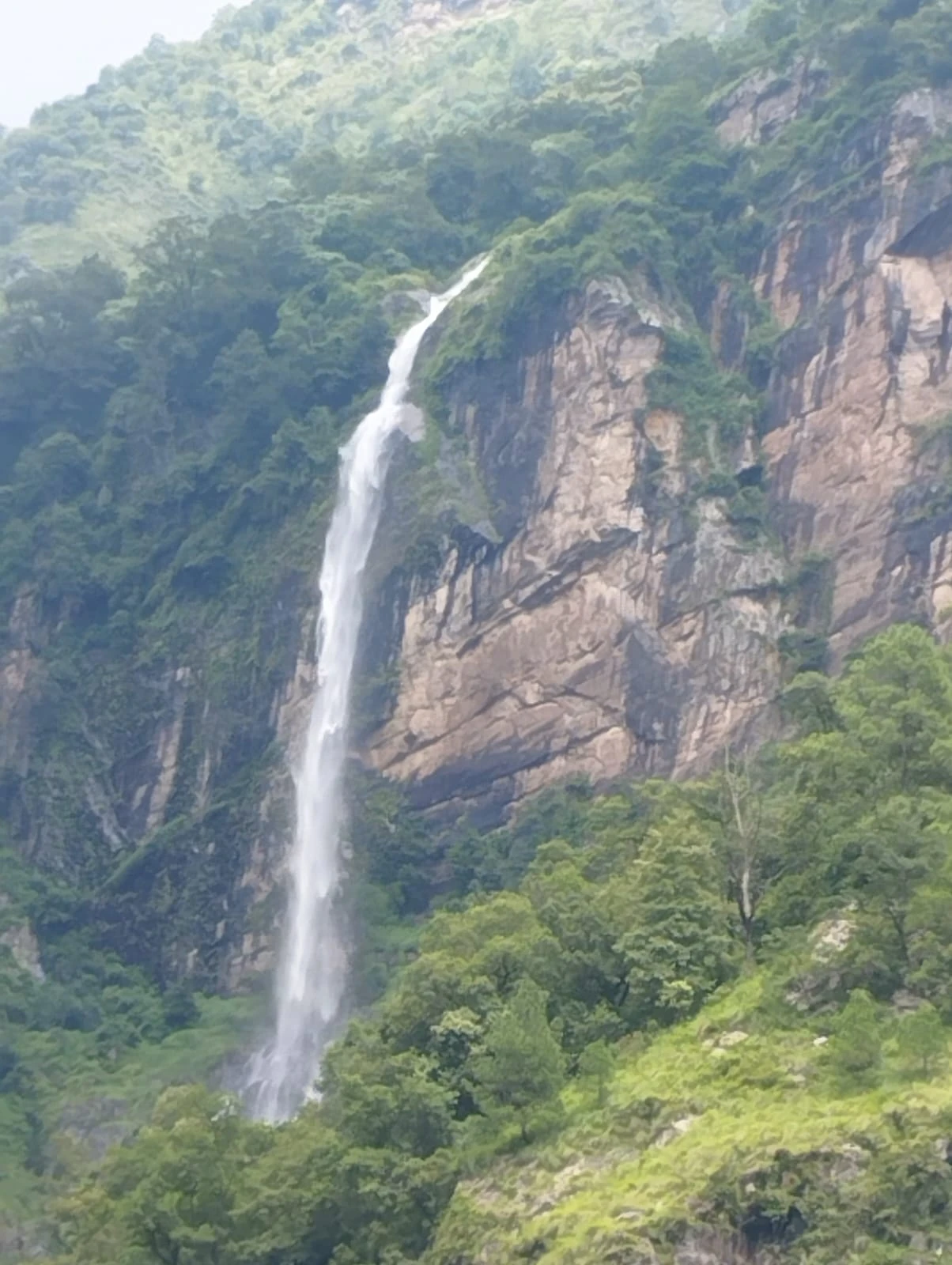
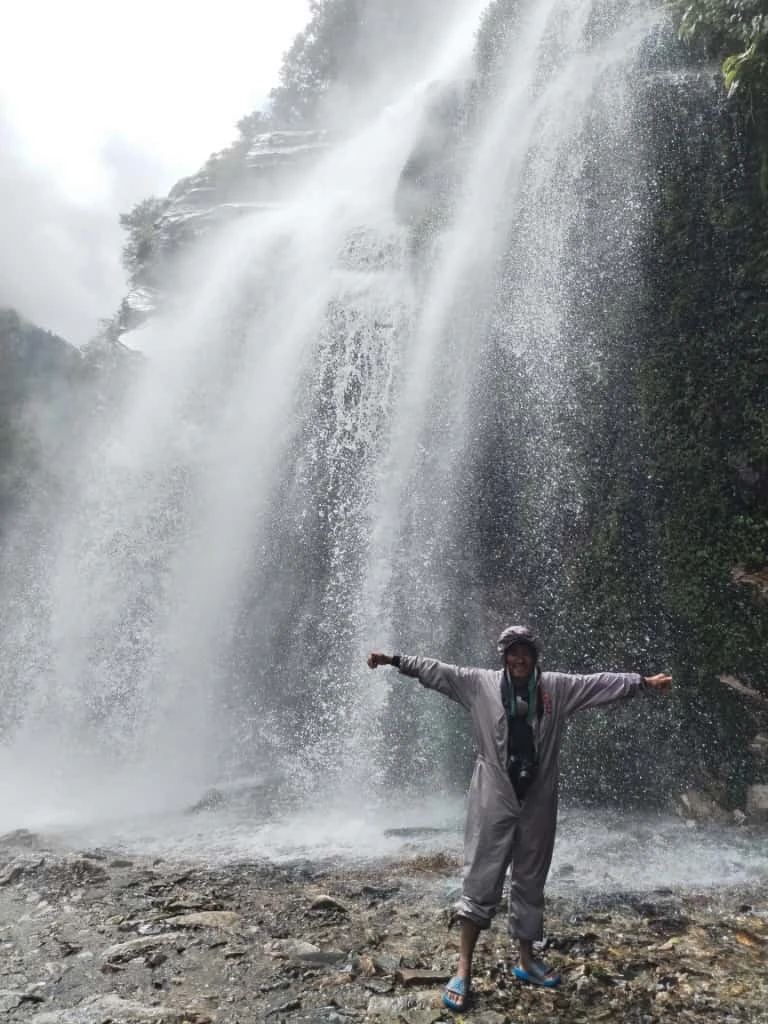
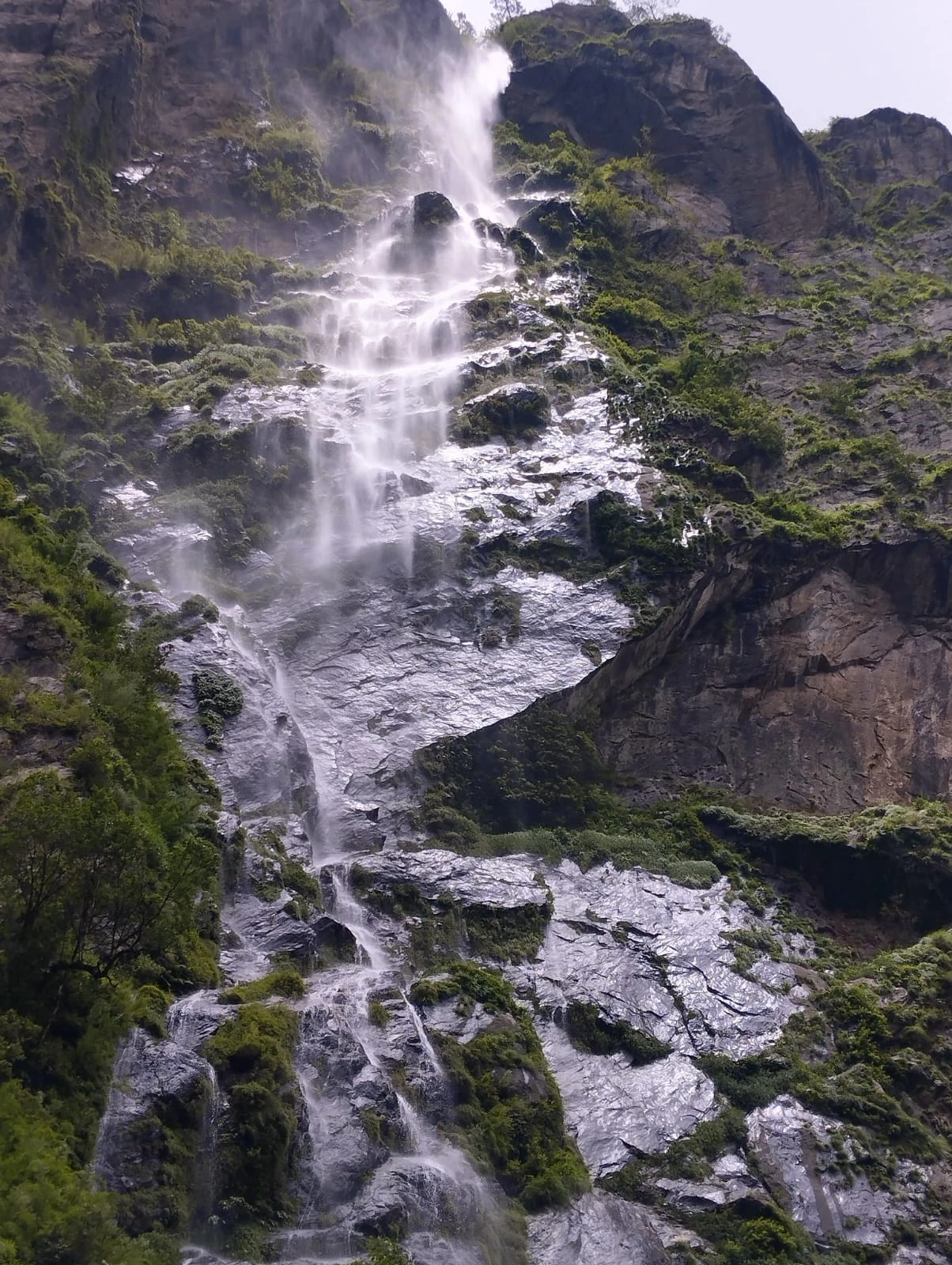
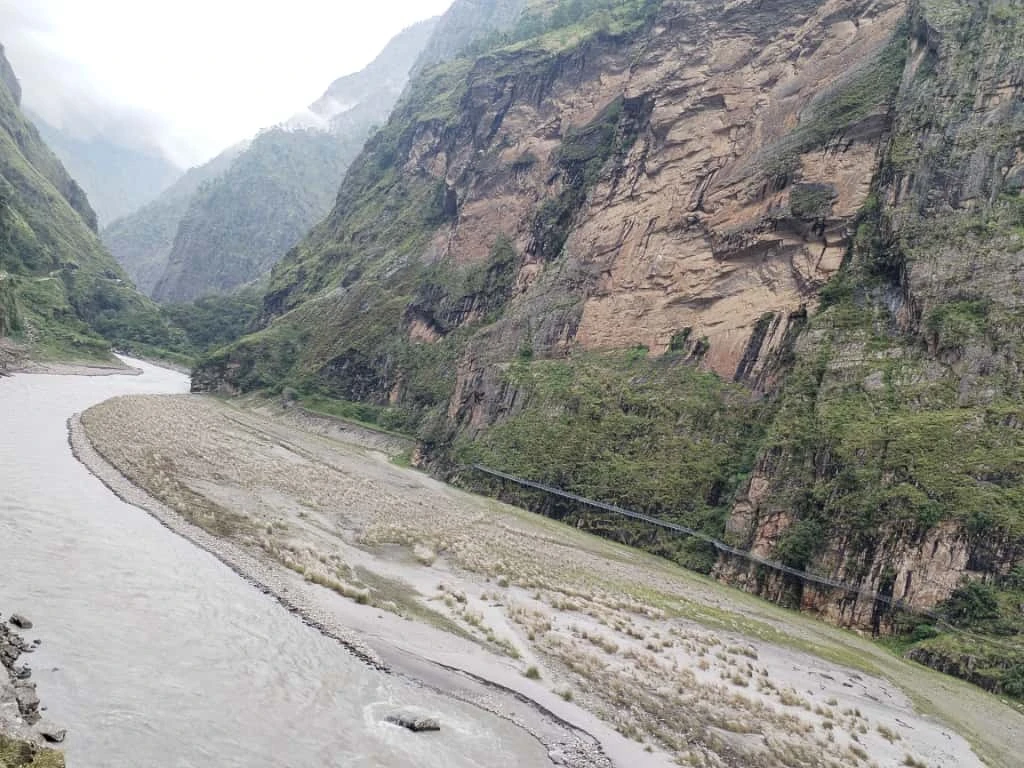
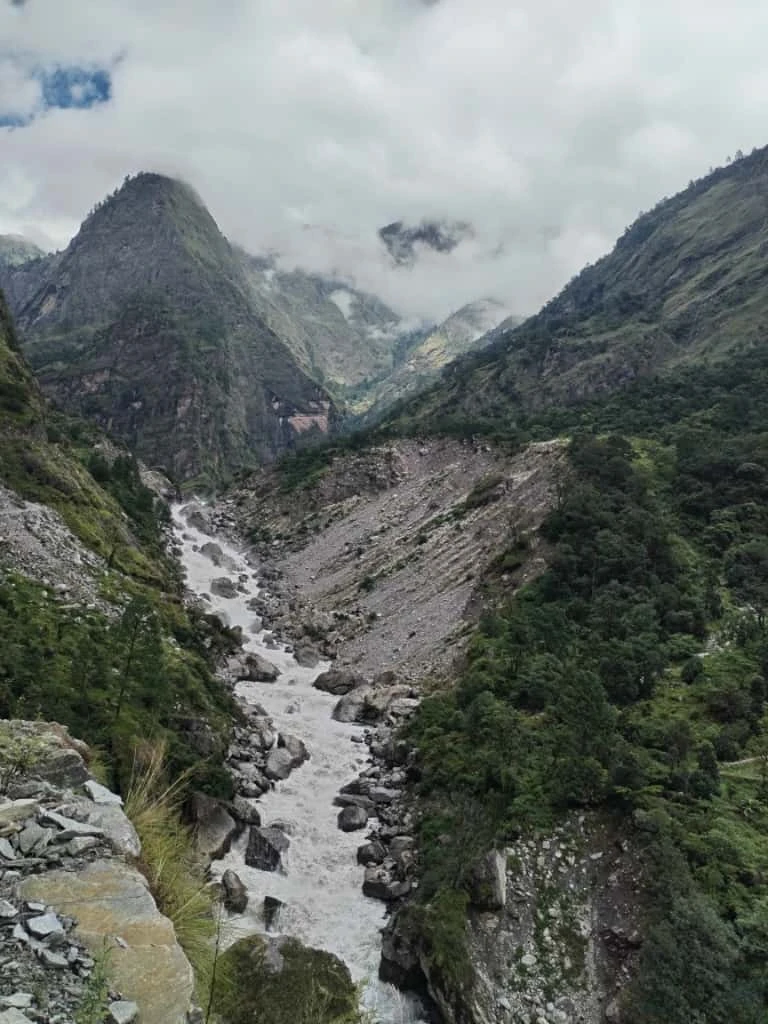
Venture into the deep gorge of the Budhi Gandaki River, with roaring waterfalls, giant cliffs, and many miles of long suspension bridges.
-
Discover authentic Tibetan-influenced cultures by visiting remote villages such as Samagaun, Samdo, Lho, and Namrung.
-
Experience ancient Buddhist monasteries, chortens, mani walls, and colourful prayer flags that dot the trail.
-
Be amazed at the exceptional views of such beautiful mountains as Manaslu, Himlung Himal, Cheo Himal, Kang Guru, and Annapurna II.
-
Enjoy spectacular alpine scenery from lush forests and terraced hills, to glacier fields, with high mountain valleys in between.
-
Acclimatise with an extra day of hiking to either Manaslu Base Camp or Birendra Lake from Samagaun.
-
Encounter many species of Himalayan wildlife as you navigate through the pristine wilderness of the Manaslu Conservation Area while trekking.
-
Enjoy a more peaceful and less crowded trekking experience than you will find on the popular trekking routes throughout the Himalayas.
-
Reach the beautiful valley of Bimthang, surrounded by snow-clad mountains and glaciers.
-
Follow an ancient trade route between Nepal and Tibet, while immersed in the traditional lifestyle of the local mountain people.
Where Is the Manaslu Circuit Trek Located?
Manaslu Circuit Trek is a trekking route in the secluded Gorkha District of north Nepal, neighboring Tibet, and in Manaslu Conservation Area, an off-the-beaten-track trekking route that circumnavigates the world's 8th highest peak, Manaslu (8163m), passing through the Budhi Gandaki river valley by way of Tibetan-style villages, old monasteries, glaciers, and forests.
The trek starts from Machhakhola after a long drive from Kathmandu and gradually climbs to the town of Samagaun, the village of Samdo, and finally to the famous Larkya La Pass (5,106 meters) before descending into the Annapurna region at Dharapani, which is located approximately 25 kilometers south of the Larkya La Pass.
Unlike at Everest Base Camp and Annapurna, the Manaslu Circuit Trek is not crowded and provides a more remote experience of trekking in the Himalayas. The Manaslu Circuit Trek is also a restricted region; therefore, all trekkers who wish to complete the trek will need special permits and will require the assistance of a licensed guide.
Manaslu Circuit Trek Actual Location
|
Trek Detail |
Information |
|
Region |
Gorkha District, Northern Nepal |
|
Main Mountain |
Mount Manaslu (8,163m) |
|
Trek Starting Point |
Machhakhola |
|
Highest Point |
Larkya La Pass (5,106m) |
|
Ending Point |
Dharapani |
|
Nearby Border |
Tibet |
|
Conservation Area |
Manaslu Conservation Area |
|
Trek Type |
Remote Tea House Trek |
|
Permit Requirement |
Restricted Area Permit Required |
|
Best Known For |
Remote Himalayan scenery and Tibetan culture |
Is the Manaslu Circuit Trek Right for You?
Not every trek suits every traveller, and we'd rather you know the honest picture before booking.
This trek is well-suited for you if:
- You have prior trekking experience at altitude, or have completed a multi-day Himalayan trek before
- You're comfortable walking 5–8 hours per day on uneven, often steep terrain
- You've done at least 6–8 weeks of cardio training before departure
- You're looking for a quieter, more remote experience than Everest Base Camp or Annapurna Circuit
- You're genuinely interested in Tibetan Buddhist culture, not just mountain views
This trek requires more consideration if:
- You've never trekked above 3,500m before
- You have a known heart or respiratory condition
- You expect luxury accommodation above Samagaun — teahouses at high altitude are basic
- You're travelling with very young children (under 10 is generally not recommended)
For couples: The Manaslu Circuit is an excellent choice for adventurous couples. The relative quiet of the trail, the dramatic scenery, and the shared challenge of Larkya La Pass make it a meaningful experience that's difficult to replicate on busier routes. We recommend October for the clearest conditions and warmest teahouse availability.
For seniors (50s, 60s, early 70s): We guide trekkers in this age range regularly, and many complete the circuit without difficulty. The key is pacing, not speed. We can extend the itinerary to 16 days with additional acclimatization time, which makes a significant difference in how your body handles the altitude gain. Let us know your situation when you enquire and we'll tailor the approach.
For families with children: Children aged 10 and above who are physically active can manage this trek with proper pacing and rest days. The altitude at Larkya La Pass (5,106m) is the main concern — younger children should not attempt this crossing. If trekking with kids, we strongly recommend building a custom itinerary around their pace rather than fitting a standard group departure.
Why Choose the Manaslu Circuit Trek in 2026, 2027 and 2028?
-
Take part in one of Nepal's best remote Himalayan treks: the Manaslu Circuit Trek the region around Mount Manaslu (8,163m) – the 8th highest mountain in the world.
-
On this trek, you'll be able to enjoy a less crowded option than the Everest Base Camp Trek or the Annapurna Circuit Trek! The trails will be less populated, as well as the remote mountain villages along the route.
-
However, the most rewarding aspect of hiking this route will be your opportunity to cross the beautiful Larkya La Pass (5,106m), one of Nepal's most dramatic high passes.
-
You will also get to see a true Tibetan Buddhist culture by visiting ancient monasteries, mani walls, prayer wheels, and through traditional Himalayan villages such as Samagaun and Samdo.
-
Along with all of the enjoyment of the scenery, Manaslu, Himlung Himal, Annapurna II, Ganesh Himal, and Cheo Himal are all visible from various points along the trek.
-
The scenery is also extremely diverse, including forests, glacier valleys, waterfalls, rivers, alpine meadows, and snowy mountain terrain.
-
You will truly be a part of an off-the-beaten-path Himalayan adventure in Nepal's protected restricted trekking region, on a guided group trekking venture with a local guide/porter to provide you with a fully authentic teahouse trekking experience.
Guided Manaslu Circuit Trek 14 Days for International Travelers in 2026 and 2027
Manaslu Circuit Trek from the UK
Hikers from the United Kingdom prefer to hike the Manaslu circuit as it provides a more peaceful and adventurous trekking experience than most Everest routes. UK hikers typically travel with small guided groups for safety, acclimatization assistance, and permit applications. Most hikers, with some experience, who want to see the real Himalayas, go to monasteries, walk to glacial valleys, and immerse themselves in the real mountain life would love it.
Manaslu Circuit Trek from the USA
The Manaslu Circuit Trek (14 Days) has become the premier Himalayan trekking experience for U.S. travelers looking to go off-the-beaten-path to Everest Base Camp. American trekkers love all the peace, solitude, and tranquility experienced when trekking on remote trails, visiting genuine Tibetan villages, and crossing the picturesque Larkya La Pass.
Most travelers to Nepal from major cities in the USA typically fly to Kathmandu via Doha, Dubai, or Istanbul, before joining a guided group trek to the Manaslu Circuit. Joining a pre-arranged group trek, the permits, guides, and transportation costs are shared, which makes the restricted area trekking process much easier.
Manaslu Circuit Trek From Australia
The Manaslu Circuit Trek is becoming more and more popular with Australian trekkers looking for trekking options away from mainstream tourism in Nepal. Travellers from Australia usually fly through Southeast Asia transit hubs before meeting their traveller buddies to join tour group departures through Kathmandu to begin their trip to the Manaslu region.
There are strict rules about needing a licensed guide and special restricted-area permits in order to trek in the Manaslu region; therefore, most Australian trekkers opt for group treks. The views of Mount Manaslu, remote Himalayan villages, and fewer trekkers than often found in other areas, increase the appeal of this trek for Australian travellers.
Manaslu Circuit Trek From Europe
Many European travellers (Germany, France, Spain, Italy, etc.) are visiting the Manaslu trekking circuit to experience the untouched beauty of the Himalayan mountains, coupled with a strong cultural experience. Many European trekkers prefer guided group departures on set dates as well as organized logistics of travel and the experience of the mountain guide, along with the simplicity of obtaining their trekking permit.
The views on the Manaslu trek are spectacular; however, it does not have the commercialisation of the Everest and Annapurna trekking circuits.
What Trekking to Manalsu Circuit Trek 14 Days Highest Point Larkya La Pass (5,106 m) Feels Like?
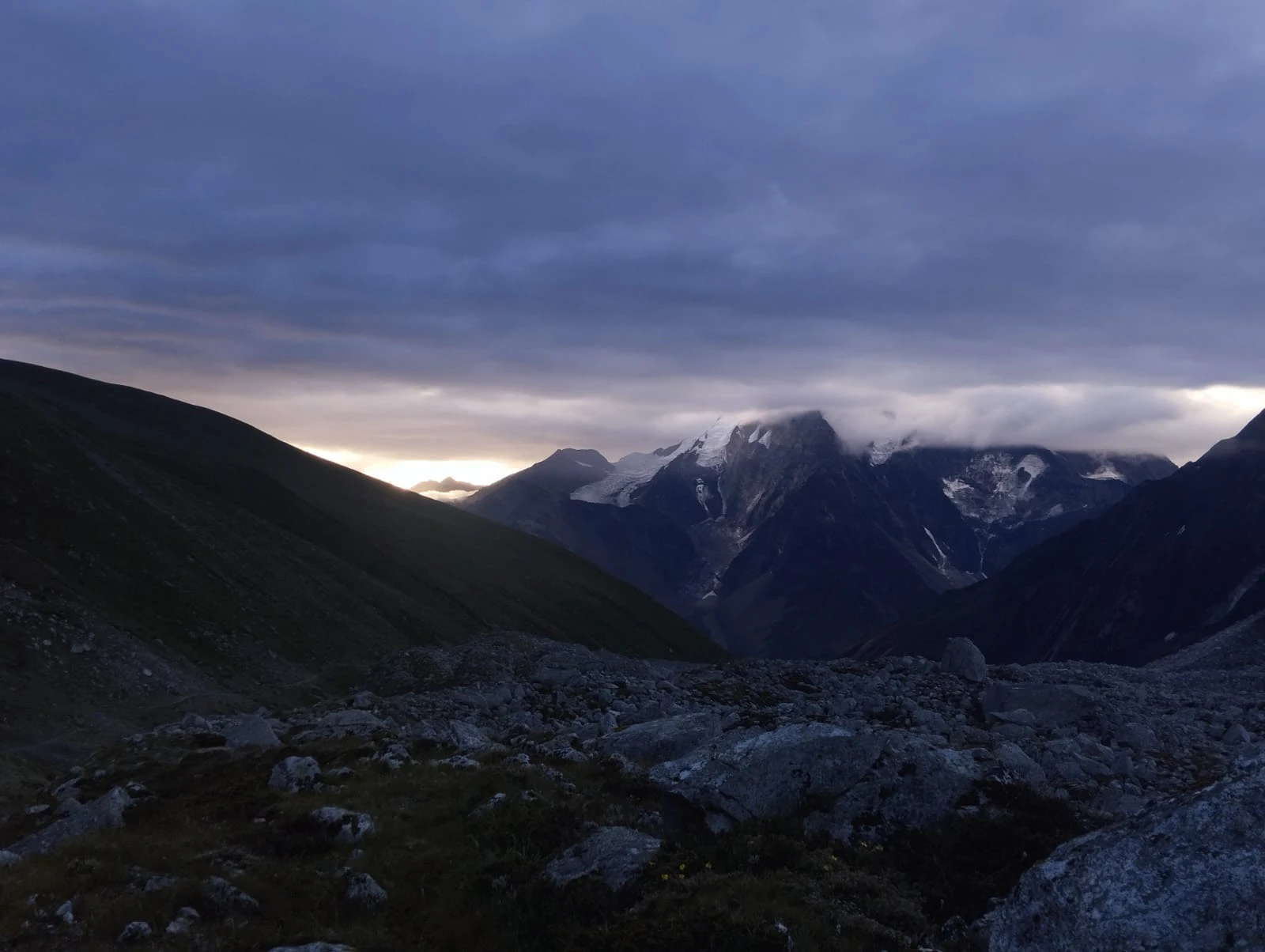
When you trek through the Manaslu circuit towards Larkya La Pass (5,106 m), it seems that you have reached the crest of a mysterious high-altitude realm of the Himalayas. There is nothing in the surroundings except snow-capped mountain ranges, glaciers, ice valleys, and the ultimate silence of these mountains.
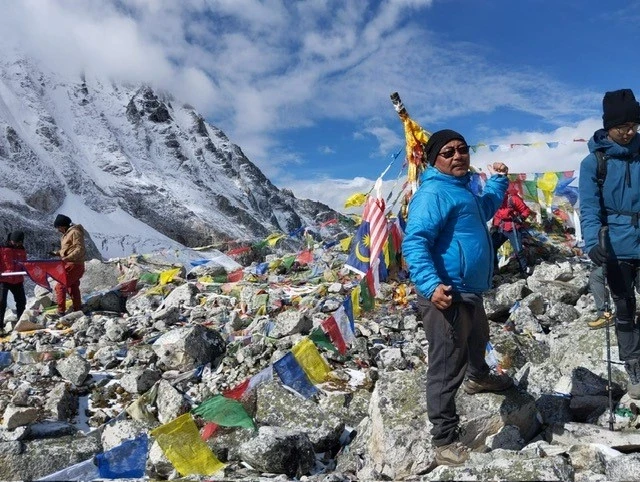
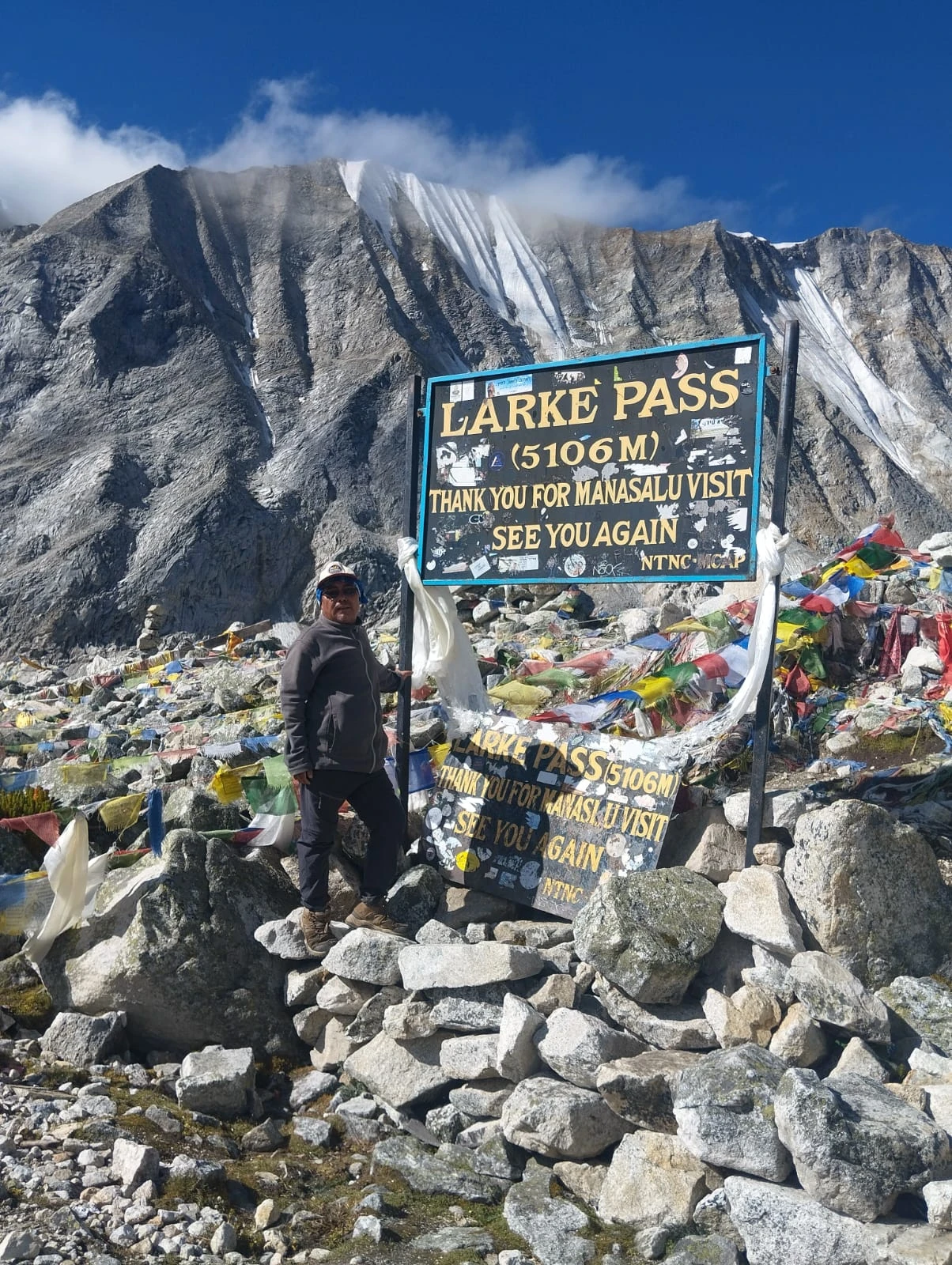
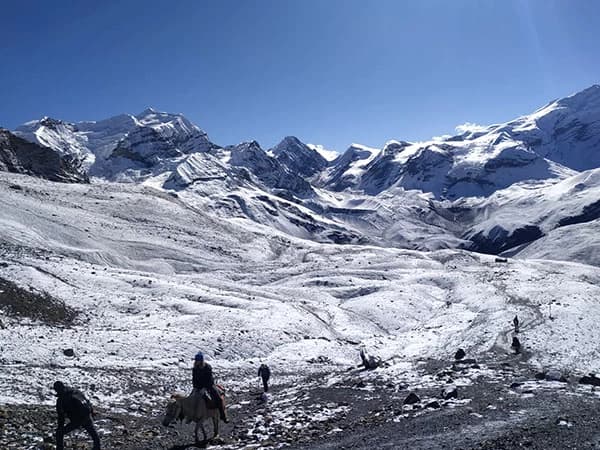
Your day begins at Dharamsala (long before the sun has risen), with frigid temperatures, headlamps to light your way, and you hear every time your foot smashes into the frozen trail. As you continue to make your way up these ridges that are covered in snow (and moraines created by moving glaciers), it becomes progressively harder for you to take a breath due to the thin airless Himalayan atmosphere, and every step you take toward Larkya La Pass is both physically rigorous and emotionally significant. The moment you arrive at the base of Lorkya Lpa Pass (there are hundreds of colourful prayer flags surrounding the base).
All around you, there will be spectacularly high Himalayan mountains surrounding you. Once the trekkers arrive at the top, many will find themselves to be either quiet and emotional or overwhelmed with joy because they've planned for many months and hiked for several days through remote valleys, finally to arrive at this location.
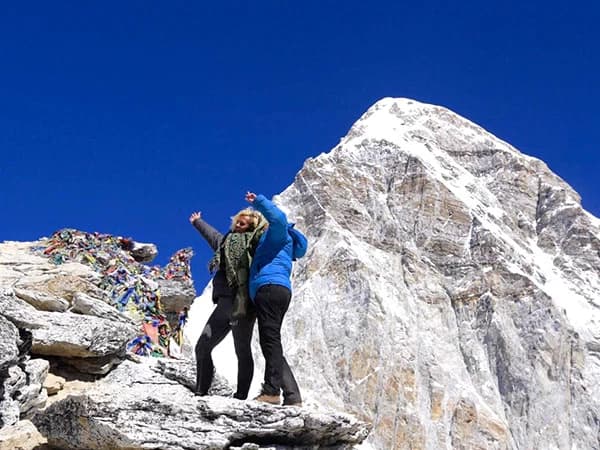
When the trekkers get to the top, the local guides will generally provide them with warm tea and will celebrate or give them a traditional congratulation. Also, the trekkers will take photos of each other next to the fluttering prayer flags with the following mountains in the background: Mount Manaslu, Himlung Himal, Cheo Himal, Kang Guru, and Annapurna II.
Larkya La, unlike the busy mountain passes of Nepal, has an untouched feel, a sense of solitude, and an experience that is purely wilderness. It is situated on a wide open flat surface surrounded by snow, glaciers, and a stunning view. Successfully reaching Larkya La, seeing thousands of prayer flags fluttering in the winds, and the stunning Himalayan vista make it one of the most wonderful treks in Nepal. As many trekkers who do the Manaslu Circuit Trek 14 Days have said, crossing Larkya La is both the most difficult and the most rewarding part of their journey. Reaching Larkya La was itself such an achievement. The vision of the prayer flags of the thousands fluttering in the wind and the Himalayan view all made it one of the best trekking experiences in Nepal.
What Makes the Manaslu Circuit Trek Better Than Everest and Annapurna?
Manaslu Circuit Trek vs Everest Base Camp Trek
With the Everest Base Camp Trek being a world-famous trek, it is also one of the most popular treks due to its high exposure to trekking, commercial lodges, helicopter flights, etc. However, the Manaslu Circuit Trek provides a much more remote and quiet experience in the Himalayas. In addition to this, Manaslu is more culturally authentic and has no trace of how busy Everest is with commercial activities trekking on heavily used, busy trails; helicopter flights; and so forth. Trekking in this area, climbers will witness beautiful glacial valleys and the amazing views of the Larkya La Pass, which is very congested with other trekkers/climbers on the way.
Manaslu Circuit Trek vs Annapurna Circuit Trek
Compared to the Annapurna Circuit Trek, the Manaslu Circuit Trek is much more adventure-oriented than commercial-oriented, as a result of the number of roads currently built in the Annapurna area; only a small portion of the Annapurna Trek would have natural trekking sections through less populated, undeveloped mountain terrain. There are also many more traditional Tibetan Buddhist cultural experiences and lifestyles on the Manaslu Circuit compared to the Annapurna area.
Why Many Trekkers Prefer Manaslu
Manaslu has become a preferred trek for many due to its remote wilderness with an authentic culture, incredible views of massive mountains, and an exciting adventure, all in one trek with fewer crowds than the Everest and Annapurna regions.
Trek Around the World’s Eighth-Highest Mountain Mount Manaslu
The trek around the eighth-highest mountain in the world Mount Manaslu (8163m) is the main highlight of the 14-day Manaslu Circuit Trek in Nepal’s remote Manaslu Himalaya, bordering Tibet and known as “Mountain of the Spirit” in Sanskrit. Mount Manaslu is distinguished by its large, snow-capped peaks, glaciers, and sublime Himalayan beauty.
The circuit follows the ancient Budhi Gandaki River Valley and wraps around Manaslu through Tibetan villages, monasteries, pristine forests, and alpine meadows. Fantastic views of Manaslu peak can be experienced at Namrung, Lho, Shyala, Samagaun, and Birendra Lake just prior to traversing the Larkya La (the highest pass on the trek). The Manaslu region is remote, less frequented and culturally untainted than the Annapurna or Everest regions and is arguably the greatest trekking region for true Himalayan adventure.
Mount Manaslu Facts
|
Mountain Fact |
Details |
|
Mountain Name |
Mount Manaslu |
|
Height |
8,163 meters |
|
World Ranking |
8th Highest Mountain |
|
Location |
Gorkha District, Nepal |
|
Mountain Range |
Mansiri Himal |
|
Meaning |
Mountain of the Spirit |
|
Best Viewpoints |
Lho, Samagaun, Shyala, Samdo |
|
Famous Pass |
Larkya La Pass (5,106m) |
|
First Ascent |
Japanese Expedition, 1956 |
|
Trek Type |
Remote Himalayan Circuit Trek |

2 week Fully Guided Group Trek to Larke la Pass and Manalsu
This package is an all-inclusive tour in the Himalayas for trekking purposes. It has been a 2-week group trek to Larke La pass-Manaslu with a guide as a member of your travelling group. All arrangements regarding your travel, hotels, permits, food each day and other safety measures are all arranged. This trekking trip in the Manaslu region of Nepal is an exclusive international traveler (guest) tour for ease and comfort while enjoying with group members in unknown territory.
Tour guides provide information about the area (facts, history, etc.), assist with altitude sickness management, manage the meals, assist with obtaining the required permits, and help trekkers gain an understanding of the culture where they will be trekking. In addition, group trekking provides a lower overall cost for all trekkers, as both the transportation and guide costs are shared amongst the different members of the group.
The trek includes walking over one of the most beautiful Himalayan mountain passes, Larkya La Pass (5,106 m), with spectacular views of Mount Manaslu and the surrounding snow peaks.
Best Mountain Views During the Manaslu Circuit Trek 14 Days
The Manaslu Circuit Trek, 14 days, will provide you with some of the greatest panoramic views of the most stunning and beautiful Himalayan mountains in Nepal, such as Mount Manaslu (8,163m, which is the 8th tallest as per the World Rankings).
Along the trek, you will see huge and beautiful snow-capped mountains, glaciers, alpine valleys and the dramatic mountain scenery found between the many villages along the way Namrung, Lho, Shyala, Samagaun, Samdo and Larkya La Pass, which is famous for its breathtaking panoramic views; 360 degrees of spectacular views of some of the most stunning mountains in Nepal.
Not only do the visual characteristics of the mountains (e.g., depth, height, width) change along each of the trails, but also the actual live view from different points (e.g., deep valleys, rolling hills, ice glaciers, high snow-covered passes).
Major Mountain Views During the Manaslu Circuit Trek
|
Mountain Name |
Height |
Best Seen From |
Mountain Highlights |
|
Mount Manaslu |
8,163m |
Lho, Samagaun, Larkya La Pass |
World’s 8th-highest mountain and main highlight of the trek |
|
Himalchuli |
7,893m |
Shyala, Samagaun |
Massive glacier-covered peak beside Manaslu |
|
Ngadi Chuli (Peak 29) |
7,871m |
Shyala, Samdo |
Dramatic snow peak near Mount Manaslu |
|
Annapurna II |
7,937m |
Larkya La Pass, Bhimthang |
Stunning Annapurna range mountain view |
|
Cheo Himal |
6,812m |
Larkya La Pass |
Sharp Himalayan peak near the pass |
|
Himlung Himal |
7,126m |
Dharamsala, Larkya La Pass |
Beautiful high Himalayan mountain near Tibet |
|
Ganesh Himal |
7,422m |
Lower Manaslu Region |
Visible during early trekking days |
|
Shringi Himal |
7,187m |
Namrung Area |
Famous peak rising above Budhi Gandaki valley |
|
Larke Peak |
6,249m |
Larkya La Pass |
Close mountain beside the high pass |
|
Buddha Himal |
6,692m |
Upper Manaslu Region |
Sacred Himalayan mountain in remote valleys |
Fourteen Days Manaslu Circuit Trek Cost in 2026/27/28
A fourteen-day trek around the Manaslu circuit trek cost between $800-930/person in 2026-2027-2028, based on how many people are in your group. The price of the trek typically includes a licensed guide, porter support, appropriate access permits, transportation to/from where you will be trekking, accommodation on the trek and food provided during your trek.
If you are joining a larger group for the trek, your cost will be lower because your share of the costs associated with transportation, guide fees and equipment will be divided by all the members of your group. The Manaslu Circuit Trek is one of the best values for your money for trekking in Nepal as compared with the Everest Base Camp and Annapurna treks.
Manaslu Circuit Trek Group Cost
|
Number of Travelers |
Price Per Person |
|
2 – 4 Pax |
US$950 |
|
5 – 8 Pax |
US$900 |
|
9 – 14 Pax |
US$860 |
|
14 – 20 Pax |
US$820 |
Manaslu Circuit Trek Cost from the USA
The estimated cost to complete the Manaslu Circuit Trek for travellers from the USA is $800 to $950 (not including the cost of international flights). In Nepali currency, the cost is about NPR 120,000 to 145,000, depending on the current exchange rate.
Manaslu Circuit Trek Cost from the UK
The estimated cost for the entire guided trek in a group for trekkers from the UK will range from £630 to £730 per person (not including the cost of flights or other personal expenditures).
Manaslu Circuit Trek Cost from Australia
An estimated cost for the entire 14-day Manaslu Circuit Trek for Australians is approximately AUD 1,220 to 1420 depending upon the size of your group and when you choose to trek.
Manaslu Circuit Trek Cost from Europe
Travellers from Germany, France, Spain, Italy and other European nations can expect the package price to generally be between €740 and €860 per person for the complete guided group trek.
Manaslu Circuit Trek Cost from India
The estimated cost for Indian trekkers for the entire guided Manaslu Circuit Trek is approximately INR 67000-77000 per person, and this cost does not include accommodations in Kathmandu or additional costs related to international transportation.

Why Choose This 8th Tallest Mount Manaslu Trek 14 Days With View Nepal Treks?
-
Professionally licensed & local experienced guides take all guided Manaslu Circuit treks; not only to provide navigation and safety but also cultural awareness/understanding of the Manaslu Circuit.
-
All trekker's trekking permits, including Manaslu Restricted Area permit, MCAP, ACAP and others, are handled by View Nepal Treks itself and therefore, trekkers will not have to worry about anything.
-
A joining system for groups was introduced so that all International trekkers will be able to Trek-travel together and thus share the overall cost as well as share the adventure with fellow trekkers.
-
A porter service is provided, which carries out your baggage for you in this High-altitude trekking.
-
Well-organized 14 DaysItineraryincluding acclimatization at prominent villages like Samagaun and Samdo.
-
Support service of 24-hour from Kathmandu all throughout the journey, right to the mountains, where you could possibly get to know and avail help even during an emergency from Kathmandu and the mountains as well.
-
Trekking will be secured & controlled, and trekkers may feel safe on this remote Himalayan terrain (while trekking across Larkya La pass), safe trekking.
-
Real Cultural exploration that may lead to the encounter of monasteries, Tibetan-influenced monuments and the typical lifestyle of the Himalayas.
-
The pricing policy is so transparent that trekkers will have a clear idea about all the inclusions of the trekking service.
Alternative Manalsu Region Trek Packages
Tsum Valley Manaslu Circuit Trek 21 days