A Kathmandu and Pokhara tour offers a captivating mix of cultural richness and natural beauty, making it one of the most popular travel experiences in Nepal. While Kathmandu showcases ancient history and spirituality, Pokhara mesmerizes with its serene landscapes and proximity to the Himalayas.
Kathmandu, Nepal's vibrant heart, is a cultural heritage treasure trove. It is home to seven UNESCO World Heritage Sites that reflect the country’s rich history and religious traditions.
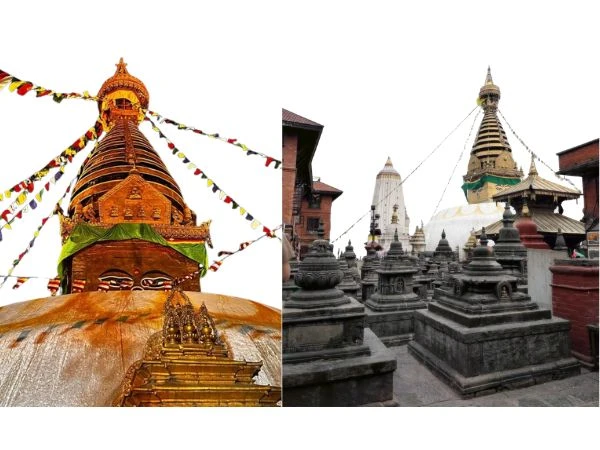
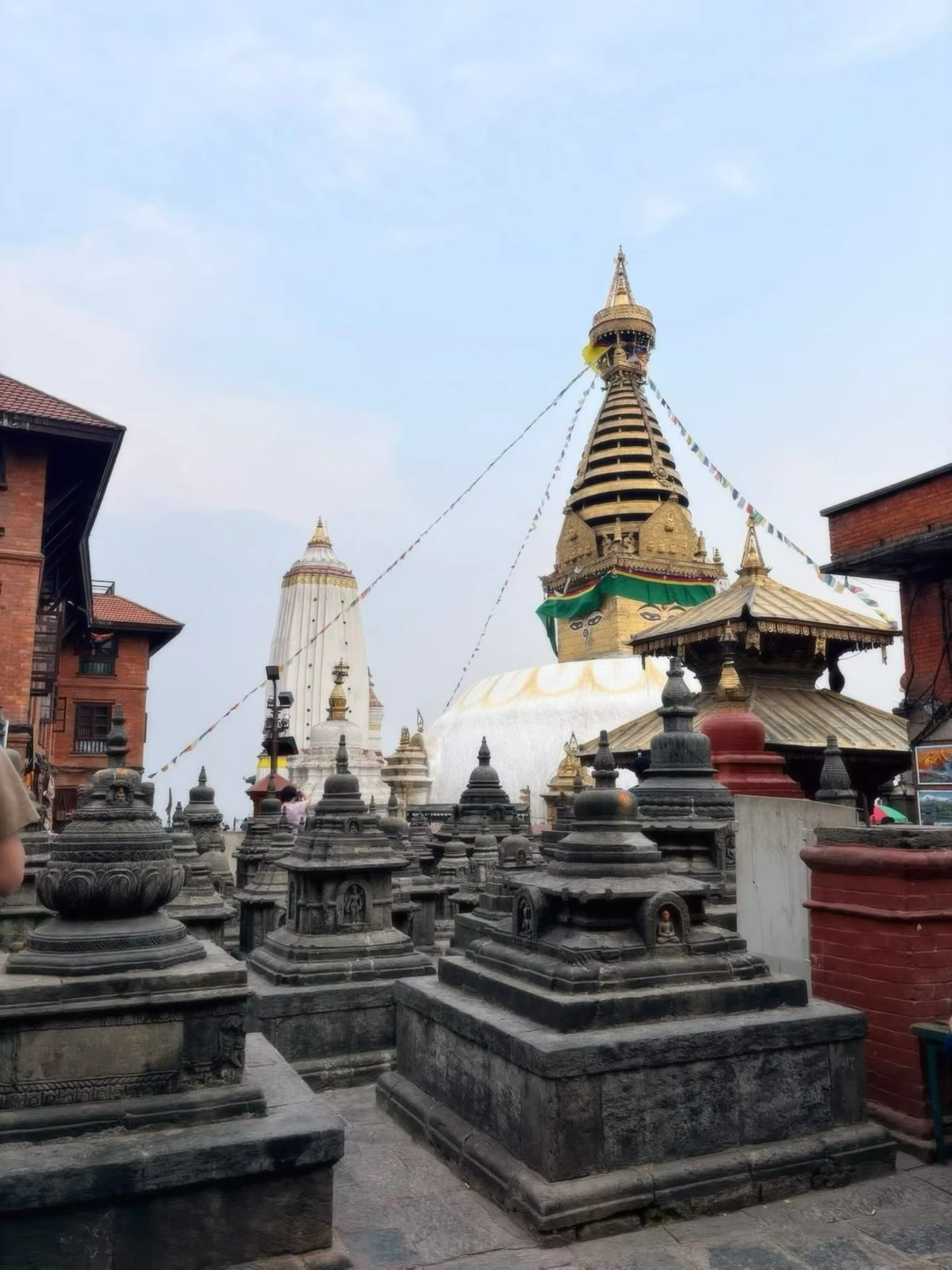
Swayambhunath Stupa (Monkey Temple) Perched on a hilltop, this iconic Buddhist stupa offers panoramic views of the Kathmandu Valley. Adorned with prayer flags and ancient carvings, it symbolizes harmony between Hinduism and Buddhism.
Pashupatinath Temple is a spiritual epicenter, One of the holiest Hindu shrines dedicated to Lord Shiva. The temple complex is located along the Bagmati River, where traditional cremation ceremonies take place, offering a profound cultural experience.
Boudhanath Stupa A massive dome that stands as a symbol of Buddhist spirituality. Surrounded by monasteries, the stupa is a tranquil escape from the city’s hustle and bustle.
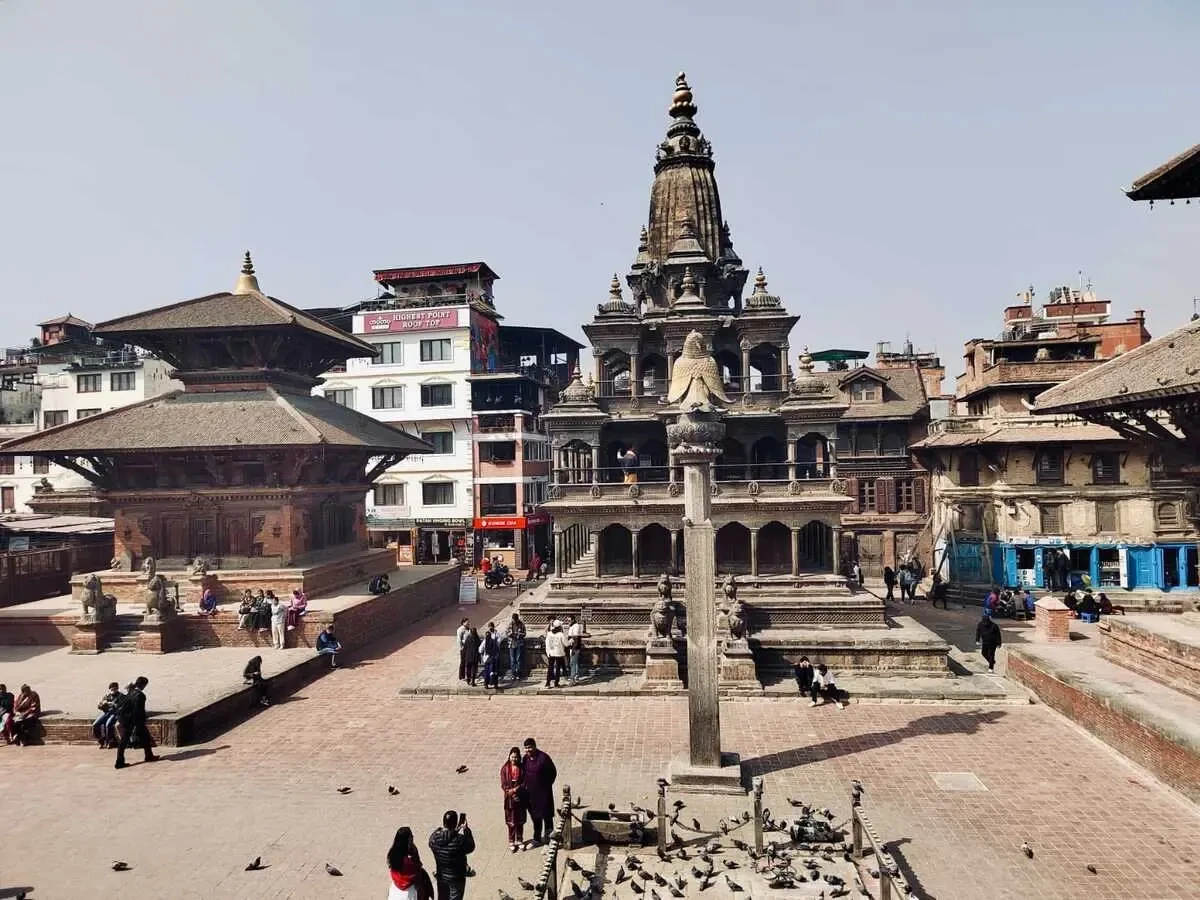
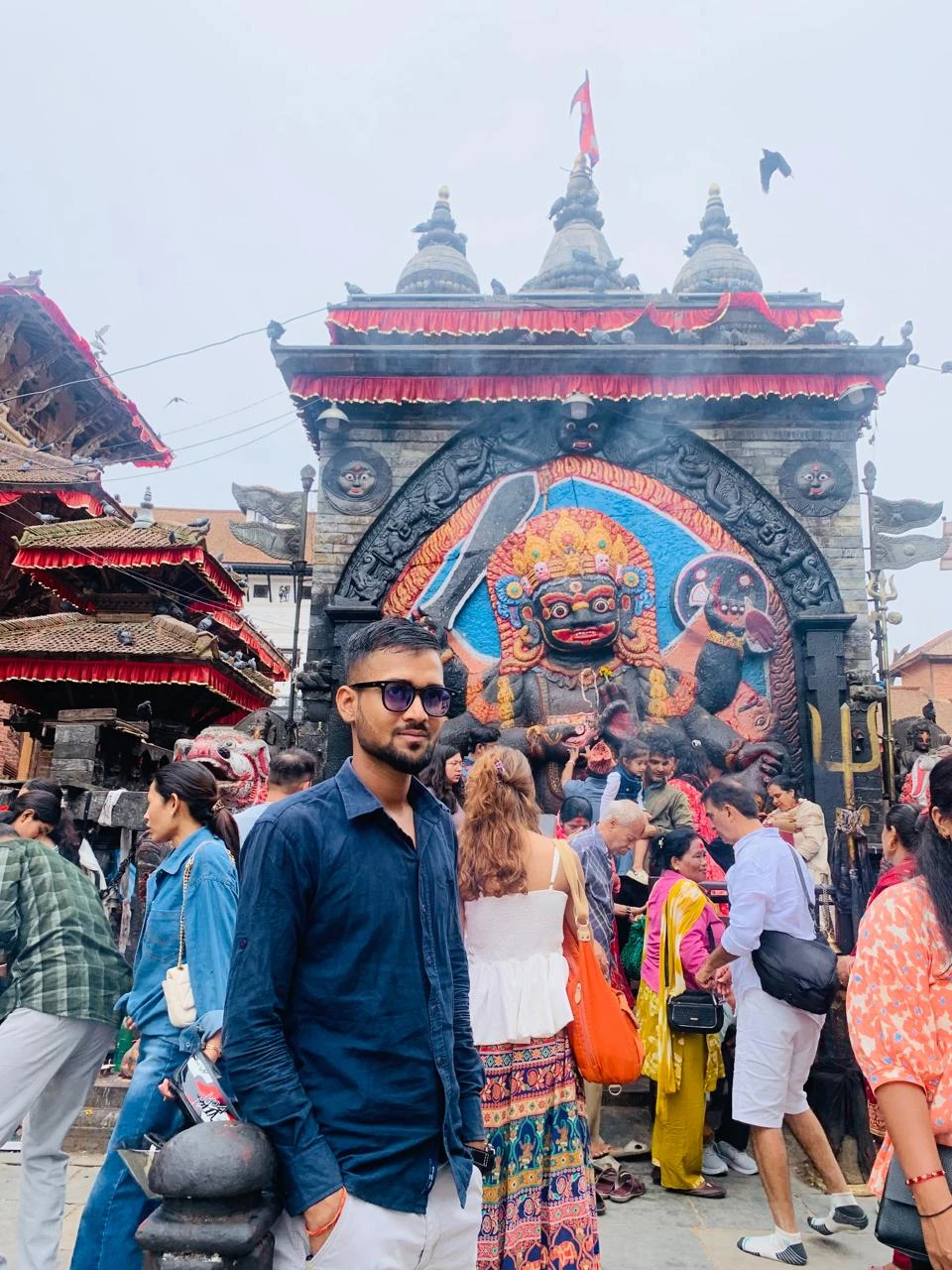
Durbar Squares (Kathmandu, Patan, and Bhaktapur) are living museums of Nepal’s medieval history. Patan’s Durbar Square is renowned for its intricate metalwork, while Bhaktapur offers a glimpse of Newari traditions with its pottery and woodwork.
Thamel is A lively tourist hub known for its narrow streets filled with shops, cafes, and vibrant nightlife. It’s an excellent place to shop for souvenirs and experience Kathmandu’s urban culture.
Pokhara: The Gateway to the Himalayas
Pokhara, often called the "City of Lakes," is a serene contrast to Kathmandu's bustling atmosphere. Surrounded by the Annapurna and Dhaulagiri ranges, it is a haven for nature lovers and adventure seekers alike.
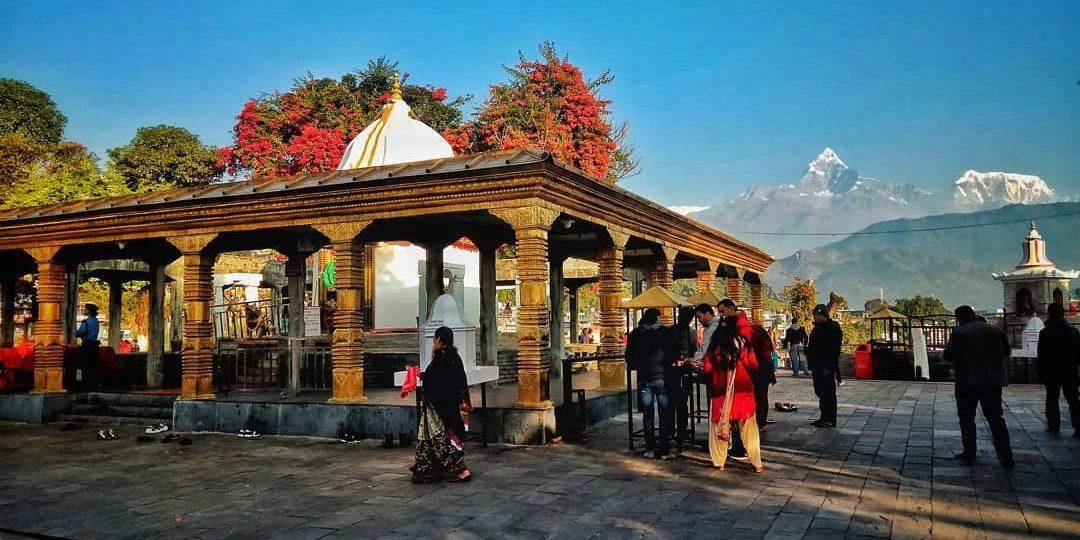
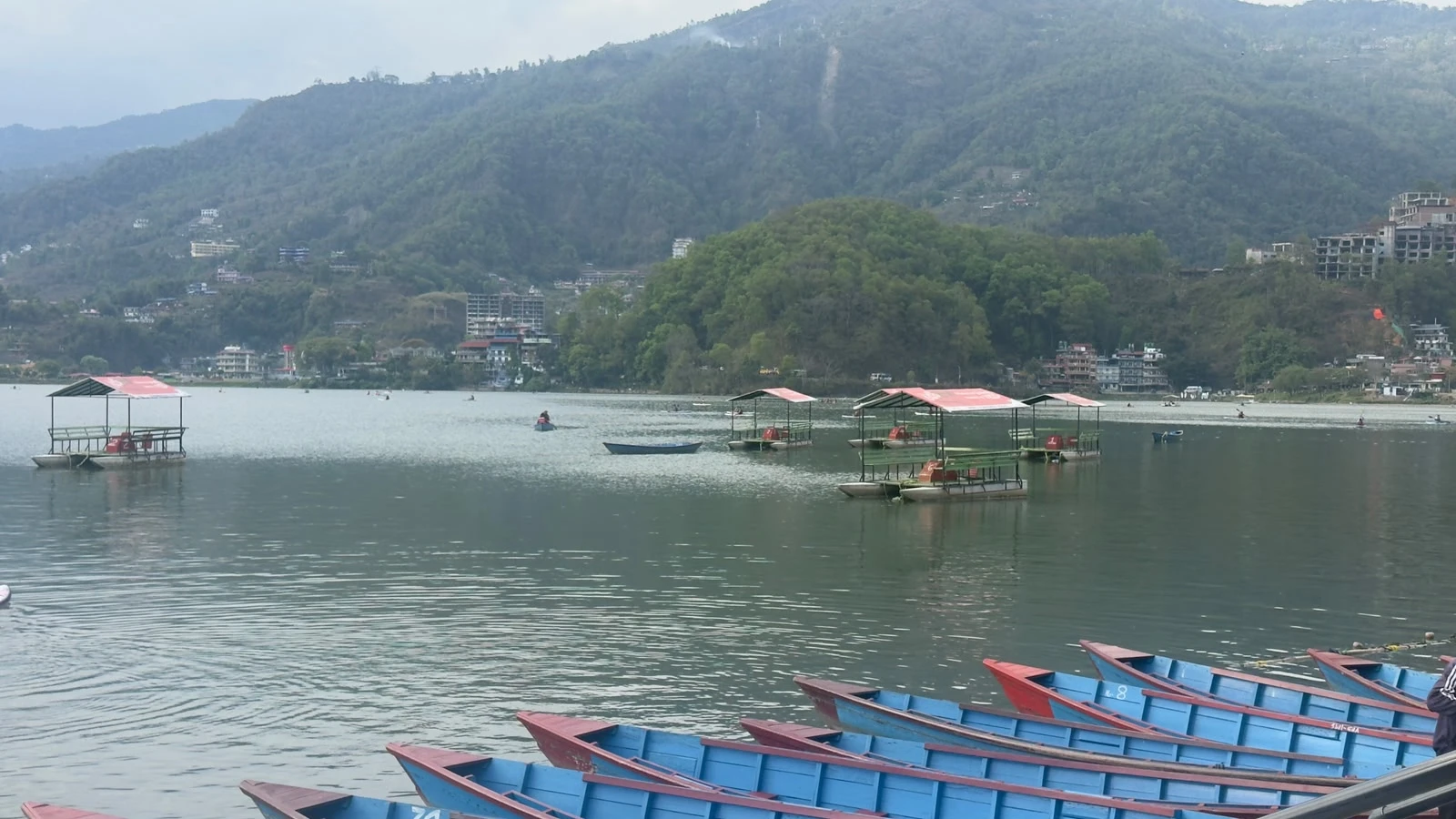
Phewa Lake: The tranquil waters of Phewa Lake, with reflections of the Annapurna Range, provide a magical experience. Boating on the lake is a must, and the island temple of Tal Barahi adds a spiritual touch to the journey.
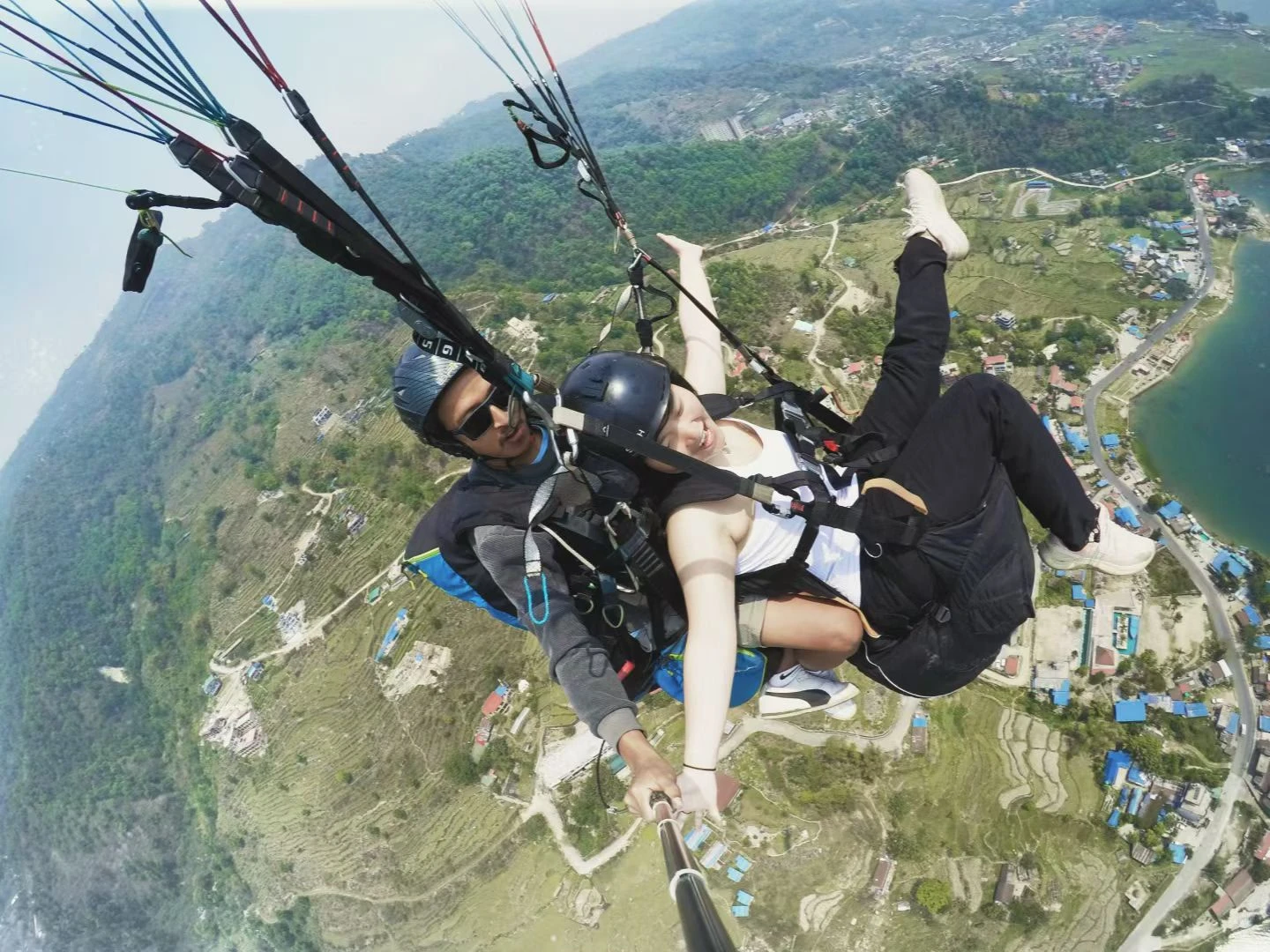
Sarangkot: A sunrise viewpoint offering spectacular panoramic views of the Himalayas. It’s a favorite spot for photographers and adventure enthusiasts who enjoy paragliding.
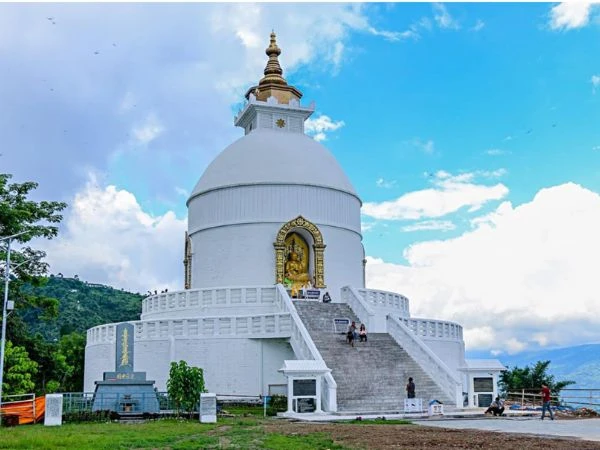
World Peace Pagoda: This Buddhist monument sits on a hill overlooking Phewa Lake and the mountains. The pagoda exudes peace and provides a scenic spot for reflection.
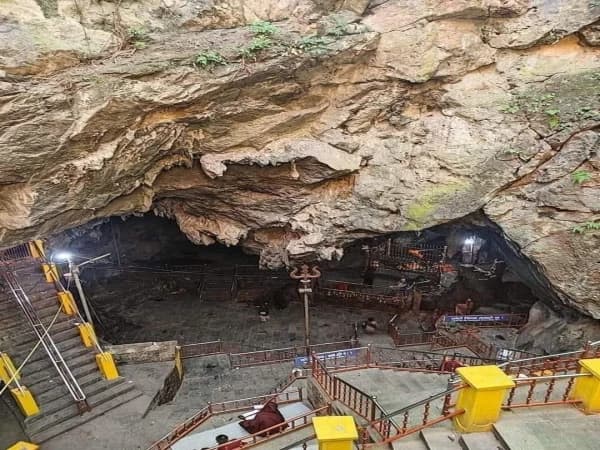
Devi’s Fall and Gupteshwor Cave: Devi’s Fall is a unique waterfall that plunges into an underground tunnel. Nearby, Gupteshwor Cave houses a sacred Shiva shrine.
International Mountain Museum: This museum highlights Nepal’s mountaineering history and the diverse cultures of the Himalayan region.
A tour of Kathmandu and Pokhara is a journey through Nepal’s soul. It weaves together history, culture, spirituality, and natural splendor, offering an unforgettable experience for all types of travelers.
Highlights
Explore UNESCO World Heritage Sites: Kathmandu Durbar Square, Swayambhunath Stupa, Boudhanath Stupa.
Wander vibrant markets like Thamel and Asan Bazaar.
Relax by Phewa Lake and visit Tal Barahi Temple.
Enjoy Sarangkot sunrise views and adventure activities like paragliding.
Discover Devi’s Falls, Gupteshwor Cave, and the Peace Pagoda.
Experience Kathmandu’s rich culture and Pokhara’s serene natural beauty
Is This the Right Nepal Tour for You?
If you are choosing between our packages, this is the honest comparison we give people on the phone.
If you have…
Consider
Why
About a week, first visit
This 6-day Kathmandu & Pokhara tour
Covers culture and mountain scenery without rushing
8+ days and want wildlife
Golden Triangle (adds Chitwan)
Same two cities plus jungle safari and the Terai lowlands
A week but want to walk
This tour extended to 8 days with a short hike
Adds an Annapurna-foothills day without changing the core trip
Only Kathmandu Valley time
Kathmandu Valley Tour – 5 Days
Deeper heritage focus, no long road transfer
Is 6 Days Enough for Kathmandu and Pokhara?
For most travelers — yes, 6 days is a practical and well-paced window for this combination. You get 2 full days in Kathmandu to cover the major heritage sites without rushing, then 2 days in Pokhara to see the lake, Sarangkot, and the surrounding areas at a relaxed pace. The travel day in each direction is built into the itinerary, so nothing feels crammed.
That said, if you like to linger or want to add a short trek — even a day hike up to the Australian Camp from Pokhara — we can extend this to 8 days without a major cost change. Many guests who initially book 6 days end up extending once they arrive.
The 6-day format consistently works well for: first-time Nepal visitors, honeymooners, families with children, and travelers with limited leave who want a complete Nepal experience rather than just one city.
What Can You Expect From the Kathmandu and Pokhara Tour?
Rich cultural heritage with UNESCO World Heritage Sites.
Spiritual experiences at ancient temples and stupas.
Vibrant markets and bustling city life.
Stunning lakes, mountain views, and peaceful surroundings.
Adventure activities like paragliding and trekking.
Iconic spots like Phewa Lake, Sarangkot, and Peace Pagoda.
A perfect mix of history, spirituality, natural beauty, and adventure!
Kathmandu & Pokhara 6-Day Itinerary at a Glance
Here is the whole trip on one screen before you read the day-by-day detail below. Every transfer and entry fee in this table is already included in the package price.
Day
Base
What you do
Altitude
Meals
1
Kathmandu
Airport pickup, transfer to hotel, optional evening walk to Thamel
Drive or fly to Pokhara; Devi's Falls, Tibetan settlement, evening Phewa Lake boating
827 m
B·L·D
4
Pokhara
Sarangkot sunrise, World Peace Pagoda, International Mountain Museum, lakeside time
827 m
B·L·D
5
Kathmandu
Return to Kathmandu; Bhaktapur Durbar Square (if flying back)
1,400 m
B·L·D
6
Departure
Transfer to Tribhuvan International Airport for your flight home
1,400 m
Breakfast
Trip Gallery
Itinerary
Trip PlanExpand all
Our represent will receive you from the Kathmandu airport. Please look for your namecard. After formal meeting, you will drive to the Hotel. There is an option of familiarization walk in the evening that ends with an attractive dinner. (Walk through the old Kathmandu to tourist center of Thamel)
Max Altitude: 1,400 m Meals: DinnerAccommodation: Hotel/Lodge
Come to the hotel restaurant for breakfast. Your tour guide will be introduced. He will guide you through the Heritage Sites of Kathmandu. An easy, relaxing day in a comfortable ride with a local guide will uncover totally different perspective of Kathmandu. Sightseeing Points – Pashupatinath Temple, Boudhanath Stupa, Swyambhunath Stupa (Monkey Temple) and Kathmandu Durbar Square.
Max Altitude: 1,400 m Meals: B-L-DAccommodation: Hotel/Lodge
After breakfast, we will drive to Pokhara 7 hrs with the beautiful landscape, mountain and river view . If you want to fly takes 30 minutes flight to Pokhara is spectacular with the Himalayan view all along its route. You can enjoy the ambiance of Pokhara in the natural settings with the towering Himalayas in the backdrop. Visit Devi's Fall and Tibetan Refugee Camp. Explore Phewa lakeside market. Phewa lake boating in the evening to catch the reflection of the Himalayas on the Phewa Lake. Himalayan Peak has seen: Dhaulagiri (8,167 m / 7th highest); Annapurna range including Annapurna I (8,091 m / 10th highest) and Manaslu Range (8,163 m / 7th highest)
Max Altitude: 960 m Meals: B-L-DAccommodation: Hotel/Lodge
Pokhara is a natural capital of Nepal and a starting point of trekking in Annapurna. Pokhara exploration includes a drive or hikes to several viewpoints for different perspectives of geographical enigmas. One can hike and mountain bike to several hillsides like Sarangkot, World Peace Stupa etc. Your exploration sites will be designed according to your preferences. Pokhara sightseeing Points: International Mountain Museum, Sarangkot Sunrise View, Devi's Fall, Tibetan Refugee Camp, World Peace Pagoda.
Max Altitude: 960 m Meals: B-L-DAccommodation: Hotel/Lodge
After breakfast, we will drive to Kathmandu 7 hrs drive or fly back to Kathmandu. After checking into the Hotel, drive to Bhaktapur. Bhaktapur is the living heritage of Newars, the aboriginal of Kathmandu. Patan in the south of Kathmandu is also known as 'city of fine art'. This is also believed as the oldest existing Buddhist city in the world. this activities can be done if you take flight to Kathmandu.
Max Altitude: 1,400 m Meals: B-L-DAccommodation: Hotel/Lodge
Last day in Nepal as per your flight time transfer to Kathmandu international departure for the flight back to home countries with a great experience around Best of Nepal exotic destination.
Max Altitude: 1,400 m Meals: B-L-DAccommodation: Hotel
Unable to locate what you're seeking?Reach out to our travel experts.
3 night standard hotel in Kathmandu with breakfast
2 night 3 star standard hotel in Pokhara with breakfast
All the food (lunch and dinner) in Kathmandu, Chitwan and Pokhara in restaurant.
All entrance ticket entire your tour in Nepal.
A tour guide as per requirement of different language like English, Chinese, Spanish, German etc.
All transport by a private Car/Jeep/Mini bus(Hiace)/tour Bus etc. depends on number of pax.
2 bottle of mineral water per person per day entire tour
All pick up and drop to airport
Government tax and company service charge
Excludes
Nepal Visa-International airfare-personal travel / medical insurance..
Emergency evacuation by any means of transportation including Heli services and personal medical kit.
Tips for guide,driver, helper
Early return from the trip due to personal / medical problem in this case clients should bear his / her own expenses.
Route Map
Add-ons & Options
The transportation service provided by private transport as per size of the group. There is possible to fly and back by plane, if you want to take a flight please contact us for the service and cost for your trip. this trip accommodation will be provided twin sharing basis.
Essential Information
What’s Included in the Package Price — and What Isn’t
We’ve been running this tour since 2000, so we know the questions that come up after booking. Here’s a straightforward breakdown before you commit.
All entrance fees — Boudhanath, Swayambhunath, Pashupatinath, Kathmandu Durbar Square, Bhaktapur, Patan, Devi’s Falls, Peace Pagoda, and others
Private vehicle for all ground transfers (car, jeep, or minibus depending on group size)
Licensed English-speaking guide for all sightseeing days
Airport pickup and drop-off
2 bottles of mineral water per person per day
Government taxes and service charges
What You Pay Separately
Nepal visa (USD 30 for 15 days / USD 50 for 30 days — paid on arrival at Tribhuvan International Airport)
International flights to and from Kathmandu
Kathmandu–Pokhara domestic flight if preferred (USD 120 per person — optional)
Travel insurance (required if you plan any trekking add-ons)
Personal expenses — souvenirs, bar bills, laundry, tips
Tips for your guide and driver (entirely your choice — customary but never mandatory)
No surprise charges after booking. If something isn’t on this list, ask us before you confirm.
What Affects the Price of Your Kathmandu & Pokhara Tour
Our rate drops as your group grows, because the vehicle and guide cost is shared. Nothing here is a hidden charge — it is simply what moves the number up or down.
Group size
Price per person
Notes
1 person
USD 650
Fully private; vehicle and guide not shared
2–6 persons
USD 470
Most common booking
7–12 persons
USD 420
Good for extended families
13–20 persons
USD 390
Best per-person rate
The only optional add-ons that change the total are the Kathmandu–Pokhara flight (USD 120 pp), paragliding (about USD 90 pp), and any hotel upgrade you request. We confirm all of it in writing before you pay.
Practical Information Every Traveler Needs Before Booking
Nepal Visa — What You Need to Know Before You Arrive
Nepal offers a visa on arrival for most nationalities at Tribhuvan International Airport in Kathmandu. The process is straightforward: fill in the online pre-arrival form at nepalimmigration.gov.np before you fly, then collect your visa stamp at the airport counter on arrival.
Visa Fees (2026)
15-day tourist visa: USD 30
30-day tourist visa: USD 50
90-day tourist visa: USD 125
Bring exact USD cash — older or damaged notes may be refused. You’ll also need two passport-size photos (the airport has a photo booth if you forget). Citizens of Nigeria, Ghana, Zimbabwe, Cameroon, Somalia, Liberia, Ethiopia, Iraq, Palestine, Afghanistan, and Syria must apply for a visa in advance through the nearest Nepalese embassy. Indian nationals do not require a visa.
Your passport must be valid for at least 6 months from your entry date. This is the most common avoidable issue we see — check before you fly.
Currency, ATMs, and Payments in Nepal
Nepal’s currency is the Nepalese Rupee (NPR). As of 2026, 1 USD exchanges to approximately NPR 133–136 depending on the counter. Authorized exchange counters operate at the airport and throughout Thamel in Kathmandu and Lakeside in Pokhara. Avoid unlicensed changers on the street.
ATMs are widely available in both cities and accept Visa, Mastercard, and Maestro. Expect a local bank fee of NPR 500–600 per transaction, plus whatever your home bank charges. Most ATMs cap withdrawals at NPR 30,000–40,000 per transaction. Credit cards are accepted at most hotels and established restaurants, but a 3–4% surcharge is common.
Our advice: arrive with USD 100–200 in cash for your first day (visa, airport transfer, any immediate needs), then exchange or withdraw as you go.
Mobile Network and SIM Cards
Nepal has two main mobile providers: Nepal Telecom (NTC) and Ncell. Both sell tourist SIM cards at the airport and throughout Thamel and Lakeside for NPR 200–500, which typically includes a data bundle. Ncell has slightly better 4G coverage in urban areas; NTC has broader reach in rural zones. Wi-Fi is available at virtually every hotel and most cafes — a local SIM is a convenience rather than a necessity for this tour.
Safety in Nepal
Nepal is consistently rated one of the safer destinations in Asia for international tourists. Street crime against tourists is rare. The main practical risks are road traffic (Kathmandu roads are busy by Western standards), occasional political demonstrations (peaceful and localized), and travel disruption during monsoon season. For this tour, you travel with a private vehicle and licensed guide throughout, which removes most logistics uncertainty.
We’ve been operating since 2000. In that time, we’ve never had a guest who wasn’t able to complete this tour safely. We still recommend travel insurance for every trip — not because Nepal is dangerous, but because disruptions happen.
Is Nepal safe for solo female travelers? Yes. Nepal has a respectful culture toward foreign visitors, and solo female travelers regularly take this tour without issues. Standard urban awareness applies in Thamel after midnight, but Nepal’s overall safety record for women travelers is strong.
Who Is This Tour Designed For?
First-Time Visitors to Nepal
This is the most logical introduction to the country. Kathmandu gives you cultural and historical depth; Pokhara gives you mountain landscape and breathing room. You leave with a genuine sense of Nepal’s range, not just one corner of it.
Couples and Honeymooners
The combination of heritage temples, sunset views over the Annapurna range, and lakeside evenings in Pokhara makes this a natural honeymoon choice. We can arrange candlelight dinners, private boat rides on Phewa Lake, and lake-view room upgrades on request.
Families with Children
The itinerary involves comfortable walking, no high altitudes (Kathmandu sits at 1,400 m, Pokhara at 827 m), and a good mix of active and relaxed days. Children respond particularly well to the Monkey Temple, boating on Phewa Lake, and Devi’s Falls. We’ve run this tour with children as young as 4 and adults in their late 70s without issues.
Senior Travelers
There’s no trekking or strenuous climbing involved. All sightseeing uses private transport, the pace is set by your group, and our guides adjust the schedule if needed. Kathmandu’s cobblestone streets require some care on foot, but nothing that presents a real challenge for mobile, healthy seniors.
Solo Travelers
We offer both private departures and the option to join a small group. If you’d prefer company, let us know and we’ll match you with another group departing around the same dates.
Accommodation and Food Options in Kathmandu and Pokhara Tour
Kathmandu
Accommodation:
Luxury: Hyatt Regency, Dwarika’s Hotel, and Marriott Kathmandu.
Mid-range: Kathmandu Guest House, Hotel Mulberry.
Food Options:
Traditional Nepali Cuisine: Try dal-bhat-tarkari, momos, and Newari dishes at restaurants like Bhojan Griha or Nepali Chulo.
International Cuisine: Thamel offers Italian, Indian, and continental options at places like Fire and Ice or Roadhouse Café.
Pokhara
Accommodation:
Luxury: The Pavilions Himalayas, Temple Tree Resort & Spa.
Mid-range: Waterfront Resort, Mount Kailash Resort.
Food Options:
Local Delights: Taste fish dishes from Phewa Lake and Nepali Thali
International Cuisine: Enjoy pizza, pasta, and Lakeside Cafes:
Both cities cater to all budgets, offering diverse accommodations and a wide variety of delicious food!
Kathmandu to Pokhara Drive or Fly?
This is the most common question we get, and the honest answer is: it depends on your budget and time.
Kathmandu to Pokhara: Drive or Fly Compared
The straight-line question most travellers ask us. Both options are built into the booking — you only pay extra if you choose the flight.
By Road (Prithvi Highway)
By Air (TIA → Pokhara)
Distance / time
~200 km, 6–7 hours
~25–30 minutes
Extra cost
Included in package
+ USD 120 per person
Scenery
River gorges, terraced farmland, roadside towns
Himalayan skyline on a clear day
Best for
Travellers who want to see the countryside; tighter budgets
Limited time, motion sensitivity, or monsoon-season travel
Monsoon note (Jun–Aug)
Delays and occasional closures possible
More reliable; our usual recommendation in heavy rain
Travelling by Road
The Prithvi Highway covers roughly 200 km and takes 6–7 hours by private vehicle. The drive follows the Trishuli and Marsyangdi rivers through terraced farmland and river gorges, with several small towns worth a quick stop. Road travel is included in your package at no extra charge.
Travelling by Flight
A domestic flight from Kathmandu (TIA) to Pokhara (PKR) takes 25–30 minutes and costs an additional USD 120 per person. Flights operate in the morning, which means you land in Pokhara with most of the day ahead. During monsoon season (June–August), flying is also the safer choice since road conditions and visibility can deteriorate significantly.
We book both options regularly. If you're undecided, tell us your travel dates and we'll give you an honest recommendation based on current road and weather conditions.
Altitude Sickness in Kathmandu and Pokhara Tour
Kathmandu:
Kathmandu is at a low altitude (1,400 meters/4,600 feet), so the risk of altitude sickness is minimal here.
Travelers can safely acclimatize before heading to higher-altitude destinations like Pokhara or trekking regions.
Pokhara:
Pokhara’s altitude is around 827 meters (2,713 feet), which is still considered low, and altitude sickness is rare.
However, if you venture to higher altitudes (e.g., Sarangkot or nearby trekking areas), gradual ascent is advised to avoid altitude-related issues.
Both Kathmandu and Pokhara are at low altitudes, so altitude sickness is generally not a concern, but be cautious when heading to higher regions
Travel Insurance for the Pokhara and Kathmandu Tour
Travel insurance is recommended to cover:
Medical Emergencies: For illnesses or accidents.
Trip Cancellations: Reimbursement for unexpected changes.
Baggage Loss: Compensation for lost or damaged items.
Adventure Activities: Optional coverage for activities like paragliding in Pokhara.
Permits for Kathmandu and Pokhara Tour
For a standard Kathmandu and Pokhara tour, no special permits are required. However:
Trekking or Restricted Areas: If your tour includes treks or restricted regions near these cities, permits like TIMS (Trekkers' Information Management System) and ACAP (Annapurna Conservation Area Permit) may be needed.
Entry Fees: Expect entry fees for heritage sites in Kathmandu (e.g., Kathmandu Durbar Square, Swayambhunath) and tourist spots in Pokhara (e.g., Peace Pagoda).
Always check specific requirements for activities or side trips
Tour Guide and Porter for Kathmandu and Pokhara Tour
Tour Guide:
A local guide is not mandatory for a Kathmandu and Pokhara tour but is highly recommended if you want deeper insights into the history, culture, and attractions. Guides can be hired for city tours or specific activities.
Porter:
For a typical Kathmandu and Pokhara tour (without trekking), a porter is not necessary. However, if you plan to trek (e.g., to Sarangkot or nearby areas), hiring a porter can help carry your luggage.
A guide enhances the experience, while a porter is useful for treks but not required for a city tour.
Common Mistakes Travelers Make — and How to Avoid Them
After 25+ years of running tours in Nepal, these are the situations we see most often.
Booking International Flights Before Confirming the Tour
Flight schedules to Kathmandu occasionally change, and weather can cause short delays. Book your international flights flexible or refundable until your Nepal dates are confirmed with us. We’ve seen guests lose non-refundable tickets due to minor schedule conflicts.
Packing Too Heavily
This is a city tour — you don’t need trekking gear, heavy boots, or multiple technical layers. Comfortable walking shoes, a light fleece for evenings, and a daypack for sightseeing are all you need. A full duffel bag just means more to carry through Kathmandu’s narrow streets.
The fees for major sites in Kathmandu have increased in recent years: Pashupatinath USD 15, Swayambhunath USD 3, Boudhanath USD 5, Bhaktapur Durbar Square USD 15, Patan Durbar Square USD 10, Kathmandu Durbar Square USD 10. These are all included in your package with us — we raise this because some travelers try to book independently and are surprised by the cumulative cost.
Not Bringing USD Cash for the Visa
The visa-on-arrival counter at Tribhuvan International Airport accepts USD, Euros, and British Pounds, but USD is the smoothest. Bring exact change if possible — the queue moves faster.
Expecting Fast Wi-Fi Everywhere
Hotels and cafes in both cities have decent Wi-Fi adequate for messaging, video calls, and social media. It’s not fibre-grade and can slow during busy evenings. Download offline maps and entertainment before arriving.
Skipping Bhaktapur
Most standard Kathmandu–Pokhara itineraries don’t include Bhaktapur. Ours does — on Day 5, if you fly back from Pokhara. Bhaktapur is arguably the best-preserved medieval city in Nepal and deserves a proper half-day. Don’t skip it to save an hour.
Best Season for Kathmandu and Pokhara Tour
The best seasons to visit Kathmandu and Pokhara are:
Autumn (September to November): Clear skies, mild temperatures, ideal for sightseeing and outdoor activities.
Spring (March to May): Pleasant weather, great for exploring and trekking in the surrounding areas.
Note: But can be done in all Seasons.
When to Visit Month-by-Month Breakdown
October and November (Peak Season — Recommended for First-Timers)
The most reliable months overall. Skies are clear after the monsoon, temperatures are pleasant (15–25°C in both cities), and mountain views from Sarangkot are as good as they get. Kathmandu runs through its major festival season at this time — Dashain and Tihar both fall here, which means decorated temples, more street activity, and a livelier atmosphere.
March, April, and May (Spring — Second Best)
Rhododendron forests are in bloom on the hillsides approaching Pokhara. Temperatures warm up, visibility remains good, and the pre-monsoon haze starts only toward late May. April can get warm in Kathmandu (up to 30°C midday), but Pokhara stays comfortable throughout spring.
December, January, and February (Winter — Quiet and Clear)
Cold mornings and evenings in both cities (Kathmandu can drop to 2–5°C overnight in January), but daytime sightseeing is generally fine. Hotel prices are lower, heritage sites are quieter, and snow on the mountains looks spectacular from Sarangkot. A good choice for travelers who prefer uncrowded sites.
June Through September (Monsoon Season — For Flexible Travelers)
Heavy rain arrives in June and continues through most of September. The Kathmandu–Pokhara road is more prone to delays and closures during this period — we recommend flying rather than driving. Despite the rain, Nepal during monsoon has a different kind of beauty: the valley turns deeply green, rice paddies are in full growth, and heritage sites see very few tourists. Possible, but plan for itinerary flexibility.
Our honest recommendation for first-time visitors: October–November. The conditions are the most consistent and the cultural calendar is at its richest.
Difficulty Level
If you choose to trek, the difficulty level increases based on the trail's length and altitude. The tour is generally easy, with optional moderate activities for adventure seekers
Internet/Wi-Fi Facility in Kathmandu and Pokhara Tour
Kathmandu:
Most hotels, cafes, and restaurants in areas like Thamel offer free Wi-Fi. Internet speed can vary, but it is generally accessible for basic browsing and communication.
Pokhara:
Wi-Fi is widely available in hotels, guesthouses, and cafes, especially around the Lakeside area. Similar to Kathmandu, the internet can be slower in more remote areas. Both cities offer decent internet and Wi-Fi facilities, with more reliable access in urban areas like Thamel (Kathmandu) and Lakeside (Pokhara).
Packing List for Kathmandu and Pokhara Tour
Lightweight, breathable clothes (for daytime)
Warm layers (for cooler evenings and mornings)
Comfortable walking shoes
Sandals or flip-flops
Hat, sunglasses, and sunscreen
Travel bag or backpack
Water bottle
Power bank
Camera/phone for photos
Travel adapter (Nepal uses type C, D, and M plugs)
Passport, visa, and travel insurance details
Copies of important documents (keep separate from originals)
Permits (if required for trekking)
Health and Hygiene:
Personal medications
Hand sanitizer and wet wipes
Toiletries (toothbrush, toothpaste, soap)
First aid kit (band-aids, pain relievers, etc.)
Lightweight rain jacket (especially in the monsoon season)
Snacks (energy bars, nuts)
Insect repellent
This list covers essentials for a comfortable and enjoyable trip to Kathmandu and
How do I book this tour?
You can book directly through our website using the booking form, or contact us via WhatsApp at +977 9851029611 or Direct View Nepal. We require a copy of your passport and a 10% advance payment to confirm the booking. The remaining balance is payable in Nepal upon arrival. We accept bank transfer, credit card, and cash.
Can I customise this tour?
Yes. The 6-day structure is our most popular format, but we regularly adjust it — adding a Bhaktapur focus day, including a short sunrise hike near Pokhara, or extending to 8 days with Chitwan. Tell us your travel dates and priorities and we’ll build the right itinerary.
What size groups do you work with?
We run tours for solo travelers up to groups of 20. Private vehicles and dedicated guides are standard regardless of group size. Solo travelers can book a fully private tour or join another small group — we’ll discuss both options with you.
What languages do your guides speak?
Our guides are licensed by the Nepal Tourism Board and work in English, Chinese (Mandarin), German, Spanish, and French. Please specify your language preference when booking.
What happens if my flight is delayed or I arrive late?
Our airport representative waits regardless of delay — we track all flight arrivals. If a delay significantly affects your first day, we’ll adjust the itinerary accordingly. No additional charge for missed activities due to flight delays.
Is the tour price the same for solo travelers?
Single-person bookings use the 1-person rate (USD 650). This is higher per person because the private vehicle, guide, and hotel costs are not shared. If cost is a concern, joining a group departure reduces the per-person price significantly — contact us for current group departure dates.
Do I need vaccinations for Nepal?
No specific vaccinations are legally required to enter Nepal. Most travel doctors recommend being current on standard vaccines (hepatitis A, typhoid, tetanus). Consult your own doctor based on your health history and the activities you plan.
Can I add paragliding or rafting to this tour?
Yes. Pokhara paragliding (tandem, from Sarangkot) can be added as an afternoon activity on Day 4 — cost is approximately USD 90 per person. Trishuli River rafting can be added as a half-day excursion. Both are weather-dependent, so we confirm on-ground after checking conditions.
What is the cancellation policy?
Cancellations more than 30 days before departure incur no penalty. 15–30 days: 25% retention. 7–15 days: 50% retention. Less than 7 days or no-show: 100% retention. Full terms are on our Terms and Conditions page.
Is there a fixed departure date or can we choose our own start date?
You choose your own start date — this is a private tour, not a scheduled group departure. We operate year-round and can start any day of the week.
Quick Answers: Kathmandu & Pokhara Tour
How much does a Kathmandu and Pokhara tour cost?
A 6-day private Kathmandu and Pokhara tour costs between USD 390 and USD 650 per person, depending on group size. The price includes 3-star hotels, all meals during the tour, private transport, a licensed guide, and all entry fees. International flights and the Nepal visa are separate.
How far is Pokhara from Kathmandu?
Pokhara is about 200 km west of Kathmandu. By private vehicle on the Prithvi Highway it takes 6–7 hours; by air it is a 25–30 minute flight.
Is 6 days enough for Kathmandu and Pokhara?
Yes. Six days gives two full days in Kathmandu for the heritage sites and two days in Pokhara for the lake, Sarangkot, and surrounding viewpoints, with a travel day each way. It suits first-time visitors, families, and couples who want both cities without rushing.
Do you need a permit for a Kathmandu and Pokhara tour?
No special permit is needed for a standard city tour of Kathmandu and Pokhara. You only pay heritage-site entry fees, which are already included in this package. Permits such as TIMS or ACAP apply only if you add a trek into the Annapurna region.
What is the best time for a Kathmandu and Pokhara tour?
October and November are the most reliable months — clear skies, mild temperatures, and the best mountain views from Sarangkot. March to May is the strong second choice. The tour runs year-round; in the June–August monsoon, flying to Pokhara is the more dependable option.
Why Book Directly With View Nepal Treks
View Nepal Treks and Expedition has been licensed and operating from Thamel, Kathmandu since the early 2000s. We are registered with the Nepal Tourism Board, the Trekking Agencies’ Association of Nepal (TAAN), the Nepal Mountaineering Association (NMA), and KEEP.
We don’t use third-party sub-contractors for this tour. Your guide is our staff. Your vehicle is operated by a driver we work with directly. When you contact us before, during, or after your trip, you’re speaking with the people who actually run the operation — not a booking platform or reseller.
Our pricing is transparent. We don’t inflate rates and offer large “discounts” to close a sale. The prices listed are real:
1 person: USD 650
2–6 persons: USD 470 per person
7–12 persons: USD 420 per person
13–20 persons: USD 390 per person
If you’re traveling solo and want to reduce the cost, ask us about joining another small group departing around your dates.
We have received a TripAdvisor Travelers’ Choice Award and are reviewed across Google, TripAdvisor, and direct client feedback. We’re happy to share specific review links or connect you with past travelers from your country before you book — just ask.
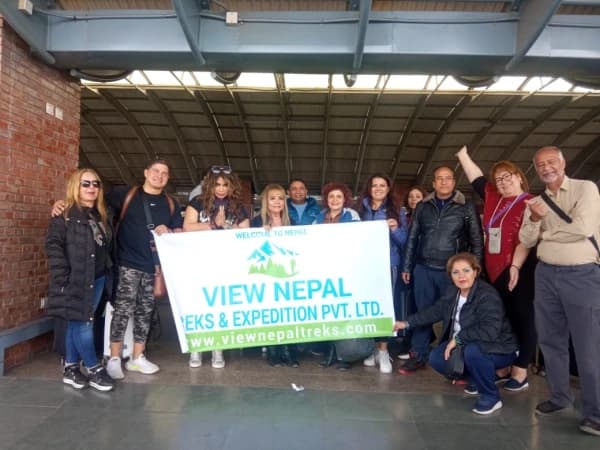
I did 6 days tour in Nepal with my friend with my guide Ramesh which was great memories. The whole trip organized by View Nepal Treks, foud it amazing with...




.webp&w=1200&q=75&dpl=dpl_LH7fPwtovikJ12UK1MLGdUHCTmsM)