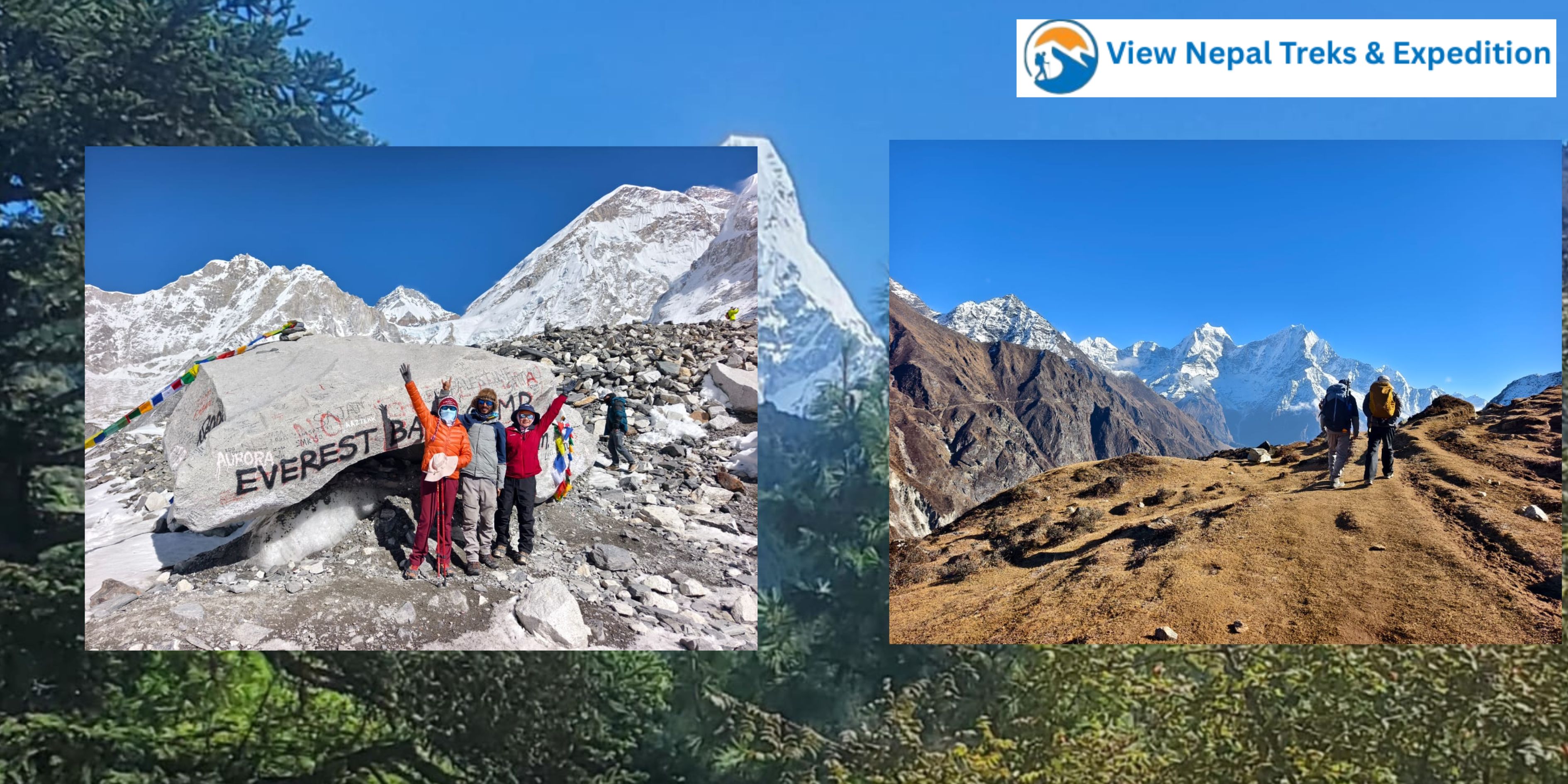
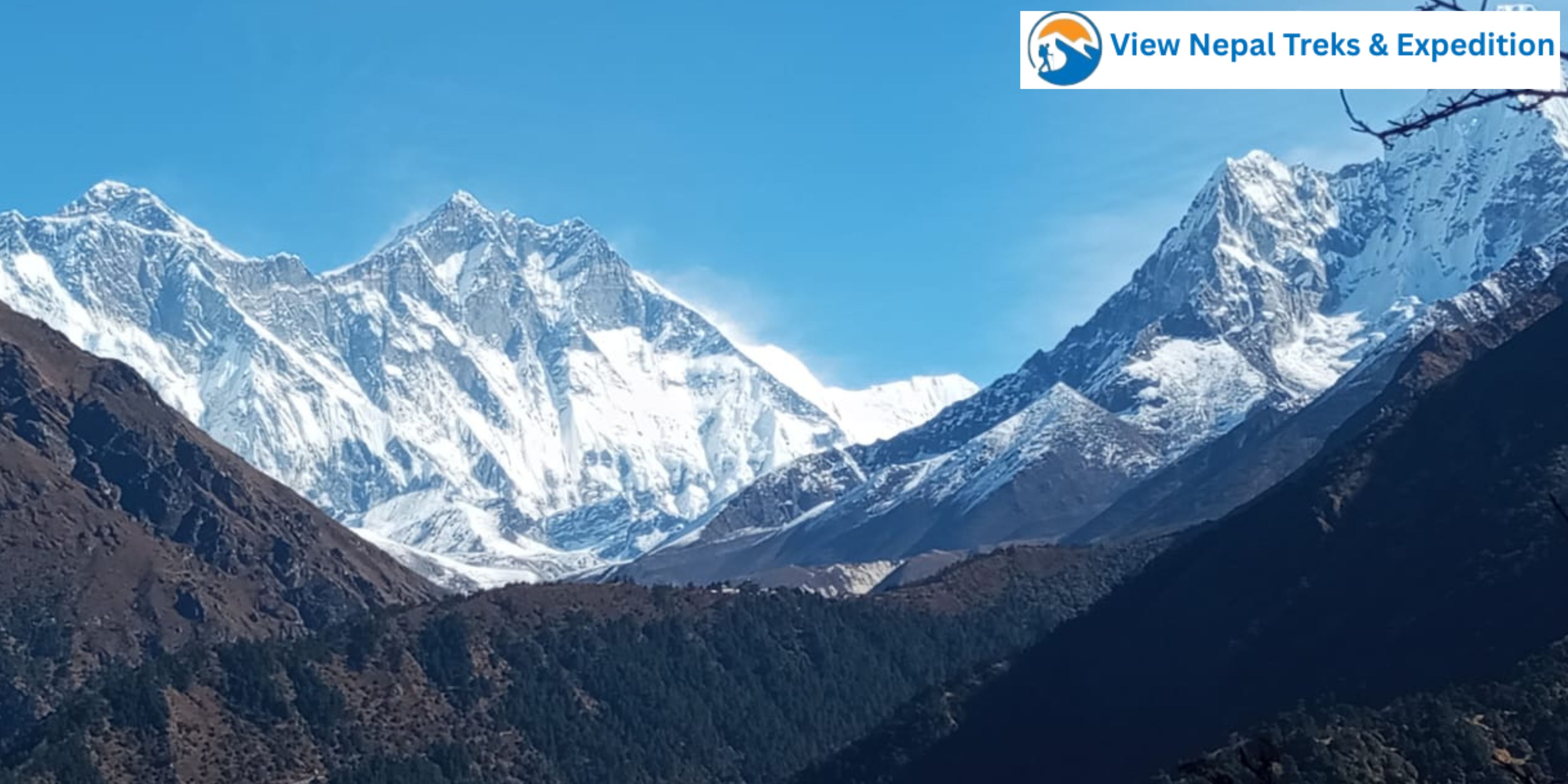
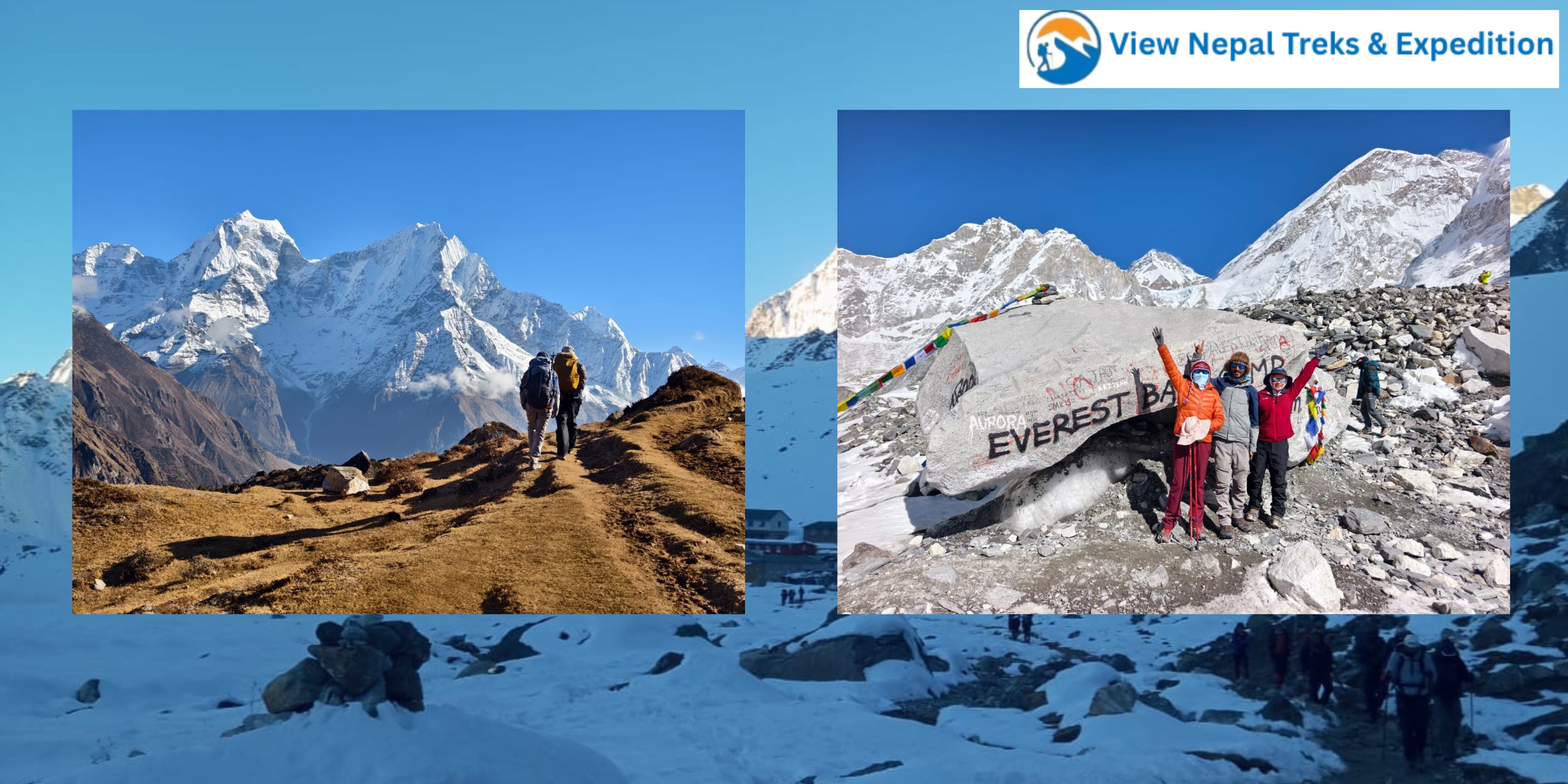
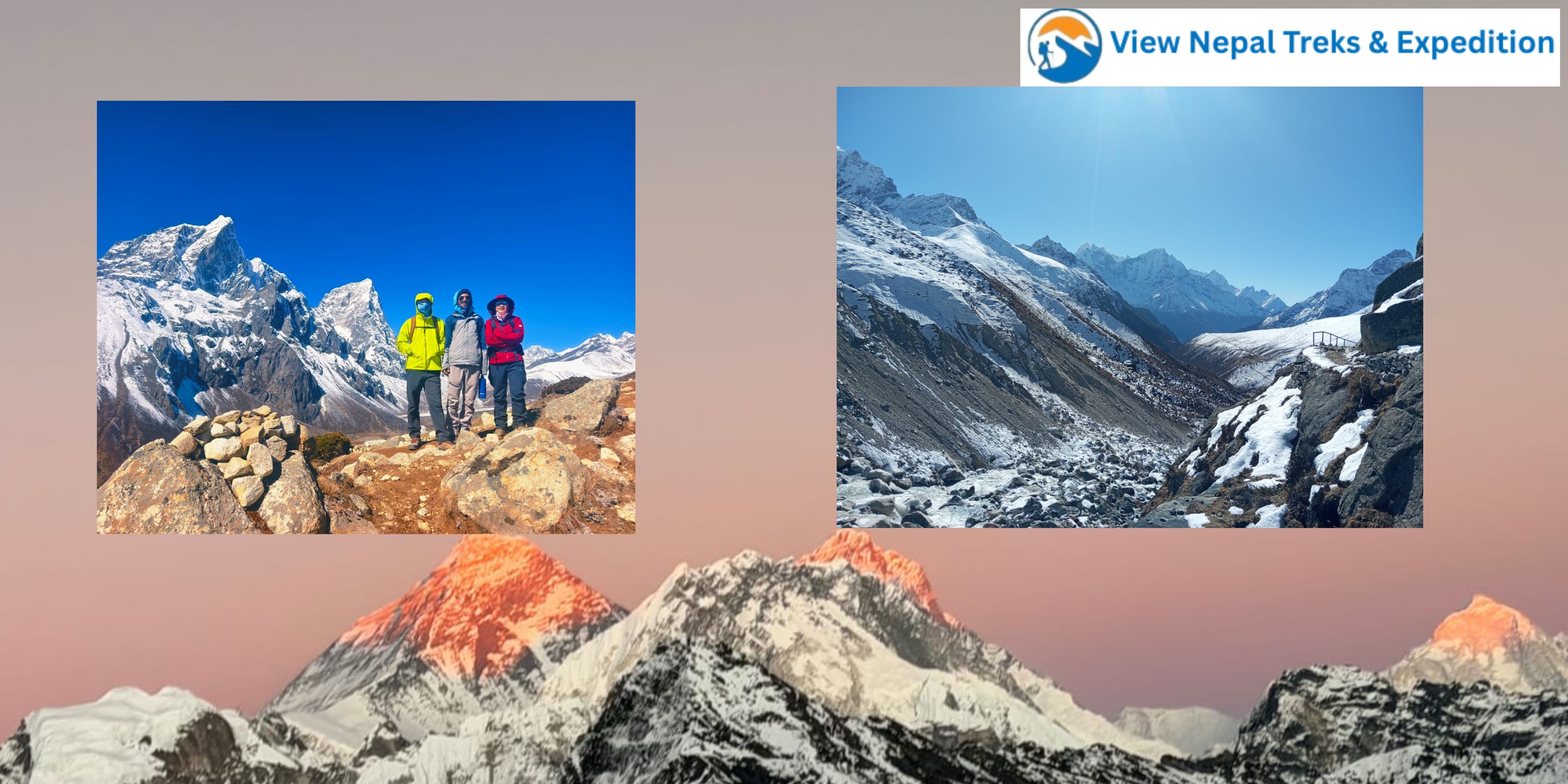
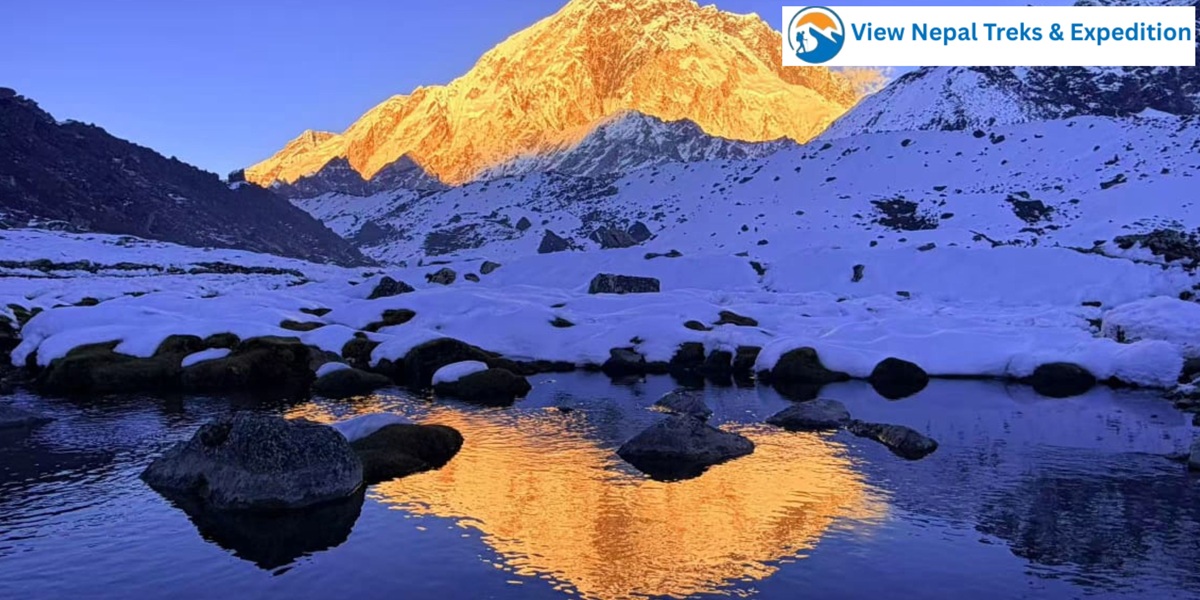
The Everest Base Camp Trek is one of the most amazing adventures you'll experience in your life! Set in the very heart of the Nepal Himalayas, this walk delivers you to the base of the highest mountain on Earth - Mount Everest. Thousands of trekkers from the world over join the local inhabitants passing through some of the most beautiful villages in Nepal and experience ancient monasteries set amid stunning mountain scenery.
There's more than a jaw-dropping view on the way to Everest Base Camp. You hike through the famous Khumbu region, cross roaring rivers and suspended bridges and enjoy Sherpa hospitality. The trek is a 12-14-day journey that climbs to 5,364 meters (17,598 feet) at base camp. Along the way, you pass through Namche Bazaar, which is the gateway to Everest. You'll also visit Tengboche monastery, one of the most spiritual places in the region.
What's special about this trek is that it doesn't require technical climbing skills. It's doable by anyone in reasonable shape who has serious determination. You hike through well-marked mountain trails, rest in comfortable tea houses and trek at a gradual pace to adjust your body to the high altitude. The EBC trek pays you with lifelong memories and friends, plus the feeling of success for the rest of your life.
What is Everest Base Camp?
Trusted Everest Trek Company – View Nepal Treks
Everest Base Camp is the starting point for mountaineers aiming to summit the Mount Everest Summit. Think of it as a pop-up city of brightly colored tents that materialize only during climbing season. At 5,364 meters above sea level, you'll find this camp is designed for climbers to catch some rest, organize their gear and adjust themselves to the thin air before they embark on the way up toward the summit.
What is Everest Base Camp Exactly?
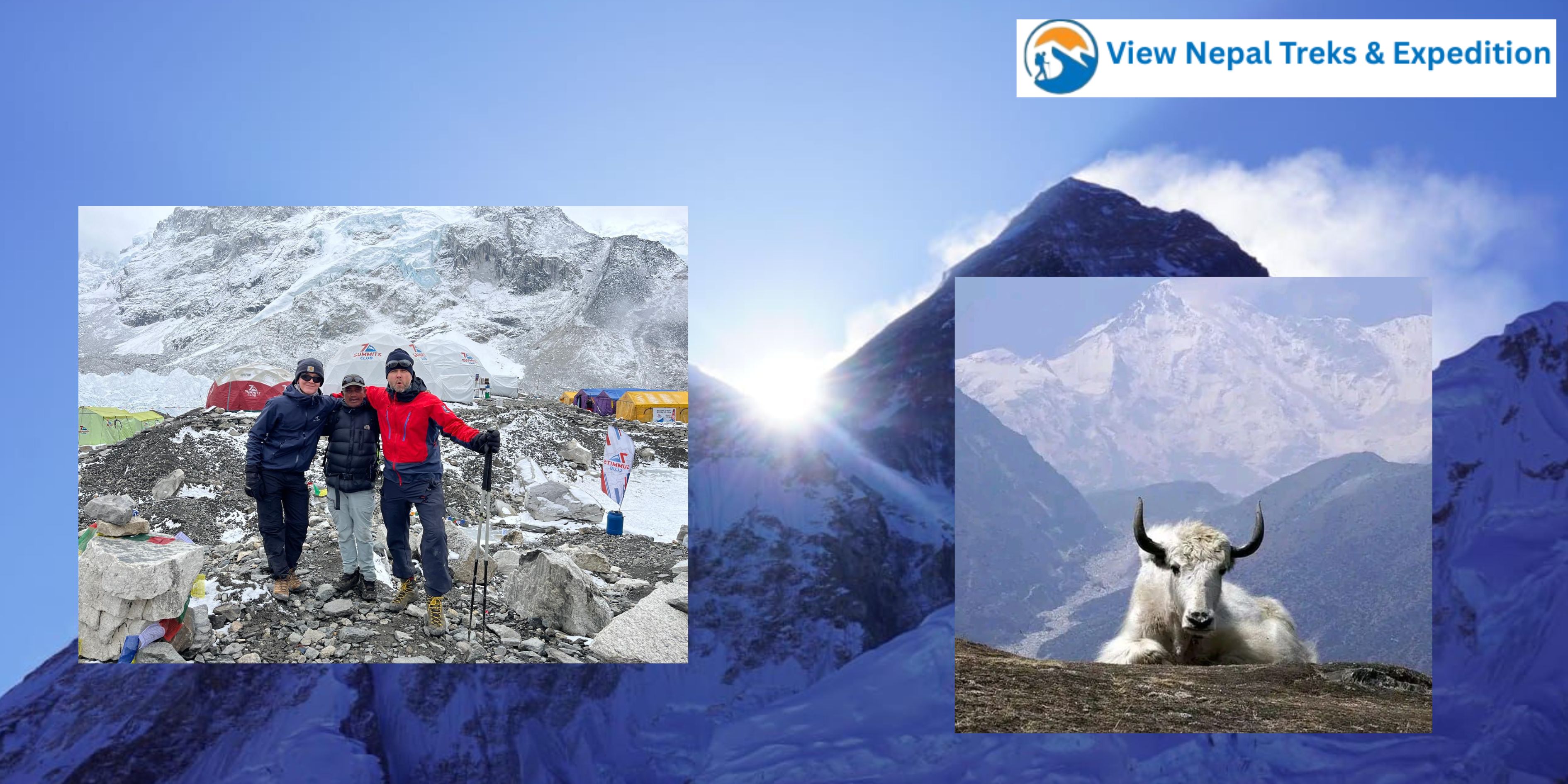
For trekkers like you, Everest Base Camp is the climax of an awesome trek. At this point, you're standing at the same spot where historic climbers such as Sir Edmund Hillary and Tenzing Norgay embarked on their great climbing adventure. The camp stands on the Khumbu Glacier, which is surrounded by giant peaks and ice shapes that appear straight out of a fantasy film.
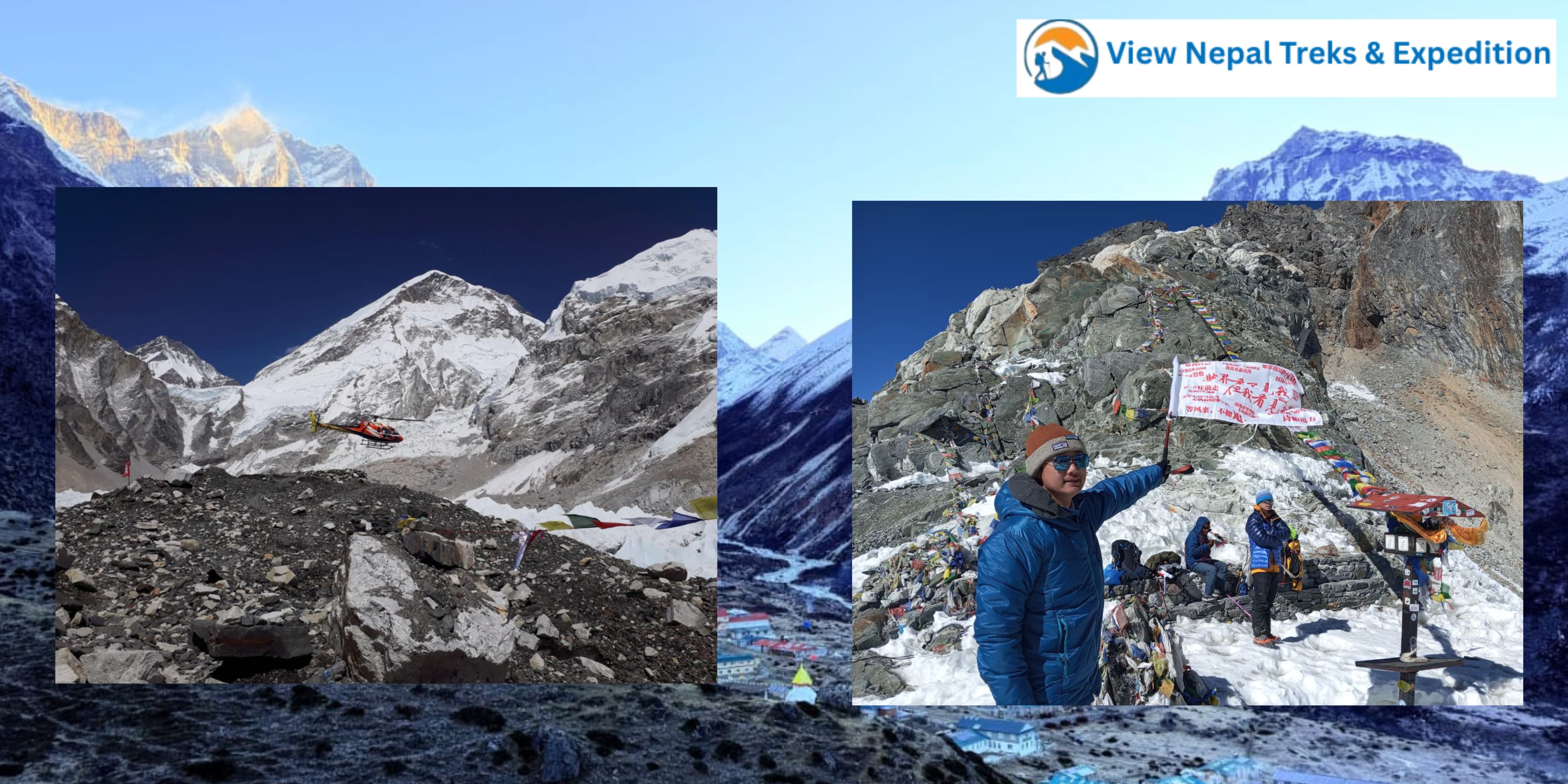
The base camp changes every few months. During the spring (March-May) and autumn (September-November), it buzzes with activity. You'll spot dozens of expedition tents, kitchen areas and even medical stations. Helicopters land and lift off, bearing supplies and people. In winter and the monsoon season, however, the camp is nearly deserted. It's only the prayer flags rustling that you'll hear.
Feature
Details
Elevation
5,364 meters (17,598 feet)
Location
Khumbu region, Solukhumbu District, Nepal
Coordinates
28.0026° N, 86.8528° E
Base Camp Type
South Base Camp (Nepal side)
Best Viewing Point
Kala Patthar (5,545m) for Everest views
Trek Duration
12-14 days round trip from Lukla
Difficulty Level
Moderate to challenging
Season
Spring (Mar-May) & Autumn (Sep-Nov)
Mount Everest Base Camp is recognized as significant for the following reasons:
Historical Significance: This is the start of every successful ascent of Everest. Base Camp has witnessed countless stories of courage, tenacity, and human triumph since the 1950s.
Cultural Experience: The Base Camp treks offer a journey through Sherpa country. You will get to learn their culture, see their monasteries, and appreciate their relationship with mountains.
Natural Beauty: Landscapes change dramatically as you progress. You climb through green forest regions, consisting of rhododendrons, and then trek over glaciers with mountains like Lhotse looming in the background.
Personal Achievement: Reaching the EBC means that the individual can accomplish difficult objectives by herself and it may be a life-transformation event for her.
Understanding the Trek to Base Camp
Everest Base Camp trekking isn't just about upward and downward treks on the routes. You're on an adventure where you're going through the best possible challenges of your mind as well as your body. Each day brings surprises and happiness. It begins with an intense plane ride to one of the most challenging airports in the world, located in Lukla. Here, you follow the Dudh Kosi River valley, which goes up daily. You'll go through the following places:
Phakding (2,610m): Your first night's stop and you can see Kusum Kanguru peak.
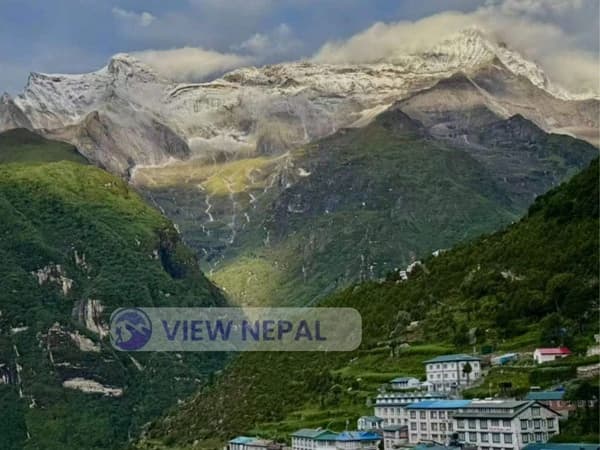
Namche Bazaar (3,440m): Sherpa capital town with markets, bakeries and equipment stores.
Tengboche (3,860m): Site of a famous monastery with an amazing view of Everest.
Dingboche (4,410m): A pretty village to rest in on an adjustment day.
Lobuche (4,940m): The last human settlement before base camp.
Gorak Shep (5,164m): Your last lodging before you arrive at base camp.
The Two Base Camps of Everest
EBC 12 Days Price – Guided Package
What a lot of people don't realize, however, is that Mount Everest has two base camps:
South Base Camp (Nepal) Height: 5,364 meters More easy to reach for trekkers, Typically used by parties climbing the south route, Better services and setup. This is the most common base camp for trekkers
North Base Camp (Tibet) Height: 5,150 meters, located on the Tibetan sid, Requires special permits, Vehicle access available, Not as crowded as the South Base Camp
When travelers refer to trekking to Everest Base Camp, they're typically talking about the south base camp in Nepal.
What You See at Base Camp
At Everest Base Camp, you'll see:
The Khumbu Icefall: A huge, shifting river of ice that climbers must cross.Expedition Tents: Hundreds of bright tents dot the glacier in high se
The Himalayan giants, including Pumori (7,161m) and Nuptse (7,861m), block the sky above.
ason.
Prayer Flags: Strings of flags that bring prayers and blessings into the wind.
Fellow Trekkers: Humans from around the world celebrating their success together.
Where is Everest Base Camp Trek Located?
Book EBC 12 Days Trek (Worldwide Bookings)
Everest Base Camp is located in the Khumbu area of northeastern Nepal, in Solukhumbu District. This area falls under the Sagarmatha National Park, which is a trekkers' delight and a recognized UNESCO World Heritage site to preserve the fragile plants and animals along with the Sherpa culture. It has an area of 1,148 km and contains the world's tallest mountain, Mt. Everest (8,849m).
Understanding the Everest Precise Location
The base camp site has important value for climbers. It lies at the head of the Khumbu Valley, down valley from the Khumbu Icefall. Here, climbers start their dangerous climb up what is essentially a flowing mountain of ice. The spot offers trekkers a close-up look at the mountain and its nearby peaks.
Location Details
Information
Country
Nepal
Province
Koshi Province (Province 1)
District
Solukhumbu
Region
Khumbu
National Park
Sagarmatha National Park
Nearest Town
Namche Bazaar (23 km away)
Airport
Lukla (Tenzing-Hillary Airport)
Distance from Kathmandu
138 km (direct line), but requires flight to Lukla
GPS Coordinates
28.0026° N, 86.8528° E
Where Exactly is Everest Base Camp Located?
Everest Base Camp Nepal (the base of the world's tallest mountain), appears as a small dot on a map, but this dot represents an area with its own unique story related to the location of Everest Base Camp.
Everest Base Camp is located on the Khumbu Glacier and as such, it moves! Glaciers flow like very slow-moving water, so every year the exact location of base camp shifts slightly. At the beginning of each climbing season, expedition leaders set up the camp area by finding the flattest and safest areas on the glacier to establish their camps.
Getting Access to the Area where Everest Base Camp is Located
EBC 12 Days Package – Best Value
Your trek to where Everest Base Camp is situated will take you from Nepal’s capital city, which is named Kathmandu. From there, there are two possible options available for your trek:
Air - Most Common
There is a 35-minute plane ride from Kathmandu to Lukla Airport, which is at 2,860m. Most people will continue their trek to Everest Base Camp from there. The plane ride gives you very good mountain views. You will need to take this plane ride early in the morning because, depending on weather patterns, there might be headwinds later in the day.
By Road (Alternative Route)
The alternative route by Jeep to Salleri or Phaplu (8-10 hours from Kathmandu) is another means of reaching the Everest Base Camp trek route. This route takes an additional two to three days of trekking before reaching Lukla. The benefit derived from this route is that there is less impact from weather conditions.
From Lukla to Base Camp, the trails are well defined as one treks through Khumbu Valley.
The Everest Base Camp Location Map
The trek route follows a well-established path through the Khumbu Valley:
Place
Elevation
Distance from Lukla
Distance from Base Camp
Lukla
2,860m
0 km
62 km
Phakding
2,610m
8 km
54 km
Namche Bazaar
3,440m
19 km
43 km
Tengboche
3,860m
29 km
33 km
Dingboche
4,410m
39 km
23 km
Lobuche
4,940m
51 km
11 km
Gorak Shep
5,164m
58 km
4 km
Everest Base Camp
5,364m
62 km
0 km
Regional Context and Surroundings
Everest Base Camp Location in a region that has a lot of cultural as well as environmental significance.
World's highest peak- Mount Everest (8849m) - to the northeast of the base camp is this excellent massif and the world's highest mountain.
Changtse (7,543m): Directly to the north in Tibet, and known as the "North Peak", is linked to Everest via the North Col.
Pumori (7,161m) – To the northwest of base camp, a high point on its southeastern face is a straightforward objective known as 'Everest's Daughter'.
Mount Nuptse (7,861 m) – It is located in the south of Everest at the south/southwest of base camp, and forms a limestone mountain wall that runs through as well as dominates the southern skyline.
Mount Lhotse (8,516m): Lies to the south-east of base camp, it is the fourth-highest mountain in the world and is linked to Everest via the South Col.
Nearby Settlements
The closest permanent villages to base camp include:
Gorak Shep (5,164m): The last stop before base camp is situated about 3.5 km ahead. It is a temporary settlement and is most popular as a base for trekking and mountaineering.
Lobuche (4,940m / 16,860ft): A small seasonal village about 8.5 km (straight line) or 12 km (walked distance) from base camp.
Dingboche (4,410m): The highest year-round Sherpa village in the region, some 22 km away. There are stone-walled fields and the Dingboche Clinic for medical advice.
Why is Everest Base Camp Trek Famous?
The Global Appeal of EBC Trekking
Everest Base Camp Trek 12 Days Booking
Everest Base Camp trekking has fascinated trekkers from all corners of the world for many years. This walk has developed into one of the most popular alpine adventures in the world , with more than 50,000 trekkers visiting it each year. But what makes it so special?
Mainly due to Its Everest Connection
The route is known mainly for its connection with Mount Everest, the highest mountain in the world. Since Sir Edmund Hillary and Tenzing Norgay were the first to scale Everest’s summit in 1953, no mountain has stood as more of a symbol of human achievement and tenacity. A trek to its base camp is a way to reach out and touch the border of this fabled legend.
You walk through the same landscape as famous mountaineers. They see the same mountains you stand beneath. The very Monasteries that hosted historic expeditions, you are welcomed into their homes by the same Sherpa communities. There is this sense of being part of mountaineering history with every step.
Cultural Richness of the Journey
Trekking to Everest Base Camp has never been just about the mountains. The trek drops you deep into Sherpa culture, among the planet’s most fascinating mountain communities.
Sherpa Heritage and Traditions: The Sherpa people have called the Khumbu home for more than five hundred years. They are descended from settlers who migrated here from Tibet and native Bhutanese and developed a culture that went with high volumes.
Buddhist Monasteries: There are old school houses of religion on the route. Tengboche Monastery, founded in 1916, is the spiritual centre of the Khumbu.
Prayer Flags and Mani Walls: The rainbow of colored flags flutter everywhere, praying on the wind. Both have trails with a wall of stone engraved with Buddhist mantras.
Sherpa Hospitality: Tea house owners swap stories over hot tea. You get to know their life, struggles, and inherent connection with the mountains, which are their homeland.
Local Festivals: If your timing is apt, you will get to observe local festivities, which include traditional local dance and rituals.
Natural Wonders Along the Route
The EBC trek Nepal has some of the world’s most breathtaking scenery on earth. The view gets wilder the higher you go.
Diverse Ecosystems
You traverse a series of climate zones along the way:
Lower Regions (2,800m - 3,500m)
Dense rhododendron and pine forests
Wildlife such as the Himalayan tahr and musk deer
Hundreds of bird species
Rushing rivers with turquoise water
Middle Altitudes (3,500m - 4,500m)
Alpine meadows with hardy shrubs
Yak grazing lands
Beginning of rocky terrain
Clearer, crisper air
High Altitudes (4,500m - 5,364m)
Barren landscape with minimal vegetation
Glacial moraines and ice formations
Prayer flags and the severe beauty
Mountain views that go on forever and in all directions
The Challenge Factor
The garnered fame of the trek lies in its difficulty, preceded by the mythology that it is doable. Unlike climbing Everest, which is something that takes years of experience and a huge financial commitment, trekking to Everest Base Camp is still attainable for the average person with good fitness. The following makes it challenging.
Altitude: Also, you’re above 5,000 meters (and half as much oxygen as at sea level).
Time: Two weeks of bagging peaks and testing your endurance every day
Weather: There can be turns at the drop of a hat, from sun to snowstorm
Basic Teahouse: Moderate type of accommodation for trekkers – without luxury services.
Physical Requirements: Hiking on uneven, hut-to-hut terrain for 5-7 hours every day
The level of challenge is just right. It is hard enough to be considered a real achievement, but not so hard that experts in mountain climbing have the only skill set necessary to achieve it. When you finally get to the Everest Base Camp, you will have the ability to say that you have completed one of the world’s greatest treks.
Breathtaking Mountain Views
The Everest Base Camp Trekking is one of the most dramatic and picturesque in the Himalaya. Nowhere else on earth can you trek for over 100km at altitudes of 3,000m to 5,000m and see such breathtaking views. It's not just a peak or two you're staring at. You're walking through a landscape dominated by giants.
The Eight-Thousanders
In the Khumbu region, there are several peaks over 8,000 meters:
Mount Everest (8,849m) – The Highest Point of the Earth
Lhotse (8,516m) – 4th highest peak
Cho Oyu (8,188m) - The 6th highest peak
Makalu (8,485m) – The fifth-highest mountain (visible in some viewpoints)
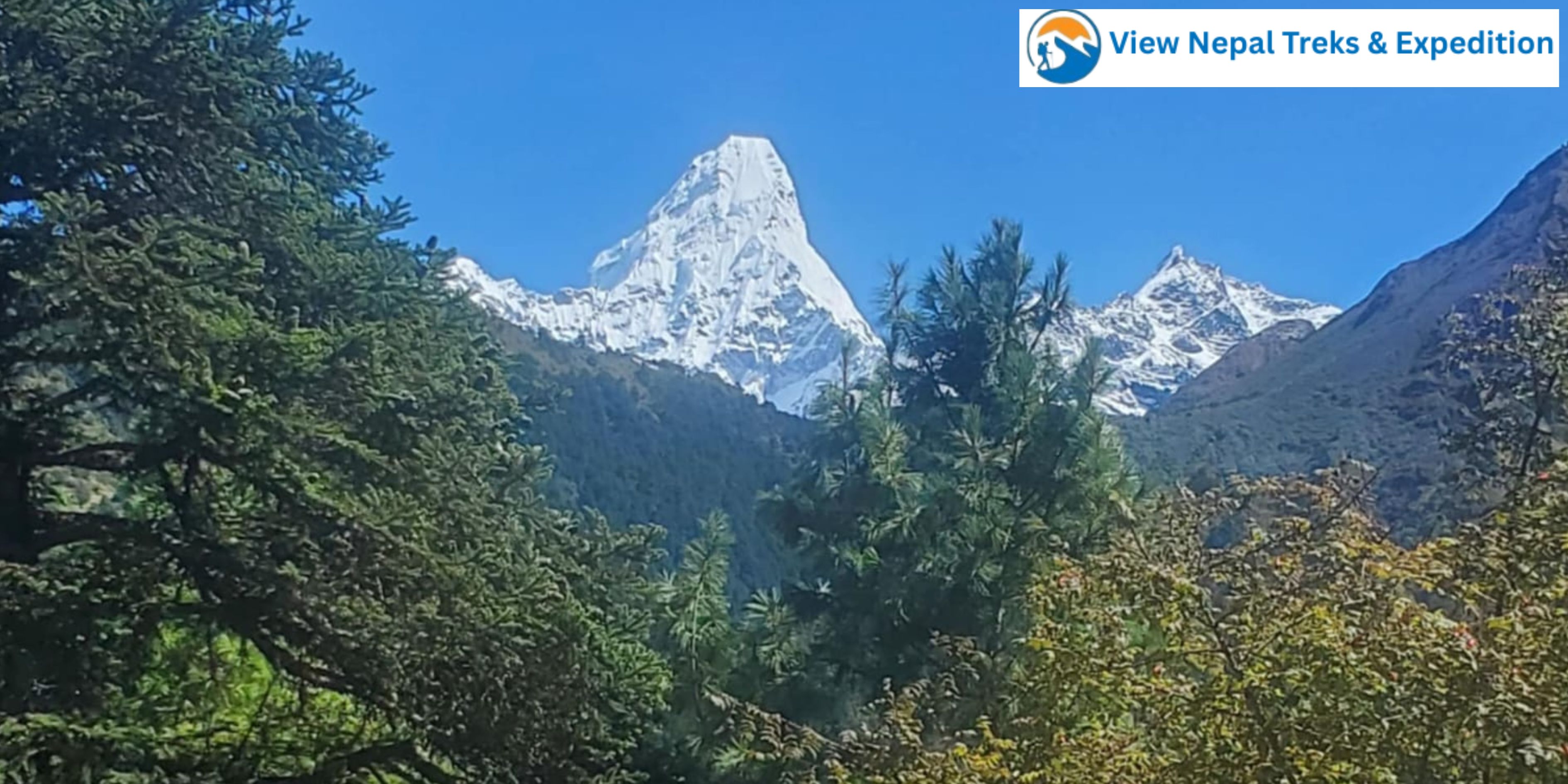
You'll also get to see countless peaks between 6,000 and 7,000 meters. Each is spectacular in its own way. Other beautiful peaks around are Ama Dablam (6,812m), known as the Matterhorn of the Himalayas. It's considered to be one of the most photographed mountains in Nepal.
Life-Changing Personal Experience
EBC 12 Days Cost Breakdown (All Inclusions)
EBC trekking has been labeled as life-changing by many trekkers. The experience also alters the way they see themselves and their world. People discover the following things.
Physical Power: You learn that your body is capable of much more than you ever dreamed. Confidence for the next challenge is gained from each day’s hike.
Mental Resilience: When you have to hike for every step up, let alone downhill, quitting ceases to be an option. This kind of mental toughness outlasts the trek.
Change of Perception: Without the distraction of daily life and modern technology, you develop a clear understanding of what is important to you in life. The most basic things, like a hot meal and a soft bed, are luxuries.
Global Connections: You engage with folks from all over the world. Common problems forge connections that can build to last for years. Many trekkers make friends on the trail that last a lifetime.
Accessibility and Infrastructure
Compared to remote backcountry excursions, the Everest Base Camp Trek provides facilities. This mixture of wild adventure and reasonable comfort is what makes it so popular.
Well-Maintained Trail System
There are two main ways to walk into base camp :
Clearly marked throughout
Used by thousands each season
Regularly maintained by local communities
The island has bridges that allow traffic to cross some of its major rivers.
Monitored for safety
Tea House Network
You don’t need to carry camping supplies or cook your own meals. Many tea houses are available throughout the entire length of the trail, more or less providing:
Beds with blankets
Hot meals three times daily
Charging facilities (for a fee)
Hot showers (in lower villages)
WiFi in many locations
This infrastructure is what renders the hike possible for folks who might like adventure but don’t have any experience with deep wilderness survival.
Media and Popular Culture Impact
Guided EBC Trek 12 Days
The reputation of EBC trek Nepal has been widely spread across numerous books, films and social media uploads. Films such as “Everest” (2015) introduced the dangers and beauty of the mountain to audiences around the globe. And adventure blogs and Instagram feeds provide a never-ending stream of beautiful images that encourage others to accept the challenge.
Seasonal Advantages
The trek’s notoriety also stems from the fact that it has two prime trekking seasons annually. You can choose between:
Spring Season (March-May)
Warmer temperatures
Rhododendron blooms
Base Camp is alive with expedition teams.
Clear skies most days
Autumn Season (September-November)
Crystal clear visibility
Stable weather patterns
Post-monsoon freshness
Comfortable temperatures
A couple of good seasons means that even more people can fit the trek into their schedules, raising access and popularity.
Overview of Everest Base Camp Trek Route
Local Agency Trek – Better Service & Price
Everest Base Camp Route follows one of the ancient trade trails that Sherpas have used for hundreds of years. This legendary trek leads from green valleys to the boulder-strewn, snowy base of the world's highest mountain. The round-trip hike is about 130 kilometers and usually takes around 12 days to complete safely.
The Everest base camp trek route map has a smart climb high, sleep low system. You go up for your day hikes and you come down to sleep at lower heights. This allows your body to adjust to the lower amount of oxygen and combat altitude sickness. Along the route are two rest days. During these days, short adjustment hikes, rather than long distances, are done.
Your EBC trekking route starts from a single flight to Lukla airport. From there, you hike through Sherpa villages along the Dudh Kosi River. You'll cross thrilling suspension bridges and climb past Buddhist monasteries. The scenery changes every day. It goes from forests to alpine meadows that eventually transition into glacial territory near base camp.
Day 01: Kathmandu to Lukla Flight & Trek to Phakding
Start
Kathmandu (1,400m)
Flight to
Lukla (2,840m)
Trek ends
Phakding (2,610m)
Flight time
35 minutes
Walking time
3-4 hours
Distance
8 km
Your journey begins early with a mountain flight to Lukla. This short plane ride gives you your first sighting of the snowy peaks. After being dropped off on the well-known sloping runway, you greet your trekking team and begin descending through the pine forest. The gentle trail continues beside the river to Phakding village. There, you bed down for your first night in a cosy tea house.
Day 02: Phakding to Namche Bazaar
Start
Phakding (2,610m)
End
Namche Bazaar (3,440m)
Walking time
5-6 hours
Distance
11 km
Climb
830 meters up
Your biggest climb yet is on the menu for today. You cross numerous swinging bridges, including the lengthy Hillary Bridge. The next two hours are a steep uphill walk to Namche Bazaar. This town, shaped like a horseshoe, has bakeries, shops and internet cafes. On clear days, you catch sight of Mount Everest through other peaks.
Day 03: Acclimatization Day in Namche Bazaar
Stay at
Namche Bazaar (3,440m)
Short hike to
Everest View Hotel (3,880m)
Walking time
3-4 hours
Purpose
Body adjusts to altitude
In the morning, you go for a hike up to the Everest View Hotel or Khumjung village. This helps your body get used to a lower oxygen level. From the hotel, you have stunning views of the mountains. You'll head back to Namche for lunch and have the afternoon to wander through the markets and museums of this Sherpa crossroads.
Day 04: Namche Bazaar to Tengboche
Start
Namche Bazaar (3,440m)
End
Tengboche (3,860m)
Walking time
5-6 hours
Distance
10 km
The trail winds through the mountains with breathtaking views. You walk through rhododendron forests that light up with flowers in spring. The trail descends to cross a river before climbing up to Tengboche Monastery. This famous monastery is placed on a ridge, surrounded by great peaks. Monks hold an evening prayer that you can attend.
Day 05: Tengboche to Dingboche
Start
Tengboche (3,860m)
End
Dingboche (4,410m)
Walking time
5-6 hours
Distance
12 km
You descend the forests to the river and climb up the valley gradually. The trees get shorter as you climb. Dingboche village is set in a broad valley with stone-walled fields. Mountains tower on all sides. The air is much thinner here.
Day 06: Rest Day at Dingboche
Stay at
Dingboche (4,410m)
Hike to
Nangkartshang Peak (5,083m)
Walking time
3-4 hours
Purpose
Altitude adjustment
Another acclimatization day gets you ready for the higher heights to come. Most people hike up to Nangkartshang Peak for amazing, 360-degree views of the mountains. At the summit, you see Island Peak, Lhotse and Makalu. Then it's back to Dingboche for rest.
Day 07: Dingboche to Lobuche
Start
Dingboche (4,410m)
End
Lobuche (4,910m)
Walking time
5-6 hours
Distance
8 km
The path goes up gradually from the valley. You go by memorials for climbers who died on Everest. Lands become more empty with less and less plants. Lobuche is one of the tiniest settlements with some of the simplest lodges.
Day 08: Lobuche to Gorak Shep to Base Camp and Back
Start
Lobuche (4,910m)
Through
Gorak Shep (5,140m)
Destination
Everest Base Camp (5,364m)
Return to
Gorak Shep
Walking time
7-8 hours total
This is your big day! First, you walk over to Gorak Shep and drop your big bags. Then you walk on to base camp. The last part is across a stony glacial section. At base camp, you look up at colorful expedition tents and the Khumbu Icefall. Towering giant peaks surround you. You'll return to Gorak Shep for the night after you celebrate and take pictures.
Day 09: Kala Patthar Sunrise & Trek to Pheriche
Morning climb
Kala Patthar (5,555m)
Trek to
Pheriche (4,240m)
Walking time
7-8 hours total
Best views
Sunrise on Everest
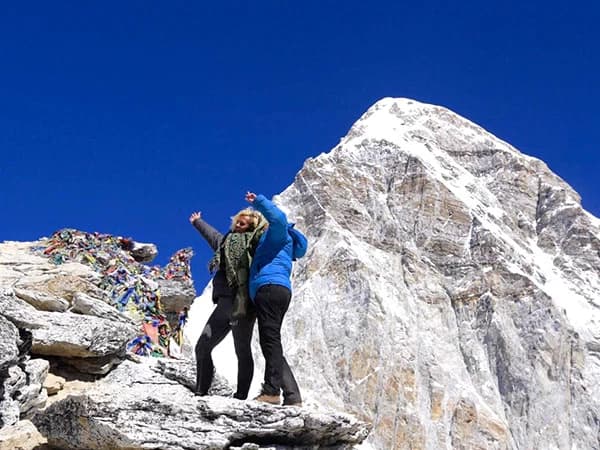
You rise really early to hike Kala Patthar for sunrise. This spot gives the closest, clear view of Mount Everest's summit. Magical moments unfold with the golden morning light cast upon the peaks. After breakfast in Gorak Shep, you hike down to Pheriche.
Day 10: Pheriche to Namche Bazaar
Start
Pheriche (4,240m)
End
Namche Bazaar (3,440m)
Walking time
5-6 hours
Mood
Celebrating success
The hike downward feels lighter as you return to thicker air. You now walk back to Namche via Tengboche. Everything is better at this low height. You're able to have a hot shower to celebrate the success of the base camp trek.
Day 11: Namche to Lukla
Start
Namche Bazaar (3,440m)
End
Lukla (2,840m)
Walking time
6-7 hours
Distance
19 km
Your last trekking day brings you all the way to Lukla. The trail descends to Phakding and then climbs back to Lukla. You party with the team that night, swapping tales of your shared adventure.
Day 12: Lukla to Kathmandu Flight
Flight from
Lukla (2,840m)
Landing in
Kathmandu (1,400m)
Flight time
35 minutes
End
Trek complete
Fly back to Kathmandu this morning. As your flight soars back over the mountains, you can take a little time to think about your amazing journey to the foot of the highest mountain on earth.
Frequently Asked Questions About Everest Base Camp Trek
What is the best time to trek to Everest Base Camp?
The best times for trekking to Everest Base Camp are March to May (spring) and September to November (autumn). Springtime warms up the weather and blooms the rhododendrons, while autumn gifts you with the best mountain scenery. Winter is too cold with snow blocking high passes, and monsoon summer brings heavy rain and cloudiness that hides peaks.
How difficult is the Everest Base Camp trek?
The difficulty rating of the Everest base camp trekking is moderate to challenging. No climbing skills necessary, but you should be reasonably fit. The primary challenges are from its altitude, long walking days (5-7 hours per day) and basic services. Regular workout on your body for 2-3 months before your trek is a must.
How much does the Everest Base Camp trek cost?
The average EBC trek Nepal cost can range from $1,200 to $2,500 USD, depending on what's included. More budget-friendly options begin at around $1,000 and stretch through the mid-2,000s for a luxury lodge. $3,000 or more will get you into a premium experience. These expenses generally include guides, permits, lodging and food. Plus, additional expenses include flights, insurance, gear and tips.
Do I need a guide for the Everest Base Camp trek?
New rule in Nepal states that every trekker going to Everest base camp Trek has to hire a registered guide. You cannot trek solo anymore. Guides assist with navigation, help secure rooms, process permit paperwork and offer vital assistance if you're struck by altitude sickness. They also spread cultural knowledge and keep you safe.
What permits do I need for Everest Base Camp?
You'll need two permits: the Sagarmatha National Park Entry Permit (3,000 NPR) and the Khumbu Pasang Lhamu Rural Municipality Permit (2,000 NPR). Your trekking company usually arranges these. You'll have to create passport photos and copies. The permits are checked at several points on the trail.
Can beginners do the Everest Base Camp trek?
Yes, the trek is doable for beginners with a basic level of fitness. No prior trekking experience is required, but you should be in good physical shape. Begin 2-3 months before your schedule outdoor training with heart exercise, hiking with a backpack and stair climbing. Mental preparation counts as well. The trail challenges your willpower.
What should I pack for Everest Base Camp trek?
Some of the essentials are warm clothes (somewhere between -10 and 30 degrees centigrade), sturdy shoes suitable for hiking, a sleeping bag good until minus 10 degrees C, water cleaning tablets, sun block lotions and basic medicines. You'll also want to bring trekking poles, a headlamp, a power bank and quick-dry clothes. Limit your pack to 10kg. The porters do the rest.
Is altitude sickness common on this trek?
Anyone can be struck by altitude sickness while following the Everest Base Camp Trek route. Symptoms may include headache, nausea and dizziness. The gradual climb and rest days of the trek reduce your risk for serious issues. Stay hydrated, walk slowly and never ignore symptoms. If things worsen, descend at once. It can save your life.
Where do you sleep during the Everest Base Camp trek?
You spend the nights in tea houses (mountain lodges) during the entire trek. These basic guesthouses have two rooms with two twin beds that come with blankets. Bathroom services with hot showers are available in lower villages, but the higher you go, the simpler things get. You eat with other trekkers in dining rooms and are fed three hot meals a day.
You stay in tea houses (mountain lodges) throughout the trek. These basic guesthouses offer twin-bedded rooms with blankets. Lower villages have attached bathrooms and hot showers, but higher up, facilities become simpler. You share dining rooms with other trekkers and enjoy hot meals cooked fresh daily.
How long does it take to complete the Everest Base Camp trek?
The standard Everest Base Camp Trek route map will take you 12-14 days, including adjustment days. Some people complete it in 10 days, but at the risk of altitude sickness. Bonus days added on to the trek make it a smoother and more enjoyable experience. The distance to the base camp is around 65km return journey from Lukla.