Dreaming of standing at the foot of the highest mountain in the world is what attracts thousands of adventurers to Nepal every year. The Everest Base Camp trekking promises an adventure that will be remembered forever. However, one thing on the minds of all would-be adventurers is: how hard is this adventure?
Everest Base Camp trekking difficulty can be classified as a moderate to challenging adventure. It does not normally require technical skills to climb the mountain. There will be no need for ropes or ice axes.
This trek requires physical endurance, mental toughness, and altitude awareness. You will march for 5 to 7 hours a day for 12 to 14 days. The trekking route will take you to 5,364 meters at Everest Base Camp. This is above all the mountain peaks in Europe and North America. The challenge in this trek is due to a combination of reasons. The long walking hours are one factor. The altitude is another. The weather in the mountains can also affect you. There are no luxury accommodations.
Is it difficult? Yes, it is. Is it impossible? Absolutely not. It is definitely not an impossible trek for anyone, provided they are reasonably fit, have made the right kind of preparation, and have the right kind of mindset for this trek. This guide offers a comprehensive snapshot of all the information you need on EBC trek difficulty, so you get a fair idea of what this trek is all about.
Is Everest Base Camp Trek Difficult?
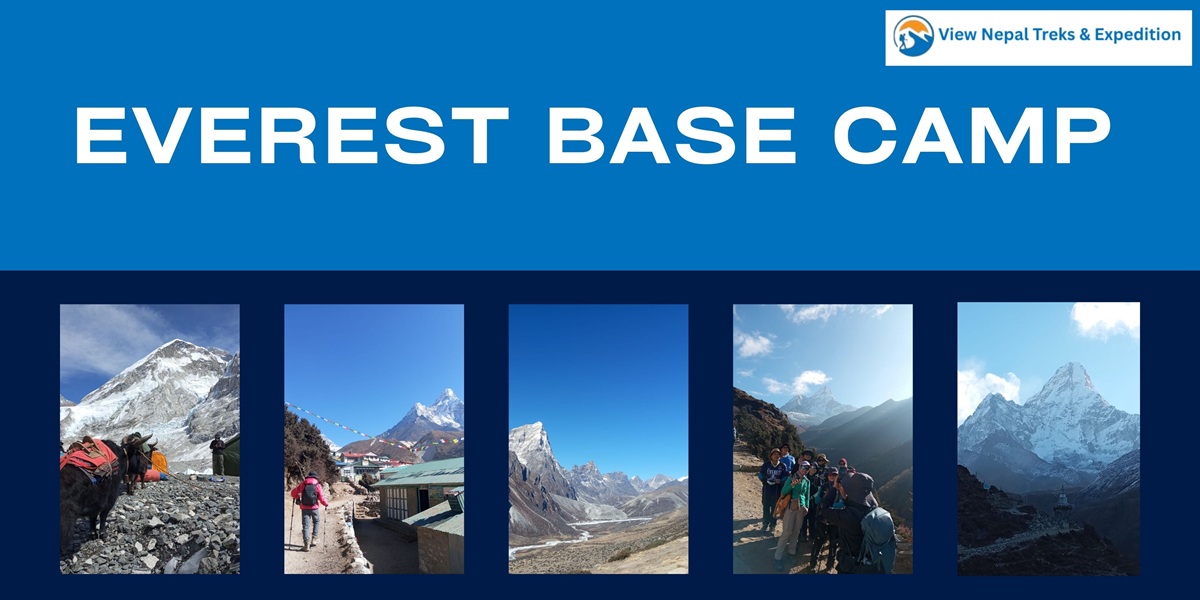
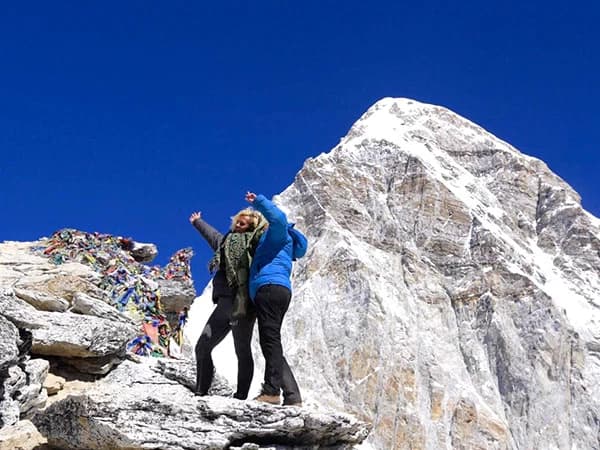
Clear sky mountain views during Everest Base Camp Trek in Nepal
The Everest Base Camp trekking falls in the range of moderate to hard category. It is not among the more difficult hikes in the Himalayas. But it’s no walk in the park either.
Now, let’s clarify a little of what you’ll be facing. You’ll be hiking for 12 to 14 days and walking about 130 km. You’re going to be on your feet five to seven hours a day. There are some days when you're going to be walking 8 hours a day, especially on the days you're going to be acclimatizing.
You’ll be climbing high and sleeping low. Now, into the specifics. You’re going to be flying in and out of Lukla at 2,860 meters. From there, you’re climbing to Namche Bazaar at 3,440 meters. From there, you’ll be hiking 3.860 meters (12,664 feet) up to Tengboche. Dingboche is at 4,410 meters. Lobuche is at 4,940 meters. At 5,164 meters, Gorak Shep is your last stop before ultimately making it to Everest Base Camp. Now, down to Everest Base Camp. It's at 5,364 meters.
EBC Trek Difficulty Level
Trek Feature
Difficulty Level
Details
Maximum Altitude
High
5,364 meters (Base Camp)
Daily Walking Hours
Moderate to High
5 to 7 hours average
Total Trek Duration
Moderate
12 to 14 days
Technical Skills Required
Low
No climbing skills needed
Terrain Type
Moderate
Rocky trails, stone steps, bridges
Altitude Sickness Risk
High
Significant risk above 3,500 meters
Weather Conditions
Variable
Can change rapidly
Accommodation Comfort
Basic
Teahouses with shared facilities
Physical Fitness Required
Moderate to High
Good cardiovascular endurance essential
Terrain Difficulty: Moderate
The path is well-trodden. Thousands of trekkers use this path every season. You will find stone steps, rocky tracks, suspension bridges, and some challenging climbs.
The climb from Lukla to Namche is a hard one. The hike from Tengboche down to Dingboche will be a thigh burner. It’s a long, last journey from Gorak Shep to the base camp.
But it doesn’t entail technical climbing. You won’t have to put your hands down on the rocks. Simply walking on challenging mountainous terrain.
Altitude Difficulty: High
And here is the real challenge of the EBC hike.
Altitude poses a challenge to all trekkers. Some may find it easy to trek in high-altitude areas. Others may find it extremely difficult.
At 5,364 meters, the air contains about 50% of the amount of oxygen available at sea level. Your body will have to work twice as hard to accomplish the same tasks.
Simple tasks like tying your shoelaces or climbing the stairs will become arduous tasks.
Altitude sickness is a real threat to trekkers in high-altitude areas. Headaches, nausea, dizziness, and fatigue are some of the symptoms of altitude sickness. It may become life-threatening in some cases.
Daily Physical Demand: Moderate to High
Requiring 5-7 hours of daily walking for two consecutive weeks is a task that needs cardiovascular and muscular endurance. Your legs and lungs will surely feel the exhaustion.
While rest days can provide some respite, even these days usually require acclimatization hikes that can take 3-4 hours.
Weather Difficulty: Variable
Mountain weather is as unpredictable as a teenager's mood swings. October and November have good and consistent weather. So do March to May.
But even with these periods, you can still expect bad weather.
At Lobuche and Gorak Shep high camps, you can await temperatures to drop to below freezing at night. You wake up in a room with ice inside.
Mental Difficulty: Moderate
While the physical difficulty is obvious, you also need to consider the mental aspect. Days spent hiking can test your Patience. Headaches caused by altitude can drain you.
You need mental endurance to get through these days.
For Whom Is the Everest Base Camp Trek Difficulty Suitable?
You do not have to be a professional mountain climber. But you do need to have:
Good cardiovascular health Strong leg strength Mental toughness Awareness of altitude effects Patience with basic living conditions
Senior citizens in their 60s and 70s have undertaken this trek. Teenagers have undertaken this trek too. So age is not a factor here.
If you are someone who can hike 6 to 7 hours a day with a light backpack, then you are on the right path. If you are someone who has undertaken multi-day treks earlier, then you are even more on the right path.
Success Rates of Everest Base Camp Trek despite the moderate-to-challenging Difficulty
The majority of the trekkers with adequate preparation are able to successfully do the EBC trek. In peak season, with proper acclimatisation, this risk is reduced to approximately 10%.
Most common reasons for giving up the climb are: Acute mountain sickness, Lack of physical conditioning (most frequent), Bad weather necessitating evacuation, Disease or injury.
With a reasonable itinerary, adequate fitness and listening to your body, you will improve your chances of success immensely.
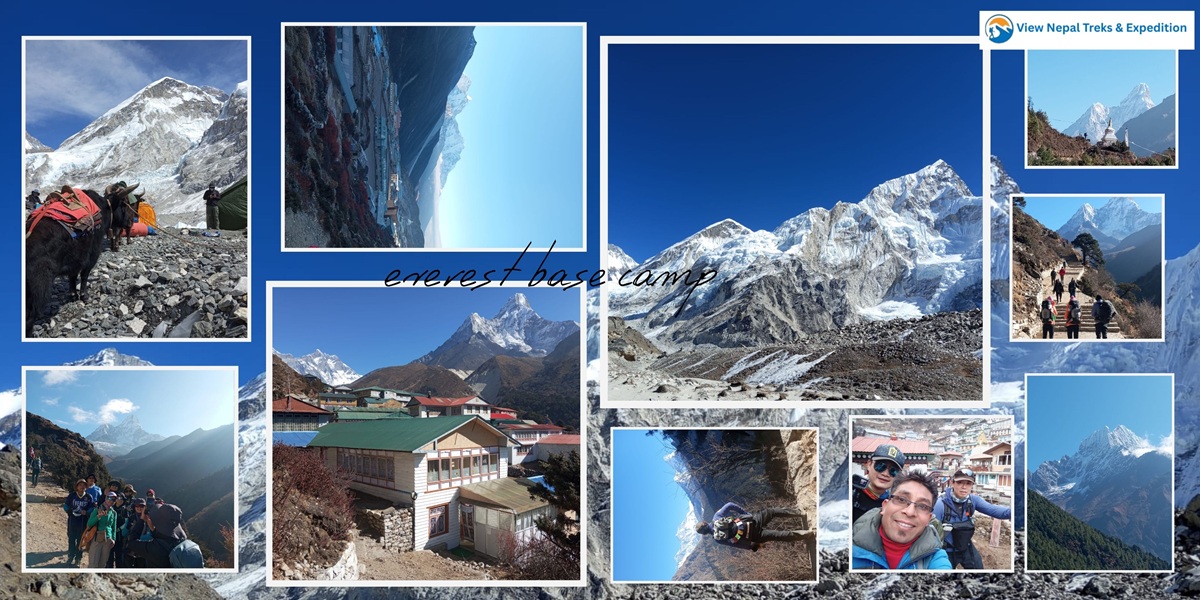
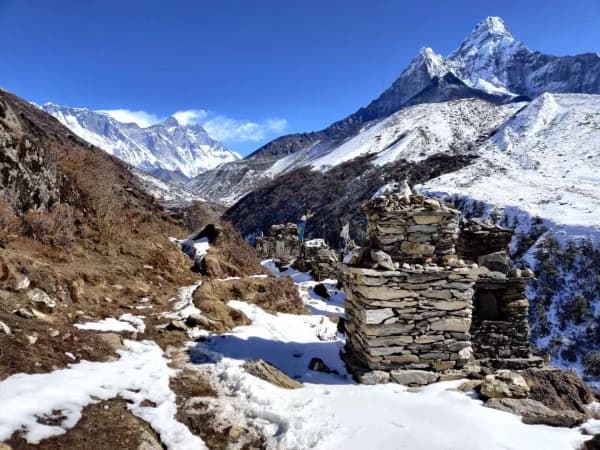
Classic rocky trail scenery along Everest Base Camp Trek route
The Everest Base Camp trek is not a technical climb. But it does require real physical fitness. There’s no faking it for two weeks in the mountains at altitude.
Let’s discuss what your body requires.
Physical Fitness for EBC Trek
Cardiovascular Endurance
This is the first thing you do. You need to have a strong heart and good lungs. You’ll hike uphill for hours, with a daypack. That will keep your heart rate up for the rest of the day. Your cardiovascular system has to work overtime up here to get oxygen to your muscles. Begin your training at least 8 to 12 weeks before hitting the trail. You’ll be best served to start 4 to 6 months before you expect your family member or friend to have his or her first news meeting.
Training Activities:
Hiking with a weighted backpack (5 to 8 kg), running or jogging 3 to 4 times a week, cycling for 1 to 2 hours, and stair climbing or stadium steps. Also, swimming for overall endurance.
Target 4 to 5 cardio sessions per week. Each session should be 45 to 60 minutes long. So gradually increase the intensity.
Weekends are for long hikes. Start with 2 to 3 hours, then gradually increase to 6 to 7 hours. This is similar to the trekking experience.
Leg Strength and Muscular Endurance
Your legs get you through 130 kilometers. Uphill. Downhill. Over rocks and steps.
Your quadriceps are needed for going downhill. But your glutes and hamstrings are needed for going uphill. Plus, your calf muscles are needed to keep you stable.
Training Exercises:
Squats
Lunges
Step-ups
Leg Press
Calf Raises
Wall Sits
Do strength training 2 to 3 times a week. Perform a high number of repetitions with moderate weight.
Core Stability
A strong core can protect your back when carrying a pack. It can also help you balance on rocky trails. It can reduce fatigue on long days.
Training Exercises:
Planks
Russian twists
Mountain climbers
Dead bugs
Bird dogs
Add 15 to 20 minutes of core work to your routine 3 times a week.
Flexibility and Mobility
Tight muscles can lead to injury. Good flexibility can help you traverse uneven terrain safely.
Stretch after every workout. Focus on:
Hip flexors
Hamstrings
Quadriceps
Calves
Lower back
Yoga or Pilates once or twice a week can also help you a lot.
Sample Training Schedule
3 Months Before Trek:
Monday: 45-minute run or jog
Tuesday: Strength training (legs/core)
Wednesday: Rest or light yoga
Thursday: 60-minute cycling or swimming
Friday Strength training (legs and core)
Saturday: 3-4 hr hike at pie-day with the weighted backpack.
Sunday: Rest or stretching
1 Month Before Trek:
Monday: 60-minute run with hills
Tuesday: Leg/core strength training
Wednesday: 45-minute cardio session
Thursday: Rest or yoga
Friday: Leg and core strength training
Saturday 5-7 hour weighted backpack on a hike
Sunday: Active recovery (walk and stretch)
Mental Fitness
While the differences matter, remember this: physical fitness is essential, but mental fitness is equally important.
Long days on the trail test your patience.
Altitude headaches zap your motivation. Cold nights at basic teahouses push your comfort levels.
Mental Preparation Strategies:
Visualize your success at the end of the trek. Also, practice discomfort: cold showers and hard beds. Develop a positive self-talk habit. Focus on small goals instead of the ultimate goal: base camp. Accept that some days are hard. Plus, meditation is a great tool to help you stay positive and focused.
Fitness Assessment Checklist
Before you book your trek, assess yourself against these criteria and answer them honestly:
Can I trek continuously for 6 to 7 hours a day? And can I handle steep uphill climbs for 1 to 2 hours a day?
Can I trek on a steep downhill path without knee problems?
Can I carry a backpack of 5 to 8 kg comfortably?
Have I been training regularly for at least 8 weeks?
Do I have any health problems that could be complicated at high altitude?
If you answer these questions in the affirmative, then you are ready to trek. If you have health problems, consult a doctor specializing in high-altitude trekking.
What If You're Not Fit Enough?
No need to panic! You can get fit in time. With consistent training, most people can get fit enough to trek to EBC in 3 to 4 months. So even if you're not physically very fit, don't worry. You can get fit in time.
But if you're in an extremely poor state of health, give yourself an extra 6 months and plan your trek accordingly. It's not worth risking injury, altitude sickness, and failure to reach EBC if you're not physically prepared.
Additional Fitness Tips
At higher altitudes, stick to basic food. At higher lodges, meat is a bad idea because it can spoil quickly.
Get your trekking shoes ready by trekking in them during your training. If possible, train at altitude; failing that, use altitude simulation masks. Also, test your trekking gear during training. Plus, join a few group treks to get used to trekking.
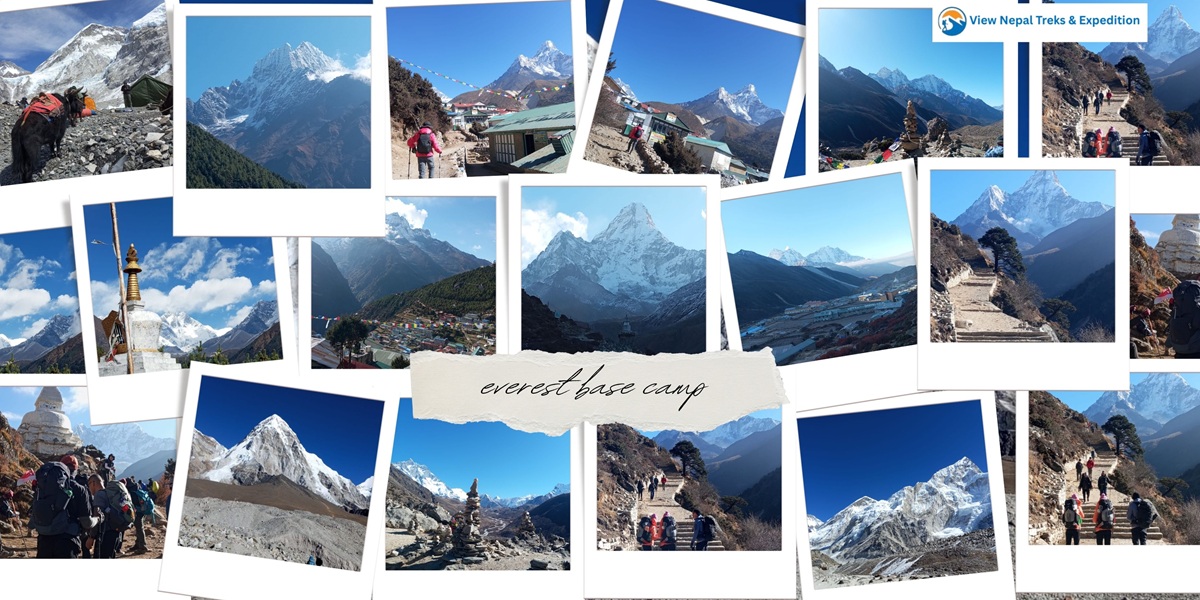
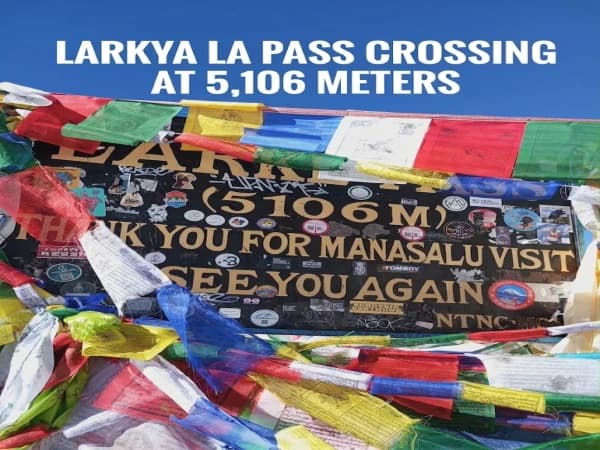
Wide panoramic views of the Himalayas during Everest Base Camp Trek
The biggest challenge that one may face on the Everest Base Camp trek is altitude sickness. This challenge is faced by fit as well as unfit trekkers. Your cardiovascular fitness does not guarantee you against altitude sickness.
Knowing about altitude sickness and how to prevent it is the key to a successful trekking adventure.
Altitude Sickness Everest Base Camp
Location
Altitude
AMS Risk Level
Notes
Lukla
2,860 m
Low
Starting point
Namche Bazaar
3,440 m
Moderate
First acclimatization stop
Tengboche
3,860 m
Moderate
Important monastery visit
Dingboche
4,410 m
High
Second acclimatization stop
Lobuche
4,940 m
High
Challenging altitude
Gorak Shep
5,164 m
Very High
Last overnight stop
Base Camp
5,364 m
Very High
Day trip only
Altitude sickness, also known as Acute Mountain Sickness (AMS), strikes when you rise too quickly to a high altitude. Your body has not had enough time to acclimatize to the low levels of oxygen.
At sea level, air pressure is high. Oxygen molecules are densely packed. Your lungs can easily obtain oxygen with each breath.
At 5,364 meters, air pressure is only about 50% of sea level air pressure. Oxygen molecules are spread out. Your lungs work harder to obtain the same amount of oxygen.
Acclimatization involves:
Rapid breathing, increased pulse rate, more red blood cells in the body, and blood chemistry changes
It takes days to weeks for these adaptations. Rush them, and your body rebels with altitude sickness.
AMS in EBC Trek
Mild AMS
Headache (most common symptom), Fatigue and weakness, Dizziness or lightheadedness, Nausea or loss of appetite, Difficulty sleeping, Shortness of breath during exertion
Moderate AMS
Severe headache that is not relieved by painkillers Vomiting Increased weakness Coordination problems (ataxia) Chest tightness
Severe AMS (Life-Threatening)
Severe breathlessness at rest, confusion or altered mental state, unable to walk in a straight line, coughing up pink, frothy mucus, severe fatigue
Severe AMS can lead to High Altitude Pulmonary Edema (HAPE) and High Altitude Cerebral Edema (HACE). Both are medical emergencies requiring immediate descent.
Prevention Strategies
Gradual Ascent
This is your best defense. Don't climb it too fast or too high. Climb High, Sleep Low. Follow the golden rule of mountaineering: climb high, sleep low.
On acclimatization days, it's best to hike up in elevation during the day. Then go back down to a lower altitude to sleep. This helps your body acclimate to the altitude but also allows it a break.
Standard Acclimatization Schedule:
Lukla to Phakding: Overnight at 2,610 meters.
Phakding to Namche: Overnight at 3,440 meters.
Acclimatization day at Namche: Trek to 3,880 meters, then overnight at 3,440 meters.
Namche to Tengboche: Overnight at 3,860 meters.
Tengboche to Dingboche: Overnight at 4,410 meters.
Acclimatization day at Dingboche: Trek to 5,000 meters+, but overnight at 4,410 meters.
Dingboche to Lobuche: Overnight at 4,940 meters.
Lobuche to Gorak Shep: Overnight at 5,164 meters.
Gorak Shep to Base Camp and back: Day trip to 5,364 meters.
Note: Never skip acclimatization days to save time. These days will save you from altitude sickness.
Hydration
Dehydration will exacerbate altitude sickness. At high altitude, you'll lose water through increased rate of respiration, dry air at high altitude, and lack of thirst. Drink 3 to 4 liters of water every day. Carry a refillable water bottle with you and drink from the teahouses to refill your bottles. If your urine is dark, you're dehydrated.
Slow and Steady Pace
Pole pole, slowly slowly, comes from the Swahili language, and mountaineers borrowed it from Kilimanjaro. Walk at a pace where you're able to talk but aren't gasping for breath. If you're gasping for breath, you're walking too fast. Your guide will set a very slow pace for you, and you need to comply with it because it'll help you conserve energy and acclimatize.
Proper Nutrition
Eat regularly, even if you're not hungry. Appetites are often depressed at altitude. To concentrate your diet, include carbohydrates (rice, pasta, bread, potatoes), light proteins (dal, eggs), warm soups, and hot tea. Avoid heavy, greasy meals at altitude. They're harder to digest.
Avoid Alcohol and Sleeping Pills
Alcohol dehydrates you. Plus, it reduces your rate of breathing, which can make altitude sickness worse. Sleeping pills also reduce your rate of breathing, and at altitude, you need every breath you take.
Diamox (Acetazolamide)
Diamox is a drug used to prevent and treat altitude sickness. Diamox accelerates acclimatization by increasing the rate of breathing, oxygenating the body, and preventing the buildup of fluids. Many trekkers take Diamox to help prevent altitude sickness, starting at Namche Bazaar. Normal dosage of Diamox: 125 to 250 mg, twice a day. But you must consult your doctor before taking Diamox because it has some side effects, such as frequent urination, tingling of fingers and toes, and altering the taste of carbonated drinks, making them taste flat. While Diamox is no guarantee, it does provide additional insurance against altitude sickness, but it doesn't replace the need to acclimatize.
Listen to Your Body
This is critical. Don't ignore your body. For a mild headache, rest, hydrate, and take ibuprofen. For moderate altitude sickness, stop climbing and rest at the same altitude for a day. But for severe altitude sickness, descend immediately. 300 to 500 meters of descent may save your life. Pride kills people in the mountains. So if you're sick, don't be afraid to speak up.
What To Do If You Get Altitude Sickness?
For mild altitude sickness, stop climbing. Rest at the same altitude for a day. Hydrate aggressively and take ibuprofen or paracetamol for a headache. If the symptoms improve, you may continue climbing slowly. But for moderate to severe altitude sickness, descend immediately. Don't wait until the next morning. Descend at least 300 to 500 meters, seek medical help, and consider helicopter evacuation if the symptoms are severe. Supplemental oxygen and medication only provide a little time to descend and save your life. Descent is the only cure for severe altitude sickness.
Helicopter Evacuation
In severe altitude sickness, you may need to be evacuated from the high camps by a helicopter. Therefore, it's vital to purchase insurance cover for altitude sickness. The cost of a helicopter evacuation is between $3,000 and $10,000. When you purchase insurance cover, the cost of evacuation is catered for. But when you don't purchase insurance cover, you'll pay the cost of evacuation out of pocket. Additionally, helicopter evacuation may not be possible when the weather is poor. Therefore, it's vital to descend as soon as you experience altitude sickness.
Long-Term Effects
In most cases, altitude sickness victims make a full recovery from the condition when they receive the necessary medical treatment. But when you don't seek medical attention for altitude sickness, you may suffer from permanent brain damage from HACE, permanent lung damage from HAPE, and death. Therefore, altitude sickness is a condition you shouldn't take lightly. It's not a sign of weakness, but rather a sign of a physiological reaction to low levels of oxygen.
The EBC hike falls into the moderate to very difficult category. You'll trek 5 to 7 hours daily for 12 to 14 days at an altitude of up to 5,364 meters. The main challenges are the height, the long walking days, basic accommodation and unpredictable weather. But you don't have to be a technical climber. Most fit people with appropriate training finish it without a hitch.
What is AMS in EBC trek?
AMS, or acute mountain sickness. It's the medical name for altitude sickness. On an EBC trek, AMS is caused by ascending too rapidly, while your body cannot adjust to the decreased oxygen. Symptoms are headache, nausea, dizziness and feeling tired. Severe AMS can be life-threatening. So prevention entails gradual ascent, appropriate hydration and listening to your body.
Can beginners do Everest Base Camp trek?
Yes, absolute beginners are able to EBC trek, provided they're well-trained. Begin training three to six months before. Develop cardiovascular stamina and leg strength. If this is your first trek at altitude, I'd recommend hiring an experienced guide. Pick an itinerary with plenty of acclimatization days. Just because it's non-technical doesn't mean this isn't challenging. But with determination and proper planning, even novice hikers can accomplish EBC.
How do I prevent altitude sickness on EBC trek?
Minimize your risk of altitude sickness by taking it slow (climb gradually), drinking plenty of fluids (3 to 4-liters per day), walking at a slow and steady pace, eating regularly and including acclimatization days in your trek. Consult your doctor to see if you should take Diamox for some time. Pay attention to your body and don't ignore symptoms! Remember: climb high, sleep low. If symptoms appear, stop ascending. But if they worsen, descend immediately.
What fitness level do I need for Everest Base Camp?
You should have pretty good cardiovascular fitness and strong legs. You'll need to hike up to 6-7 hours a day with your own light daypack. Train 8 to 12 weeks doing cardio (running, cycling, swimming) and strength training (squats, lunges, step-ups). Also, do long approach practice hikes on weekends and work your way up to 6-7 hour hikes with a weighted pack. Mental toughness also matters. You'll be uncomfortable, tired and cold.
When is the best time to trek to Everest Base Camp?
The most comfortable times to visit are March to May (spring) and September to November (autumn). These times also provide predictable weather, clear mountain views and mild temperatures. The best time to view is October and November because the sky is clearer. March to May: Warmer temperatures and rhododendrons in bloom. Steer clear of the monsoon season (June-August) when you have frequent rain and low visibility. Winter (from December until February) is severe but doable for experienced trekkers.
Do I need a guide for Everest Base Camp trek?
For all trekkers in Nepal since April 2023, you must employ a licensed guide through an officially registered trekking agency. You may not trek independently anymore. This rule safeguards all users, provides local jobs and retains trail quality. Your guide assists with navigation, recognizing altitude sickness, cultural explanations and emergency response. Plus, they take care of permits and accommodation bookings, too.
How much does Everest Base Camp trek cost?
The standard group package is $1,130 to $1,300 a person. This includes permit, teahouse accommodation, meals, guide, porter and Kathmandu-Lukla flights. Factor in international flights ($900 to $2,000), travel insurance ($100 to $200), gear ($200 to $400), and personal expenses. So the total budget typically falls between $3,000 and $6,000 for most trekkers. High-end options, including a premium lodge and helicopter return, cost $8,000 to $10,000+.
What should I pack for Everest Base Camp trek?
Pack layers for varying temperatures. Thermal wear, insulator jackets (fleece, lightweight down jacket), waterproof layers (jacket and pants), trekking boots, woolen hat and gloves, sunglasses, sunscreen, lip balm with UV protection, headtorch, small sleeping bag -10 °C rated, trekking poles, day packs, water bottle, first-aid kit, toiletries, personal medicine, etc. Don't overpack. Porters will carry the main luggage, but you'll take a daypack every day. You can hire or purchase gear in Kathmandu if needed.
Is Everest Base Camp trek worth it?
Absolutely. The EBC trek offers breathtaking views of the world's highest mountains despite being more accessible than other high-altitude treks. You'll hike through Sagarmatha National Park, visit ancient monasteries, traverse suspension bridges and see peaks like Everest, Lhotse and Ama Dablam up close. But it takes preparation, physical exertion and mental commitment. To most trekkers, it's an experience that's worth a lifetime of everything.