The easiest way to go to Everest Base Camp is to fly from Kathmandu to Lukla and trek for 12–14 days via Namche Bazaar, Tengboche and Dingboche to EBC (5,364m). You’ll need permits, a licensed guide, acclimatization days, and a budget of around $1,200–$2,500.
How to Go to Everest Base Camp?
Planning how to go on the Everest Base Camp is all about planning your travel options and getting yourself ready to take on the adventure, both physically and mentally. The most popular approach is to fly from Kathmandu to Lukla, then trek 12-14 days among picturesque Sherpa villages until reaching base camp at 5,364 meters. Technical skills such as climbing experience are not required, but sound physical fitness is required.
The journey begins from the capital of Nepal, Kathmandu. Here, you get your permits, hire a compulsory guide, and get essential supplies for this journey. Flying to Lukla is the most popular option, which also saves time. Besides, there’s the cheaper option of driving to Jiri or Salleri, and trekking from there adds additional days but is not as expensive. Those with less time can take a helicopter tour to get in and out quickly, but you miss the cultural experience, not to mention the risk of altitude sickness.
Along the way, your journey takes you through a clearly marked trail from Namche Bazaar to Tengboche and Dingboche, all the way up to Lobuche and then base camp. This itinerary gives you two rest days for acclimatization, which is basically a process of adjusting to high altitude and thin air. You’ll need three major permits, the right gear (warm layers and good boots), and a budget of $1,200 to $2,500, depending on your service level.
Considering the time, the Spring and Autumn seasons offer the best weather conditions, climate, and temperature. Besides all that, physical and mental preparation is what all trekkers need before attempting your journey to the Everest Base Camp.
How to Reach Everest Base Camp from Kathmandu?
Kathmandu is the starting point of the Everest Base Camp Trek. And getting to the lap of the world's tallest mountain involves careful planning, where choosing the correct route comes in. If you are wondering how to go to Everest Base Camp, then there are several ways to reach it, which are by flight and road. Each of these routes offers different experiences, costs, and travel times.
Here are all the ways to go to Everest Base Camp from Kathmandu with time, cost, difficulty and transport.
Route
Total Time
Cost Range
Transportation
Difficulty
Fly to Lukla + Trek
12-14 days
$1,500-$2,500
Flight + walking
Moderate
Drive to Jiri + Trek
16-18 days
$1,200-$1,800
Bus/jeep + walking
Hard
Drive to Salleri + Trek
14-16 days
$1,300-$2,000
Bus/jeep + walking
Moderate-Hard
Helicopter Charter
3-4 hours
$4,000-$5,000
Helicopter only
Easy
Fly to Phaplu + Trek
13-15 days
$1,400-$2,200
Flight + walking
Moderate
Route 1: Flying to Lukla (Most Popular Method)
Lukla airport is the main gateway to the Everest Base Camp trek route
The standard way to get to Everest base camp from Kathmandu uses the famous mountain flight to Lukla. This option saves time and drops you directly into the heart of the Khumbu region.
The Kathmandu to Lukla Flight Experience
The early morning flights to Lukla take place between 6:00 AM and 9:00 AM from Tribhuvan International Airport in Kathmandu. Travelers fly in small twin-engine planes that hold 12-16 people, and a flight takes approximately 35 minutes. The journey provides an aerial view of green hills, terraced farmland, and snow-capped peaks of the Himalayas.
Lukla's Tenzing-Hillary Airport is famous for its adventurous runway, a 527-meter-long strip built on a nearly vertical incline with a cliff at one end, which makes the landing an exhilarating, if not unforgettable, experience.
One-way flight tickets cost between $180 and $350 per person. The costs are influenced by the time of year. Costs are the highest during the busiest trekking months (March-May and September-November). Several operators, including Tara Air, Summit Air, and Sita Air, operate the flight on this route.
Lukla flights are also very dependent on the weather. The most trustworthy flying window comes in the mornings, but afternoon winds and cloud cover often result in delays or cancellations. To mitigate the risk of schedule chaos, it is a good idea to plan on spending 2-3 extra days in Kathmandu both before and after your trek.
Starting Your Trek from Lukla
The trek starts from the very first day after you arrive in Lukla (2,840 m). Most groups break for lunch, finalize porter arrangement and head out towards Phakding. The first day is relatively easy, winding its way gently downhill through pine forests and across high suspension bridges hung with prayer flags.
You spend the first night in Phakding (2,610 m), a small riverside village with comfortable lodges strategically placed beside the trail, so it does not take long to come across a good guest house to stay at.
Day 1: Trek from Lukla to Phakding (3–4 hours, mostly downhill).
Day 2: Trek from Phakding to Namche Bazaar (5–6 hours, steep climb).
Day 3: Acclimatization day in Namche Bazaar with short hikes.
Day 4: Trek from Namche Bazaar to Tengboche (5–6 hours).
Day 5: Trek from Tengboche to Dingboche (5–6 hours).
Day 6: Rest and acclimatization day in Dingboche.
Day 7: Trek from Dingboche to Lobuche (5–6 hours).
Day 8: Trek from Lobuche to Everest Base Camp via Gorak Shep (7–8 hours).
Days 9–12: Return trek from Everest Base Camp region back to Lukla.
The Everest Base Camp trek lasts 12-14 days return, averaging around 65 kilometres each way. The trek is graded moderate to challenging primarily because of the elevation gain and long walking hours each day, rather than technicality.
Lukla Flight Route Costs:
Route 2: Road Journey to Jiri (Classic Trekking Route)
Before Lukla airport existed, everyone walked from Jiri. This Everest base camp from Kathmandu route follows the historic path that Edmund Hillary and Tenzing Norgay took.
Kathmandu to Jiri Road Trip
It is about 188 km (116 miles), approximately a 7-9 hour journey on mountain roads. Depending on what a traveler can afford and their personal comfort level, three options are available:
Local buses are the least expensive, at $5 to $8, but they can get crowded and make multiple stops. More comfortable tourist buses with fewer passengers run from $15 to $20. Private jeeps, which cost $150–$200 and can stop for photos, meals and restroom breaks as necessary.
The trail starts following the Araniko Highway to Tibet before turning off for Jiri. On your way, you will pass through places like the hill town of Dhulikhel (famous for its mountain views) and Charikot (the district headquarters of Dolakha). The last section runs through terraced hills with local farmers growing rice, millet and vegetables in season.
Trekking from Jiri to Base Camp
Starting from Jiri (1,905m) adds 7-8 extra trekking days compared to Lukla. You walk through lower elevation areas first, passing through:
Subtropical forests filled with wildflowers
Traditional villages of Rai and Sherpa people
Terraced farmlands carved into hillsides
Several high passes with prayer flags
Riverside trails alongside rushing streams
This slow rise enables your body to acclimatize properly to the altitude, and frequent climbs in and out of several valleys help get you fit for the trip. The trail later joins the main Lukla route close to Phakding or Lukla town.
The primary advantages are significantly less expensive (without the Lukla flights), being able to trek deeper into more remote villages and being free from flight delays due to weather. The trade-off is that it requires one more week of trekking, and the terrain is rugged, necessitating strong legs. Tea houses in lower elevations are more rudimentary than the lodges along the main Everest trail.
The whole trek usually takes 16 to 18 days and costs between $1,200 and $1,800, including a licensed guide, permits, lodging, meals, etc.
Jiri Road Route Costs
Bus transport: $10-$40
Guide fees (18 days): $450-$630
Permits: $50-$60
Accommodation: $54-$180
Meals: $360-$540
Total: $1,200-$1,800
Route 3: Driving to Salleri
As road conditions become less rural, Salleri provides a more accessible, middle-of-the-road alternative for getting to Everest Base Camp. Combining low prices with a sensible trek duration, this journey is now an increasingly popular option for those who want a departure from flying into Lukla.
Road Journey Details
Salleri is approximately 252 km away from Kathmandu and takes about 9 to 11 hours to drive, depending on road conditions. Some sections are paved in smooth blacktop, but others are unpaved and bumpy. Local buses cost from $8 to $12, while private jeep costs around $180 to $250. As the road ascends, the views change to rolling hillsides and far-off mountains.
Trek from Salleri
The route starts at an altitude of 2,390 meters, and it takes 3 to 4 days to link up with the main trail near Lukla. The trail leads through Ringmo village, by various streams, and even makes a stop at Chiwang Monastery. During spring, rhododendron forests line the trail, and you can stay in family-owned tea houses in small Sherpa villages along the way.
Duration & Cost
This takes about 14-16 days, and the investment value is between $1,300 to $2,000. It gets rid of the pricey Lukla flight but is still faster than the Jiri route, making it a good value for those looking for a good value without adding tons of time.
Route 4: Helicopter Tour
For people with very limited time, Everest base camp from Kathmandu by helicopter offers a luxury solution. But how to get to Everest Base Camp by Helicopter from Kathmandu. Lets dive into it:
Tour Details and Experience
Helicopter tours typically take only 3-4 hours, with direct flights from Kathmandu to high-elevation viewpoints. Most tours follow a similar pattern: Kathmandu to Lukla (to refuel) to the area around Everest base camp to Kala Patthar (5,545 meters) to the Everest View Hotel (breakfast) to return to Kathmandu.
Helicopters usually carry 5-6 passengers. Shared tours cost approximately $4,000 to $5,000 per person; private charters begin at around $12,000 to $15,000 for the entire helicopter. This is a short landing (10-15 minutes only) at high altitude for taking photographs, etc. Breakfast with a refreshing Himalayan view of mountains can be organized in specific package provider companies at the Everest viewpoint hotel.
One of the major risks is the health challenge. The rapid transition from 1,400 meters to 5,500 meters does not allow the body to acclimatize and can cause acute altitude sickness. Additionally, there is the weather factor, cloud cover or high winds will cause an excursion to be cancelled. Furthermore, this choice sidesteps the cultural immersion, physical exertion, and gradual acclimatization process which make up the essence of a classic trek to Everest.
Helicopter Tour Costs:
Group tour: $4,000-$5,000
Private charter: $12,000-$15,000
No accommodation/meal costs needed
Route 5: Phaplu Flight Alternative
Phaplu airport offers another flying option that fewer people know about but provides better reliability.
Why Choose Phaplu
The flight to Phaplu from Kathmandu costs $150-250 per person, and takes 35-40 minutes. The runway at the airport is longer than that of Lukla, so it is safer and less prone to weather cancellations. So you get more reliable scheduling out (flights generally run only a few times a week).
From Phaplu (2,470 meters), the walk takes 2-3 days through picturesque lower-elevation settlements to join the main Everest trail. Although this itinerary adds several additional days of trekking, it offers superb acclimatization opportunities and access to some lesser-traveled villages that few trekkers get to see.
The complete trip lasts 13-15 days and costs $1,400 to $2,200, inclusive of services and season.
How to Hike to Everest Base Camp?
Everest Base Camp (5,364m) – the ultimate goal of the EBC trekking adventure
Hiking to Everest Base Camp is more than just hiking the trail. Careful preparation, wise planning and gradual physical progression are your keys to a safe and successful hike.
Step 1: Physical Preparation
Start your training at least three months prior to departure, as you’ll need to condition your body for the hike. Spend some time building cardiovascular endurance and leg strength for long hiking days, steep ascents, and sustained effort at altitude.
Training Activities
Trek with a loaded daypack (5-10kg) 4-6 hours per week
3-4 times per week, go for a 30-45 minute run, or ride a bicycle
Carry some weights in a schoolbag up the stairs to imitate an ascending ascent
Walk on uneven ground to get used to it
Squat and lunge to work the legs
Strengthen your core with planks and exercises
Fitness Goals to Achieve
6-7 hours of hiking with breaks, comfortably
2 hours of non-stop uphill walking
Not struggle with a 10 kg backpack
Keep a regular breath during physical activity
Step 2: Collect All the Necessary Documents and Permits
Permits and a licensed guide are required to trek to Everest Base Camp
You can’t trek without the right paperwork. Start collecting these items:
Essential Documents
Passport (with 6 months' validity from the return date)
Nepal arrival visa (available on arrival)
Travel insurance which covers high altitude (up to 6,000m)
Your trekking company will typically handle permits, but you’ll need to supply passport copies and photos. Permits are scrutinized at entry gates and in several places along the trail.
Step 3: Book a Licensed Guide
From 2023, Nepal has established that trekkers should hire a guide with a license. You can’t hike alone to base camp on Mount Everest.
Finding a Good Guide
Look for trekking companies with good reviews
Verify the guide’s credentials and experience
Inquire what is included (meals, lodging, permits)
Get quotes from three to four companies
Check contract terms (Tip: read the fine print)
Check that insurance is valid
Guide Responsibilities
Lead and do the logistics for the hike
Organize tea house reservations
Offer altitude sickness surveillance
Exchange cultural and environmental information
Manage emergencies and evacuation process
Acquire permits and park entry gates
Step 4: Pack Essential Gear
Packing the right layers and gear is essential for a safe Everest Base Camp trek
The key to a successful hike to Everest Base Camp largely rests on having the right gear.
Clothing Essentials
Wick-away or moisture-wicking base layers (3-4 sets)
Fleece or down jacket (warm)
Outer shell that is waterproof and windproof
Trekking pants (2-3 pairs)
Warm hat and sun hat
Thin and thick pairs of gloves
Decent hiking boots (broken in before trek)
Camp shoes or sandals (for evenings)
Warm sleeping clothes
Equipment Needed
Sleeping bag rated to -10°C or colder
Hiking poles (they ease the burden on your knees)
Headlamp with spare batteries
Sunglasses (must have UV protection)
Water bottles (or hydration system, 2 liters capacity)
Daypack (about 25-35 liters)
Bigger duffel bag for porters
Other Important Items
Sunscreen (SPF 50+)
Lip balm with SPF
First aid kit (including blister treatment)
Purification tablets
Toiletries/Wet Wipes
Quick-dry towel
Camera and power bank
Cash (there are no ATMs above Namche)
Step 5: Fly to Lukla and Begin Trek
From the moment you step off at Lukla, your walking adventure will commence. Upon your exciting landing, you will meet an experienced guide and porter team just outside the tiny airport terminal. You pack your gear collectively, with necessities stuffed into your day pack and porters carrying the larger bags.
Lukla is where most groups break for lunch before beginning to walk in the early afternoon. The first day’s walk to Phakding is approximately 3-4 hours, and descends gently through pine forests, small villages, and across suspension bridges covered with prayer flags.
Once in Phakding, you check into a warm little tea house, fill your belly with good food, and get ready for the days of trekking to come.
Daily Trekking Routine
Morning (6:00–8:30 AM)
Wake up around 6:00–7:00 AM
Have breakfast (oatmeal, eggs, bread, and tea)
Fill essentials in the daypack
Begin the walk by 7:30–8:30 AM
During the Trek
Stand up and stretch every hour if possible
Short lunch break around 12:00 noon
Continue trekking in the afternoon
Evening (3:00–7:00 PM)
Arrive at final destination 3:00–4:00 PM
Relax, clean, and recharge your devices
Dinner 6:00–7:00 PM
Sleep early to prepare for tomorrow
Step 6: Follow Proper Acclimatization
The key to figuring out how to reach Mount Everest base camp safely is having respect for the altitude and giving your body time to adjust.
Acclimatization Principles
Ascend no more than 300–500m per day above 3,000m
Rest days every 3–4 days
"Climb high, sleep low" - walk a good deal higher than you spend the night
Consume 3–4 litres of water to flush out toxins from your body every day
Don't consume alcohol, and don't take sleeping pills
Take your time
Don't blow off signs of altitude sickness
Rest Day Activities
Brief acclimatization hikes near higher viewpoints
Return to sleeping height for the night
Drink lots of fluids
Eat nutritious meals
Rest and read
Take a trip to nearby villages
Step 7: Acknowledge and Address Altitude Sickness
Warning Signs
Headache (most frequent initial symptom)
Nausea or vomiting
Feeling dizzy or lightheaded
Extreme fatigue
Loss of appetite
Difficulty sleeping
What to Do
Don't climb any further
Spend the night at that elevation for 24–48 hours
Use altitude-sickness medication (Diamox) if you have been prescribed by your doctors
Go down if the symptoms increase
Don't hike on with symptoms
Tell your guide at once
When to Descend Immediately
Intense headache not responding to medication
Confusion and difficulty walking in a straight line
Rest dyspnea
Gurgling in the lungs
Coughing up pink or frothy fluid
Step 8: Stay Powered Up With Good Nutrition
Daily Eating Strategy
Have BIG breakfasts (porridge, eggs and bread, tea)
Carry high-energy snacks (nuts, chocolate, energy bars)
Have lunch even when not hungry
Opt for carbohydrate-based evening meals (pasta, rice, or potatoes)
Drink warm fluids all day long
Don't eat rich, greasy foods at altitude
Convince yourself to eat despite diminished appetite
Step 9: Base Camp Day
The long day from Gorak Shep to base camp requires an early start and focus.
Base Camp Day Timeline
6:00 AM - Wake up
6:30 AM - Quick breakfast
7:00 AM - Start walking
9:00–10:00 AM - Reach Base Camp (very rocky and challenging, 2–3 hours)
Take photographs and congratulations
Explore campsite area (30–45 minutes)
12:00–3:00 PM - Trek back to Gorak Shep (2–3 hours)
Total walking time: 6–8 hours there and back
Step 10: Descend Safely
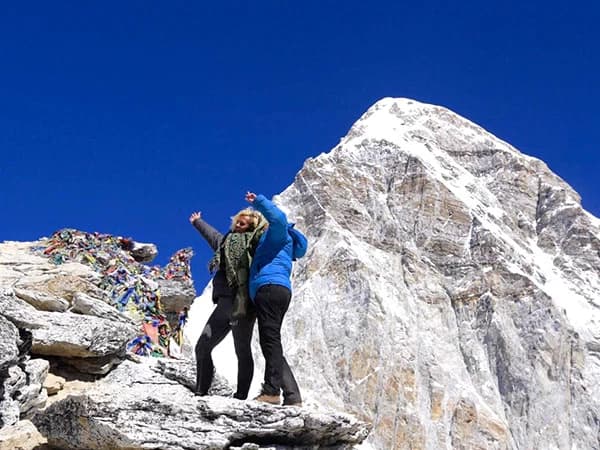
Kala Patthar offers the best sunrise mountain view during the Everest Base Camp trek
Going down is just as much of a focus as coming up.
Descent Tips
Take your time, even though feeling better at lower elevation
Pay close attention to footing (most falls occur while going downhill)
Protect your knees with trekking poles
Rest joints by taking breaks
Continue to hydrate with water
Celebratory dinner and drinks with the team in Lukla after landing from the flight
Everest Base Camp Route via Lukla
The trek to the world’s highest peak, via Lukla, is one of the most popular treks leading to Everest Base Camp, and it will take you through fascinating landscapes, traditional Sherpa villages, and up close to Mount Everest.
Why the Lukla Route is So Popular?
Flying into Lukla (2,840m / 9,317 feet) saves at least 5-7 days of hiking time spent at lower elevations, which is especially enticing for those who have limited time. The best thing about the trail is that there is everything you need along the way: convenient tea houses, good guides to depend on, and reliable communication technology, all providing for an easier and more enjoyable trek.
Section
Starting Point
Ending Point
Distance
Time
Gain/Loss
Day 1
Lukla (2,840m)
Phakding (2,610m)
8 km
3-4 hours
-230m
Day 2
Phakding (2,610m)
Namche (3,440m)
11 km
5-6 hours
+830m
Day 3
Namche Rest
Namche (3,440m)
5 km
3-4 hours
+440m/-440m
Day 4
Namche (3,440m)
Tengboche (3,860m)
10 km
5-6 hours
+420m
Day 5
Tengboche (3,860m)
Dingboche (4,410m)
12 km
5-6 hours
+550m
Day 6
Dingboche Rest
Dingboche (4,410m)
4 km
3-4 hours
+673m/-673m
Day 7
Dingboche (4,410m)
Lobuche (4,910m)
8 km
5-6 hours
+500m
Day 8
Lobuche (4,910m)
Base Camp (5,364m)
15 km
7-8 hours
+454m
Lukla to Phakding Section
The adventure starts as soon as you land at Lukla Airport. You pass through a small mountain town with gear shops, bakeries and lodges. The path now gradually goes down through pine and rhododendron forest. En route, you’ll pass prayer wheels; you can give them a clockwise spin for good luck, according to Buddhist custom.
You’ll encounter several suspension bridges that are decorated with vibrant prayer flags. Yaks are known to make the bridges sway a bit when they or groups of them pass, which makes for an extra bit of excitement on the walk. Tiny villages appear every hour or so, with tea houses for resting and snacking. By day’s end, you arrive in Phakding, a village strung out along the Dudh Kosi River, which is our first taste of the traditional mountain tea house.
Phakding to Namche Bazaar Section
Today, you will experience your first real day of climbing and altitude. It’s an easy start to the day, along the river valley between tiny villages. Then you cross the world-famous Hillary Suspension Bridge. Strung high over the thundering river, the long, swinging bridge provides some of the best photo ops on this trek.
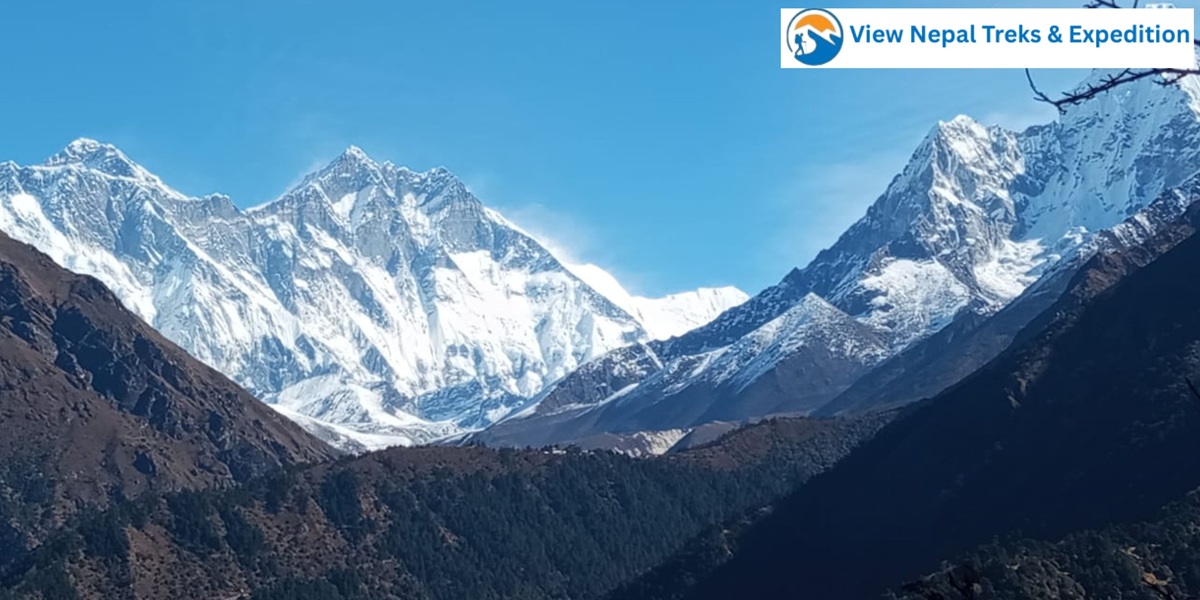
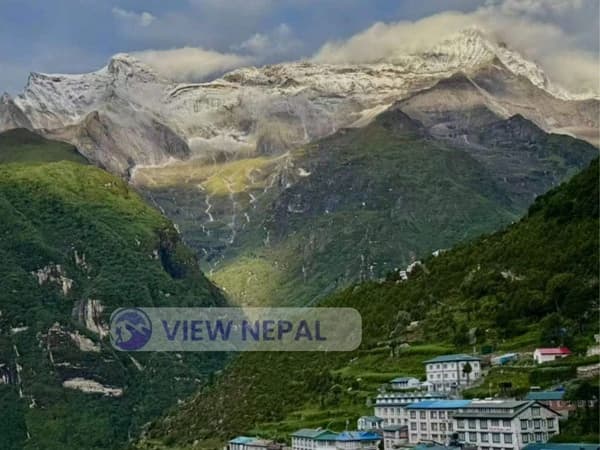
From the bridge, the trail gets steep. The last 2–3 hours make for a relatively easy climb, almost completely uphill with very little flat. Take it slow, take frequent breaks, and concentrate on your breathing. On a clear day, you might get your first view of Mount Everest, which will rise behind the Lhotse–Nuptse ridge. Shortly afterwards, Namche Bazaar reveals itself as a technicolour horseshoe-shaped village sliced into the mountains. This vibrant hub includes everything from bakeries serving up fresh cinnamon rolls to gear shops, Wi-Fi–equipped cafes and even an Irish pub.
Namche Bazaar Acclimatization
Namche Bazaar is the most important acclimatization stop on the EBC trek
This day of rest is necessary to avoid altitude sickness. Most trekkers trek up to the Everest View Hotel (3,880 m) for a clear view of the mountains. The ascent, which takes roughly two hours and can be strenuous, but the vista is a just reward for your exertions. From its viewpoint, you will have a beautiful panorama of Everest, Lhotse, Ama Dablam, Thamserku and much more. Return to Namche for lunch, and then spend the afternoon exploring town: shopping in the local market if it’s a Saturday, looking in on bakeries or perusing the small museum.
Namche to Tengboche Section
Tengboche monastery is a famous cultural highlight on the Everest Base Camp trek
After Namche, the path crosses more of the mountainside with panoramic views of the Himalayas. You trek through the village of Khumjung, where there is a school established by Sir Edmund Hillary for the Sherpa kids. The trail descends through a forest, crosses the Dudh Kosi River on a suspension bridge and then winds its way up to Tengboche.
Located at 3,860 meters on a ridge with some of the best views of the entire trek. Ama Dablam stands in high relief before the monastery, and Mount Everest is visible on clear days on the horizon. Monks reside here year-round, and trekkers can go to an afternoon prayer ceremony at around 3 p.m. The sound of chanting and drums permeates along with the scent of incense in the air, making a peaceful, spiritual experience that many find to be an additional highlight of the trek.
Tengboche to Dingboche Section
The trail drops to the forests again, crosses a river and climbs steadily through the Imja Khola valley. You move into higher elevations , and the trees become less numerous or disappear. You climb the hill, and the landscape opens up, with great towering mountains on all four sides.
Dingboche is located in a broad valley at 4,410 meters. Over the last few years, the village has expanded so that there are now plenty of tea houses providing reasonable accommodation. Mountains are everywhere here; there’s Ama Dablam behind you, Island Peak in front of you and Lhotse looming overhead.
Dingboche Acclimatization Day
Dingboche is a key acclimatization point before trekking to higher altitude
This day is essential for acclimatization. Nangkartshang Peak (5,083 metres) and Chhukung village (4,730 metres) are the most frequented hiking spots for trekkers. These are 3–4 hour hikes with excellent views. The "climb high, sleep low" tactic serves well here, you ascend during the day, but return to Dingboche in the evening to eat and rest more effectively.
Dingboche to Lobuche Section
The trek from Dingboche ascends gently to Dughla (4,620m). After lunch, you hike up a steep hill dotted with more memorials to fallen Everest climbers. The birthplace of a great mountain stands in silent testament and adds context to the adventure.
There is nothing in the landscape beyond the memorials. The vegetation all but ends, replaced by rock-strewn moraines and glacial debris. Lobuche is at 4,910 meters in a rugged, naked environment. It's cold, very cold at night. Tea houses here are simpler than those in the lower villages, but still offer warm meals, beds and blankets.
Lobuche to Gorak Shep to Base Camp
The higher sections near Lobuche and Gorak Shep are rocky and challenging
Summit day begins early from Lobuche. You will hike 2-3 hours to Gorak Shep (5,140 m), the final village before the Everest Base Camp. There are only a handful of tea houses in this small way station. Once you’re there, you dump your bags in the site’s designated gear room, have lunch and steel yourself for one last push.
The last 3-4 kilometers to Everest Base Camp are over rough glacial moraine. The trail can be hard to follow, and you rely on stone cairns and your guide’s experience. You trek along the lateral moraine of the Khumbu Glacier, that is to say, a humongous river of ice buried beneath boulders.
The glacier itself rises 5,364 meters at Everest Base Camp. During climbing seasons (March to May and September to November), the area is filled with colorful expedition tents, makeshift kitchens, and climbers preparing for summits. Above base camp looms the Khumbu Icefall, a nightmarish tangle of ice towers and deep crevasses that climbers must negotiate.
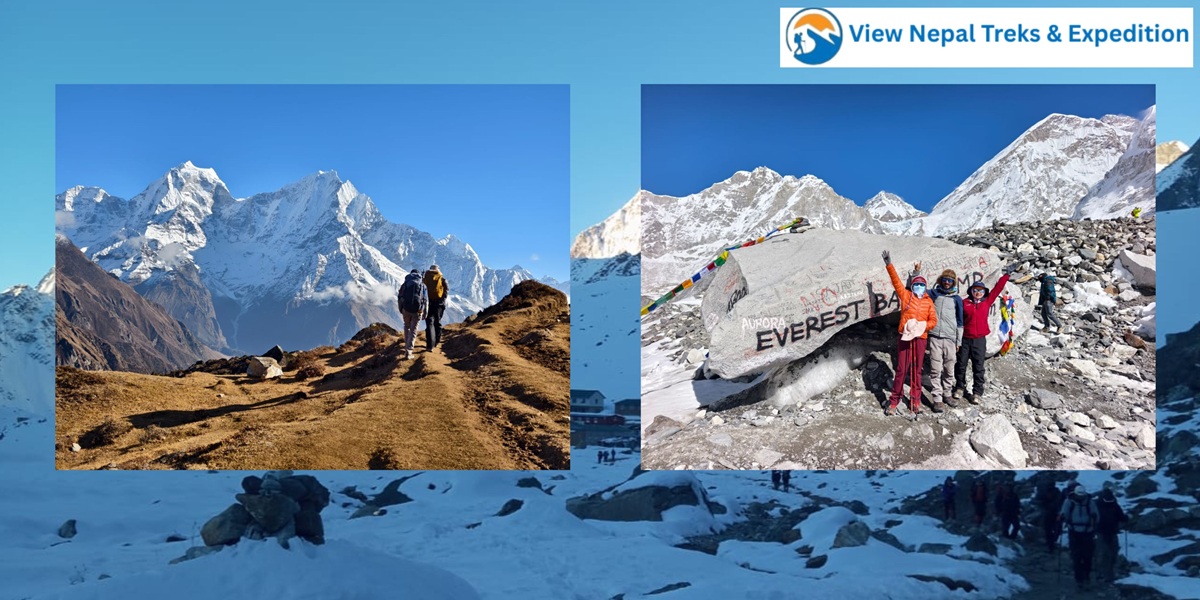
As trekkers celebrate having reached the goal, prayer flags flutter through the space. Those who have traveled from around the world take pictures and savor the moment. Peaks such as Nuptse, Pumori and Khumbutse rise around you. You spend something like 30-45 minutes at base camp and then return to Gorak Shep. The hike to Everest Base Camp and back is approximately 6-8 hours.
What to Expect Along the Everest Base Camp Route via Lukla?
Accommodation and Services
Tea houses along the way provide huts with twin beds, blankets, and pillows. Dining rooms are shared and commonly heated with a yak-dung stove. Menus tend to be surprisingly creative, with both local and western options. The rooms cost $3-$10/night, going up in price with altitude.
There is mobile phone coverage from Gorak Shep. There is also Wi-Fi available at almost all the tea houses, which usually costs something like $3-$5 a day, as well as electricity that costs about $2-3 to charge phones or cameras. First aid is also available at the health post and the Himalayan Rescue Association (HRA) aid post in Pheriche, adjusted to work during trekking season.
Trail Conditions
The lower to mid parts of the trail are maintained with cobbled stones, stairways and suspension bridges. Mid-altitude involves a mix of stone steps and narrow dirt trails, with some stretches exposed across hillsides where the vegetation starts to peter out. At higher elevations, it becomes wild and rocky, with glacial moraines, little vegetation and harsher weather.
Driving through the villages regularly, there are places to rest and eat. Meals range from the traditional dal bhat (unlimited refills) to the standard pizza, pasta and noodles that you might expect in a Western country.
Best Seasons for This Route
Spring (March-May) is excellent for warmer weather, blooming rhododendrons and plenty of action as climbers take to Mount Everest. The best season is autumn (September to November), when the skies are clear, the mountain views are perfect, and the weather is stable.
The harshness of the cold can be debilitating in winter, and snow drift thrughout higher portions of the trail. The summer monsoon season ushers in heavy rain and cloud cover, which frequently obscures mountain views and turns trails to slime.
Frequently Asked Questions
What is the best time to go to Everest Base Camp?
The best months to go to Everest Base Camp are March-May (spring) and September-November (autumn). Spring brings warmer temperatures, blooming rhododendrons and a hopping base camp with climbers. The fall offers the bluest of skies, sharpest mountain visibility and most reliable weather. Winter is too cold with snow that covers trails, while the monsoon brings rain and clouds, obscuring peaks.
How long does it take to trek to Everest Base Camp?
The regular trek is 12-14 days to and from Lukla. That figure includes two rest days for acclimatization and taking it easy at altitude. Some companies also run 10-day itineraries, but this will rush acclimatization and raise the risk of altitude sickness. Adding 2-3 buffer days in Kathmandu for potential Lukla flight delay is wise planning.
How much does it cost to trek to Everest Base Camp?
Budget treks cost you around $1,200 – $1,500 that will include a guide, permits and lodges with basic meal plans. Mid-range prices range from $1,800 to $2,200 for better housing and services. Luxury lodge treks go for about $3,000 to $4,000 and up. These costs to trek Nepal include your international flights, insurance, kit purchase and obviously tips on top. Helicopter tours are $4,000 to $5,000 per person.
How difficult is the Everest Base Camp trek?
The hike is rated as moderate to difficult. You don’t have to be a climber, but reasonable fitness doesn’t hurt. Key challenges include walking 5-7 hours each day for two weeks, the altitude is over 5,000m, where oxygen is at half of sea level, simple facilities with nothing luxurious and cold weather, particularly during nighttime. All it requires is routine physical exercise and preparation, and you can do it.
Do I need a guide for Everest Base Camp trek?
Yes, according to the new tourism law in Nepal, all trekkers must be accompanied by a registered guide. Guides offer direction and planning of accommodations, safeguard health from altitude sickness, share local knowledge and help in emergencies. You need them for safety and to support the local economy.
What permits do I need for Everest Base Camp trek?
You’ll need two permits: the Sagarmatha National Park Entry Permit (3,000 NPR / $23) and a Khumbu Pasang Lhamu Rural Municipality Permit (2,000 NPR / $15). Your trekking company usually takes care of them with your passport copies and photos. Officials verify permits at the entry gates and one or more checkpoints along the trail.
Can beginners trek to Everest Base Camp?
Yes, with good physical fitness, beginners can undoubtedly do this trek, but only with proper planning and care. But begin physical training three months before the event - especially cardio training, leg strength and practice hikes with a backpack. Mental preparation helps too. Take it easy, stick to the acclimatization program and listen to your guide.
Is altitude sickness common on Everest Base Camp trek?
50 to 75% of trekkers experience mild altitude sickness symptoms (headache, mild nausea) at some time. All but the most serious altitude sickness (only a 600-meter gain) are characterized by symptoms in less than 10-15% when proper acclimatization rules are not followed. Avoid problems by ascending gradually (avoid gaining more than 300-500m per day above 3,000m), taking rest days, drinking water and never ignoring symptoms. Descend immediately if symptoms worsen.
What should I pack for Everest Base Camp trek?
Some essential items during the trek are: Warm layers for temperatures up to -10°C, good hiking (broken-in) boots (preferably waterproof), a sleeping bag rated at least -10°C or colder, trek poles, sunscreen SPF 50+, bottles of water, a headlamp, basic medication for personal use, and toiletries. Don’t overpack – porters carry your main bags, but all you will need for the days walk is a daypack, no more than 5kg.
How do I prepare physically for Everest Base Camp trek?
Begin training 3 months ahead of time. Cardio workout (running, biking, swimming) should be performed 3-4 times a week for at least half an hour and at most 45 minutes. Weekend hikes for 4-6 hours with a weighted backpack (5-10kg). Practice walking on uneven terrain. Gear up to hike 6-7 hours on a regular basis with breaks.