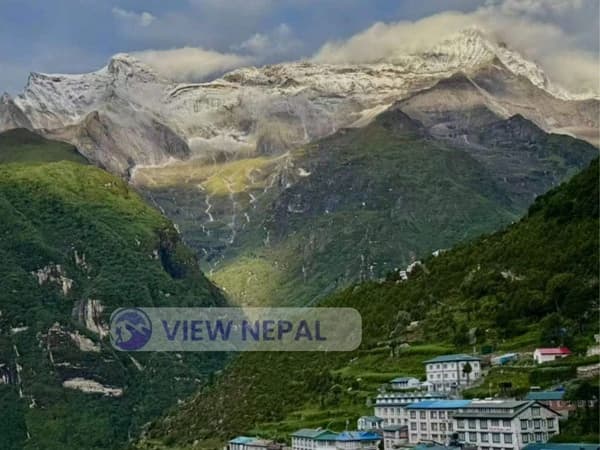
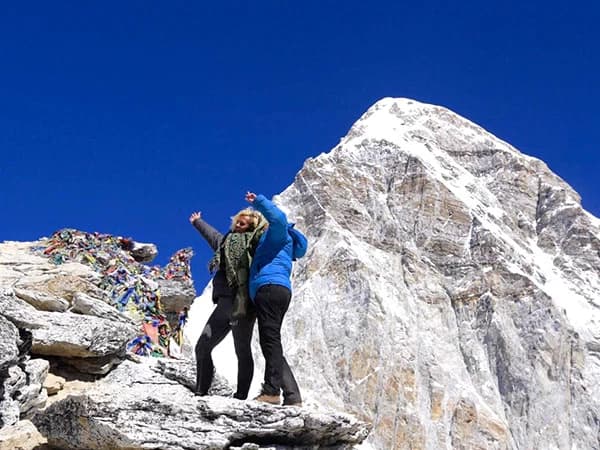
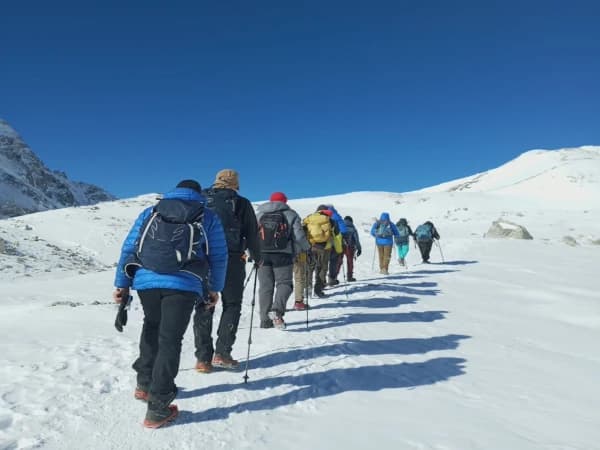
Professional trekkers from all over the world, dreaming of adventure in Nepal, offer precious Himalayan views, rich cultures and treks for every kind of hiker. When is the best time to trek in Nepal is one of the most important factors to consider before planning your trip. There is no simple answer. The 4 seasons in Nepal provide different weather, sights, and experiences when trekking.
Generally, spring (March through May) and fall (September through November) are considered the best seasons to go due to the stable weather with clear skies and mild temperatures.
Each season has its own unique appeal; spring has colourful Rhododendrons, fall has panoramic mountain views, winter is quiet and calm, and there are unique off-the-beaten-path routes during the monsoon.
In this guide, you will learn when the best time is to hike in Nepal based on your experience level. Also, we will explain how to determine which of the 4 seasons is best for your trip.
When should I go trekking in Nepal?
When you decide to trek in Nepal, it'll depend on the type of experience you want to have. But overall, spring and fall from September to November are the most productive seasons for trekking. In these months, you'll tend to have the most stable weather, the least amount of clouds, and comfortable conditions for trekking. So it's safer and more enjoyable to trek to places like Everest or Annapurna.
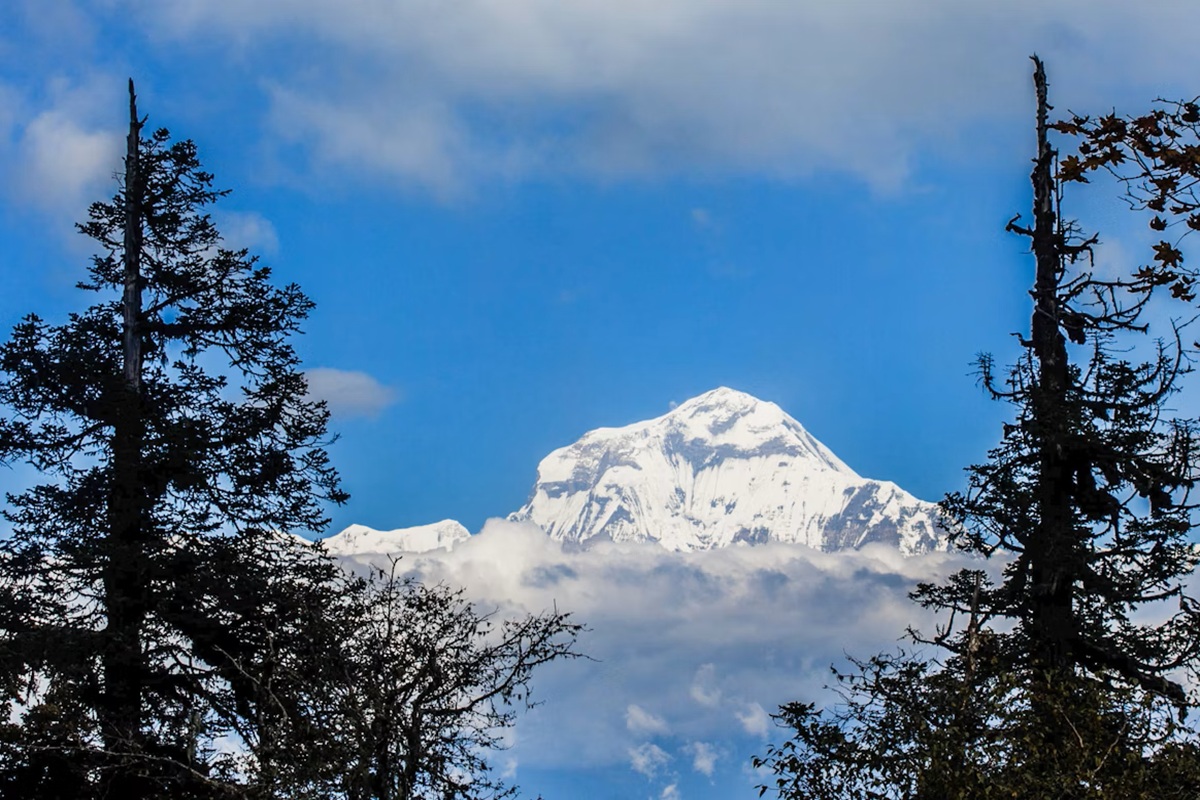
If you're primarily looking for crystal clear mountain views, fall will usually give you the best ones. Once the monsoon rains move away, the air will be very clean with excellent visibility overlooking the Himalayas. Spring is very good for nature lovers. The rhododendrons are in bloom, the weather is warmer, and lots of greenery will be all over the trails.
If you don't want to be around a lot of people and want to save money, winter, from December to March, might be a good time for you to trek, especially at lower elevations. But the higher elevations will still be too cold to have a pleasant time. The monsoon period from June to August is probably one of the worst times to trek due to heavy rain and slippery trails.
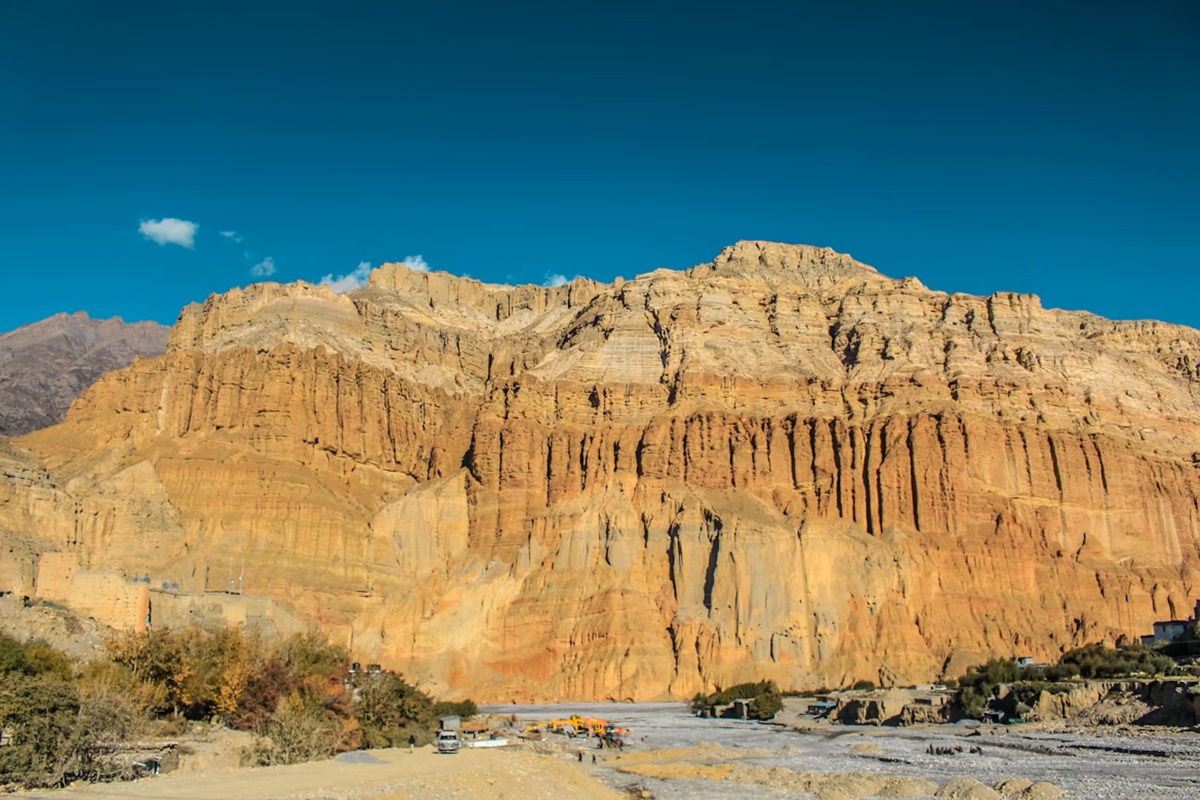
But some areas in the rain shadow, like Upper Mustang, should still be good for hiking during the monsoon. In the end, the best time for you will come down to what you're hoping to get out of your trekking experience.
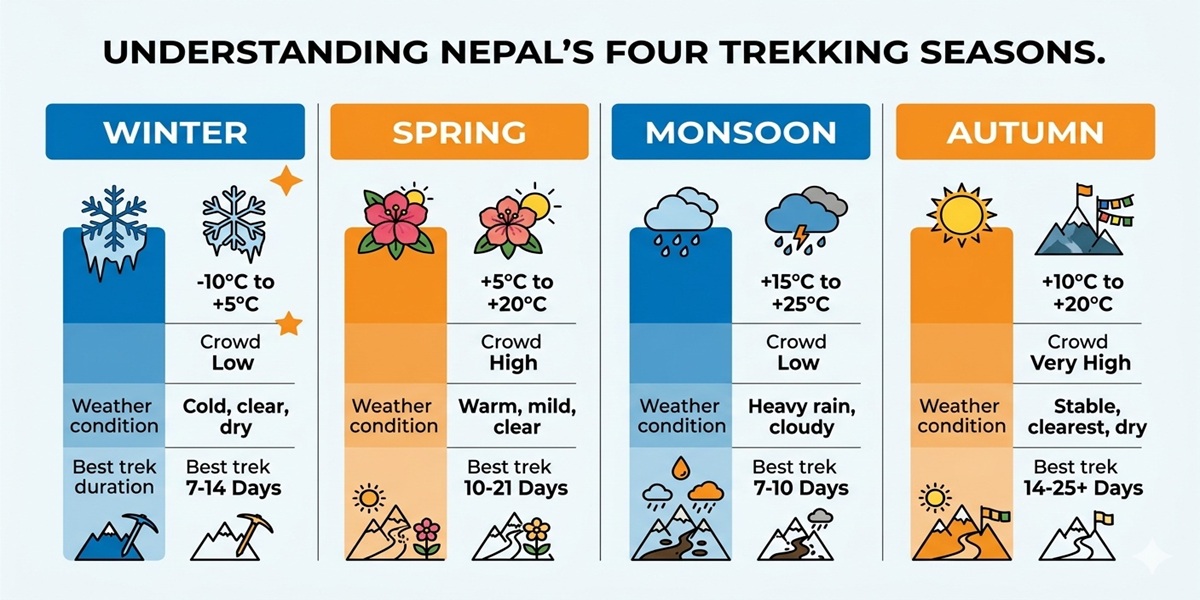
Understanding Nepal’s Four Trekking Seasons First
A seasonal Chart for Nepal trekking
The first step in determining the best time to trek is to know about the four different trekking seasons that Nepal has. Each season has a number of distinct characteristics related to temperature and precipitation, or how much rain is expected to fall on the ground during each of these months.
The weather patterns can be triggered by precipitation from the monsoon season, which accounts for about 80% of Nepal's total annual rainfall from June to September. The pattern of precipitation during this time can have an immediate impact on the condition of trails.
Month
Season
Weather Conditions
Temperature Range
Crowd Level
Recommended Trek Duration
Suggested Trekking Areas
January
Winter
Cold, dry, clear skies, snow at high altitude
-10°C to 15°C
Very low
3–7 days
Poon Hill, lower Annapurna
February
Winter
Cold mornings, gradually improving visibility
-5°C to 18°C
Low
5–10 days
Langtang, Annapurna foothills
March
Spring
Warmer weather, rhododendron bloom begins
5°C to 22°C
Medium
7–15 days
Annapurna Circuit, Everest region
April
Spring
Stable weather, clear skies, peak bloom season
8°C to 25°C
High
7–20 days
Everest Base Camp, Annapurna Base Camp
May
Spring / Pre-monsoon
Warm, increasing haze in lower regions
12°C to 28°C
Medium
5–18 days
Upper Mustang, Tilicho Lake
June
Monsoon
Rain begins, humid and slippery trails
15°C to 30°C
Very low
7–12 days
Mustang, Dolpo (rain-shadow)
July
Monsoon
Heavy rainfall, limited visibility
18°C to 30°C
Very low
7–15 days
Upper Mustang
August
Monsoon
Late rains, gradual clearing in some regions
17°C to 29°C
Very low
7–12 days
Mustang region
September
Autumn
Fresh trails after monsoon, improving visibility
10°C to 25°C
Medium
7–14 days
Langtang, Annapurna
October
Autumn
Best trekking conditions, crystal-clear skies
5°C to 22°C
Very high
10–20 days
Everest Base Camp, Manaslu Circuit
November
Autumn
Cool, dry, excellent mountain visibility
0°C to 18°C
High
7–18 days
Manaslu, Pikey Peak
December
Winter
Cold, stable weather, snow in higher zones
-8°C to 12°C
Low
3–10 days
Poon Hill, Helambu
March, April, and May, known as Spring, provide a comfortable chance to trek with daytime temperatures between 10 and 20°C and great visibility due to blooming landscapes.
June to August brings 400 to 500mm of rain per month, resulting in muddy trails and obstructed mountain views during the monsoon. But some rain-shadow areas are still trekking-friendly.
September, October, and November, known as Autumn, are ideal months to be on any trekking route. They have low rainfall, clear skies, and average daytime temperatures around 10 to 20°C.
December, January, and February are the coldest months and can create extremely cold nights at high altitudes, with daytime temperatures falling to minus 20°C. But as long as you're trekking at a lower altitude, you'll typically find trails free of other trekkers and very clear views.
Spring trekking in Nepal brings blooming rhododendrons, moderate temperatures, and rewarding mountain scenery.
Spring Trek in Nepal (March 1 to May 31)
Season: March to May
Temperature: 01°C to 25°C (Altitude)
Weather: Good, Dry, Clear in the mornings with patches of clouds in the afternoons
Visibility especially during March and April: Very good
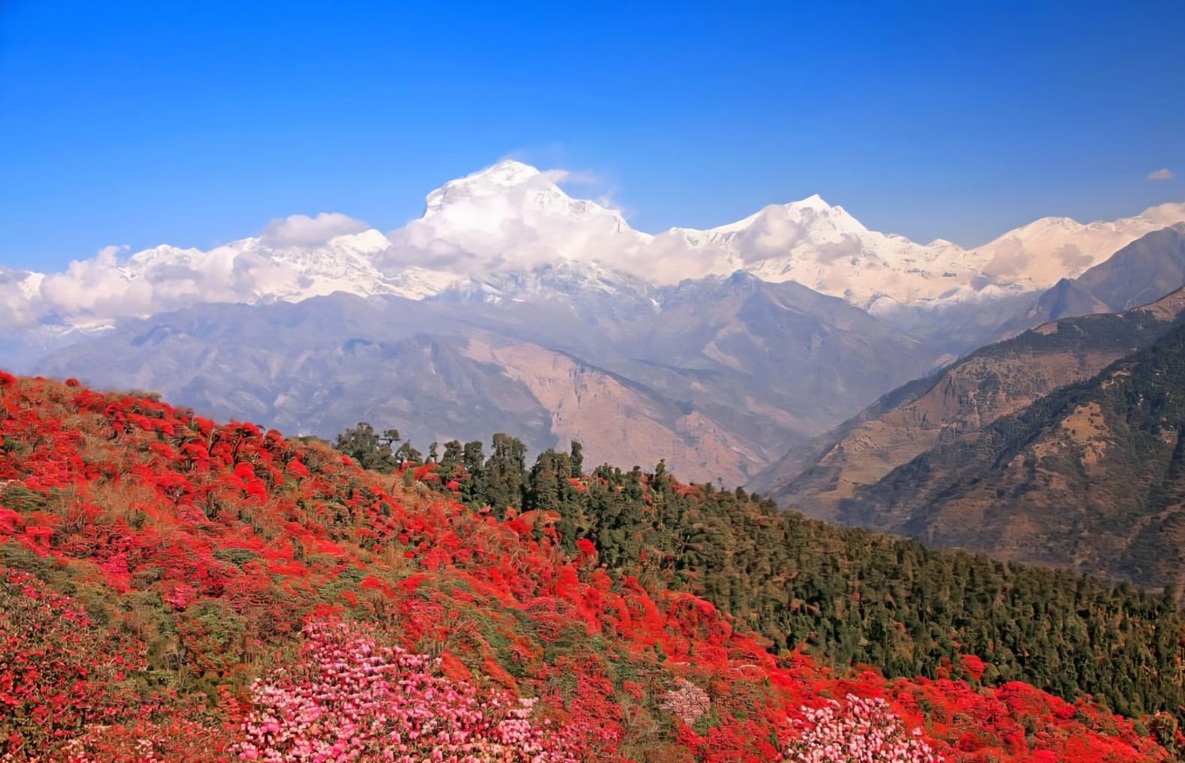
Landscape: Rhododendron forests, wild flowers and greenery
Dry and favorable for trekking.
Crowd Level: Above Average (March) → High (April) → Above Average→ Moderate (May)
Ideal for: High-altitude treks such as Everest, Annapurna or Langtang
Major Festivals:
Holi (Festival of Colors - March)
Ghode Jatra: Ghode Jatra (Horse Festival - March/April)
Nepali New Year / Bisket Jatra (April)
Seto Machhindranath Jatra (March/April)
Buddha Jayanti (April/May)
Mother’s Day (April / May) - Mata Tirtha Aunsi
Spring is one of the busiest hiking seasons in Nepal, growing to be as widely used as the spring appears to be closed by means of winter. The weather gets warmer and settled, which is appropriate for short hikes to long, high-altitude treks.
During this period, the landscape is a riot of colors. Rhododendrons are in full bloom carpeting hills and forests, rivers run heavy from melting snow, and views of the Himalayas are crisp and stark.
Early March is cool and quiet, April hits the peak of full bloom and perfect conditions for hiking, and warm May turns hazy in low elevations.
Pros and Cons of Spring Trekking
Pros
Spring generally has ideal conditions for trekking on most hiking trails or routes.
Trails in the springtime have breathtaking views of the landscape and blooming wildflowers.
Spring has many spectacular views, with clear and consistent views of the mountains.
The majority of trekking routes open to hikers have many options available.
Spring has many opportunities to experience the local culture through festivals and community activities.
Cons
Many popular trekking routes will be very crowded, especially in April.
The price of flights, guide services, and lodging increases during the spring.
Although it is very warm in May at low-elevation trekking routes, they can also be hazy due to humidity.
There may be occasional weather changes when trekking at high elevations.
Most people choose the Annapurna Base Camp Trek in Spring because it is such a beautiful sight to see. Not only are you able to walk through forests with rhododendrons blooming, but you will also be able to see the varied scenery along the route and the trek is rated as moderate difficulty.
Langtang Valley Trek
The Langtang Valley Trek provides a quieter alternative with a variety of scenery and strong cultural experiences. The green scenery and visibility are enhanced during springtime and would be a good choice if you wish to avoid crowds.
Mardi Himal Trek
If you prefer to avoid busy trails and search out shorter treks, the Mardi Himal Trek is a good option. The views of Lake Phewa and the treeline from the mountain ridge allow for great pictures. The forests are also vibrant during spring, and the skies are generally very clear.
Trekking in Nepal is arguably at its best during the autumn months. This falls just post-monsoon, when the dust and pollution are washed up, along with puddles of water and space for miles where the air is suddenly pleasing to breathe, and visibility breathtaking.
The earth is lush and green, full of sun-kissed fields flowing like waves in an undisturbed sea, with a blue sky. The climate is neither too hot nor too cold, and long days of trekking are relatively comfortable.
A season seasoned with a flavour of celebration everywhere we go, to the villages and trekking trails, drastically embodying beauty and multicultural diversity.
Best Recommended Treks in Autumn (and Why)
Everest BC Trek
It offers good, clear visibility of Everest and the surrounding peaks. Weather stability during the fall means a good chance for flight and trekking.
Trekking this circuit is as scenic as Everest and Annapurna, but it would not have the same size crowds. The best time to do the trek would also be autumn, when the weather is more stable.
Langtang Valley Trek
Easy access to the area with beautiful scenery, rich culture, great visibility and moderate difficulty level.
Winter Trek in Nepal (December 1 to February 28/29)
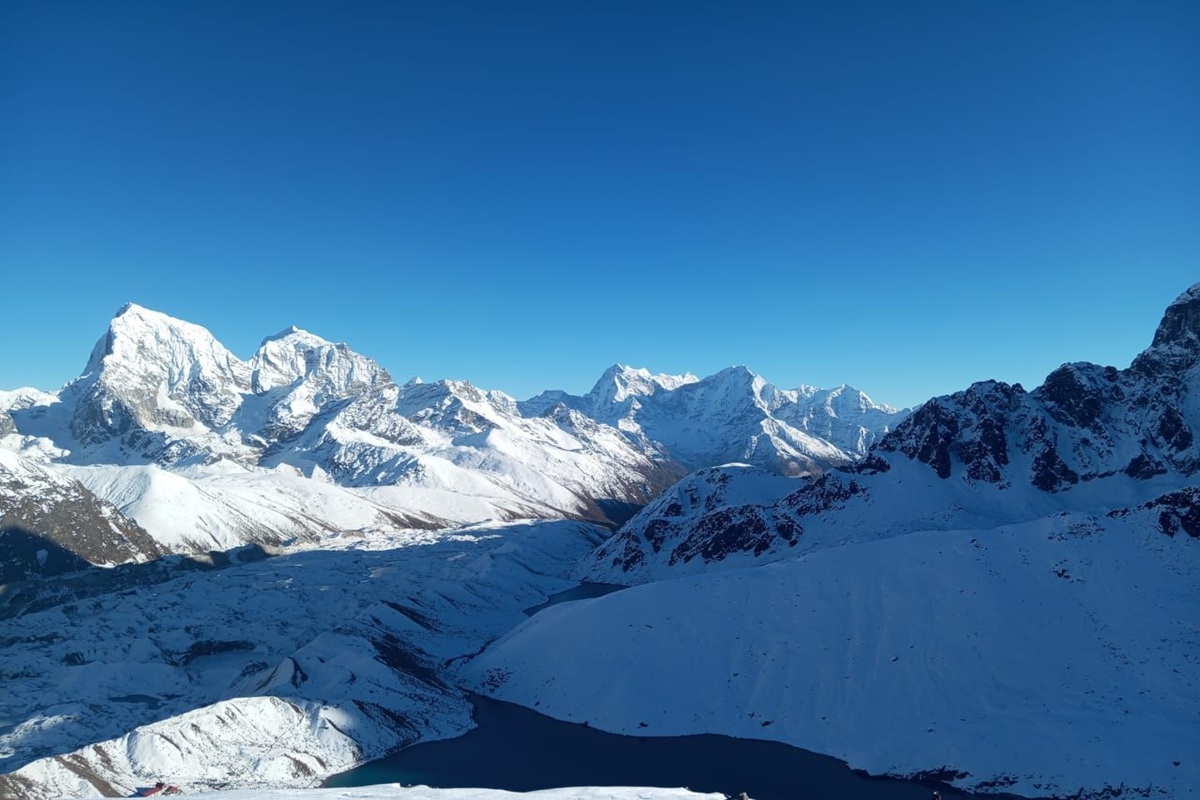
Winter trekking in Nepal can offer bright skies and sharp mountain views, especially on stable weather days.
Season: December to February
Altitude range: 0m to 28261m, Temperature -10 °C & balmy 10 °C
Syndication: Weather: Cold & dry, mainly clear
Visibility: Excellent
Nature: Snow-covered landscapes and mountains
Upper elevation snowy Trail Conditions
Crowd Level: Low
Ideal For: Fast and Low treks
Major Festivals:
Tamu Lhosar (December)
Christmas (December 25)
Maghe Sankranti (January)
Sonam Lhosar (Jan/Feb)
Winter is the coldest trekking season in Nepal, regardless of altitude. Temperatures fall below the freezing point in high-altitude areas. Though it provides blue skies and undisturbed trails.
Lower areas are great, and really low passes are accessible; though if you ever get to very high, transport could be limited by the plunging expanse.
Pros and Cons of Winter Trekking
Pros
Peaceful Trails to hike on.
Outstanding panoramic view of the mountains.
Lower fees when traveling.
The chance to see sights that have been altered by snow.
Cons
Very low temperatures at extremely high altitudes
Some routes may not be open for travel, or some paths may not be accessible
There are a few places to stay in the less populated areas.
You must have a specific type of clothing to do winter trekking.
Top 4 Recommendations
Ghorepani Poon Hill Trek: It is an easy, moderate trek to see a sunrise, with no snow in the Annapurna Region.
Langtang Valley Trek: Lower altitude and not very extreme as compared to the Everest treks.
Everest View Trek: The shorter version of the Everest Base Camp trek, which has less equipment needed for winter conditions than the base camp trek.
Helambu Trek: located near Kathmandu, and with less congestion in terms of people making the trek during the winter season.
Summer/Monsoon Trek in Nepal (June 1 to August 31)
Upper Mustang is one of Nepal’s better monsoon trekking options because it lies in a rain-shadow area.
Season: June to August
Temperature: Lower regions (20° C to 30° C)
Weather: Heavy rainfall, humid conditions
Visibility: Overcast and rainy
Nature: Verdant, waterfalls and forests
Trail Condition: Wet, muddy, slippery
Crowd Level: Low
Ideal For: Rain-shadow areas (Mustang, Dolpo)
Major Festivals:
Rato Machhindranath Jatra (June)
Teej (August/September)
Janai Purnima (August)
Winter happens at the same time as the monsoon in Nepal, a season when we only have heavy rain (on top of everything) in most trekking regions. Trails are muddy and slippery, the mountain vistas obscured by clouds.
But the scenery transforms into rich green mountains, a maximum of rivers and falls in their glory.
Pros and Cons of Monsoon Trekking
Pros
Quieter trails with fewer people
Wonderful natural beauty and lush vegetation
Cost-effective travel options
Great option for remote places like Mustang and Dolpo
Cons
Rainfall is heavy in some areas, plus there are also leeches on the trail
Visibility of the mountains will be poor
Trails are slippery and have potential for injury
Flights may be delayed, and transportation issues will happen
Best Recommended Treks in Monsoon (and Why)
Upper Mustang is great during this time because it's located in a rain-shadow area, so you'll get far less rain than elsewhere.
Upper Dolpo is another excellent option. It's very remote, has unique landscapes, and offers a rich Tibetan cultural experience.
Nar Phu Valley has many options for trekkers who'd like to get off the beaten path.
Ghorepani Poon Hill is a good choice for those who want shorter distances and a well-prepared introduction to monsoon trekking.
When to hike in Nepal and which hikes to do for intermediate Hiker?
Nepal is filled with moderate hiking trails for the intermediate hiker looking for that healthy balance of challenge and value. Most relevant, though, the most impactful aspect of your experience will be when you do your hike.
The best time to hike in Nepal, even for an intermediate hiker, is the spring between March and May or autumn from September through November. These seasons boast good weather, moderate temperatures and stable conditions that seem more than conducive to hiking and travel experiences.
Autumn is also the best time as it offers clear weather post-monsoon rains, and the mountains are glittering with grace. Spring is also popular for the blooming of many types of rhododendrons and for temperatures being slightly warmer than winter. If you choose to hike during winter, the weather will be less favourable due to the cold, although there'll be fewer hikers. Likewise, you'll encounter poor hiking conditions in the monsoon season, even though there'll be more hikers on certain trails.
For intermediate hikers, I'd recommend moderate altitude treks between 2,500 and 4,500m. They offer a good mix of challenge, scenery, and accessibility.
If you'd like to combine great scenery with the challenge of a moderate altitude hike, the Annapurna Base Camp Trek is one of the best choices. It's also easy to access with no extreme technical difficulty. This trek offers many different types of landscapes, from rainforest to high alpine and beyond. It's a great intermediate trek for both spring and autumn, with favourable trekking conditions and views during both seasons.
The Langtang Valley Trek is another excellent choice. It's less crowded than the more popular routes but still provides beautiful mountain views plus an opportunity to experience various cultures. The trek is of moderate difficulty and will be a bit less busy than the Everest treks.
If you're looking for a shorter scenic hike, the Ghorepani Poon Hill Trek is perfect for you. It's not very challenging, but you'll still be rewarded with fantastic views of the Himalayas at sunrise.
If you want more adventure, try the Mardi Himal Trek. It has ridge walking and fantastic views. It's moderate difficulty, so it's ideal for intermediate to advanced hikers. So go during spring or autumn, choose a mid-altitude trek, and you'll have the best selection of safety, scenic views, and challenges that Nepal has to offer.
When was the best time to go trekking in Nepal vs now?
In the past, trekkers typically defined and adhered to two peak trekking seasons in Nepal: spring (March to May) and autumn (September to November). Trekkers believed and were told by trekking agencies that these two seasons were ideal because of their consistent weather patterns (clear skies), excellent mountain visibility, and safe trail conditions. Trekkers use these seasons to select the most common trekking routes, such as Mount Everest and the Annapurna Circuit.
Since then, the trekking industry has changed greatly. Today, each person’s “best time” to trek in Nepal is much more flexible and is no longer based solely on anticipated weather conditions. The development of infrastructure, weather forecasting and trail systems allows for trekking almost year-round (seasonally) throughout most of Nepal.
There are now popular low-elevation winter treks and areas where trekking during the monsoon season is becoming increasingly popular (rain-shadow areas), especially in Upper Mustang and Dolpo.
If you Can Choose Only One Month to Hike Among 12 Which Should you choose?
October is clearly the month to choose if you only have to choose one month among 12.
October is situated right between the two seasons of fall; it is regarded as the best overall trek through the mountains. The monsoon has completely finished by this month, and therefore, the air quality is the best it can be with no dust or other contaminants in the air. This provides for much clearer views of mountains than any other time of the year and will be flat when looking at Mount Everest, Mount Annapurna, etc.
When it comes to October weather, it provides very favorable conditions for trekking. Trekking during the day will require a light jacket because the days are warm and pleasant for trekking, while at night, your jacket will still be needed because it will get cold. Both low and high altitude treks will have a perfect climate for reaching their goals due to the dry, firm ground on the trails. A dry, firm surface on the trail will make long treks safer and easier to do.
October’s weather typically provides a higher degree of consistency than spring, when clouds tend to build up in the afternoon. For this reason, trekkers can depend on having the best views and best trail conditions when trekking during October.
In addition, many of Nepal’s most significant festivals (such as Dashain, Tihar, etc.) will fall during the month of October, making the trekkers’ experiences even more culturally enriching.
The only disadvantage of trekking in October is the number of people; however, the fact that so many people are trekking during this time just proves how good it is.
How to Choose the Right Trekking Season in Nepal?
First, understand the four major trekking seasons
In Nepal, you will find four distinct trekking times of year: spring, fall, winter and monsoons. The weather, scenery, and difficulty are completely different during each season. Based on a good level of consistency with the weather and the view of the mountains, spring and fall are the most stable and predictably good trekking times to be in Nepal; winter or the monsoon will necessitate making your decision based on a number of other factors.
Weather and Visibility: The Main Determining Factor
The primary factor to consider when selecting your trekking season is the amount of snow/ice and wet conditions you would be walking in. For high altitude treks, having clear skies and stable trekking conditions is paramount; therefore, you want to choose a season where you are assured that you will have clear skies. The driest season after the monsoon is fall; however, the greatest chance of having dry weather with only a few clouds will be found during the spring. In winter, it will generally be very cold with considerable amounts of snow; in addition, there will be very little chance of having dry daily weather while trekking.
Match Your Trekking Route With the Season
Not all trekking routes in Nepal will yield the same results at all times; for example, routes that are rated as high altitude treks (such as Everest Base Camp or the Annapurna Circuit) will have safer trekking options during the months of spring and fall than during the winter months. Therefore, there are a limited number of low altitude trekking routes that are ideal for trekking during the winter and monsoon seasons and for monsoon trekking.
Choose Trails Based on Crowd Levels
If you want guided group tours and a buzzing social atmosphere, go in spring or fall. But be prepared for full trails. If you want solitude and peace, your best season is winter or monsoon. You'll find fewer people on the trails and a much more intimate experience.
Consider Seasonal Temperature and Comfort Level
Depending on your tolerance for temperature extremes, some seasons will suit you better than others. Spring and fall have moderate temperatures, so your long trek days will be comfortable. Winter may be extremely cold at higher elevations. And the monsoon will generally be extremely hot and humid at lower elevations.
Budget Your Seasonal Travel Expenses and Assess Availability
During peak seasons of spring and fall, costs for accommodation and flights are generally much higher than in the off-peak months of winter and monsoon. Also, be prepared to be flexible with your travel plans when travelling off-peak due to disruptions caused by inclement weather.
Aligning Your Travel Goals with the Right Season
Your right season depends on what you're after.
Best views and weather conditions: Fall
Best for flowers and balanced weather: Spring
Best for quiet trails and snow: Winter
Best for green fields and fewer tourists: Monsoon
FAQS
What is the best time to go hiking in Nepal, and where exactly?
Spring is one of the best seasons for trekking in Nepal. The weather is generally cool, colour from rhododendrons fills the trail and mountain views can be clear between March and May. This is also a season of some famous treks like Annapurna Base Camp, Everest Base Camp, Langtang Valley and Mardi Himal.
Is October the best month to trek in Nepal?
Arguably, October is one of the best months to trek in Nepal since post-monsoon skies are often clear, trails are generally dry, and many classic routes have good weather conditions.
Is April a good time for trekking in Nepal?
That being said, April could be the very best spring month to trek in Nepal since warmer weather arrives, rhododendron blooms start to blossom, and good conditions are almost guaranteed on many great trails.
What is the worst time to trek in Nepal?
July and much of August are probably the worst times to trek everywhere due to rain, mud, cloud cover or even transport disruption.
Can I trek to Everest Base Camp in spring?
Yes, spring is the best time to trek to Everest Base Camp as the weather is relatively stable, and conditions are favorable for high-altitude trekking
Is the Annapurna Circuit better in spring or autumn?
Both are nice, but autumn is usually better as post-monsoon, you will have much clearer views, while spring is warmer and the landscape is more colourful.
Which trekking season in Nepal has fewer crowds?
Winter and monsoon generally bring about fewer trekkers in comparison to spring and autumn, even if winter is more ideal for Lower altitude routes and the monsoon works better in rain-shadow regions.
Which trek is best in Nepal for intermediate hikers?
For intermediate hikers, Annapurna Base Camp, Langtang Valley, Mardi Himal and Khopra Ridge all make superb treks. These treks provide stunning views, relative difficulty and a robust tea-house system.
Is spring or autumn better for trekking in Nepal?
Trekking in Nepal can be done mostly at any time of the year; nevertheless, spring or autumn is always best.
Both seasons are great, but autumn generally provides for clearer views and more stable weather, while spring is known for blooming rhododendrons and slightly warmer temperatures. Which is better depends on whether you like scenery and flowers or fewer crowds.
Can you trek in Nepal all year round?
Yes, trekking in Nepal is possible every season, but the choice of the best route varies according to each season. Most trails are best negotiated between spring and autumn, but be cautious in monsoon (July to September) and winter months, requiring choosier routing.