Kailash Saga Dawa Festival Tour in 2027 and 2028

Kailash Saga Dawa Festival Tour in 2027 and 2028

7 reviews
Customize Trip
Trip at a Glance
Duration11 Days
Trip GradeModerate
CountryTibet
Maximum Altitude5,634 m (18,484 ft)
Group Size1 to 20
StartsKathmandu, Nepal (1,400 m / 4,593 ft)
EndsKathmandu, Nepal (1,400 m / 4,593 ft)
ActivitiesDrive to Tibet, Lake Mansarovar Holy Bath & Puja, Attend Saga Dawa Festival, Tarboche Prayer Flagpole Ceremony, Kailash Kora (Parikrama), Visit Yamdwar
Best TimeMay, June

Kailash Saga Dawa Festival Tour 2027 Highlights 11 Days

  • Grand Saga Dawa Festival of 2027 at Tarboche on 18 June 2027

  • Observe the most auspicious ritual Tarboche Prayer Flagpole Raising Ceremony, on 18 June 2027, as it is the most cherished event of the festival.

  • Partake in the most significant annual celebration in Tibet with a multitude of Tibetan pilgrims, monks and devotees.

  • Perform the pious 52km Kailash Mountain kora in three days to enjoy a remarkable trip to Mount Kailash starting on 19 June 2027.

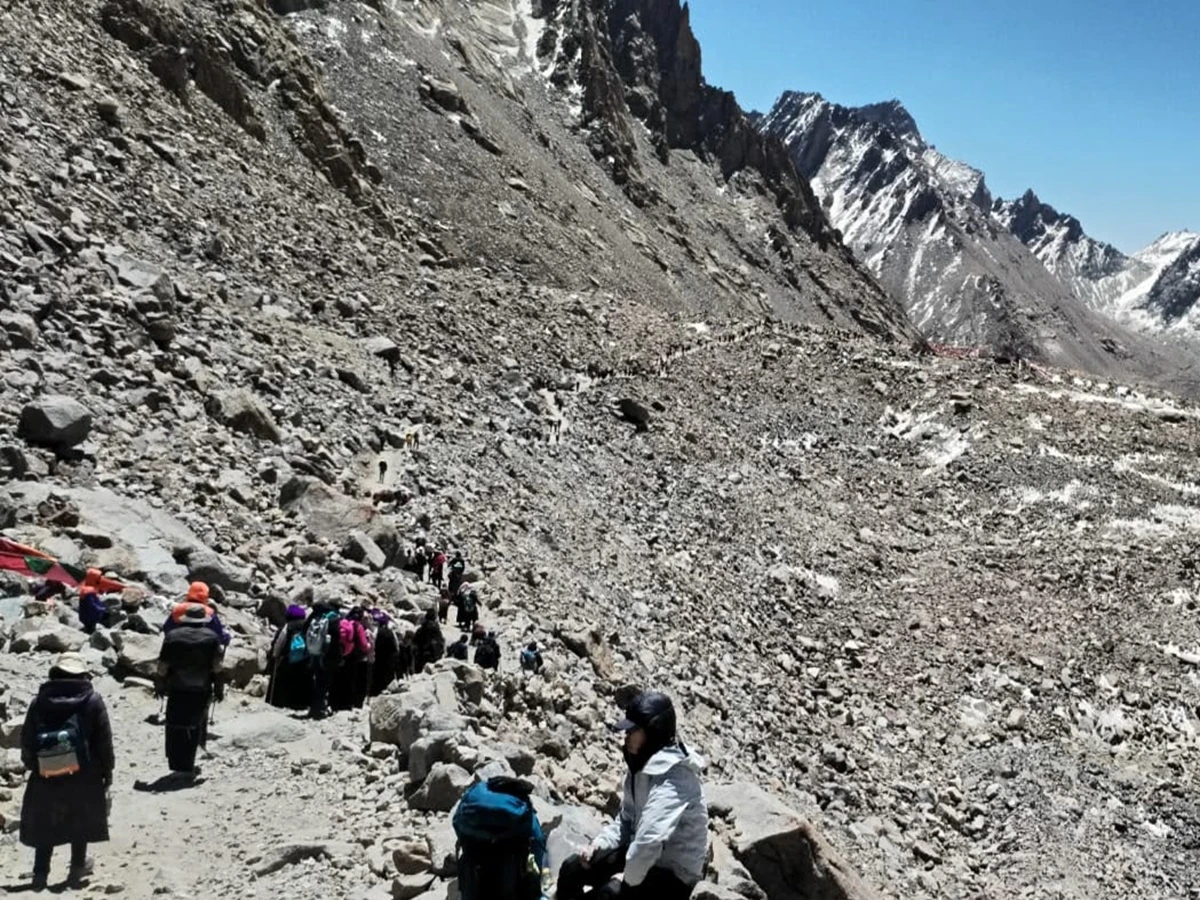
  • Cross the high pass, Dolma La (5,634 m) on 20 June 2027 (Sunday). This is the high point of your Kailash kora. 

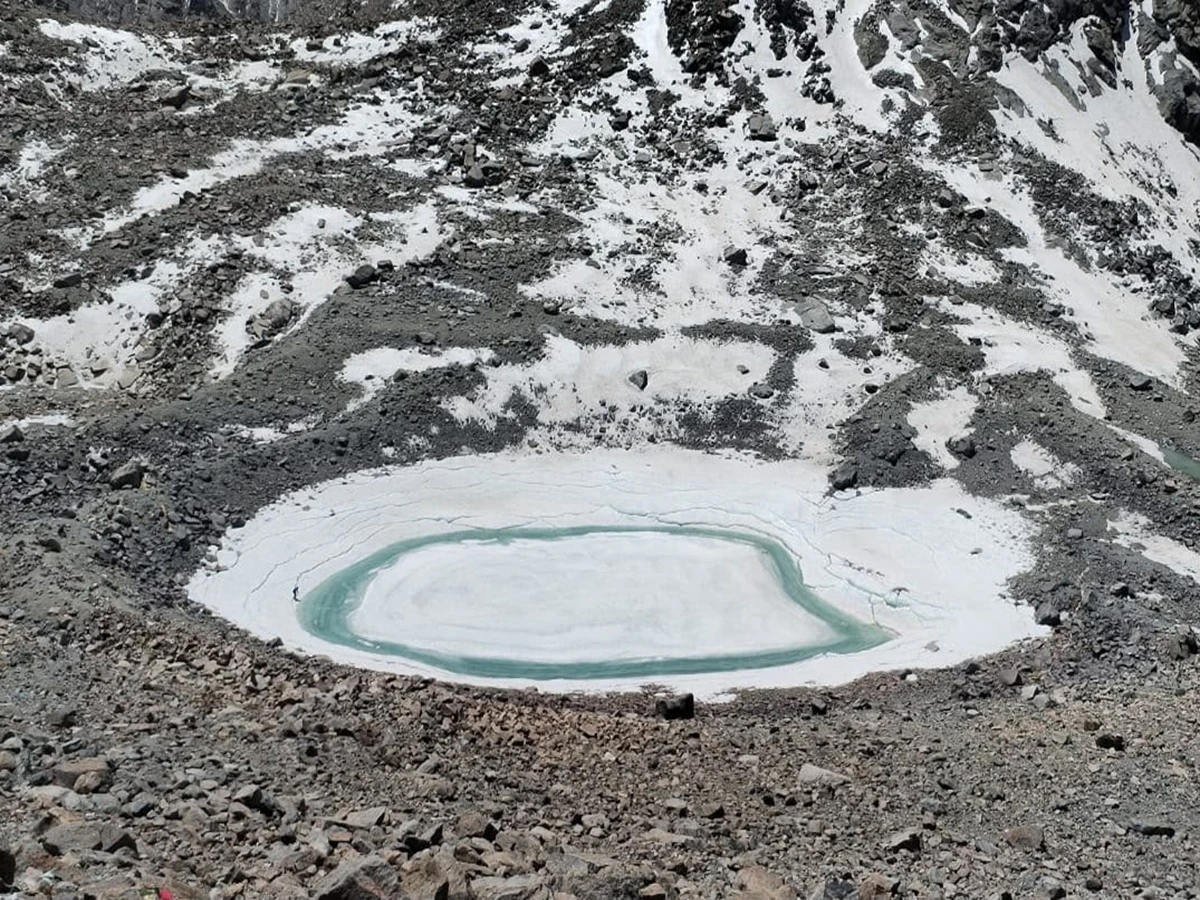
  • Take a dip and offer a prayer at Lake Mansarovar.

  • Stop by Yamdwar (Gateway of the Gods) on the way before your Kailash Kora.

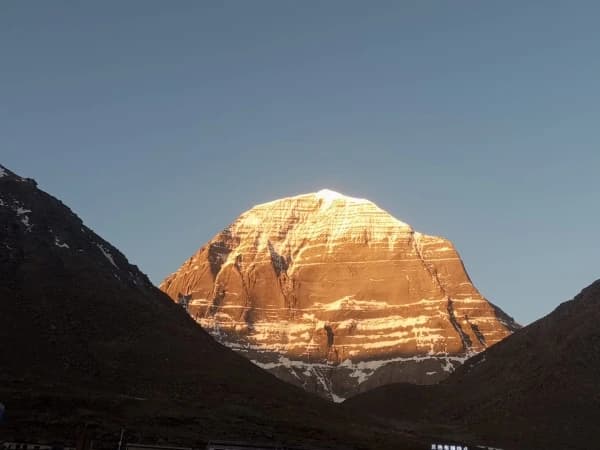
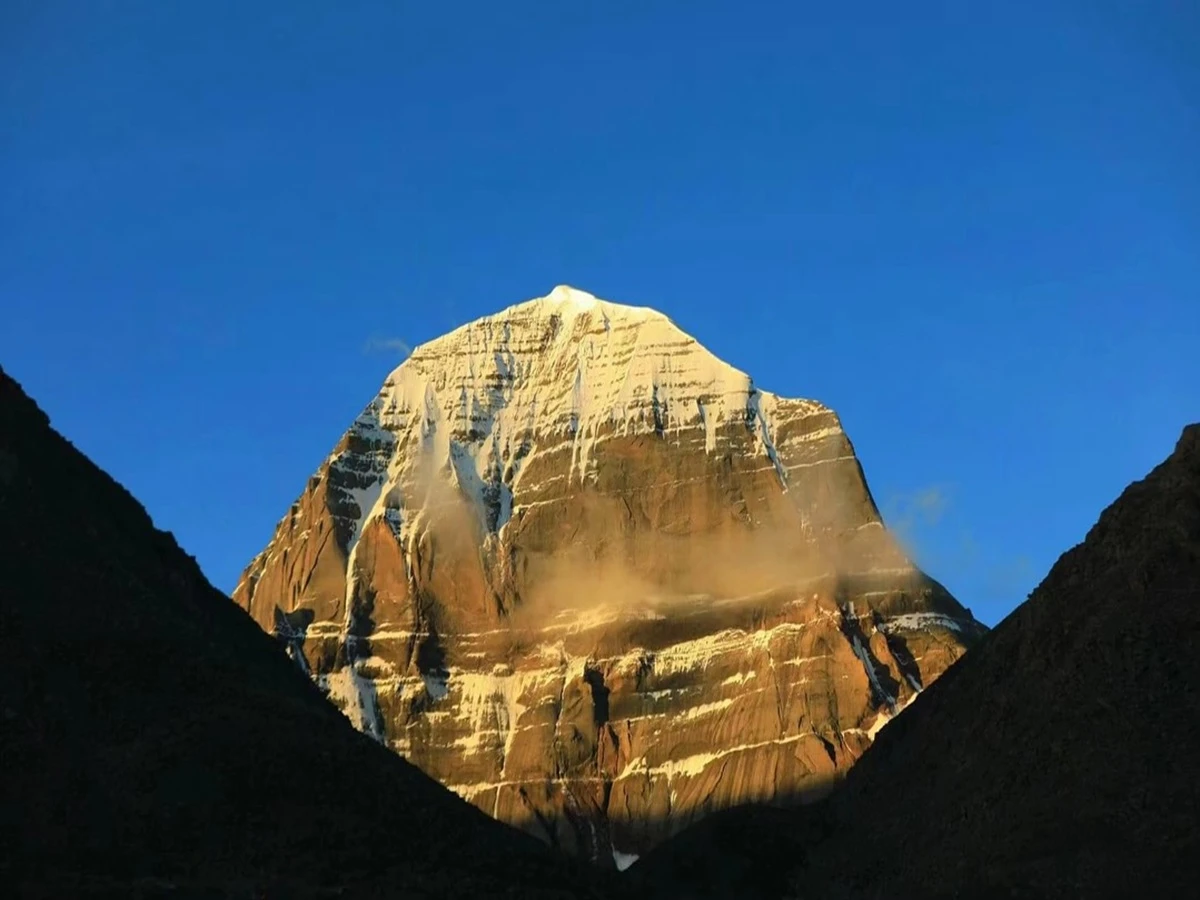
  • Marvel at panoramic views of the imposing north face of Kailash Mountain from Dirapuk.

  • Travel Overland Kathmandu–Kerung for better altitude acclimatization.

  • Observe and participate in Tibetan Buddhist prayers, rituals, chanting, and enjoy the colors of Saga Dawa's prayer flags.

  • Experience the sublime plateau scenery and surrounding Himalayas.

  • Fully supported with an experienced Tibetan guide and necessary permits.

Overview of Kailash Saga Dawa Festival Tour 2027 and 2028

On the Kailash Saga Dawa Festival Tour 2027 & 2028, we give you a chance to witness the holiest pilgrimage spot in Tibet. The tour has been arranged so you get to witness the widely known Saga Dawa Festival held at Tarboche before starting the famous kora around Mount Kailash. Our tour will provide you with a once-in-a-lifetime experience to participate in one of Tibetan Buddhism's most significant religious ceremonies - the Saga Dawa Festival - unlike a standard Kailash Mansarovar Yatra. The main Saga Dawa Festival in 2027 (June 18) and 2028 (June 7) will allow our tour itineraries to coincide with each year's main Saga Dawa Festival.

The tour will follow an overland scenic route from Kathmandu to Tarboche through Kerung, Saga, Lake Mansarovar and Darchen. Thousands of monks, pilgrims, and devotees gather at Tarboche under Mount Kailash for a great ceremonial raising of a giant prayer flag pole, followed by the traditional offer of prayers, chanting, and blessings as well as many colorful religious ceremonies. This extraordinary atmosphere is transformed into an unforgettable experience. You are extremely fortunate to have the opportunity to witness this annual festival.

In addition to participating in the festival, this itinerary also includes: taking a holy dip and doing a puja at the shores of Lake Mansarovar; completing the entire 52 km Kailash Kora; crossing Dolma La Pass (5,634 m); visiting Yamdwar, Dirapuk and Zuthulpuk Monastery – three of the most sacred locations in Tibet; and being provided with acclimatization for your body to adjust to high altitudes. Comfortably accommodated, vegetarian meals provided, experienced Tibetan guides, and complete logistical support will make this trek an ideal pilgrimage for all those who seek a combination of spiritual enlightenment and adventure in an organized manner. All pilgrims departing for either 2027 or 2028 will follow the same detailed itinerary, with only the schedule differing depending on the dates of the official Saga Dawa Festival observation, which will allow you to witness this extraordinary event during one of the best times of the year. If you want more kailash tours options check our: 

Kailash Saga Dawa Festival Tour 2028 Highlights

  • On the sacred day of Saga Dawa, we will be at Tarboche for the festival on June 7, 2028

  • Attend the very popular Prayer Flagpole Raising on this date- this happens only once per year.

  • Experience the spirituality of the many thousands of pilgrims who will gather at Mount Kailash.

  • Complete the full Mount Kailash Kora (52 km) during the most auspicious pilgrimage time period.

  • Cross over the sacred Dolma La Pass (5,634 m) and visit the holy Gauri Kund.

  • Take a holy bath, meditate and perform puja at Lake Mansarovar.

  • Visit Yamdwar, the traditional starting point for the Kailash Pilgrimage.

  • See amazing views of Mount Kailash from Dirapuk Monastery.

  • Experience a beautiful overland journey through Kerung, Saga, Darchen, and Western Tibet.

  • Immerse yourself in the Tibetan culture, monasteries, and Himalayan scenery.

  • Benefit from gradual acclimatization, experienced guides, and a fully planned itinerary

  • Use the same successful pilgrimage route of the 2027 departure, with dates changed to coincide with the date of the official Saga Dawa Festival.

Saga Dawa Festival 2027/ 2028/ 2029 Start Date and End Date

Saga Dawa is the most sacred month in the Tibetan Buddhist calendar. It is based on the Tibetan lunar calendar rather than the Gregorian calendar to establish the timing of this festival, beginning on day one of the month and finishing on the last day. The Grand Festival, called Saga Dawa Düchen, takes place on the fifteenth day (full moon). Due to the varying nature of each year's Tibetan lunar calendar, the dates for the festival change from year-to-year.

Therefore, we schedule our Kailash Saga Dawa Festival Tours according to the full moon day so that our pilgrims will have the opportunity, before they start their Mount Kailash Kora, to participate in the prayer flag ceremony at Tarboche, which is the most meaningful time to make this unique pilgrimage.

Saga Dawa Festival 2027, 2028 and 2029 Dates

Gregorian Year

Tibetan Year (Element & Animal)

Saga Dawa Month Starts

Saga Dawa Düchen (Main Festival)

Saga Dawa Month Ends

Festival Day

Recommended Kailash Tour Dates

2027

Fire Goat (Fire Sheep) Year 

4 June 2027

18 June 2027

2 July 2027

Friday

13 - 23 June 2027

2028

Earth Monkey Year 

24 May 2028

7 June 2028

22 June 2028

Wednesday

2 - 12 June 2028

2029

Earth Rooster (Bird) Year 

13 May 2029

27 May 2029

10 June 2029

Sunday

22 May - 1 June 2029

2030

Iron (Metal) Dog Year 

3 May 2030

17 May 2030

31 May 2030

Friday

12 - 22 May 2030

Note: The start and end dates of the Saga Dawa month will differ for each year since they are based on the official Tibetan lunar calendar for that particular year. The Saga Dawa Düchen (the fifteenth day of the fourth month in the Tibetan lunar calendar) is considered the main festival of celebrations for those who pilgrimage to Kailash and are able to leave on the designated date assigned to each year's Saga Dawa month.

Why Is Saga Dawa Festival Also Called the Month of Merits? 

Considered the most significant and celebrated religious day in Tibetan Buddhism, Saga Dawa, it lasts the entire month of the 4th lunar month. This entire month honours the birth, enlightenment and parinirvana (passing into nirvana) of Buddha Shakyamuni. The most important part of the Saga Dawa month is the Saga Dawa Dchen that falls on the 15th day of the 4th lunar month. This time sees the arrival of thousands of pilgrims at holy sites like Lake Manasoravar and Mount Kailash, monasteries and temples, to perform prayers and kora(pilgrimage circuits) and show compassion by making offerings.

Saga Dawa, or Bumgyur Dawa (meaning "Great Merit"), is the month in which Tibetan Buddhists believe that performing good deeds yields an enormous amount of merit. Traditionally, the majority of good deeds that can be performed, such as giving, having compassion, praying, meditating, reciting mantras, lighting candles, freeing animals, making charitable donations, or going on pilgrimage during this period, will yield a larger return of merit than at any other time of the year.

Therefore, many followers choose to avoid performing negative actions, eating a vegetarian diet, helping those who need help and deepening their practice of Dharma. Because of these beliefs, completing the Kora around Mount Kailash or going to Lake Mansarovar during this time is considered to be one of the most significant spiritual pilgrimages in Tibetan Buddhism; therefore, it is also considered to be the most spiritually productive time for seeking blessings and building virtue.

What Happened on the Sacred Full Moon Day of Saga Dawa?

One of the holiest pilgrimages in the world, the Kailash Parikrama (Kora), takes on an additional spiritual importance when it falls on Saga Dawa Dchen. The full moon day of Saga Dawa marks the three most important events in the life of Buddha Shakyamuni-events, all of which legend claims happened on the exact same sacred day. Thus, it is why so many Tibetan Buddhists make their way to Tarboche to embark upon their Kailash Kora, trusting that all the meritorious deeds of prayer, pilgrimage and virtue performed then are greatly amplified.

His Birth

  • Marks the date when Prince Siddhartha Gautama was born in Lumbini.

  • Celebrates the arrival of the Buddha, who will show many beings how to reach enlightenment.

  • Symbolic of hope for future beings and a means to help our compassion and begin the path of Buddhism.

His Enlightenment

  • Celebrates the time in which the Buddha reached full enlightenment under the Bodhi tree in Bodh Gaya.

  • Represents the end result of what you reach when you master your mind and find liberation from suffering.

  • Will inspire practitioners to work on awareness, compassion, and inner transformation.

His Parinirvana (Passing Away)

  • Celebrates when the Buddha entered parinirvana at Kushinagar after having completed all of his teachings to the Earth.

  • Reminds all practitioners of the impermanence of life and how important it is to live a virtuous life.

  • Will assist those who engage in practice to increase their devotion to Dhamma, meditation and compassion in action.

This is why the Kailash Saga Dawa Festival Tour is chosen by thousands of pilgrims; they plan their pilgrimage in a way to witness the pious Tarboche Prayer Flagpole Ceremony and to complete the 52 km Mount Kailash Parikrama afterwards. The Kora during the auspicious Saga Dawa months holds great significance as well and brings a perfect combination of faith, culture and Tibetan Buddhism's holiest festival.

Full Moon Saga Dawa Festival in Mount Kailash Tour in 2027, 2028 and 2029

The Saga Dawa Festival is the most important day in Tibetan Buddhism and the most auspicious time to visit Mount Kailash. In contrast to most other festivals that only last a day, Saga Dawa takes place over the entire fourth month of the Tibetan calendar, with its main festival on the 15th day of that month - Full Moon Day - called the Saga Dawa Dchen. This sacred full moon celebrates the birth, the enlightenment and the parinirvana (entry into Nirvana) of the Buddha Shakyamuni, and it is considered to be the holiest day of the Buddhist year.

For this reason, thousands of monks, pilgrims and devotees assemble at Tarboche (at the foothills of Mount Kailash) for the iconic Prayer Flagpole Raising Ceremony, where they pray, prostrate, and start the sacred Mount Kailash Kora. It is traditionally considered that acts of charity, prayers, pilgrimage, meditation, and acts of kindness on this sacred full moon accumulate significant merits.

Our Kailash Saga Dawa Festival Tour itinerary is therefore arranged according to the official full moon days in the Tibetan calendar to enable pilgrims to attend the festival prior to the holy Mount Kailash Parikrama. Regardless of whether you attend the 2027, 2028, or 2029 departure, your trip itinerary will remain essentially the same, and the festival date will be adjusted according to the official Tibetan Lunar Calendar.

Full Moon Saga Dawa Festival Dates (2027 - 2029)

Full Moon Saga Dawa Festival Dates 2027, 2028 and 2029

Year

Tibetan Zodiac Year

Full Moon Date

Day of the Week

Moon Phase

Significance

2027

Fire Goat (Fire Sheep) Year

18 June 2027

Friday

Full Moon 

Saga Dawa Düchen

2028

Earth Monkey Year

7 June 2028

Wednesday

Full Moon 

Saga Dawa Düchen

2029

Earth Rooster (Earth Bird) Year

27 May 2029

Sunday

Full Moon 

Saga Dawa Düchen

2030

Iron Dog (Metal Dog) Year

17 May 2030

Friday

Full Moon 

Saga Dawa Düchen

Why is the Full Moon So Sacred?

  • It celebrates the birth of the Buddha Shakyamuni.

  • It celebrates the Buddha's Enlightenment, or Bodhi.

  • It honours the Parinirvana, or last passing, of the Buddha.

  • Many thousands of pilgrims will gather at Tarboche, under Mount Kailash.

  • A very special prayer flagpole raising ceremony will also take place on this day.

  • Immediately following the festival, the pilgrims will begin the 52 km Mount Kailash Kora.

  • Tibetan Buddhists believe that virtuous deeds performed on this full moon day will provide great benefits to the performer.

Who Is This Saga Dawa Düchen Festival Tour Suitable For?

Kailash Saga Dawa Dchen Festival Tour is perfect for pilgrims, spiritual seekers, and adventure enthusiasts who wish to be part of one of the most sacred celebrations in Tibetan Buddhism by doing the Kailash pilgrimage. Here is who the journey is perfect for:

For Hindu pilgrims

  • You want to go to Lord Shiva’s abode at Mount Kailash.

  • You want to perform holy rituals at Lake Mansarovar.

  • You want to do the Kailash Parikrama.

  • You want to be part of the auspicious period for pilgrimage this year.

  • You have the physical strength for high-altitude travelling and trekking.

For Buddhist pilgrims

  • You want to see the Saga Dawa Dchen Festival at Tarboche.

  • You want to participate with monks and other pilgrims in prayer, chanting and other religious rituals.

  • You want to gain spiritual merit in the sacred month of merits.

  • You want to complete the sacred Kora around Mount Kailash during the festival.

  • You will respect the customs and traditions of Tibetan Buddhism.

JAIN AND BON Followers

  • You would like to visit one of their holiest pilgrimage sites.

  • You would like to have a profound religious experience during this holy festival period.

  • You would like to experience the sanctity of Mount Kailash through the eyes of their faith.

  • Are comfortable travelling in a remote high-altitude environment.

Spritual Seekers

  • Are looking for a spiritually enriching experience based around meditation, introspection and peace.

  • Dream of visiting mountains, monasteries and holy places in the Himalayas and beyond.

  • Are looking for a transformational holiday experience, not just sightseeing.

Adventure and Nature Lovers

  • You would like to trek through the beautiful terrain of western Tibet.

  • You would like to cross the iconic Dolma La Pass (5,634m).

  • Enjoy the landscapes of the high Tibetan plateaus, high-altitude lakes, glaciers and mountain valleys.

  • You would like an expedition blending high adventure with spiritual and cultural richness.

Physical Fitness Requirements

  • Age between 17 to 60
  • Moderate to Good.

  • Capable of walking for 5–9 hours per day during the three-day Kailash Kora.

  • Comfortable with traveling at altitudes up to 5,634 m (Dolma La Pass).

  • Willing to follow the altitude acclimatization instructions from the guide.

  • People with existing medical conditions must seek professional medical advice prior to undertaking the tour.

Kailash Saga Dawa Festival Tour 11 Days Cost 2026, 2027 and 2028

At View Nepal Treks, we are proud to offer incredible value while providing a safe and well-organized spiritual journey. The price of the pilgrimage for larger groups is as low as US$ 1,750 per person. Your group size does affect the cost of the pilgrimage: you will typically pay more for the same pilgrimage than larger groups, as transportation, permits, guide and logistical support expenses will be divided among fewer travelers.

This is just one reason why larger groups benefit from lower overall costs per person. Pilgrims will receive from View Nepal Trek's amazing Tibetan guides, comfortable private transportation throughout the entire trip, all necessary travel permits for travel to Tibet, comfortable quality accommodation each night, and full logistical support throughout their entire travel experience. Compared to similar Saga Dawa Festival pilgrimage packages in the market, our pricing is highly competitive while providing great service and personalized experiences for all our clients.

Group Size

Cost Per Person (USD)

1 Person

US$ 4,500

2–3 Persons

US$ 2,750

4–7 Persons

US$ 1,950

8–20 Persons

US$ 1,750

The Ancient Tradition of Raising the Tarboche Prayer Flagpole

Step 1: Pilgrims Gather at Tarboche Before Sunrise

A gathering of Buddhist monks, Lamas and devotees is held annually at the Tarboche flagpole site on the 15th day of the 4th Tibetan lunar month (Saga Dawa Düchen), approximately 7 km west of Darchen at the base of Mount Kailash to celebrate this Ceremony. The gathering usually occurs early in the morning prior to sunrise, with prayers, offering of incense and chanting ceremonial prayers.

Step 2: The Previous Year's Flagpole Is Lowered

Last year's giant wooden Tarboche flagpole was lowered by local religious and community members. After the last year's flagpole has been lowered, all the last year's flag material will also be put down and held in high regard, as this indicates the fulfillment of the last year's ceremonies and prayers.

Step 3: Attaching New Prayer Flags

While the prayer pole is on the ground, new prayer flags (representing the 5 elements) of 5 Colors are tied to the Prayer Pole. Pilgrims will also place a khata (ceremonial scarf) on the pole and offer prayers and mantras for peace, prosperity and compassion.

Step 4: Sacred Raising Ceremony

Chanted prayers by senior lamas will be led by monks and pilgrims working together to raise the prayer pole. The first observation made of the prayer pole after it has been erected is whether the pole is completely upright (vertical). If it is vertical, that signifies a successful year to come, and celebration will occur, as well as completion of the Sacred Mount Kailash Kora by the Pilgrims.

Saga Dawa Düchen with the Sacred Kailash 53 km Kora (3 Days) in 2026 and 2027

Of the Saga Dawa Festival, the Kailash Kora (Parikrama) is the spiritual focal point for the event, which takes place during the fourth month of the Tibetan lunar calendar (Saga Dawa). After observing the Tarboche Prayer Flag Pole Ceremony, thousands of people will perform this sacred act of walking around Mount Kailash, which is considered one of the most holy acts of devotion in Tibetan Buddhism and has equal transcendent value in all other religions (Hinduism, Jainism, and Bon). Completing the Kora during Saga Dawa is traditionally considered to bestow tremendous spiritual merit.

The Kailash Kora Route is 53 km

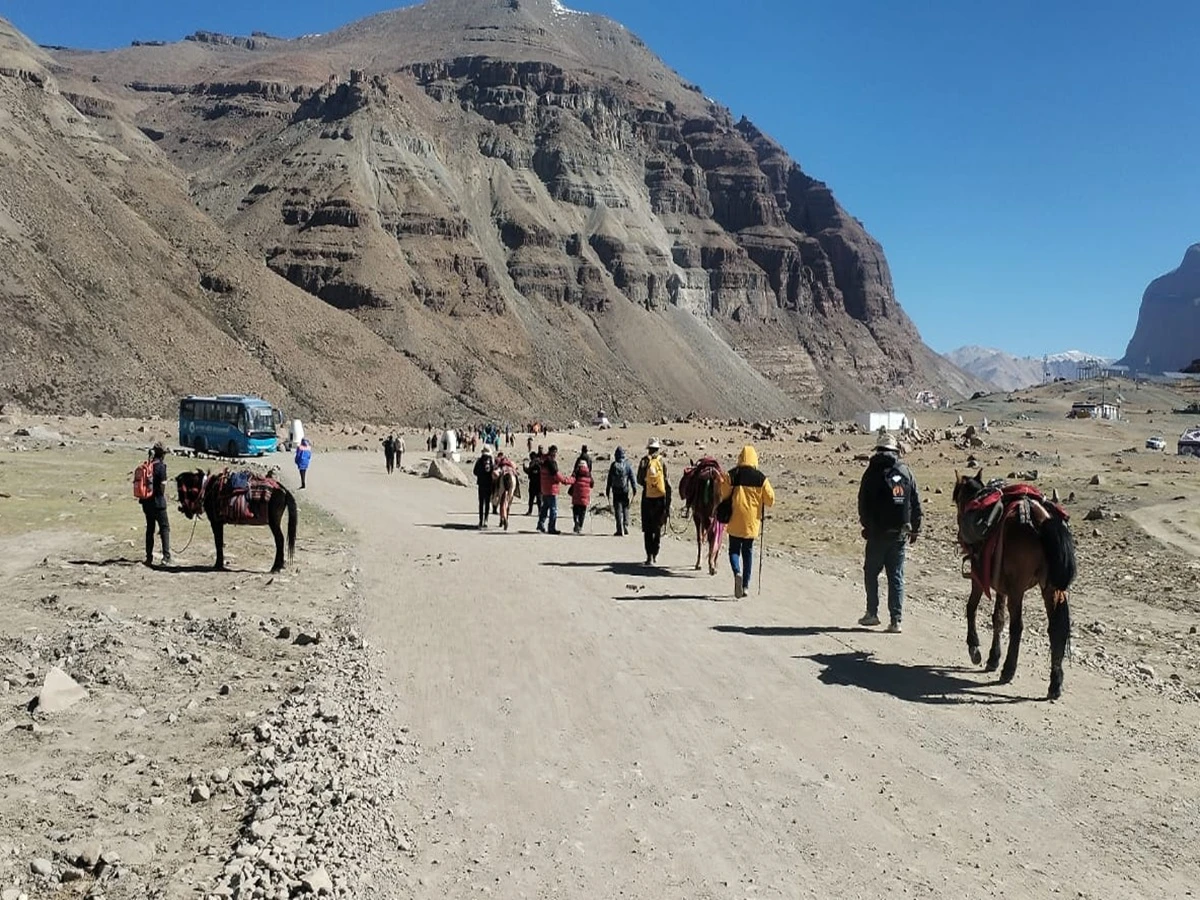
The Outer Kora is approximately 53 km long and usually takes three days to complete starting at Darchen. The trail crosses through Yamdwar, Dirapuk Monastery, across the holy Dolma La Pass (5,634 m), to Gauri Kund, through Zuthulpuk Monastery, and back to Darchen. The combination of trekking at high altitude with the significant spiritual value of this route makes this part of the pilgrimage the most important.

Walk at Your Own Comfortable Pace

People have their own walking speed, and it is ok to walk slowly. You can rest assured that our guides organize people automatically into the slow-, medium-, and fast-walking groups, thus allowing all pilgrims to complete the trek safely and healthy. Along the entire route, you will stop frequently for rest, water, and to monitor your altitude.

If You Cannot Complete the Kora

It is possible for you to skip the Kora and to stay in Darchen for 3 days until the others return to have completed the pilgrimage. If you need further help, you can book a horse with an attendant or a porter at Darchen, and they must be paid in full prior to the start of the Kora. The local horsemen are booked in advance, so usually no arrangements can be made at the last minute.

Once payment is made, the cost is non-refundable, and as there are already local bookings in place, this is even the case should you subsequently choose not to use your allocated attendant. You should also note that a horse cannot go over the steepest part of Dolma La, and everyone must walk the pass there.

What Does Completing One Kailash Kora Mean in Different Religions?

For Hindus

  • Completing one Parikrama (circumvention) around Mount Kailash will traditionally set free the negative karma accumulated from one lifetime and will be done when seeking the blessings of Lord Shiva.

  • It is believed that Mount Kailash is Lord Shiva's eternal residence.

For Tibetan Buddhists

  • The Kora done around Mount Kailash is an act of devotion to Demchok, the embodiment of tremendous bliss (Chakrasamvara).

  • The act of completing one Kora is said to have the effect of purifying all negative karma and, when done during Saga Dawa, is thought to create even greater merit due to the full moon on that day being a holy day.

For Jains

  • Mount Kailash is very much associated with the mountain Ashtapada, which, according to Jains, is where Lord Rishabhadeva (Adinath), the first Tirthankara, is thought to have achieved liberation (moksha) from the cycle of reincarnation.

  • Completing the pilgrimage represents one's spiritual development and progress towards liberation.

For Bon Followers

  • Those who follow "Bon" (the ancient indigenous Tibetan religion) worship Mount Kailash as the spiritual center of the universe.

  • Normally, a Kora is undertaken counterclockwise by a Bon pilgrim; the Bon tradition teaches that through this journey of a pilgrimage, a purifying blessing and harmony are granted to the pilgrim.
Itinerary

Departure Year

Saga Dawa Festival Date

Itinerary Dates

2027

18 June 2027

13 - 23 June 2027

2028

7 June 2028

Suggested departure dates will be adjusted to match the festival. Contact us for the confirmed 2028 schedule.

Trip PlanExpand all
  • Start your Saga Dawa Festival 2027 pilgrimage from Kathmandu.
  • Drive along a scenic road through the Himalayas to Kerung Border.
  • Cross to Tibet and meet your Tibetan guide.
  • Start a slow altitude adjustment at 2500 m.
  • Get an overview of the Saga Dawa Festival and Kailash Kora.

Begin your Kailash Mansarovar Yatra during the time of the Saga Dawa Festival 2027 with a picturesque drive from Kathmandu to the Kerung Border. A scenic drive through picturesque Himalayan valleys, local villages, rivers and streams as you drive to the Nepal-Tibet Border. After all immigration formalities, you will enter Tibetan soil and drive to Kerung (Kyirong) for your overnight stay and to acclimatise to the altitude.

An important part of the tour and spiritual voyage, it gets you to acclimatise for the days ahead at Lake Mansarovar and Mount Kailash. Your Tibetan guide will update you about the Saga Dawa Festival scheduled in the evening to be held the next day at Tarboche on June 18, 2027. Thousands of devotees will gather on this sacred occasion to commemorate the birth, enlightenment and the parinirvana of Lord Buddha in the form of prayer ceremonies, kora, and the prayer flagpole hoisting. Get enthralled from the first day as we start this spiritual quest of witnessing this once-in-a-year phenomenon.

Max Altitude: 2,700 m Meals: BreakfastAccommodation: Guest HouseDuration: 6–7 Hours DriveDistance: 155 km
  • Entire day of Altitude Acclimatization at Kerung. 
  • Short walks to adjust the Body Naturally. 
  • Experience Tibetan culture and natural environments.
  • Learn about the spiritualism of Mt. Kailash. 
  • Prepare for the Saga Dawa Festival, Physical and spiritually.

Today you will acclimatize your body to the altitude of Kerung. Acclimatization is crucial for succeeding on the Kailash Mansarovar Yatra. The full day you have to acclimatize to this higher altitude will help you get acclimatized before you travel to the Tibetan Plateau. Gentle walks in Kerung are very helpful for acclimatizing to altitude, but they also allow you to see the spectacular snow-capped Himalayan mountains, traditional Tibetan homes and peaceful monasteries. It would be good to learn about the cultural and spiritual significance of Mount Kailash, and to prepare for the physical and mental requirements of the Saga Dawa Festival.

The shared guide (in addition to the shared guide's prior information) will include valuable information on the upcoming pilgrimage, including altitudinal safety tips, local customs (many of which will be practiced at the time of the Saga Dawa Festival), and the spiritual significance of Mount Kailash and Lake Mansarovar. With the anticipation building due to the upcoming Saga Dawa Festival, use today to meditate and reflect on the reasons you are making a pilgrimage. Getting plenty of rest, drinking enough fluid, and doing some light exercise today are all essential to your comfort when you are at high altitude during the trip and for participating in the sacred rituals at Tarboche and for completing the holy Kailash Kora. 

Max Altitude: 2,700 m Meals: BreakfastAccommodation: Guest HouseDuration: Full Day AcclimatizationDistance: Short acclimatization walk (optional)
  • Explore the Great Tibetan Plateau. 
  • Trek over the mountain passes and view splendid vistas of the Himalayas. 
  • Travel to the city of Saga, Tibet.
  • See the sights and the lovely nomads.
  • Complete your planning and visit the Saga Dawa Festival.

Today, you leave Kerung and begin the next stretch of your journey across the awe-inspiring Tibetan Plateau, heading towards Saga, which is an important stopping point on the sacred route to the foot of Mount Kailash. The drive follows through lush, broad valleys punctuated by crystal-clear streams, grazing yak herds and traditional nomadic encampments that exemplify the way of life in western Tibet. Further up, the plateau opens up, and the landscape turns ever more dramatic as remote snow-capped mountains loom in the distance.

This is to give yourself a little more time to acclimatise before heading towards the sanctity of Lake Mansarovar and Mount Kailash.

Your guide would have likely kept you engrossed with some stories about Tibetan Buddhism and local life on the way, as well as talking about the significance of the yearly Saga Dawa Festival, which pulls thousands of pilgrims and devotees from within and outside Tibet. Upon reaching Saga, the suspense mounts even higher as you are moving towards the land of the famous prayer flagpoles - the auspicious and much-awaited Tarboche prayer flagpole ceremony is just around the corner.

Max Altitude: 4,400 m Meals: BreakfastAccommodation: Guest HouseDuration: 6 Hours DriveDistance: 230 km
  • Get to the divine Lake Mansarovar.
  • Feast your eyes on your first distant glimpse of Mount Kailash (subject to weather conditions).
  • Experience one of the most hallowed pilgrimage sites of Tibet.
  • Spiritually attune for the Saga Dawa Festival.
  •  Overnight next to the blessed lake.

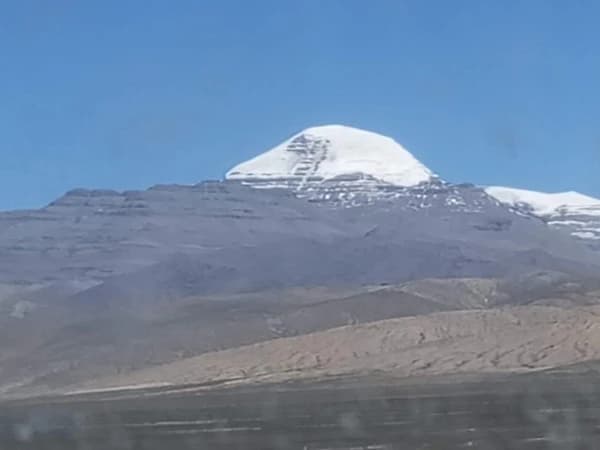
This is the special day of your Kailash Mansarovar Yatra, when you will reach the holy vicinity of one of the highest religious and spiritual places of Hindus, Buddhists, Jains, and Bon, namely Lake Mansarovar. You have a beautiful drive over the remote part of Tibet and can feel amazed at the plain, wide, barren land before you see this wonderful lake with amazing blue water that reflects the vast Himalayas behind. If you are lucky, then you will have a distant glimpse of Mount Kailash too for the first time and feel a sense of spirituality that cannot be described in words.

You will spend your rest time at a calm, soothing, peaceful place and devote your time to meditation, prayer, and other holy activities by the sacred lake before the main Saga Dawa Festival at Tarboche.

There are so many visitors and pilgrims from different countries who are gathered here with the same aim at such a sacred lake. You can spend the night at the side of the holy lake and enjoy the atmosphere, eagerly look forward to the main festival for which many travelers are waiting, and prepare for tomorrow's sacred Tarboche prayer flagpole ceremony during the Saga Dawa Festival.

Max Altitude: 4,590 m Meals: BreakfastAccommodation: Guest HouseDuration: 7–8 Hours DriveDistance: 370 km
  • Witness a spectacular Sunrise over the holy Lake Mansarovar. 
  • Take a sacred bath and perform morning prayer (puja) and meditation by the shores of Lake Mansarovar. 
  • Proceed to Chiu Gompa (if time permits) and get your first close views of Mount Kailash.
  • Then drive to Darchen - the Base camp of Mt.Kailash. 
  • This evening, make final preparations for the Saga Dawa Festival, which is celebrated on the next day.

After a delicious breakfast overlooking the tranquil waters of Lake Mansarovar, you embark on what is one of the most sacred days of the pilgrimage. Devotees descend upon the sacred lake shore to perform a holy bath, puja, prayer, meditation, and scoop up some holy water to bring back home. With road conditions allowing, you might even visit Chiu Gompa, a sacred monastery dramatically clinging to a rocky outcropping overlooking the lake.

The morning is filled with magnificent views of the holy landscape and the majestic Mount Kailash.

After lunch, you are driven approximately 40 km to Darchen, the gateway town to the mighty Mount Kailash and the start of the Kailash Kora. The town is already humming with pilgrims from all across Tibet, Nepal, India, Bhutan, etc who arrive for tomorrow's Saga Dawa Festival. A final brief on the festival plan, the Tarboche ceremony, and preparations for the trek the next day will be given by your guide.

Max Altitude: 4,670 m Meals: BreakfastAccommodation: Guest HouseDuration: 1 Hour Drive + Sightseeing & PujaDistance: 40 km
  • Watch Saga Dawa Festival 2027 in Tarboche. 
  • Attend flag pole raising ceremony with prayers. 
  • Participate with a number of pilgrims at the holy site and celebrate with Tibetan practices. 
  • Afterwards, go back to Darchen to stay the night, then after that we begin our holy Kailash kora.

Following an early breakfast, we drive from Darchen to Tarboche. We are in the very spiritual centre of today’s celebration, the most significant day of the whole pilgrimage. Thousands of monks, pilgrims and locals are assembled beneath Mount Kailash in anticipation of the annual Saga Dawa Festival.

We are the lucky spectators at the raising of the towering prayer flag, the Tarboche flagpole, believed to represent universal compassion and the victory of good over evil.

We will see monks reciting ancient mantras from ancient texts, people making full-body prostrations to earn enlightenment, families praying, and hundreds of pilgrims circumbulating Mount Kailash in their devout circle, with bright, colourful prayer flags rippling below the glorious face of Mount Kailash. To spend the holy day at Tarboche was the main reason some people picked the June 2027 Saga Dawa Kailash Trek departure, as it’s the most sacred time of year to visit Mount Kailash and gain spiritual merit. We shall return to Darchen this evening, allowing us to rest before starting on our personal 23-kilometre pilgrimage tomorrow morning on the Kora.

Max Altitude: 4,750 m Meals: BreakfastAccommodation: Guest HouseDuration: 2–3 Hours Drive + Festival ActivitiesDistance: 30 km
  • Breakfast in Darchen prior to the start of the Kailash Kora.
  • Transfer by jeep to the holy Yamdwar (Gateway to the Gods).
  • Start the Kailash Kora walk.
  • View prayer flags and prayer wheels and meet other pilgrims as they circumnavigate the holy Mount Kailash.
  • Arrive in Dirapuk - excellent views of the north face of Mount Kailash.

Enjoy an early morning breakfast in Darchen before you embark on the first part of the holy Kailash Kora, which starts after you've driven to Yamdwar, the Gateway of the Gods. The first steps on this sacred circumambulation are often marked with a prayer and a blessing here.

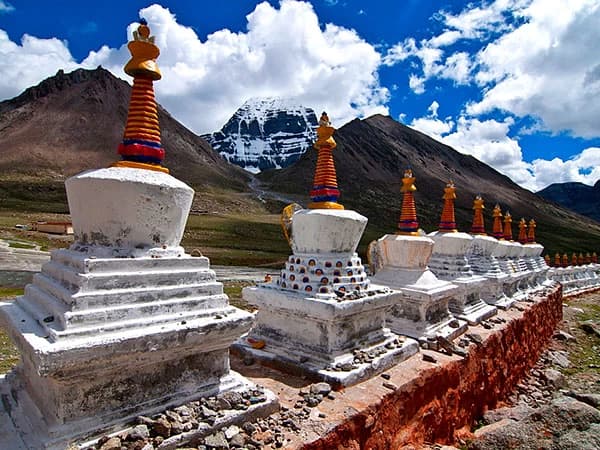
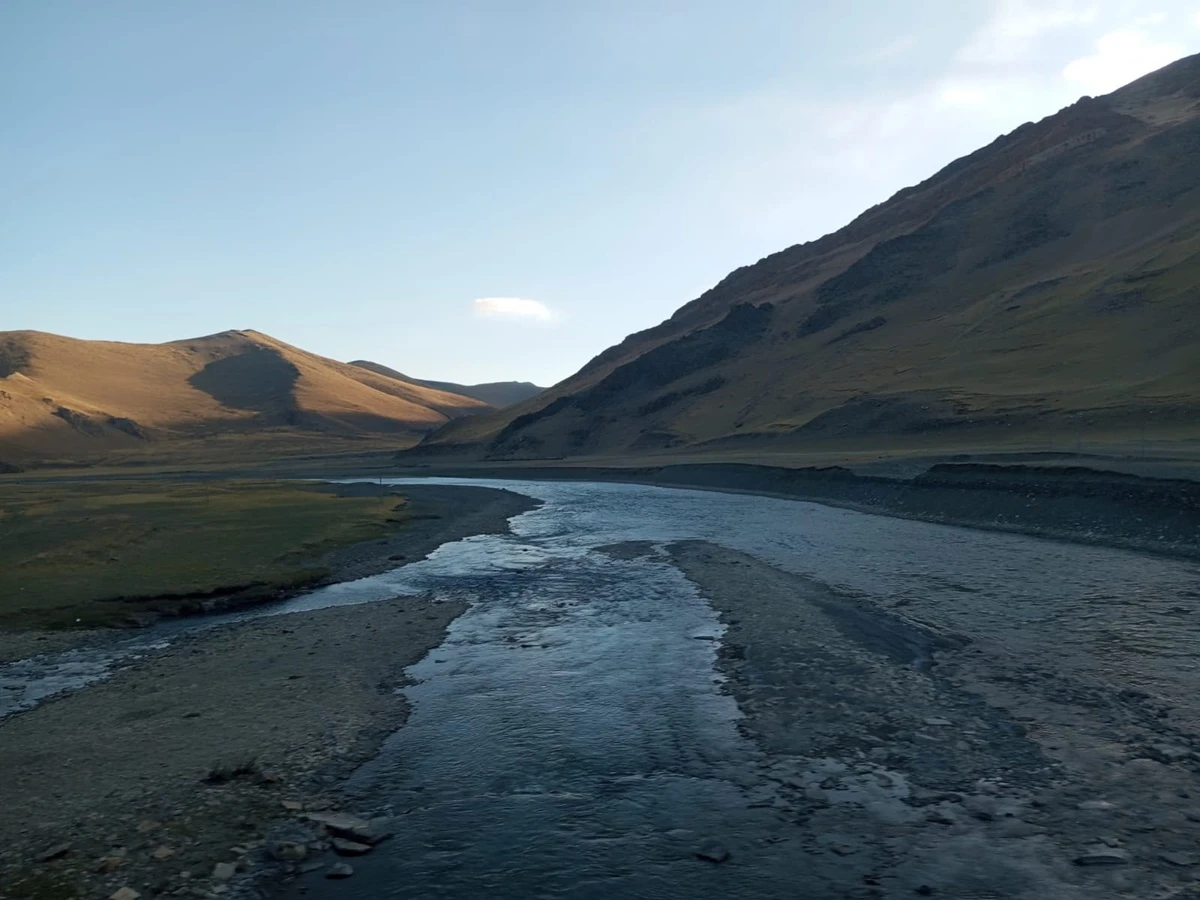
You'll trace the stunning Lha Chu Valley and will encounter colorful prayer flags, mani stones with the sacred mantra "Om Mani Padme Hum," grazing yaks and fellow pilgrims embarking on their circumambulation in the aftermath of yesterday's Saga Dawa Festival.

The sheer energy and fervor that the holy festival has brought to the place still linger, making your kora through the valley of an already vibrant faith a profound spiritual experience that most travelers have only dreamt of. Your every step is believed to result in profound spiritual gains and thus makes today's trek very significant.

After 6–7 hours of trekking in one of Tibet's most mystical locations, you reach Dirapuk Monastery, enjoying the most remarkable views of the sacred Mount Kailash – its most imposing north face. After the spectacular sunset on Mount Kailash, pilgrims offer their prayers, reflect and rest before crossing the high Dolma La Pass the next day.

Max Altitude: 4,900 m Meals: BreakfastAccommodation: Monastery Guest HouseDuration: 6–7 Hours TrekDistance: 18 km Trek
  • Kailash Kora to reach the holy Dolma La Pass (5,634 M).
  • Seek blessings at the holy Gauri Kund.
  • Pray and perform offerings at the zenith of this Yatra.
  • Descend through a magnificent valley and reach Zuthulpuk Monastery.
  • Most devotional day of the Kailash Mansarovar Yatra.

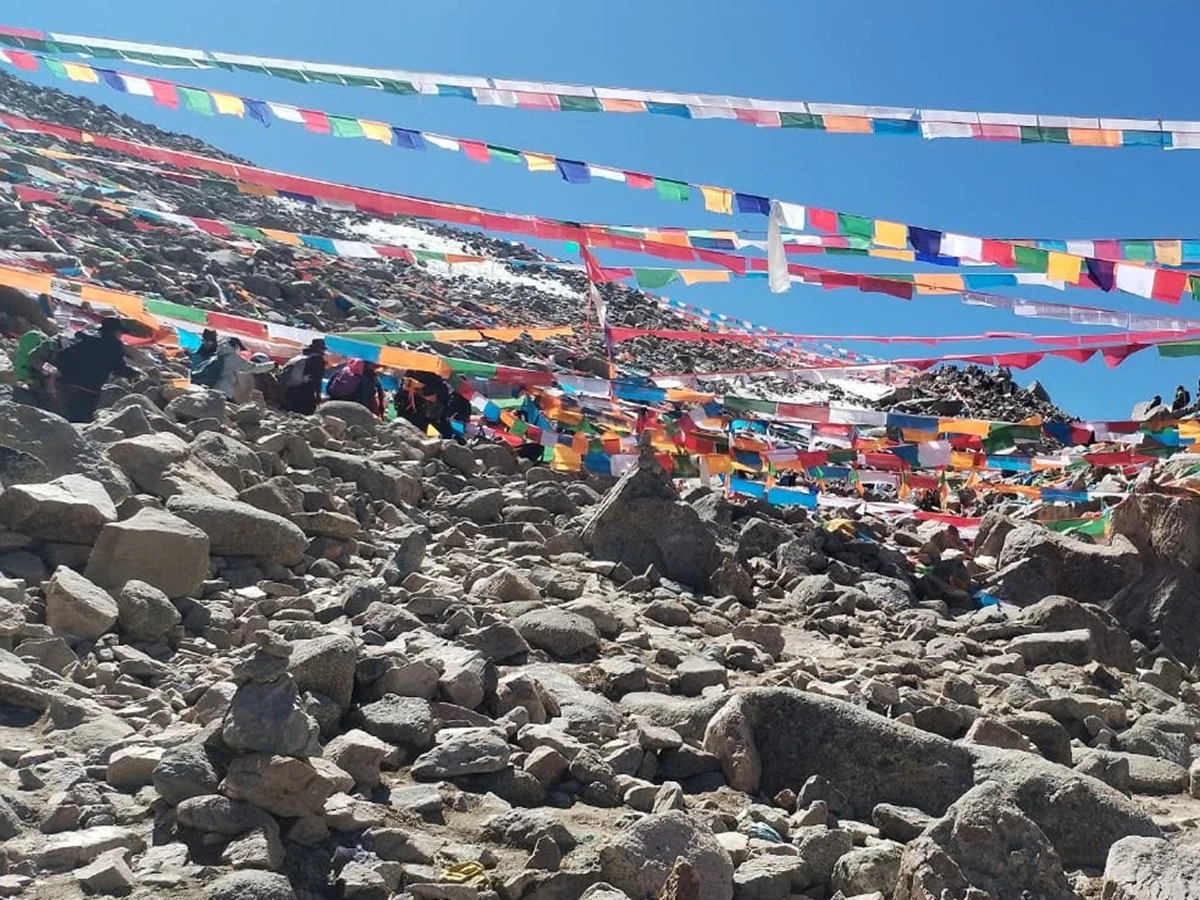
The toughest and the most spiritual part of your Kailash Kora starts this morning with an early breakfast at Dirapuk Guest House. The walk today is all upwards through barren land towards the divine Dolma La Pass (5,634m), which is the highest elevation on the Kora. This trail passes through a steep pass, where Tibetan pilgrims take some time for prayers and offer their prayers by tying colourful prayer flags and spending some moments praying for their family.

Descending further downhill, you will come across Lake Gauri Kund, a small lake where Hindu pilgrims believe that Goddess Parvati had taken her bath. Though the downhill from Dolma La Pass is quite challenging, you can ease your path as we approach the beautiful Lham Chu Valley. Glaciers, streams, mani walls, along with other pilgrims doing their Kora, can be observed during the journey as you meet and observe others following the sacred path, particularly after the Saga Dawa Festival. By evening, we reach Zuthulpuk Monastery, famous for its spiritual connection to the most revered Tibetan yogi Milarepa, where we end our day and retire for the night in a tranquil and spiritual environment.

Max Altitude: 5,634 m (18,484 ft) Meals: BreakfastAccommodation: Monastery Guest HouseDuration: 8–9 Hours TrekDistance: 19 km Trek
  • Enjoy breakfast at Zuthulpuk Guest House.
  • Continue and complete the Sacred Kailash Kora by walking through the gorgeous Lham Chu Valley to the end of the trek.
  • Drive to Darchen and meet your transport.
  • Travel across the Tibetan Plateau to Saga and celebrate your completion of your Kailash Mansarovar Yatra.

Following a nutritious early morning breakfast in Zuthulpuk Guest House, you proceed on the final leg of the Kailash Kora journey, the easiest in terms of effort required! This final trek passes along a lovely trail with shimmering streams, walls inscribed with mantras, yaks grazing lazily in the Lham Chu Valley and unusual rock formations on the easy-going path towards Darchen, the finish point of this epic kora. Although physically much easier and effortless, it is quite an emotional trek today when you complete the circumambulation around this holiest mountain, and many pilgrims halt at the designated spots to pray with heartfelt gratitude for their strength.

On completion, you are joined by your vehicles, enjoy lunch and commence your drive back towards Saga in Tibet, the route providing breathtaking views of the Tibetan Plateau, and the sights of the Saga Dawa Festival, Tarboche, Lake Mansarovar, and the unforgettable walk around Mount Kailash will fill your heart and memory for years to come. On arrival in Saga in the late evening, you will be provided with a well-deserved rest, reflecting on this trip of a lifetime on one of the most sacred mountains in the world.

Max Altitude: 4,760 m Meals: BreakfastAccommodation: Guest HouseDuration: 3 Hours Trek + 6–7 Hours DriveDistance: 12 km Trek + 470 km Drive
  • Breakfast and drive from Saga. Scenic drive on the Plateau; enjoy a magnificent view while driving on the high Plateau of Tibet.
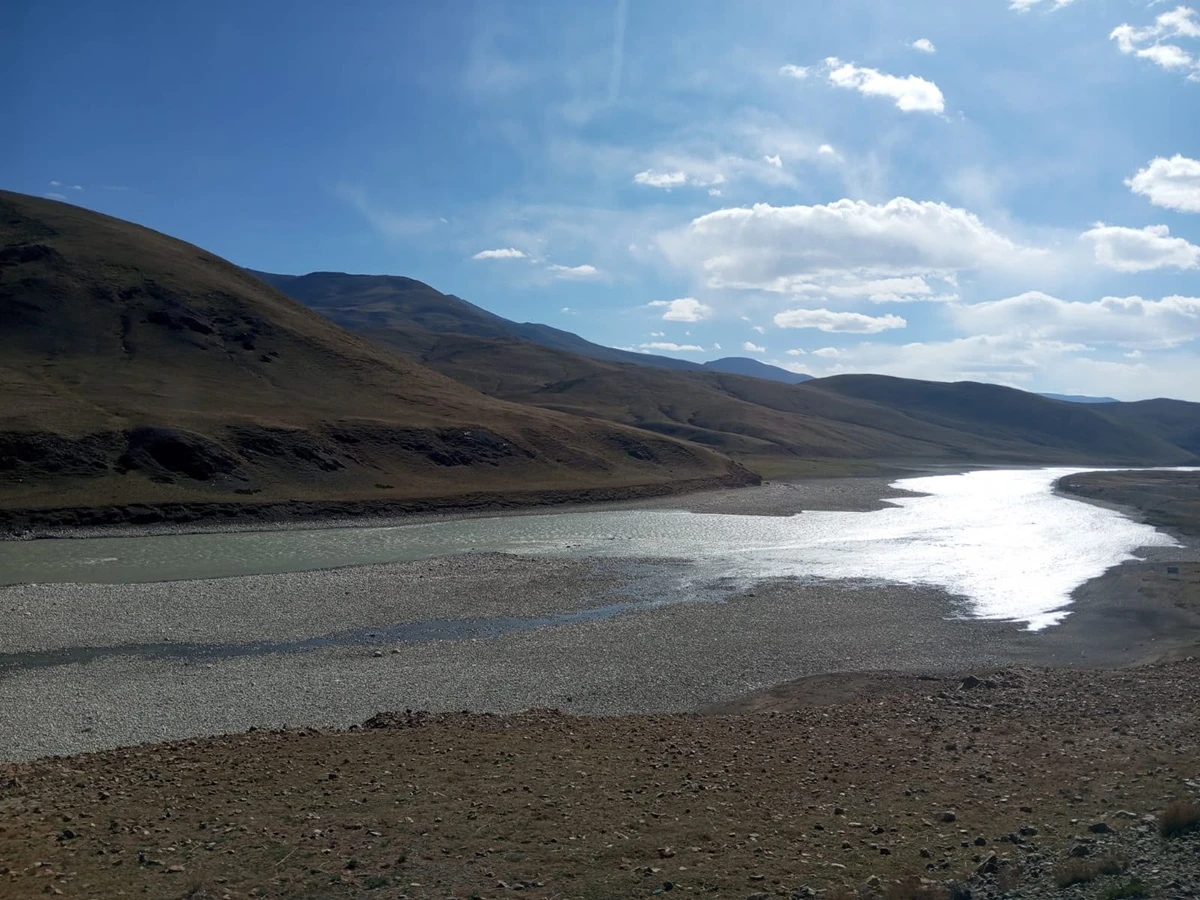
  • On the way, see nice rivers, green alpine grassland and a grand view of the Himalayas range.
  • Break for lunch and quick photo taking.
  • Descend to the calm town of Kerung and celebrate the successful completion of the 2027 Saga Dawa Festival 2027 tour.

Following a final breakfast at your guest house in Saga, you start your picturesque drive back towards Kerung via one of the most scenic stretches of the Kailash Mansarovar Yatra. As we cross the vast Tibetan plateau on our return journey, you are again surrounded by spectacular vistas of endless meadows, winding rivers, soaring Himalayan mountains and charming Tibetan herders’ dwellings all the way through the day. Most of the travelers may feel relaxed as we travel down from the higher altitudes surrounding Mount Kailash and approach the lower altitudes around Kerung.

Along the return journey, your tour escort stops at strategic points, with several photo opportunities and en route refreshments & meal points, all while sharing cultural tidbits and stories of the places of visit on this pilgrimage tour.

On this drive, you get some valuable time to reflect on your amazing experience of being a part of the auspicious Saga Dawa festival, attending the holy Tarboche ritual, performing the sacred holy dips into Lake Manasarovar and completing the holiest kora of Mount Kailash journey. After reaching your guesthouse in Kerung, you will have your rest and enjoy your last evening of Tibet with a celebration of completion of your lifetime spiritual sojourn, and the following day you will return to Nepal.

Max Altitude: 4,400 m Meals: BreakfastAccommodation: Guest HouseDuration: 6 Hours DriveDistance: 230 km
  • Enjoy your last Tibetan breakfast and start off your trip back to Nepal.
  • After all the final immigration at the Chinese border, we start the immigration into Nepal at Kerung Border.
  • The drive is a pleasure as we drive through the scenic areas of Syabrubesi, Dhunche and the Trishuli River Valley.
  • After a week-long Saga Dawa Festival trek, we toast at completion.
  • Present you with the Pilgrimage completion certificate(if provided) and drive back to Kathmandu, leaving you with profound, heavenly spiritual thoughts.

After a delicious breakfast at your Kerung guest house on the eleventh day, you will finally leave Tibet and make the last stretch of the road trip for the Kailash Mansarovar Yatra. Once you get through the immigration formalities and customs declaration procedures at the Kerung Border, you will be re-entering Nepal, and you will be able to relax for hours as you drive through Syabrubesi, Dhunche, Galchi and down the marvelous valley of the Trishuli River and up to the capital of Nepal. As the altitude decreases, your comfortable and bumpy ride continues, during which you can take this moment as another moment to reminisce and keep in your hearts the precious memories of these days.

From attending the sacred Saga Dawa Festival at Tarboche and offering sacred chants at Lake Mansarovar, completing the Kora of the holy Mount Kailash and crossing the amazing Dolma La Pass-it has been an expedition that changed many lives.

Upon arrival in Kathmandu, our representative will escort you to your preferred hotel or the airport based on your final destination. Your Saga Dawa Festival 2027 Kailash Mansarovar Yatra ends, leaving you with a sense of unparalleled spiritual ecstasy and the eternal bliss of having visited one of the earth’s most hallowed sanctums.

Max Altitude: 2,700 m Meals: BreakfastDuration: 6–7 Hours DriveDistance: 155 km
Unable to locate what you're seeking?Reach out to our travel experts.
Customize Trip
Cost Details
Includes

Accommodation

  • Hotel and Guesthouse accommodation throughout the trip based on the itinerary.
  • Twin Sharing and Group Sharing basis for rooms.
  • Comfortable hotel stay in Kathmandu, Kyirung, Saga and Darchen.
  • Basic guesthouse stay during the time of Kailash Parikrama.

Private Transportation

  • Private Tourist Vehicle for the whole trip.
  • Kathmandu to Kyirung border & return vehicle.
  • Tibet overland transportation as per the itinerary.
  • All ground transfer in pilgrimage time.

Tibet Travel Permits & Entry Documents

  • Tibet Travel Permit.
  • Tibet Trekking Permit.
  • All local travel permission for the Mount Kailash region.
  • All routes permit for foreigner traveler.

Professional Tibetan Guide

  • English-speaking licensed Tibetan guide.
  • Guidance of the whole Tibet tour.
  • Assistance at the border and on the pilgrimage route.

Sightseeing & Entrance Fees

  • All sightseeing mentioned in the itinerary.
  • Entrance fees for monasteries and pilgrimage sites are included in the itinerary.
  • Entrance fees for the Mansarovar and Kailash region permit are based on the visit.

Breakfast

  • Breakfast throughout the tour is included.
  • All breakfasts are vegetarian and Himalayan-based with local taste.
  • Breakfast with tea/coffee/bread/porridge/other items as per the locality.

Kathmandu to Border to Kathmandu Transport

  • Transportation from Kathmandu to Rasuwagadhi / Kyirung Border.
  • Return transport from the Tibet border to Kathmandu.
Excludes

Lunch and Dinner

  • Lunch and dinner are not included in the package cost.
  • Travelers will have to arrange their lunch and dinner on the way by themselves.
  • Upgrade option for a full meal package is available with an additional charge.

Travel & Medical Insurance

  • High altitude travel insurance.
  • Travel and medical insurance covering emergencies.
  • Helicopter evacuation insurance.
  • Personal accident insurance.

Porter, Yak & Horse Service

  • Porter was hired during the Kailash Parikrama time.
  • Yak hire in Kailash Parikrama time for luggage.
  • Horse ride on trekking sections.
  • Porter hire roughly: 400 RMB/day.

Rescue and Emergency Evacuation

  • Helicopter rescue service.
  • Emergency evacuation cost.
  • Transportation cost of medical treatment.
  • Medical fees for hospital or doctor, if needed.

Personal Expenses

  • Personal shopping
  • Other snacks and drinks, bottled water, etc.
  • Laundry cost.
  • Phone call and internet service charges, etc.
  • Tips for guides, drivers, and staff.

Unforeseen Situations Extra Cost

  • Landslide / road block / natural disaster / political restriction / border closure.
  • Permit delay/change of route.
  • Extra accommodation charge due to weather or transport delay.

China Visa Fee (If Applicable)

  • Chinese visa charges from the home country if applied.
  • An additional embassy charge based on nationality.

Single Supplement Charge

  • An additional amount for a single sharing room on request of the individual.
Essential Information

How Difficult Is the Kailash Saga Dawa Festival Tour?

The Kailash Saga Dawa Festival Tour is considered to be moderately-to-difficult primarily because of its extreme elevation and not because of there being slightly challenging technical trekking. There are long-distance overland drives traversing the Tibetan Plateau. The 53 KM Kailash Kora circuit, which can be completed within a three-day period, runs from Darchen to various locations around Mount Kailash. While there is no requirement for previous climbing experience, an average of 5 to 9 hours of walking per day will be performed in thin air.

By allowing themselves enough time to acclimatize in Kerung and using a steady pace with the assistance of our experienced Tibetan team, most people with moderate fitness levels will complete the pilgrimage.

Elevation Up and Challenges

The largest challenge facing the pilgrims is the elevation. The journey begins at an approximate elevation of 2700m (Kerung), and makes several high stops at Saga (4400m), Lake Mansarovar (4590m), and Darchen (4675m), before reaching the highest elevation at the Dolma La Pass (5634m). At this elevation, the quantity of oxygen available is extremely low when compared to the same elevation at sea level; therefore, it is imperative to walk at a slow pace and to stay hydrated during this portion of the journey. The trail is very rocky and uneven, although the trail is non-technical and does not require mountaineering skills.

How We Help You Complete the Journey

The planned route for the trek has been designed to gradually acclimatize trekkers so they are less prone to altitude sickness before starting the Kora. We naturally divide trekkers into slow, moderate and fast groups, so everyone can walk comfortably and without being pressured to go at their own pace and with plenty of time to rest along the way. Pilgrims will have regular rest breaks, be accompanied by an experienced Tibetan guide and have access to support staff who can help with any assistance that might be needed during the pilgrimage.

What Permits Required to Attend Kailash Saga Dawa Festival Tour?

All foreign travelers on the Kailash Saga Dawa Festival Tour must travel through a registered Tibet travel agent since no independent travel to Mount Kailash is allowed. Your travel agent arranges all required permits prior to your departure, so all you need to do is provide your passport and appropriate visa documentation. Many of the permit fees have already been included in the tour package, so it's a very straightforward process and no hassle at all.

Required Permits for the Kailash Saga Dawa Festival

Permit

Required For

Issued By

Approx. Fee

Included in Our Package

Tibet Travel Permit (TTP)

Entry into Tibet

Tibet Tourism Bureau

Included

Yes

Alien's Travel Permit (ATP)

Saga, Darchen, Mount Kailash & Lake Mansarovar

Public Security Bureau (PSB)

Approx. CNY 50

Yes

Military Area Entry Permit

Ngari (Western Tibet) & Mount Kailash Region

Tibet Military Authorities

Included

Yes

Border Defense / Frontier Permit

Border areas near Nepal & India

Chinese Authorities

Included

Yes

China Group Visa (when entering via Nepal)

Entry from Nepal into Tibet

Chinese Embassy, Kathmandu

May be charged separately depending on nationality

Check with us

Where Are Your Permits Checked?

Permits are checked at various locations during the pilgrimage. The first check is at the Kerung (Gyirong) Border, prior to entering Tibet. 

There are additional checks; for example, it is common to be checked at a security checkpoint while on the road to Saga, before Ngari Prefecture, near Lake Mansarovar, at Darchen, and at the entrance to the Kailash Kora (Yamdwar). 

There may also be random checkpoints along your route where security may ask for your permits. You will not have to worry about obtaining or carrying any of your permits; your Tibetan guide will have your required permits, and he/she will assist you with the necessary paperwork. You should simply carry your passport with you throughout your trip.

Documents You Need to Provide

  • Passport, valid for more than 6 months.

  • Passport photo of size suitable for use when applying for your permits. (if requested).

  • A photo scan of your passport to be used for permit applications.

  • Your passport should be presented in Kathmandu to get your China Group Visa if you plan on entering Tibet via Nepal.

  • Your itinerary and reservation confirmations at least 20-30 days before departure, so that you can be processed with permits.

Best Time to Join the Kailash Saga Dawa Festival Tour

Best Time for Saga Dawa Festival: The most auspicious time for the Kailash Saga Dawa Festival tour is during Saga Dawa itself. It falls in the fourth month of the Tibetan calendar and typically takes place between May and June. Mount Kailash is turned into a pilgrimage center and is attended by many thousands of Tibetan Buddhists to participate in the pious celebration of the Saga Dawa Dchen.

The roads will be relatively easy to travel and the climate comfortable for both overland travel and the three-day Kora to Mount Kailash.

Visit During the Sacred Full Moon (Saga Dawa Düchen)

Visit during the Sacred Full Moon (Saga Dawa Dchen). It marks the birth, enlightenment and parinirvana of Buddha Shakyamuni. Saga Dawa Dchen is celebrated on the 15th day of the fourth month in the Tibetan calendar. The Sacred Day comprises the holy ceremony of the unfurling of the Tarboche Prayer Flagpole. Thousands of pilgrims visit Mount Kailash and stand under it and witness the unfurling ceremony, before starting the pious Kailash Kora. To experience the peak celebration of the Saga Dawa festival, visit during the Full Moon.

Best Time Based on Your Travel Goals

Travel Goal

Best Time

Witness the Saga Dawa Festival

Full Moon Day (Saga Dawa Düchen)

Experience the Tarboche Prayer Flagpole Ceremony

Morning of Saga Dawa Düchen

Complete the Kailash Kora with thousands of pilgrims

Immediately after the Full Moon ceremony

Enjoy the most spiritual pilgrimage atmosphere

Entire Saga Dawa Month (May - June)

Best weather for the Kailash Kora

Late May to Mid-June

Clear mountain views and photography

May - June with generally dry skies

Weather and Temperature During the Saga Dawa Festival

Saga Dawa is typically celebrated from May to June. During the months of May and June, this is one of the prime seasons for visiting Mount Kailash. The weather at this time of year will generally be stable with noticeably longer days, significantly less rain than earlier in the year, clearer mountain views, and plenty of daylight for those travelling to see the event and to complete the sacred 53 km circuit around Kailash (Kailash Kora). However, due to the fact that the altitude of the pilgrimage is above 4,500 m (14,763 ft), temperatures can change rapidly. Hence, it is very important to wear layers.

Climate During the Saga Dawa Season

The Mount Kailash region experiences a cold alpine climate with very low humidity and very thin air. Hence, the typical daytime temperatures in the lower elevations of the region (such as Darchen and Lake Mansarovar) during Saga Dawa season are suitable for hiking during the day, but will continue to be extremely cold at night. Daytime temperatures range between approximately 10°C-20°C; Nighttime temperatures can range between -5°C and 5°C; The colder temperatures experienced at the Dolma La Pass (5,634 m; 18,450 ft) will prevail all day at this high elevation.

What Weather Conditions Should You Expect?

During your stay, we’ll make sure you sleep in the best available hotels and guesthouses in Kerung and Saga, and we promise that all the hotels you'll be staying at will have twin beds with common facilities of a bathing room and toilets. Most of the accommodations provide a range of creature comforts, including hot water, comfortable beds, heating, electricity (where available), Wi-Fi, and dining options. Your overnight stays at these locations are designed to aid your acclimatization as you prepare to continue up into the higher elevations of the Mount Kailash Region.

Accommodation During the Kailash Saga Dawa Tour

On the Kailash Saga Dawa Festival Tour, you’ll be provided with well-maintained, clean hotels with the best possible facilities available for every region. Although many of the hotels in cities are modern and up to standard, the accommodations in the Mount Kailash region are the simplest. There is less infrastructure in high-altitude areas, which restricts hotels from having standard accommodation like in lower altitudes; therefore, our main priority is your security and comfort on this pilgrimage journey.

Kerung and Saga 

We will accommodate in the best available hotel/guest houses in Kerung and Saga on twin sharing bases. Most of the guesthouses and hotels have attachment bathrooms with hot showers and beds, heater facility is available for accommodation; electricity supply is normally available, along with wi-fi access in most cases; and the restaurant is also part of the guesthouse. These stopovers are necessary to help you acclimatize to higher altitude before heading for the next destination.

Lake Mansarovar and Darchen 

It is common to stay in a guesthouse, which consists of standard rooms with beds, blankets, communal and/or attached toilets, and a dining hall.

At Darchen: At Darchen, the base point of the Kailash Kora, accommodation will be in the best available hotels/lodges offering twin rooms, attached/communal toilets, hot water (during specific hours), heating/electricity, with some of them providing oxygen-supported hotels/lodges.

Dirapuk and Zuthulpuk 

During your three days on the Kailash Kora, you will stay in traditional monastery guesthouses at Dirapuk and Zuthulpuk. Dormitory-style shared accommodation with simple beds, thick blankets, and typically shared toilets. There are no shower facilities, electricity may only be available for limited hours, and meals will be simple and nutritious. While the facilities are basic, staying at the base of the sacred north face of Mount Kailash will be one of your most treasured memories.

Meals and Drinking Water During the Journey

On the Kailash Saga Dawa Festival Tour, you’ll be provided with well-maintained, clean hotels with the best possible facilities available for every region. Although many of the hotels in cities are modern and up to standard, the accommodations in the Mount Kailash region are the simplest. There is less infrastructure in high-altitude areas, which restricts hotels from having standard accommodation like in lower altitudes; therefore, our main priority is your security and comfort on this pilgrimage journey.

Breakfast 

Start every day with a steaming hot breakfast to boost you for your drive or trek for the day. Breakfast will consist of tea or coffee, milk, porridge, cornflakes, toast, butter, jam, paratha, puri bhaji, upma, chapati, fruits, eggs (optional), and so on, depending on the location of the day. Lunch – Eat Fresh and Energized Meals While in Transit. Have your lunch in a restaurant along the way or enjoy a packed lunch during your Kailash Kora.

The meals comprise rice, dal, chapati, seasonal vegetables, paneer dishes, pulao, vegetable curry, pickles, salad, fruits, juice and a simple dessert to help you manage high-altitude travel.

Lunch 

You will be offered with a variety of foods including rice, dal (thick lentil soup), chapati (thin unleavened flat bread), seasonal vegetables, various plates of paneer (fresh cheese dishes), pulao (savory rice dish), vegetable curry, pickles, salad, fruits, juices, and light desserts during lunch to provide you with the energy needed to complete the high altitude hiking. Our Nepali sherpa kitchen team personally makes this food for you.

Dinner

After arriving at the next stop for the night, you will be provided with dinner that has been freshly prepared by our professional cooking staff. Typical dinners will consist of soup, rice, dal, roti, mixed vegetables, khichdi (rice and lentils), polis (thick Indian flat-baked bread), pasta or noodles, papad (very thin Indian fried bread), and desserts, providing you with a satisfying and healthy meal after your long day.

Drinking Water Throughout the Tour

Having safe drinking water at high altitude is very important for your health; therefore, our staff will serve you boiled (hot) drinking water throughout your entire trip, and you will be able to buy bottled drinking water at larger population centres along the way; these towns currently include Kerung, Saga, and Darchen. All trekkers are encouraged to carry a reusable water bottle or thermos so that they can drink at least 3 to 4 litres of water daily in order to keep well hydrated and to help prevent symptoms of altitude sickness.

How To Be Fully Prepared For Kailash Kora From Home?

Preparing for the Kailash Kora (53 km) is best done at home, before leaving for the pilgrimage. Preparing ahead of time will help enhance your chances of completing your journey comfortably and safely. Although the pilgrimage involves reaching the Dolma La Pass (5,634 m), good preparation should not be limited to simply having trekking experience but should also include preparations that involve the physical and mental aspects of completing the actual trek as well as preparing your body for the rigors of backpacking and climbing.

When planning to go on the Kailash Kora, you should allow yourself 6-to-8 weeks to get your body a little bit stronger and in better condition to help you complete the trek without undue pain or injury to your body.

Step 1: Build Your Walking Endurance

  • For the first two weeks, walk 4-5 km (2-3 miles) per day.

  • In weeks 3 through 6, gradually add distance with your pack to 8-12 km (5-7 miles) while carrying a light pack.

  • 3-4 times per week, walk or climb stairs.

  • One time per week, take a long day/evening hike of 3-5 hours.

Step 2: Trek Gear Development

  • Use trek boots during training walks.

  • Use your pack as you would during the trek (test it in real conditions).

  • Try your trekking poles prior to the trip.

  • Test clothing layers in various weather conditions.

Step 3: Pack the equipment. 

  • Bring some layered clothes, some waterproof things, gloves,sunglasses, a bottle of water and some sunscreen.

  • Limit items packed to only necessary essentials for your daypack so that it remains light.

  • Your main luggage will be in Darchen when doing the Kora if using porters/horses.

Step 4: Preparing Mentally / Spiritually

  • Learn what Mount Kailash and the Saga Dawa Festival are and why they are religiously important for many people who make this trip.

  • Be prepared to walk slowly and be patient when you are at high altitude.

  • Keep a positive mindset and listen to the guide during your time on the pilgrimage.

  • Remember that Kora is a holy quest, not a race; each person making this pilgrimage will be walking at their own comfortable pace.

Travel Insurance Requirements 

We highly advise each traveler to take travel insurance for the Kailash Saga Dawa Festival Tour, as it involves travelling to the isolated high regions of Tibet, including the Kora around Mount Kailash, which goes over the Dolma La Pass (5,634 m). Travel insurance does not usually cover high-altitude trekking; therefore, you would need to opt for a travel insurance policy which provides cover for travelling above 5,500- 6,000 m, including emergency treatment and medical evacuation.

Make sure that you have read the policy and make sure that there are no restrictions on altitude limits or exclusions for trekking and pilgrimage.

What Should Your Insurance Cover?

  • High-altitude trekking and pilgrimage to 5,634m or above.

  • Medical expenses for accidental injury and acute mountain sickness.

  • Emergency rescue and evacuation (ground extraction from Kailash Kora route where applicable).

  • Hospital and medical expenses while in Tibet and subsequent arrangements, if any.

  • Trip cancellation, interruption and travel delay insurance.

  • Lost passport or baggage insurance.

  • Personal accident insurance and personal liability insurance while travelling.

Before You Travel

Ensure you obtain your travel insurance prior to your arrival in Nepal, and travel with a printed as well as a digital copy of your insurance documents, along with the same shared with us here at View Nepal Treks prior to your departure date. Although our crew is entirely equipped for logistical help, guides, as well as emergency help on this journey, each and every traveler needs to bring their very own travel policy with their respective insurance service provider.

What To Pack for Kailash Saga Dawa Festival Tour?

Clothing

  • Warm base layers (2 pairs)

  • Water- and windproof coat

  • Down jacket

  • Warm coat

  • Polar jacket

  • Quick-drying trekking tops (2 - 3 pairs)

  • Trek trousers

  • Waterproof trousers

  • Comfortable innerwear

  • Warm hat and sun hat

  • Water- and windproof gloves

  • Liner gloves

  • Wool socks (4 - 6 pairs)

  • Polar neck warmer for cold air

  • Scarf

  • Lightweight clothing for lower altitudes

Footwear Section

  • Well-broken-in waterproof trekking boots

  • Comfortable camp shoes and/or sandals

  • Extra boot laces

  • Gaiters (recommended but optional when you experience snow or muddy conditions)

Trekking Equipment

  • A 25 to 35 litre day pack.

  • Two trekking poles.

  • A reusable water bottle or thermos.

  • A headlamp with spare batteries.

  • A power bank and charging cord.

  • A rain cover for your day pack.

  • A sleeping bag (to add extra warmth).

Personal Medication and Toiletries

  • Personal prescription medicine

  • High altitude medicine (consult your doctor)

  • Small first-aid kit

  • SPF50+ Sunscreen

  • Lip Balm with SPF

  • Sunglasses with UV coating

  • Toothbrush & toothpaste, soap, shampoo

  • Quick dry travel towel

  • Wet wipes, tissues, hand sanitizer

Travel Documents

  • Your original passport

  • Tibet permits - to be organised by us

  • China Group Visa - if you’re entering with group visa

  • Travel Insurance - details

  • Passport-sized photos

  • Contact details of emergency persons

Snacks and Personal Items

  • Snacks: Dried fruits, nuts, chocolate bars and protein/energy bars

  • Electrolytes: Powder or ORS packets (optional)

  • Prayer beads/malatmala: Small religious articles/preferences, etc.; or puja supplies

  • Camera/smartphone: More than one memory card (if possible)

  • Local currency in Chinese Yuan (RMB) to buy personal items (i.e. after their arrival) and pay horse/porter costs; buy things on trail.

Horse, Porter and Yak Services for the Kailash Kora

The hiring of a horse, porter, or yak is entirely voluntary for the 53 km Kailash Kora. Most people will opt for one of these services to lighten the physical load at higher altitudes, and using them is not seen as compromising the Kora itself. Such services need to be booked locally in Darchen prior to the starting of the Kora, subject to availability.

Horse Service for the Kailash Kora

A horse is advisable for the elderly, or for anyone concerned about their fitness levels to complete the trek with daily considerable walks. The horse comes with a local handler and can be used on almost all parts of the Kora. However, there are some exceptions, and you will need to walk during the most difficult section of the Kora at Dolma La Pass (5,634 m), both the ascent and descent, before re-joining your horse later on the trail. This service must be booked and paid prior to starting your Kora and is usually non-refundable.

Porter Service

A porter will carry your personal pack and belongings, enabling you to walk with minimal or no weight. The load you carry will typically be around 5–8 kg, while your main luggage remains in your hotel in Darchen. This service is very popular as it significantly reduces physical strain during the trek.

Yak Service

Yaks are generally used to transport expedition gear and large equipment. They are not used for carrying passengers. This service is typically arranged for group logistics and supplies, and must be organized in Darchen before the start of the Kora.

Practical Tips from Experienced Pilgrims

Most of the Kora trekking accounts by fellow trekkers emphasize the importance of hiring a horse or porter prior to the commencement of the trek, particularly in the high season such as during Saga Dawa, when demand becomes really high. Almost everyone talks about hiring a porter and how much of a difference having hot meals cooked by a Nepali kitchen team can make on a trek.

Even hardcore trekkers recommend traveling with just a light daypack and relying on porter assistance for the rest. 

Booking and Registration With View Nepal Treks Beforehand For Saga Dawa Festival

The Kailash Saga Dawa Festival Tour is one of the top tours each year, as spaces for permits, hotels, transport and the festival itself are limited. The Saga Dawa Dchen pilgrimage to Mount Kailash also pulls many thousands of pilgrims, so departures sell out many months ahead. We have already had bookings for 2027, 2028 and 2029.

Make sure to book early if you don't want to miss out on this amazing journey to Mount Kailash, and we'll have plenty of time to apply for your Tibet travel permits, China Group Visa (where applicable) and all other travel documents.

How to Register for the Saga Dawa Festival Tour

  • Step 1: Send Us Your Tour Inquiry (2027/2028/2029, size of group and your nationality).
  • Step 2: Your tour booking will be managed by bhupen, our most experienced travel consultant. He will get back to you shortly about the departure date, cost, and question.
  • Step 3: Forward a copy of your passport to get started on the Kailash Tibet permit procedure. Please fill out our booking form too.
  • Step 4: Make a payment of the booking deposit, this secures your seat on your chosen tour date. You have a guaranteed place once the deposit payment is received.
  • Step 5: We will prepare your Tibet permit and conduct pre-departure briefings for packing and general tour information, and keep you updated until you arrive in Kathmandu.

Book Your Seat Now

The earlier you book, the earlier you get confirmed, with an opportunity to join the sacred Tarboche Prayer Flagpole Ceremony and trek the most rewarding Kailash Kora, the holy 53km ritual for success.

FAQs

Yes, every year there are a number of people who walk the circuit at Mount Kailash (Kailash Kora) aged between 60 and 70. The primary determinants of completing the circuit successfully are health, good acclimatization, and having a current medical clearance, rather than age. If someone believes they might require additional assistance, both horses and porters can be arranged along the Kora.

All hotels and most guesthouses in Kerung/Saga/Lake Mansarovar/Darchen provide electrical service for charging devices; however, in many areas along the Kora, there will not be electrical facilities (if any are available, the facilities may charge an additional fee). It is highly advisable for you to travel with a portable battery of at least 20,000-30,000 mAh.

Some pilgrims do experience mild symptoms, such as headaches/fatigue/shortness of breath, at high altitudes (the summit of our journey will be approximately 5,634 meters); however, we have built-in acclimatization days in Kerung prior to the Kora. Our guides will request their clients to walk slowly, stay well hydrated, and take frequent rest breaks to ensure their clients minimize the risk of Acute Mountain Sickness (AMS).

Of course! Our team in Nepal has prepared an array of different types of cooking with all the fresh food you need for your trip. If you let us know ahead of time, we can provide you with pure vegan meals as well (without any onion or garlic), so that this trip can accommodate those who wish to follow their vegan/vegetarian or Sattvik dietary limitations due to religious restrictions.

Yes, if conditions allow it, you can take a Holy Bath in Lake Mansarovar or obtain (and take with you) some Holy Water after performing puja, meditation, & prayer on the shore or lakeshore before going to Mount Kailash.

When Saga Dawa occurs, there is a significant increase in the demand for permits, accommodations, transportation & Local Support Services as Thousands of Pilgrims Travel to Mount Kailash. Therefore, prices are much higher during this time. Also, many of the departures sell out at least a number of months prior.

You can take photos of the ceremony most often at the outdoor festival locations like Tarboche, provided you respect the monks, pilgrims, and the overall religious ceremony. Drones are not permitted to be used during the ceremony. Don't take pictures at the military checkpoints that are set up for security, and be sure to ask permission before taking any photographs of pilgrims making prostrations close up.

You will need to bring Chinese currency (RMB) for your personal expenses, which includes buying drinks, snacks, or souvenirs, paying to recharge your battery, hiring a horse or porter service, or making a small purchase in Tibet. International credit cards are hardly ever used outside the main towns.

Yes, we welcome solo travelers on our group departures to the festival. Joining a group is typically cheaper than having a private tour, and you will have the opportunity to share this unique spiritual experience with other pilgrims who are traveling around the world.

Generally, there is no age restriction; however, you should be generally in good health for travel. The added risk of altitude could mean that additional medical documentation may be requested by some tour organizers for older travellers. As such, older travellers are highly encouraged to provide their own physician's certificate of physical fitness.

Call to our expert 24/7
Bhupendra Adhikari
+977 9851029611
travelers choice
The Rare Horse Year Saga Dawa Pilgrimage

We were truly lucky to share the 2026 Saga Dawa Festival with View Nepal Treks! Being in the Year of the Horse for our trip, many Tibetans consider this an...

read more +
June 19, 2026
M
Malik O'Connor
- Denmark
Pilgrimage Journey to the Sacred Mountain Kailash Was a Life-Changing Trip

The pilgrimage trip to the Holy Mount Kailash was an eye-opening adventure. Mount Kailash Saga Dawa Festival with View Nepal Treks was just the thing I was searching for. The...

read more +
June 14, 2026
A
Aimee Simmons
- Germany
An Awesome Nepali Kitchen Crew and Tibetan Guide

Our family was with View Nepal Treks for the Saga Dawa Festival. The Nepali kitchen crew cooked delicious fresh vegetarian food daily for us, which was very important at such...

read more +
June 16, 2025
E
Evelyn Griffin
- Cabo Verde
You May Also Like
Kailash Mansarovar tour 10 Days From Nepal At Best Price In 2026 and 2027
Kailash Mansarovar Yatra 10 Days For Foreigners
Mount Kailash Mansarovar Yatra for Indians and NRIs 12 Days Price at $1500 in 2026
Mount Kailash Mansarovar Yatra for Indians and NRIs 10 Days
Mount Kailash Tour
Starting From
US$2400US$2500
Need Help? Call Us.+977 9851029611