Lhasa Tour from Nepal 4 days

Lhasa Tour from Nepal 4 days

6 reviews
Customize Trip
Trip at a Glance
Duration4 Days
Trip GradeModerate
CountryTibet
Maximum Altitude3,760 m (12,335 ft)
Group Size1 to 20 (Private)
StartsKathmandu, Nepal (1,400 m / 4,593 ft)
EndsKathmandu, Nepal (1,400 m / 4,593 ft)
ActivitiesKathmandu - Lhasa flight, Potala Palace visit, Jokhang Temple tour, Barkhor Bazaar walk, Monastery sightseeing, Cultural exploration
Best TimeApril to June, September to October

Lhasa Tour from Nepal 4 Days Overview

Discover the ‘Roof of the World ’ on our 4-day tour starting from Nepal for tourists looking out for exploring tibet culture and religious sites. With its unique history and architecture, Lhasa has been considered as the cultural and spiritual capital of Tibet since long ago.

This exciting trip takes you across some of the best places that the city has to offer. From the majestic Potala Palace to the holy Jokhang Temple and many others, all the way up to Barkhor street. This tour also gives you an opportunity to meet and interact with monks who live in historic monasteries such as Sera and Drepung, among others. Our scenic flight covers the distance between Kathmandu and Lhasa quickly and comfortably so that you don’t miss out on anything else in your itinerary.

Our tours are designed keeping in mind tourist safety and comfort; hence, we do include time to relax and enjoy authentic Tibetan hospitality during our trips. So pack your bags and head to Lhasa right away.

This 4 day tour will be ideal for those who have little time but still want to explore all these things. Whether your desire is spiritual awakening, architecture, or just some great experiences during a trip to the Himalayas, an itinerary such as this gives you that chance. Lhasa has everything on offer, including its own share of inspiring places, rich heritage, and amazing mountainscapes surrounding the city. It's the kind of place where your pictures may come back covered with lots of stamps, but there'll definitely be something unique about them - they represent a different way of thinking and being in this world.

Whether you are coming by flying directly from Nepal (we have logistical expertise in this) or joining one of our tours, it would be our honor to assist you in making your trip to Tibet the trip of a lifetime! Looking back at these photos upon your return to our capital, Kathmandu, will show you just what kind of amazing photos you’ll carry with you home from this vibrant, time-honored culture. Potala Palace, Jokhang Temple, and Norbulingka are all part of the same, incredibly impressive, World Heritage-winning site that tells a fascinating story of Tibet.

Main Highlights of Lhasa Sightseeing 4 Days Tour

  • This remarkable Kathmandu-to-Lhasa journey will take you through the panoramic skies over the Himalayas with unobstructed views of the tallest peaks in the world.

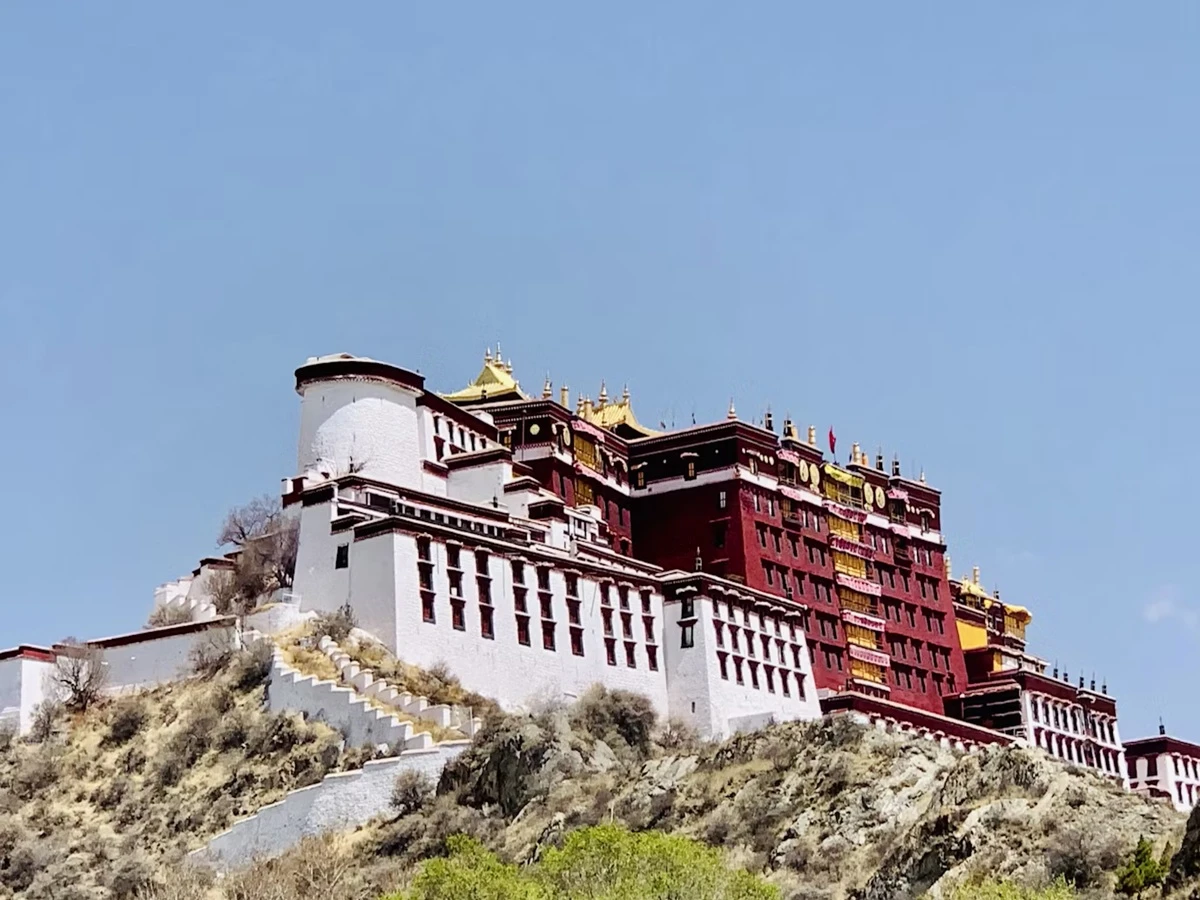
  • The imposing Potala Palace, previously the administrative headquarters of the Dalai Lamas. 

  • The sacred Jokhang Temple, considered to be the most important holy place of Buddhism in Tibet.

  • The traditional Barkhor route of pilgrimage through which hordes of believers perform their devotions.

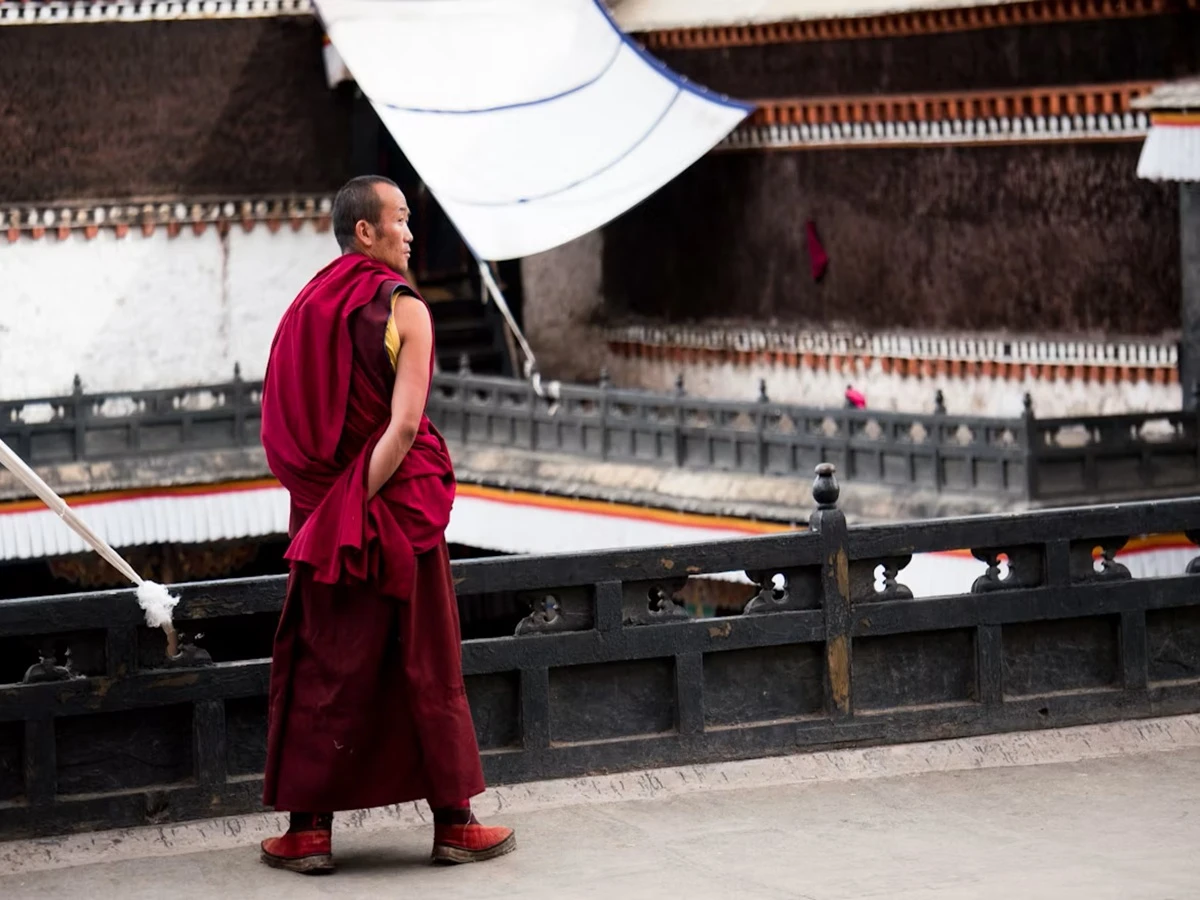
  • The entertaining debate of Buddhist monks at Sera Monastery.

  • Explore the extensive property of Drepung Monastery. In former times, the monastery was the largest monastery in Tibet.

  • Explore the famous gardens and palaces of Norbulingka, which used to be the summer residence of the Dalai Lamas.

  • Immerse in Tibetan traditions of practicing the Buddhist religion.

  • See traditional aspects of architecture in Tibetan style as well as Tibetan thangka.

  • Experience of local food including butter tea and Tsampa.

  • The acclimatization process while getting used to the height of Lhasa (3650 m).

  • The peaceful atmosphere in lively Tibetan bazaars full of artisans’ goods.

  • The wonderful views of the Holy City set among the fantastic Himalayan mountains.

  • Communication with pilgrims as well as exploring their life in detail.

The Shortest Route to the Roof of the World 

4 Days. Zero wasted time. Pure magic. Limited on time but have the trip of a lifetime in your sights?

This 4 Day Lhasa Tour from Nepal is your all-access shortcut to the Roof of the World. Stop spending away a whole week of tedious over-the-road driving. This quick fly-in, fly-out tour brings you direct from Kathmandu across the Himalayas for a 4 day immersive Tibetan immersion. We give you front-of-the-line access to the iconic Potala Palace, and immerse you into a living Tibetan pilgrim circuit around Jokhang Temple, and you even catch a live monastic debate, it's a premium, low-stress, long-weekend Himalayan escape where your flights, elite local guides, and the notoriously tricky Tibet permits are all seamlessly taken care of. This is hands - down the finest short escape to the Himalayas you could ever experience.

Experience 1300 Years of History in 4 Days With Kathmandu To Lhasa Tour 

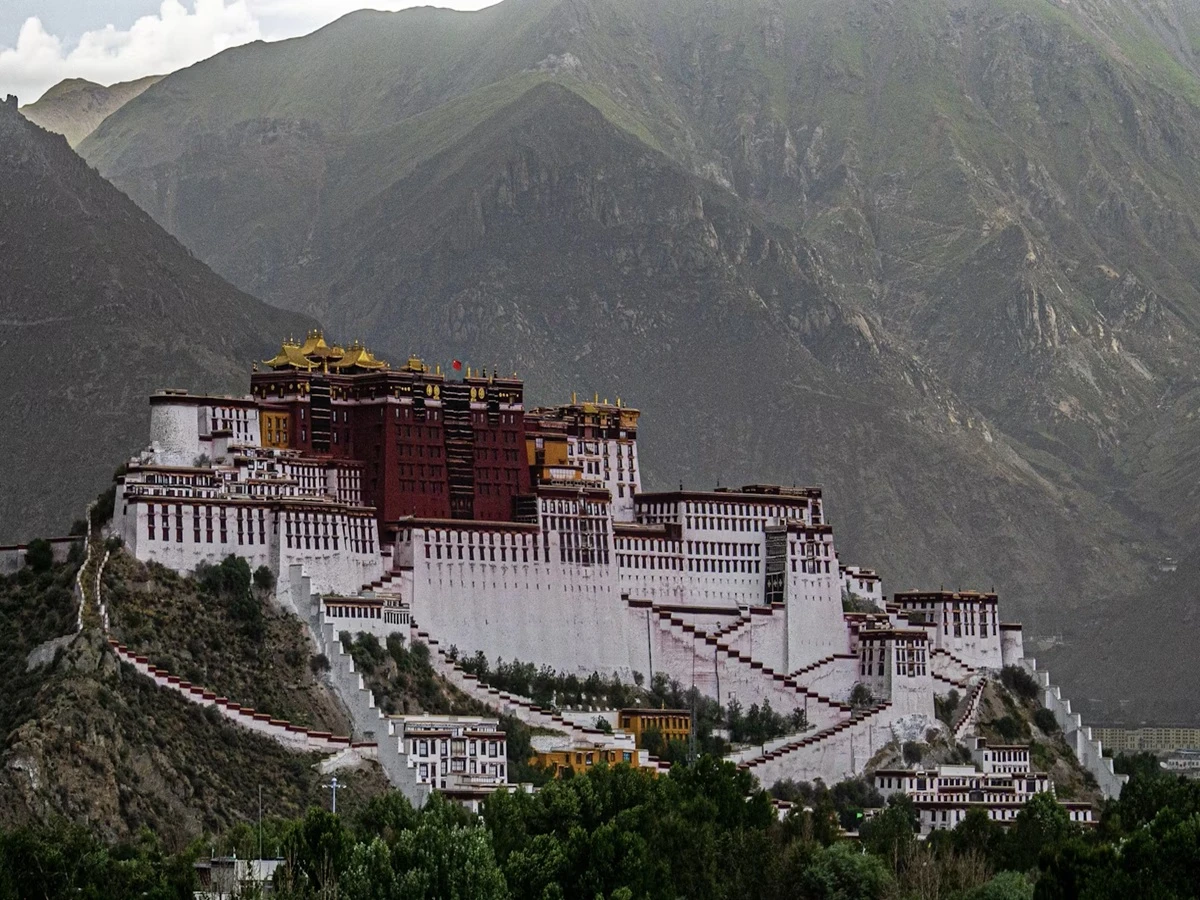
Potala Palace

  • Altitude: 3,700 m (12,140 ft), set on top of Marpo Ri (Red Hill).

  • Status: Former winter palace of the Dalai Lamas from 1649 and a UNESCO World Heritage Site.

  • Size: House of more than 1,000 rooms, 10,000 shrines, and 200,000 sacred statues.

  • Booking: Highly restricted, up to 15 days in advance.

Dominating the skyline of Lhasa, Potala Palace is the embodiment of Tibet. Built in the 7th century by King Songtsen Gampo and enlarged by the 5th Dalai Lama, this masterpiece structure is structurally composed of two parts:

  • The White Palace (Potrang Karpo): Administrative.

  • The Red Palace (Potrang Marpo): Religious.

Attractions of the Potala Palace

  • The White Palace (Potrang Karpo): Political hub, composed of the East and West Sunlight Halls, which used to be the residence and office of the Dalai Lama.

  • The Red Palace (Potrang Marpo): Spiritual hub, comprising several assembly halls, complex murals and many stupas that contain golden buried remains of previous Dalai Lamas.

  • The Golden Roof Group: The highest point of the complex. The complex consists of seven golden bronze roofs decorated with the flowers-and-bell spires.

  • The Fawang Cave and the Holy Guanyin Hall: Ancient preserved rock caves in Tibet, dating back 1,300 years to the reign of the king.

Visitor Logistics

  • Operating Hours: The complex is open from 9:00 AM to 3:40 PM from May to October, and 9:30 AM to 3:20 PM from November to April. Closed every Monday.

  • Potala Palace Entry Fee Price: May - October: 200 CNY (approx. $28)

  • November - April: 100 CNY (approx. $14)

  • Children less than 1.2 meters high: Free.

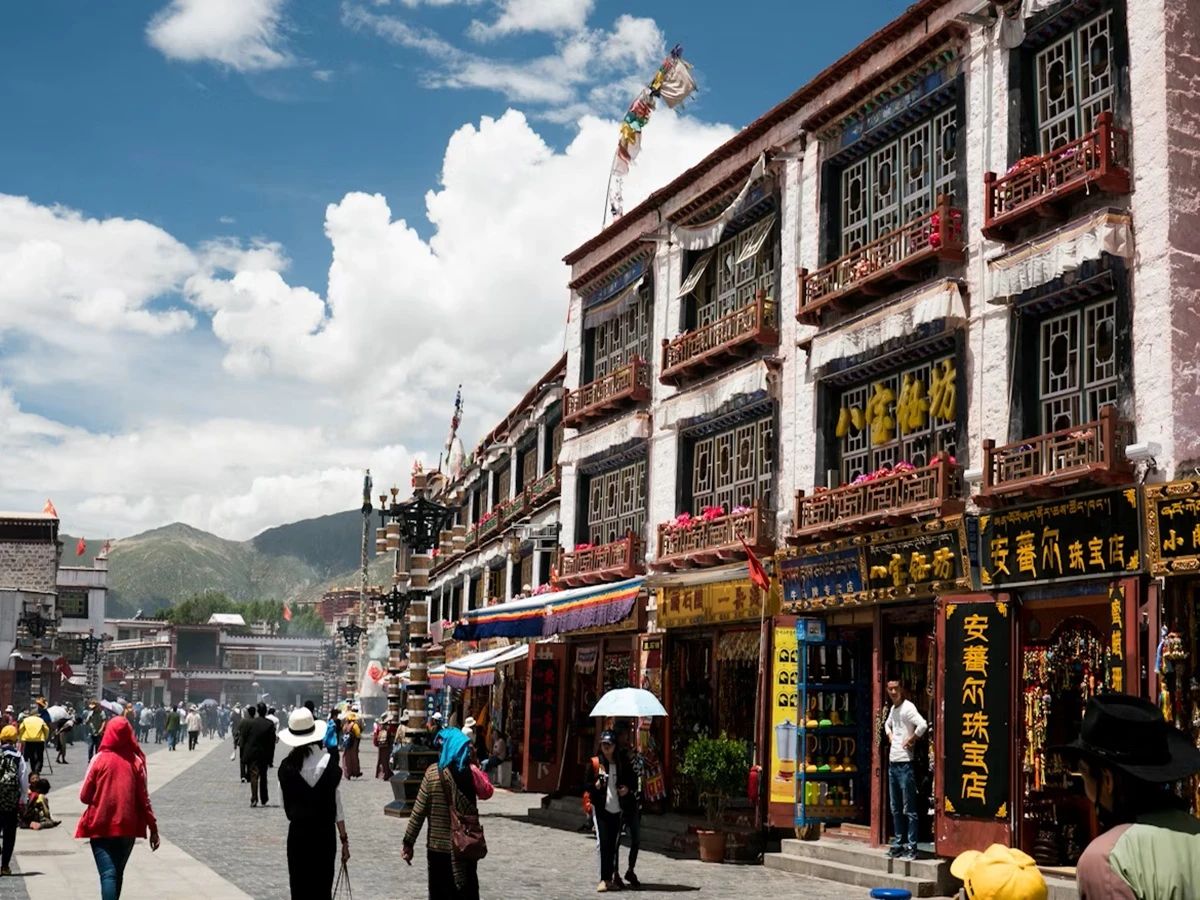
Jokhang Temple and Barkhor Street

  • Status: Worldwide, considered the Spiritual Heart of Tibet.

  • Built in: 647 AD by Songtsen Gampo, for his imperial brides.

  • Style: Unique mixture of Tibetan, Nepalese and Indian Vihara styles.

  • The Kora: Encircled by the sacred pilgrim walking loop, the Barkhor Street (1 km length).

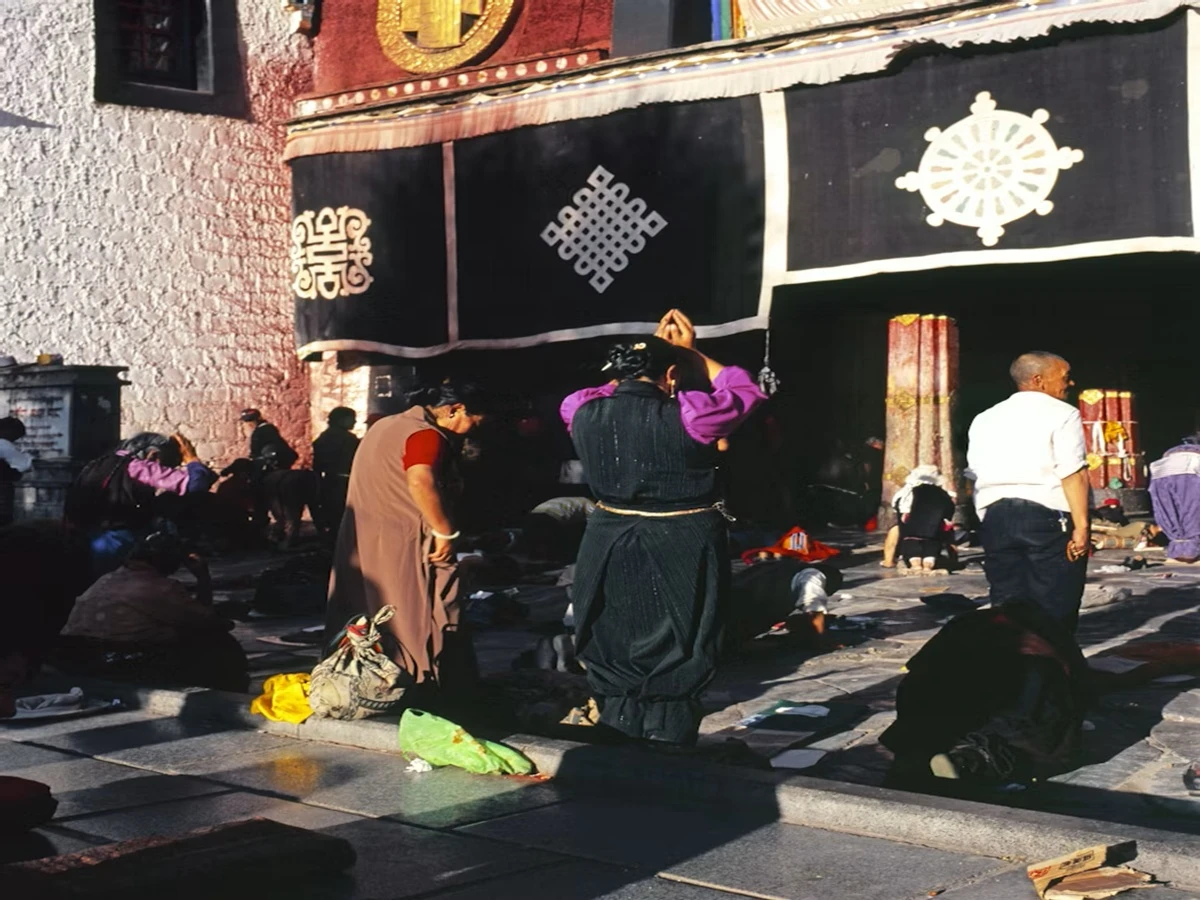
While the Potala represents history, the Jokhang is the spiritual climax of Tibet. The temple is situated at the hub of Old Lhasa. Each day, thousands of pilgrims arrive to pray and bow in front of the doors of the sacred temple, then walk the Kora in front of the doors.

Highlights Inside Jokhang

  • The Statue of Jowo Shakyamuni: It is the holiest site in the Tibetan Buddhist system and considered to have been molded for a 12-year-old Buddha in person, brought to Lhasa by one of the imperial brides of the Tibetan king.

  • Princess Bhrikuti's Altars: Dedicated to the Nepalese princess, who assisted in spreading Buddhism into the valley.

  • Barkhor Street: The circular street that circumvents the temple. A large street with a lot of vendors selling typical Tibetan souvenirs, religious stuff like thangkas, prayer wheels, etc.

  • Four Sacred Incensers (Sangkangs): These large stones act as incense burners, one in every cardinal direction, used to burn offerings for the deities.

Visitor Info

  • Price: CNY 85 per person (US$12).

  • Time: 08:30 to 18:30 (Daily).

Sera Monastery

  • One of the Great Three Gelugpa University Monasteries of Lhasa.

  • Established in 1419 by Jamchen Chojey, a direct disciple of Tsongkhapa.

  • Named Sera (meaning wild rose) because the hill behind it bloomed with wild roses during its construction.

  • Famous for its daily live Buddhist philosophical monk debates.

Located 5 km north of the city center, Sera Monastery is a massive, sprawling campus of a university monastery that grants travelers an unparalleled view of genuine, lived monastic life. The site continues to be a renowned destination for advanced Buddhist learning.

Key Highlights Inside the Monastery

  • The Debate Courtyard: The main event! Here, monks meet to argue religious scriptures with dramatic clapping, stomping, and emphatic questioning.

  • The Tsokchen (Great Assembly Hall): The largest building on campus houses giant thangkas, scrolls, and effigies of Tsongkhapa.

  • The Hayagriva Chapel: This sacred place contains a black thangka (a painted banner) of the fearsome Buddhist protector, Hayagriva, whom some consider the most important protector temple on the campus.

  • The Three Zhacangs: Separate colleges devoted exclusively to exoteric Buddhism, esoteric Buddhism, and traditional Tibetan medicine.

Visitor Info

  • Opening Hours: 9:00 AM – 5:00 PM daily.

  • Monk Debates: 3:00 PM – 5:00 PM, Monday – Saturday.

  • Admission: 50 CNY (approx. US$7) per person.

Drepung Monastery

  • Scale: The largest of all the monasteries in Tibet, once inhabited by over 10,000 monks.

  • Established: 1416 by another of Tsongkhapa’s disciples, Jamyang Choge Tashi Palden.

  • Elevation: Stands on the base of Mount Gephel at an altitude of 3,800 m (12,467 ft).

  • Cultural Show: Holds a festival of displaying a colossal Buddha Thangka, one of Tibet’s most impressive shows, during the Shoton Festival.

At an 8 km distance west of Lhasa city, Drepung Monastery appears like a white city sprawling down the slope of the mountain. It once served as the seat and political centre of the Dalai Lama before the reconstruction of Potala Palace.

Main Sights Within the Monastery

  • Coqen Hall (The Main Assembly Hall): This vast assembly hall has a capacity for about 1,600 monks. It is supported by 183 huge wooden pillars and decorated with elaborate silk embroideries and thousands of butter lamps.

  • Colossal Buddha Statues: Located inside the hall, including historical Buddhas.

  • Ganden Phodrang: A three-story palace-fortified complex built by the 2nd Dalai Lama. It housed both the leader and the governmental offices until the 5th Dalai Lama moved his government to the Potala Palace.

  • Ngagpa College: The tantric college of the monastery, adorned with heavy imagery, deep primary colors, and the thick scent of burned juniper.

  • Thangka Display Wall: A huge stone platform on the mountainside where the giant Buddha silk thangka is unfurled for pilgrims once a year.

Visitor Info

  • Opening Hours: 9:00 AM – 4:00 PM (daily). It is recommended to visit in the morning, as most of the chapels close in the afternoon.

  • Price: 50 CNY (approx. US$7) per person.

Norbulingka

  • Meaning: The Jewel Park, or Treasure Garden; the Tibetan translation for "Norbulingka".

  • Status: Largest man-made garden in Tibet and an extension of the UNESCO World Heritage Site.

  • Use: From 1780 until 1959, the palace was used as the summer retreat and the administrative center for the 7th through the 14th Dalai Lamas.

  • Size: With over 370 rooms within 36 hectares, Norbulingka holds expansive gardens and lawns.

To the west of Lhasa, Norbulingka stands in contrast to the mountains and monasteries that typically frame Lhasa. A garden combining traditional Han horticulture, with manicured ponds and stone paths, with traditional Tibetan design characterized by red walls and golden roofs.

What to See

  • Kelsang Potrang: The first palace on the premises was constructed by the 7th Dalai Lama, a site containing the council hall, murals depicting children at play, and a Buddha statue.

  • Takten Mingyur Potrang (The New Summer Palace): Constructed in the 1950s by the 14th Dalai Lama, this palace integrates traditional artistry with some more contemporary design and has 300 more murals that cover Tibetan history.

  • Tsokyil Potrang (The Lake Palace): A beautiful two-story building surrounded by an artificial lake that can be reached via a stone bridge. A great place to contemplate.

  • The Khamsum Zilnon Pavilion: This palace once served as a stage from which the Dalai Lamas viewed traditional Tibetan operas performed during regional festivals.

Visitor Logistics

  • Hours: 9:30 AM – 5:30 PM daily. No admission after 4:30 PM.

  • Price: 60 CNY (approx. US$8.50) per person.

Who Is This Short Lhasa Getaway Perfect For in 2026/27/28?

Spiritual Seekers

  • Target Audience: For travelers with an interest in Tibetan Buddhism and pilgrimage sites of holiness.

  • It’s for those seeking peace, mindfulness, and cultural immersion.

  • For lovers of history, there’s no shortage of palaces, monasteries and other UNESCO World Heritage Sites.

  • Art admirers will love the chance to admire everything from Tibetan thangkas to stunning murals and traditional architecture.

First-Time Visitors to Tibet

  • This trip is suitable for travelers seeking an enjoyable journey through Tibet that allows them to settle into life on the plateau.

  • Perfect for those wanting a shorter itinerary which leaves lots of room to get used to altitude.

Photographers and Nature Lovers

  • Photography Enthusiasts looking for dramatic Himalayan scenery and vibrant street life.

  • Nature lovers appreciating high-altitude landscapes and clear mountain skies.

Busy Professionals and Short-Holiday Travelers

  • Travelers with not so much vacation time but wishing for an ultimate and original experience of Tibet.

  • Limited vacation time but looking for an authentic Tibetan experience.

  • Couples, families, and friends seeking a memorable cultural getaway from Nepal.

  • Both these groups are very close to the actual motivations and profiles that make up travelers who love visiting Lhasa on their first trip.

What Makes a Lhasa Tour from Nepal Special?

A Lhasa tour from Nepal is one of those mythical trips that spiritually, if not entirely literally, link two of the earth’s most fascinating sacred realms. The real wonder about crossing this threshold, however, is the gulf in experience that you are instantaneously transported into. Ninety minutes of flight time separates Nepal’s subtropical and incredibly humid, steamy, and messy valley from Kathmandu’s desertlike, barren high-altitude plain.

As well as the views over land, you’ll enjoy arguably one of the best air-shows on earth as your flight leaves Kathmandu flying up directly above the spine of the Himalaya with an unparalleled view from a window seat of Mount Everest, Lhotse and Makalu compared to any scenic flight.

Also, this journey is along one of the most ancient pilgrimage trails in existence; for hundreds of years, Nepalese Newari artists, Tibetan Buddhist scholars, and salt traders have traversed these treacherous paths. The walk from Nepal into Tibet will therefore take you along the old footprints of many past travelers. 

You will see, for example, Nepalese pagoda-style architecture having left a legacy in Tibet- the most famous example is the Jokhang Temple in Lhasa; this trek will make it easy to take.

Lhasa Tour Nepal Cost 2026, 2027 and 2028

This 4-day Lhasa tour from Nepal comes at an extremely affordable price, with the per-person cost decreasing significantly as group size increases, since larger groups share costs like transportation and a guide. Solo travellers get a flexible Private Tour that can depart whenever they choose, while couples, families, and group tours get excellent discounted prices without sacrificing tour quality. All prices quoted above apply to tour dates in 2026, 2027, and 2028. A firm group rate for the all-inclusive tour packages is one clear advantage of this trip, as it locks in the price without hidden on-tour costs. Standard Lhasa tour prices often fluctuate depending on the number of participants, since group size has a significant impact on cost. This tour will mainly be organized as a private tour.

Package Cost Per Person

Group Size

Price (USD)

1 Pax

$800

2–4 Pax

$650

5–9 Pax

$600

10–20 

$550

All-Inclusive Lhasa Sightseeing Tour Package

This 4-Day Lhasa Tour package from Nepal is a 100% authentic, all-inclusive and zero-hidden-cost plan for the ultimate culturally immersive Tibetan vacation. We have updated this all-inclusive style package Tibet journey into a completely Full Board one, in which you don’t pay anything out-of-pocket for all breakfasts, lunches and traditional Tibet dinners at our featured traditional restaurants in Lhasa. You stay at best quality central-located 3-star Lhasa hotels and enjoy your trip accompanied by top-class government-licensed local Tibetan tour guides all throughout. To ensure an all-inclusive and seamless Himalayan adventure with us, our experts can help you incorporate your flight tickets to and from Lhasa into your travel quote. 

The Ultimate Inclusion 

Service Dimension

Standard Packages

Our All-Inclusive Guarantee

Lhasa Accommodations

Basic guesthouses

Premium 3-Star Hotels (Centrally located)

Meal Plan Status

Breakfast only

Full Board Basis (All Breakfasts, Lunches and Dinners)

Local Expertise

Shared or basic guides

Elite, Licensed Local Tibetan Guides

Permit Coordination

Extra hidden fees

Tibet Travel Permit and Visa Processing Included

Himalayan Transit Add-on

Self-booked / Excluded

Seamless Lukla Flights Integrated (Before or After)

Itinerary

Lhasa Sightseeing Tour 4 days Itinerary With View Nepal Treks

This 4-day sightseeing tour to Lhasa has been planned by the expert professionals of View Nepal Treks in such a way that you gain exposure to more information and spend more time adjusting to Lhasa, as it is a holy city of Tibet. From your departure from Kathmandu, all your arrangements will be managed by View Nepal. This 4 day Tibet tour to Lhasa also takes care of your permits, a good standard hotel in Tibet, sightseeing places and all the transportation in Lhasa.

You have got the very informative Tibetan guide in Tibet, and Team Nepal will remain for your further travel plans and arrangements to Lhasa. You get to see the main sights of Lhasa like Potala Palace, Jokhang Temple and monasteries of Lhasa with ease and relaxation. Starting from US$550 per person.

Trip PlanExpand all

Upon arrival at Tribhuvan International Airport in Kathmandu, you board a trans-Himalayan flight. As the flight gains altitude and rises above Nepal’s green fertile valleys, it will soon be flying between Himalayan peaks such as Mt. Everest to the south and the arid, high-altitude Tibetan Plateau in the north. 

After you touch down on the runway at Lhasa Gonggar Airport (3,570 m/11,712 ft), you will be met by our local Tibetan guide and transferred along the picturesque Yarlung Tsangpo (Brahmaputra) river valley to Lhasa. 

The cool, crisp, and dry air serves as a reminder of your high altitude, as does the initial difficulty in breathing. After checking into your hotel and settling in, take the opportunity to relax, rehydrate, and acclimatize. 

This day is spent acclimatizing to the altitude and perhaps catching your first glimpse of the glittering gold roofs of the Potala Palace, a fascinating introduction to the spiritual center of Tibet.

Max Altitude: 3,650 m Meals: Breakfast, Lunch, DinnerAccommodation: 3 Star HotelDuration: Approx. 1 hr 20 min flightDistance: Approx. 600 km

Today we begin our exploration of Lhasa's legendary spiritual heritage. We begin at the magnificent Potala Palace, the former winter seat and monastery of the past Dalai Lamas. Climbing the stone steps we pass through a warren of holy chambers, gem-studded stupas and age-old murals and drink in spectacular views over the Lhasa valley below.

Next, we embark on a journey to the almost 1300-year-old Jokhang Temple, the spiritual center of Tibetan Buddhism, home to the Jowo Shakyamuni Buddha.

Just outside, you can witness thousands of devoted pilgrims walking the Barkhor Street Kora (pilgrimage circuit). Follow the pilgrims as you walk in a clockwise direction under a haze of burning juniper and listen to the murmur of pilgrims praying, the rhythm of Tibetan life.

Max Altitude: 3,650 m Meals: Breakfast, Lunch, DinnerAccommodation: 3 Star HotelDuration: 6 - 7 hrs sightseeingDistance: Approx. 20 -9 30 km by road

The following days of your adventure bring you to the renowned monastic universities of the Gelug (Yellow Hat) sect. This morning you’ll tour Drepung Monastery, formerly the world's largest monastery, home to over ten thousand monks. Clinging to the foothills of the Gambo Utse Mountains, the whitewashed sprawl of buildings looks like a pile of rice spilled on a mountainside. 

Tour the vast assembly halls and ancient kitchen facilities for a glimpse into monastic life and academic culture. 

Afternoons are dedicated to Sera Monastery, perched at the foot of pink-granite cliffs. Sera is renowned for its energetic debates in a courtyard beneath shady trees. 

You’ll witness monks clapping their hands to emphasize logical points in one of the most engaging forms of intellectual pursuit on earth. This day will give you a powerful understanding of Buddhist philosophies and their legacy in Tibet.

Max Altitude: 3,650 m Meals: Breakfast, Lunch, DinnerAccommodation: 3 Star HotelDuration: 6 9- 7 hrs sightseeingDistance: Approx. 20 - 30 km

Your short yet inspiring journey to the roof of the world has now come to end. After your breakfast, enjoy a leisurely final stroll on the narrow alleys of Lhasa, listening to the monks chant for the last time while sipping your morning cup and inhaling the pure mountain air before your guide and driver drop you at Lhasa Gonggar Airport or Lhasa Railway Station. 

For your flight to Kathmandu, you’ll witness another incredible view of the majestic Himalayan mountains; along with deep ravines and glacial lakes, you may catch a glimpse of Mount Everest at the north face on the flight back. 

This trip offers much; you would experience an enriching insight of Tibetan Buddhism, deep compassion for those brave people who have withstood hardship, and a lasting impression of a land on the top of the world, which seems closer to heaven than earth.

Max Altitude: 3,650 m Meals: BreakfastDuration: Approx. 1 hr 20 min flightDistance: Approx. 600 km
Unable to locate what you're seeking?Reach out to our travel experts.
Customize Trip
Cost Details
Includes
  • Accommodation at 3-star hotels in Lhasa for the duration of the tour.

  • Full board meals during the tour – breakfasts, lunches, and dinners.

  • Private guided tour in a private vehicle.

  • All transfers and transport as per the tour.

  • Entrance fees to all sites of interest.

Excludes
  • International and domestic flight tickets; ( Flight to and from lhasa can be arranged on your request with a supplemental charge).

  • Personal expenses like drinks, laundry, telephone, tips, etc.

  • Travel insurance and emergency rescue services.

  • Any other expenses beyond those in the inclusion list due to natural disasters, road blockages, government regulations, or policy changes.

Essential Information

How to Reach Lhasa?

The adventure of arriving at Lhasa for this unique 4-day Lhasa tour begins right from the ancient valley of Kathmandu in Nepal. The most practical and enjoyable way to begin this tour is to take a 1.5-hour flight directly from the Tribhuvan International Airport in Kathmandu (KTM) to Lhasa Gonggar Airport (LXA). 

This trans-Himalayan flight, usually on one of the regional airlines, is one of the most beautiful flights in the world. 

As you fly over the spectacular snow-capped giants of the Himalayas, including the dramatic north face of Mount Everest and the highest mountain in the world, from the best vantage point, the bird’s-eye perspective, the airplane dips to the high Tibetan plateau.

You will be greeted at the Lhasa Gonggar Airport by your own local Tibetan guide and driver upon your arrival in Lhasa. Gonggar Airport is located at the height of 3,570 meters above sea level. 

After a 60 km drive you'll be at your hotel through the valley of the Yarlung Tsangpo River (the Brahmaputra). Flying into Lhasa for this very short 4-day trip is definitely possible and very convenient.

Best Time to Visit Lhasa

Picking the ideal time of year for this trip is of utmost importance due to the high elevation of the Tibetan Plateau. Although Lhasa is commonly known as the “City of Sunlight" and boasts over 3,000 hours of sunshine annually, Autumn and Spring are seasons with pleasant conditions, accessible routes, and colorful cultural experiences.

Autumn (September to November)

Autumn provides the optimal window in terms of traveling from Kathmandu to Lhasa. From the second half of September, the summer monsoon dissipates both in Nepal and Tibet, creating some of the freshest air possible and an extremely bright blue sky. 

In terms of temperature, it is very pleasant in Lhasa throughout autumn, with temperatures during the day hovering between 10 and 15 degrees Celsius, with temperatures dropping to below zero when the sun has set. 

Because the air is so dry and stable, the weather lends itself extremely well to those of you planning to do a short day hike in and around the Lhasa valley, as the terrain will be firm and dry, and there is no likelihood of mud or snow.

Most important to this particular itinerary, autumn has perfect conditions for the flight over to Lhasa. Mount Everest, Lhotse, and Makalu can be seen piercing the clouds through a cloudless flight to Lhasa. 

Autumn in Lhasa has a special spiritual atmosphere; it's the time of the Lhabab Duchen Festival, which honors Buddha descending from heaven. Lhasa is buzzing with energy, the people painting their monasteries and whitewashing the outside of their homes, and pilgrims flooding the streets.

Spring (April to May)

The “Roof of the World” awakens with the coming of spring, and the long winter frost recedes from the ice caps. 

From April to May, day temperatures gradually increase to around 8 to 16°C (46 to 61°F), giving travelers dry and convenient weather to visit Lhasa's palaces and monasteries, neither the over hot weather of summer nor the afternoon showers that visit every afternoon.

Springtime here brings very ideal trail conditions, allowing us to now cross mountain passes that were at the beginning of the year under deep snow. Even the dry, cracked ground made for pleasant footing. 

The normally dry mountainsides and valleys are showing signs of life, and with many patches of tiny wildflowers starting to poke through on both sides of us, they look beautiful against the far-off, snow-capped mountains.

For many travelers, the number one reason to visit Tibet in the spring is for the Saga Dawa festival, which occurs in May or June. The most sacred Tibetan festival celebrates the birth, enlightenment, and death (parinirvana) of the Shakyamuni Buddha. 

Those who are in Tibet for Saga Dawa will get the most pure and spiritually charged view of Lhasa as the chants of thousands of Tibetan pilgrims from all over the plateau resonate as they complete the Kora around Barkhor Street, hoist the giant prayer flagpoles, and let life return to nature.

Required Permits and Regulations

Getting into Tibet from Nepal requires navigating a strict, controlled system of government requirements. Independent travelers are simply not allowed into Tibet, so to even plan your trip, you need to first obtain necessary government-sanctioned documents through an accredited travel agency.

 1. Tibet Group Visa (or Chinese Visa)

If you are arriving in Tibet from Nepal, a standard individual Chinese tourist visa will not be acceptable, and you’ll need to acquire a group Tibet visa from the Chinese Embassy in Kathmandu. 

Your Tibet Group Visa will be a single sheet of paper, rather than stamped in your passport, that lists everyone in your tour. It’s important to note that acquiring a group visa from the Chinese Embassy will invalidate any previously issued multiple-entry Chinese visas in your passport. 

You’ll need to allow 3-4 business days prior to your travel in Kathmandu while your agent turns in your physical passport to the embassy.

(Note: If you are entering Lhasa from mainland China instead of Nepal, you will require a standard Chinese Tourist Visa alongside your Tibet Travel Permit.)

 2. Tibet Travel Permit (TTP)

Tibet Travel Permit (TTP), also known as Tibet Entry Permit, is the most basic permit issued by the Tibet Tourism Bureau (TTB). Without this permit in hand, you won't be permitted to board your flight from Kathmandu to Lhasa. 

You also won't be permitted to get onto any domestic flights or trains into Tibet within the mainland of China.

To obtain it, you’ll need to go on an organized tour with an approved agency and send high-quality passport photos at least 15-20 days in advance of the start date. 

 3. Alien's Travel Permit (ATP / PSB Permit)

The alien's travel permit is a special permit from the Public Security Bureau (PSB) to travel beyond the municipality boundaries of Lhasa. 

For example, to travel outside of Lhasa and visit Shigatse, Gyantse, Mount Everest Base Camp, or any places around the municipality boundaries, you need this ATP, which can be arranged on your behalf by your guide in Lhasa or Shigatse for just a minimal fee based on your passport details and your TTP. 

You wouldn't need this permit for a standard 4-day trip focusing only on the Potala, Jokhang, and Lhasa's city monasteries.

4. Military Permit

This military permit is a very special type of permit from the military bureau. We absolutely must have this document in case our destination in the area is within the border zones of sensitive areas or the regions of the interior areas of the military zones of Tibet, such as Mt. Kailash, Ngari, Chamdo, and Nyingchi. 

If we travel into those border geopolitical regions on the land overland journey using the Friendship Highway in the north or detour to any other borderlands, our tour agency must obtain this permit 2–4 weeks earlier than we expect. Because it is very hard to be permitted by the military authority.

Required Documents To Obtain Permits

  • Original Physical Passport: You must have an original passport with a minimum of 6 months' validity and at least two empty pages, and you will need to submit the original in person at the Chinese Embassy in Kathmandu to get the group visa. 
  • High-Resolution Passport Scans: You will need to e-mail a clear, color-copy scan of the photo page of your passport to the agency at least 20 days in advance in order to apply for your Tibet Travel Permit. 
  • Two Passport-Sized Photos: You need to bring 2 identical physical passport-sized photographs that you have had taken recently with a plain white background to Kathmandu with you to put on the visa application.
  • Completed Visa Application Form: You must fill in the form correctly; this is an official group visa application form that your tour agent will provide to you on arrival in Kathmandu. 
  • Confirmed Travel Bookings: You must provide proof of flights in and out of Tibet: both your plane ticket from Kathmandu to Lhasa and your flight ticket leaving Tibet.
  • Official Tour Confirmation Voucher/Receipt: The booking voucher/itinerary from your travel agency confirms that you will be traveling under mandatory guidance with the agency and has been requested by the authorities.

Accommodation

In terms of where to stay in Lhasa, you will have tons of options, many of which marry the conveniences of a modern establishment with Tibetan traditions. If you are looking for a 5-star experience complete with on-site oxygen bars for any acclimatization issues you may have, book a room at the St. Regis Lhasa Resort or the Shangri-La Lhasa. 

For those seeking a more culturally conscious, intimate experience, The House of Shambhala or The Thangka Hotel in the old Tibetan Quarter all offer homes away from home, many adorned with hand-painted furniture and lovely courtyard gardens.

If you are on a tighter budget, there are dozens of clean and reliable family-run guesthouses lining Barkhor Street, most offering adequate hot water, rooftop bars, and some with panoramic views of the Potala Palace.

Transportation

Since the authorities for travel in Tibet have strict rules to manage tourism, all the foreign visitors are not allowed to travel on their own but with the hired local tour guides in an organized way in the rented private vehicles.

The vehicle you get is a clean and modern private vehicle, either a car or van or mini coach, and this vehicle provides support, includes supplemental oxygen for better traveling at high altitude, and transfers you to and fro to the airport and between the monasteries. 

However, in the heart of old Lhasa, like near Jokhang Temple on Barkhor Street, you will mostly find pedestrians, and walking there gives the ultimate experience.

Food and Meal Options

Lhasa restaurants bring together influences of Nepal, China, Tibet, and India. Hearty traditional food includes the common diet in high-altitude areas, tsampa, roasted flour made of roasted barley, momos, yak or vegetable-filled dumplings, and thick noodle soup of thukpa.

Take advantage to go to the sweet tea houses for locals in town to sip sweet milk tea and butter tea. The tourist areas along Barkhor Street offer a great variety of Western food and other cuisines, such as Indian curries, Chinese noodles, and Nepali dal bhat.

Solo vs. Group Lhasa Tour | What Works Best?

Both "solo" and "group" trips to Lhasa are experienced quite differently given Tibet's tour regulations. The restrictive travel rules in Tibet prohibit individual traveling independently for international visitors. When traveling to Tibet, if you are traveling alone, you are required to arrange a private tour where you will always have a licensed Tibetan tour guide and private driver accompanying you.

The Solo (Private) Lhasa Tour

Private individual tours give you maximum independence and flexibility over pace, something especially useful for getting accustomed to altitude. You can allow yourself to absorb the historic murals in Potala Palace, to pause in the tranquil chapels of the Jokhang Monastery, or simply stop for a rest when required without keeping anyone waiting. You will pay for the whole vehicle, driver, and guide yourself, however, so these trips are much pricier and ideal if privacy is paramount to you.

The Group Lhasa Tour

The easiest, and by far most budget-friendly, way to visit Lhasa is by signing up with a tour group. Everyone chips in for the cost of the private car, driver, and guide, and all of a sudden you’ve cut a big portion of the cost off your trip.

Besides being social with other travelers from all over the world while experiencing the Barkhor Street pilgrimage and Sera monk debates, group tours have an awesome communal feeling to them.

Packing for the Plateau: High-Altitude Gear and Wellness Essentials

On this fast-paced 4-day Lhasa tour from Kathmandu, you won't need your heaviest trekking expedition gear. However, to combat the intensity of different micro-climates of Lhasa, you will need some smart technical layers. The temperatures range from chilly 5C (41F) when visiting monasteries in the morning to a sunbaked 22C (72F) at lunchtime while being subjected to thin air and extreme UV radiation.

Because independent baggage transfers between Nepal and Tibet have strict security screenings, we advise packing everything into a high-quality 40L daypack and one small carry-on roller.

  • Windproof/Waterproof Shell: Sharp, mountain wind is the norm in Lhasa, so invest in a high-quality windbreaker or Gore-Tex jacket to start.

  • Lightweight Packable Down Jacket: Just in case those pre-dawn Potala Palace departure temperatures bite. (And will work well for an evening saunter down Barkhor Street too.)

  • Mid-Layer Fleeces or Merino Wool Sweaters: These will easily come off and go into your day pack when the afternoon sun has warmed the city up.

  • Quick Dry Long Sleeve Base Layers: Resist the urge to pack cotton; any synthetic or merino will wick the moisture away from your body before it cools you down on those plateau windy gusts.

  • Pair of Durable Travelling Pants: Loose, comfortable hiking trousers.

  • Avoid shorts or skirts, as they are prohibited inside sacred Tibetan monasteries.

  • 1 Pair of Broken-In Walking Shoes: You will be climbing over 365 to over 400 zigzagging steps at the Potala Palace and walking kilometers of stone flagstones. Leave new boots at home; comfortable, high-traction sneakers are perfect.

The High-Altitude Wellness Kit

At 3,650 meters, the atmosphere filters out far less ultraviolet radiation, and the humidity levels hover near zero. Your wellness kit is more important than your clothing.

  • Medical-Grade Sun Protection: Sunscreen rated SPF 50+ and UV-blocking sunglasses are mandatory. The thin air accelerates severe sunburns in under 20 minutes.

  • Plateau Hydration and Skin Defense: Pack a high-quality insulated thermos flask. Drinking cold water shocks the stomach at high altitudes; sipping warm water or local sweet tea is the single best way to stave off altitude headaches. Include high-strength lip balm and nasal moisturizing spray to combat the intensely dry air.

  • The Kathmandu Pharmacy Kit: Before departing Nepal, visit a pharmacy in Thamel to purchase Acetazolamide (Diamox). Consult your doctor on taking it 24 hours before your flight to Lhasa to assist with rapid oxygenation. Make sure to carry basic painkillers for a headache, if one comes to you and a pair of oral rehydration salts sachets.

FAQs

Absolutely not! The Tibet Autonomous Region does not permit any independent travel for foreign tourists. All travelers are required to travel with a government-approved itinerary and Tibet Travel Permit and must be escorted by a Lhasa tour guide and private transport for the entire trip.

Our Tibet tour package has already accounted for all regulations and processes right from the start.

You can’t get your Tibet Travel Permit directly; you need to book with a registered tour operator such as us, and we submit it to the Lhasa-based Tibet Tourism Bureau. For the Tibet Travel Permit, you need to send us a legible copy of your passport and your finalized locked travel dates around 20-30 days in advance. The physical permit will be taken care of by our ground operations team and sent to you before boarding your flight.

The flight between Tribhuvan International Airport (KTM), Kathmandu, and Lhasa Gonggar Airport (LXA) is 1 hour 20 minutes (approx.) flying time. The direct flight options from major regional cities are currently provided by airlines such as Himalaya Airlines and are the best way to enter Lhasa, bypassing the 3-4 days of adventurous but challenging overland driving.

Yes, on a clear day, this route offers a glimpse of the most famous, unobstructed Himalayan aerial views in the world. Several of the world’s highest peaks can be seen, such as Mount Everest, Makalu, Cho Oyu, and Shishapangma.  For the best view of the Everest range on your approach to Lhasa, request a window seat on the left-hand side of the aircraft.

Yes. Though you need more than a week for an overland journey to Everest Base Camp, a 4-day fly-in tour itinerary to Lhasa is perfectly optimized for the capital city. As you fly directly from Kathmandu, there's no time wasted on the overland approach. The 4 days are spent comfortably and unhurriedly covering all of Lhasa's main historical and cultural attractions like the Potala Palace, Jokhang Temple, Barkhor Street, Sera Monastery, and Norbulingka.

Lhasa sits at 3,650m (11,975ft), making for a significant, swift change in altitude from Kathmandu. So as not to jeopardize your health, Day 1 of this itinerary is deliberately designed without any strenuous activities. Your chauffeured transfer is oxygenated, and your local guide is trained to set a comfortable pace and allow for breaks as needed, before you begin your sightseeing tour the following day on the historic steps.

The summer monsoon (July-August) can cause occasional air traffic delays in the Kathmandu Valley. But the moment the flight leaves the terrain and rises over the peaks, you enter a rain shadow zone. Lhasa itself enjoys a dry, high-altitude climate, and even if Nepal is getting soaked in the monsoon rains, the flight to Lhasa should continue with no impact.

Tibet's legal currency is the Chinese Yuan (CNY/RMB). While foreign credit card payment is possible at high-end international hotels, there are limited acceptances for international cards. Taxis, small vendors, and many local vendors will accept only cash or the China Mobile payment network. It's a good idea to exchange your money for fresh CNY notes before leaving Kathmandu.

The internet in Lhasa functions like in mainland China. Access to popular international sites like Google, WhatsApp, Instagram, Facebook, etc. is blocked. If you opt to travel with your international mobile roaming plan from home, you might have some unrestricted access to these sites due to the traffic not going through the typical Chinese Internet censorship system. Otherwise, if you buy a local Chinese SIM card upon arrival at the airport, ensure you pre-install a good quality Virtual Private Network (VPN) on your devices to access them.

While this tour includes all the major expenses – hotels, 3 meals per day, permits and their processing fees, and transportation fuel – the customarily expected gratuities for your local guide and private driver are not included in the price. However, we do issue a standard tipping guideline sheet in your travel documents so that you are able to budget appropriately for your crew in advance.

Call to our expert 24/7
Bhupendra Adhikari
+977 9851029611
travelers choice
Excellent Altitude Management and Local Insight Review

It’s nerve-racking flying straight into high altitude, but the View Nepal Treks team helped soothe the journey. Our Tibetan guide advised the consumption of some local remedies such as Tibetan...

read more +
June 07, 2026
L
Lucia Wallace
- Australia
Perfect Organization from Kathmandu to Tibet

An outstanding tour from beginning to end. Every element was perfectly executed by View Nepal Treks, from our airport transfer in Kathmandu to our Tibetan Guide who was our Tibetan...

read more +
March 10, 2026
M
Meredith Alvarado
- Denmark
Short, Action-Packed, and Expertly Guided

Perfect introductory trip to Lhasa with View Nepal Treks – no time was wasted yet never felt rushed in our 4 days! The knowledge our Tibetan guide had on the...

read more +
November 19, 2025
H
Hasan Roberts
- Canada
You May Also Like
Need Help? Call Us.+977 9851029611