Mount Kailash Mansarovar Yatra for Indians and NRIs 10 Days

Mount Kailash Mansarovar Yatra for Indians and NRIs 12 Days

5 reviews
Customize Trip
Trip at a Glance
Duration12 Days
Trip GradeModerate
CountryTibet
Maximum Altitude5,630 meters at Dolma La Pass
Group Size2 to 12
StartsKathmandu
EndsKathmandu
ActivitiesMount Kailash and Lake mansarovar Visit, Puja, Kora
Best TimeMay to June and September to October

Kailash Mansarovar Yatra for Indians and NRIs 12 Days Overview

The Kailash Mansarovar Yatra isn't just another trekking journey through the high Himalayas; it's a divine visit where pilgrims unite with Lord Shiva, internal peace, and divine divinity. Reaching Mount Kailash and Lake Mansarovar is the ultimate longing of countless Indian nationals and NRIs. This pilgrimage is believed to wash away all our past karmas, showering us with divine grace and true faith. You visit lord Shiva's heavenly home, the sacred Kailash, and one of the most sacred lakes, Mansarovar Lake, where each pilgrim performs a holy dip, chants holy verses and performs auspicious rites and rituals.

Our 12-day Kailash Mansarovar Yatra from Kathmandu is a spiritually enriching experience designed with an adequate acclimatization plan and smooth travel services. This Yatra begins with a darshan at some sacred shrines like Pashupatinath Temple and Boudhanath Stupa at Kathmandu, followed by our journey across the picturesque Kyirung border to Tibet, also known as the roof of the world. Throughout the journey, we feast on the heavenly sights of the stark Tibetan plateau, the divine Mansarovar lake and finally, we receive the divine darshan of the holy Mount Kailash as it appears beyond the horizon.

The most divine part of the Yatra is the sacred Kailash Parikrama, which means circumambulation of the holy Mount Kailash. At 52kms, this usually covers a 3-day journey covering routes like Dirapuk, Dolma La Pass (5,630m), Gauri Kund and Zuthulpuk.  Hindus believe that simply viewing Mt Kailash is an act of darshan, and performing a circumambulation of the mountain (the Parikrama) grants the devotee extraordinary benefits and purification.

Every step of your pilgrimage will turn into an unforgettable experience, from your holy dip at Mansarovar Lake and morning prayer by the lake’s ever-clear waters at sunrise, to the view of Mount Kailash’s magnificent faces during your Kora. Be it an Indian Pilgrim or an NRI visiting from abroad, it is indeed a golden chance for one to tread the paths where many have tread before, during this very holy pilgrimage, which is one of the most spiritually enlightened and most revered pilgrimages in the world.

Note on Kailash Puja. A Hindu Pilgrim, once reaching the Mansarovar Lake and in the presence of holy Mount Kailash, can offer a number of sacred Pujas to the deity to offer gratitude and blessings. Among them most performed ones are: Shiva Abhishekam (holy water offering), Rudra Abhishek, Maha Mrityunjaya Jaap, Kailash Parikrama Sankalp Puja, Mansarovar Snan Sankalp, Gauri Shankar Puja, Navagraha Puja, Aarti of Lord Shiva. We also make arrangements for professional Pundits, as and when demanded during the Yatra. The pilgrims can either carry their own puja samagri from their native country or purchase it easily from Kathmandu before departure. 

Kailash Mansarovar Tour Package Highlights

  • Visit Pashupatinath temple and Boudhanath stupa in Kathmandu
  • Overland drive from Nepal to Tibet via the Kyirung Border
  • Beautiful drive through the vast Tibetan plateau.
  • Holy Lake Mansarovar Darshan, holy bath, puja, and meditation
  • Have the divine vision of Lord Shiva's abode, Mount Kailash, for the first time.
  • Special prayers and Havan performed at Mansarovar Lake
  • Take a holy walk or circumambulate around 52 km, the Holy Kailash Parikrama (Kora) over three days.
  • Saga - one of the biggest transit towns in Tibet.
  • Drive through the beautiful Lha Chu Valley.
  • Mysterious Rakshas Tal (Ravana Lake is viewed.
  • Visit the starting point of Kailash Kora called Yamadwar.
  • View the North Face of Mount Kailash from Dirapuk.
  • Cross the sacred Dolma La Pass (5,630 m / 18,471 ft), the highest point in the pilgrimage.
  • Visit the sacred Gauri Kund for blessings.
  • All the faces of Mount Kailash (North, West, South and East) seen during the pilgrimage.
  • Chance of seeing rare Ponnar Maniyan Darshan (Golden Kailash view) at sunrise or sunset.
  • Darshan of Dakshinamurthy (Shiva Form in South Facing) linked to knowledge.
  • Holy trip for Darshan of Mount Kailash, Holy Lake Mansarovar and Kailash Parikrama.

2026/ 2027/ 2028 Kailash Mansarovar Yatra Cost for Indians and NRIs

We offer an exclusive Kailash Mansarovar Yatra package suitable for both Indians and NRIs who seek a well-planned and soulful journey to Mt Kailash and Lake Mansarovar. The prices begin from just US$ 1,500 per person on the group joining trips, and they will differ according to group size and customizations as per your requirements. Private departures offer the freedom of exclusive and personalized services throughout the trip.

If you seek the costs in Indian Rupees (INR), do contact us, and we would be happy to share with you the complete cost details along with inclusions, exclusions and departure for 2026, 2027 and 2028 on a PDF quotation.

Group Type

Cost Per Person

Other Charges

Private Group (2–3 Pax)

US$ 3,000 PP

China Visa - Included

Tibet Permit - Included

Nepal Visa - Not Required for Indians

Insurance - Not Included

Private Group (4–7 Pax)

US$ 2,000 PP

China Visa - Included

Tibet Permit -Included

Nepal Visa - Not Required for Indians

Insurance - Not Included

Private Group (8–12 Pax)

US$ 1,800 PP

China Visa - Included

Tibet Permit - Included

Nepal Visa - Not Required for Indians

Insurance - Not Included

Group Joining (Twin Sharing)

US$ 1,500 PP

China Visa - Included

Tibet Permit - Included

Nepal Visa - Not Required for Indians

Insurance - Not Included

Booking Mount Kailash Mansarovar Yatra During the Full Moon in 2026, 2027 and 2028

To witness Mount Kailash and Lake Mansarovar during a Full Moon (Purnima) is considered one of the holiest times to visit Mount Kailash by most Hindu pilgrims, for it adds another level to the whole pilgrimage. Under the light of the full moon, the sacred water of Lake Mansarovar glistens like silver, and Mount Kailash, covered with white snow, glistens under the night sky. The majority of Hindu believers say that undertaking puja, meditation, Rudrabhishek and holy baths under the full moon adds to immense spiritual gain and is considered the blessings of Lord Shiva.

To allow most Indian pilgrims and NRIs to avail this special occasion, we make special Full Moon departure tours, which would allow you to visit and reach Lake Mansarovar around the full moon period (either just before, or during the full moon time). This allows our travelers to do puja, meditation and darshan of lord Shiva during this extremely sacred time in the Hindu calendar; the dates may vary depending on the Hindu calendar and final arrangement.

Kailash Mansarovar Full Moon Yatra 2026

The most significant dates selected for the 2026 Full Moon departure were finalized with a view to ensuring that the pilgrims can perform all their pooja, meditation and darshan at Lake Mansarovar during the full moon period.

Full Moon at Mansarovar

Suggested Departure from Kathmandu

29 - 30 June 2026

24 June 2026

29 July 2026

23 July 2026

28 August 2026

22 August 2026

Kailash Mansarovar Full Moon Yatra 2027

Join a spiritually enriching pilgrimage timed around the sacred Purnima at Lake Mansarovar.

Full Moon at Mansarovar

Suggested Departure from Kathmandu

June 2027 Full Moon

5 Days Before Full Moon

July 2027 Full Moon

5 Days Before Full Moon

August 2027 Full Moon

5 Days Before Full Moon

Kailash Mansarovar Full Moon Yatra 2028

Experience the divine beauty of Mount Kailash and Lake Mansarovar under the sacred Full Moon in 2028.

Full Moon at Mansarovar

Suggested Departure from Kathmandu

June 2028 Full Moon

5 Days Before Full Moon

July 2028 Full Moon

5 Days Before Full Moon

August 2028 Full Moon

5 Days Before Full Moon

Why Do Pilgrims Prefer the Full Moon Kailash Mansarovar Yatra?

  • Holy dip and puja at Lake Mansarovar during Purnima
  • Breathtaking moonlight view of Mount Kailash
  • Great time for mediation, mantra chanting and spiritual reflection.
  • Considered to be very auspicious in the Hindu tradition.
  • Very popular amongst Indian pilgrims, NRIs, sadhus, Shiva devotees, etc.
  • Opportunity to see the magical beauty of Kailash and Mansarovar bathed in the moonlight of the Full Moon.

For many devotees, one of the greatest parts of the entire Kailash Mansarovar Yatra will be performing a Holy dip and doing puja at Lake Mansarovar under the bright moonlight of Purnima, chanting "Om Namah Shivaya" with the image of the full moon reflected in the sacred waters of the Mansarovar.

Specially Designed Kailash Mansarovar Yatra for Indian Nationals and NRIs Only With View Nepal Treks

We know that pilgrims always feel comfortable when traveling with people of the same culture, tradition, language, religion, etc. Understanding the need, we have specially designed the 12-day Kailash Mansarovar Yatra, which will exclusively run for Indian National & NRIs only. Whether you are traveling with family, friends, a religious group or individually, we can pair you with other pilgrims of the same religion traveling for this sacred tour.

This allows us to create a very comfortable and spiritually enjoyable atmosphere throughout the entire pilgrimage. Temple visits at Kathmandu, Puja at Lake Mansarovar, and finally the Kailash Parikrama will all be with the other Hindu pilgrims who understand the religious importance of each step being taken. Therefore, the entire Kailash Yatra from the beginning till the end will be very comfortable, spiritual, memorable and enjoyable.

Group Joining Holy Kailash Mansarovar Yatra with Guaranteed Departures in 2026, 2027 and 2028

Our group joining the tour to Kailash Mansarovar is ideal for all Indian nationals and NRIs who would like to embark on this spiritual journey from anywhere across the globe. Group joining tours signify that you, as an individual, would join with other like-minded devotees for a Fixed Departure date with shared vehicle, guide, activities and the entire itinerary of the pilgrimage.

It's a great choice for solo travelers, couples, family and healthy seniors who want to complete the holy Yatra in the company of a group. Group joining tours are very famous for their economics and create an excellent devotion during pujas, rituals at Mansarovar Lake and at the time of Kailash Parikrama.

When a trip shows guaranteed departure, then the trip is confirmed to depart from a fixed scheduled time and will not be cancelled for minimum numbers. The pilgrims will not face issues on the 2026, 2027 or 2028 Kailash Yatra trip planning.

Kailash Mansarovar Yatra for NRIs and Indians 2026 Group Joining Fixed Departures

Kathmandu Departure

Duration

Lake Mansarovar Arrival*

Special Event

Return to Kathmandu

Cost From (USD)

Availability

Book Now

26 Apr 2026

12 Days

Day 6

Regular Departure

07 May 2026

$1,500

Open

Book Now

16 May 2026

12 Days

Day 6

Regular Departure

27 May 2026

$1,500

Open

Book Now

26 May 2026

12 Days

Day 6

Saga Dawa Festival

06 Jun 2026

$1,500

Open

Book Now

13 Jun 2026

12 Days

Day 6

Regular Departure

24 Jun 2026

$1,500

Open

Book Now

26 Jun 2026

12 Days

Lake Mansarovar on Full Moon Period

Full Moon Yatra

07 Jul 2026

$1,500

Open

Book Now

11 Jul 2026

12 Days

Day 6

Regular Departure

22 Jul 2026

$1,500

Open

Book Now

25 Jul 2026

12 Days

Lake Mansarovar on Full Moon Period

Full Moon Yatra

05 Aug 2026

$1,500

Open

Book Now

22 Aug 2026

12 Days

Day 6

Regular Departure

02 Sep 2026

$1,500

Open

Book Now

05 Sep 2026

12 Days

Day 6

Regular Departure

16 Sep 2026

$1,500

Open

Book Now

19 Sep 2026

12 Days

Day 6

Regular Departure

30 Sep 2026

$1,500

Open

Book Now

03 Oct 2026

12 Days

Day 6

Regular Departure

14 Oct 2026

$1,500

Open

Book Now

23 Oct 2026

12 Days

Lake Mansarovar on Full Moon Period

Full Moon Yatra

03 Nov 2026

$1,500

Open

Book Now

NRIs and Indians Kailash Mansarovar Yatra 2027 Group Joining Fixed Departures

Kathmandu Departure

Duration

Lake Mansarovar Arrival*

Special Event

Return to Kathmandu

Cost From (USD)

Availability

Book Now

01 May 2027

12 Days

Day 6

Regular Departure

12 May 2027

$1,500

Open

Book Now

15 May 2027

12 Days

Day 6

Regular Departure

26 May 2027

$1,500

Open

Book Now

29 May 2027

12 Days

Day 6

Regular Departure

09 Jun 2027

$1,500

Open

Book Now

12 Jun 2027

12 Days

Lake Mansarovar during Saga Dawa

Saga Dawa Festival

23 Jun 2027

$1,500

Open

Book Now

26 Jun 2027

12 Days

Day 6

Regular Departure

07 Jul 2027

$1,500

Open

Book Now

10 Jul 2027

12 Days

Day 6

Regular Departure

21 Jul 2027

$1,500

Open

Book Now

24 Jul 2027

12 Days

Day 6

Regular Departure

04 Aug 2027

$1,500

Open

Book Now

07 Aug 2027

12 Days

Day 6

Regular Departure

18 Aug 2027

$1,500

Open

Book Now

21 Aug 2027

12 Days

Day 6

Regular Departure

01 Sep 2027

$1,500

Open

Book Now

04 Sep 2027

12 Days

Day 6

Regular Departure

15 Sep 2027

$1,500

Open

Book Now

18 Sep 2027

12 Days

Day 6

Regular Departure

29 Sep 2027

$1,500

Open

Book Now

02 Oct 2027

12 Days

Day 6

Regular Departure

13 Oct 2027

$1,500

Open

Book Now

Private Tailor-Made Kailash Parvat Yatra Option for Both NRIs and Indian Passport Holders

Some people do not feel very comfortable while traveling in a group. For more comfort, exclusiveness and flexibility, a fully customized Private Kailash Parvat Yatra is available to both Indian Passport Holders and NRIs. Such a yatra will be suitable for you or your group of family, friends, religious group or for your partner.

The itinerary can be tailored according to the preferred dates, pace of journey, luxury hotel choice and other requirements. A private journey for you can include a luxury hotel in Kathmandu, private transportation, additional acclimatization days, helicopter service or a fully premium holy journey. Our Group joining Kailash Tour lowest cost starts from $1500 pp, but there is a different package for private tours according to the required services and luxury. Contact us for an individual quotation.

Can You Complete the Kailash Parikrama During This Kailash Mansarovar Yatra?

Yes. The tour plan ensures opportunities for pilgrims to take the holy Kailash Parikrama (Kora), which is the crucial part of the holy Kailash Mansarovar Yatra. However, the ability to complete the parikrama is dependent on pilgrims' individual health and fitness level, weather conditions, and altitude acclimatization level through the yatra.

Understanding the Kailash Parikrama

Kailash Parikrama is a sacred journey around Mount Kailash.

  • It is approx. 52 Kms in total distance.
  • The journey starts and ends at Darchen.
  • Generally, Parikrama takes 3 days to complete.
  • The highest point is Dolma La pass (5,630 meters); the path is difficult.
  • The parikrama is also seen as the culminating part of the entire Kailash Mansarovar tour.

It is widely believed that the holy kora helps to relieve one's lifetime burden of karma.

Is the Full Parikrama Included in This Package

Yes. The Package includes sufficient time for pilgrims to take up a full Kailash Parikrama.

  • The transportation will be provided till Darchen.
  • The complete arrangement of stay and logistical support for the complete tour will be provided.
  • A supporting guide will accompany the pilgrims.
  • The entire Parikrama trek can be done on foot at your own pace.

Support for Senior Pilgrims and Those Needing Assistance

There are some options to ease the strain for pilgrims who wish to complete it over a longer duration/few stages. These can be organized based on requirement and availability:

  • Ponies can be hired for the majority of the journey with specific charges.
  • Porters are available to carry your belongings.
  • Elderly pilgrims may choose to walk for a while, then take a ride for the rest of the journey.
  • All required assistance shall be organized if needed and available.

What if You Cannot Complete the Full Parikrama

There are quite a few people who are more interested in just the Darshan than in completing the entire trekking Parikrama. It is totally okay if one is unable to finish the full Kora circuit. Pilgrims can visit Lake Mansarovar, go up to Darchen and not take up the full Parikrama tour.

Some might just do the initial portion of the Parikrama and turn back to Darchen, others may stay back in Darchen and wait for their group/loved ones to complete the trek. The holy Mount Kailash and Lake Mansarovar can be observed without finishing the 52 km circle.

Pure Satvic Veg Meal Kailash Mansarovar Yatra At Lowest Cost For NRIs (Non-Resident Indian)

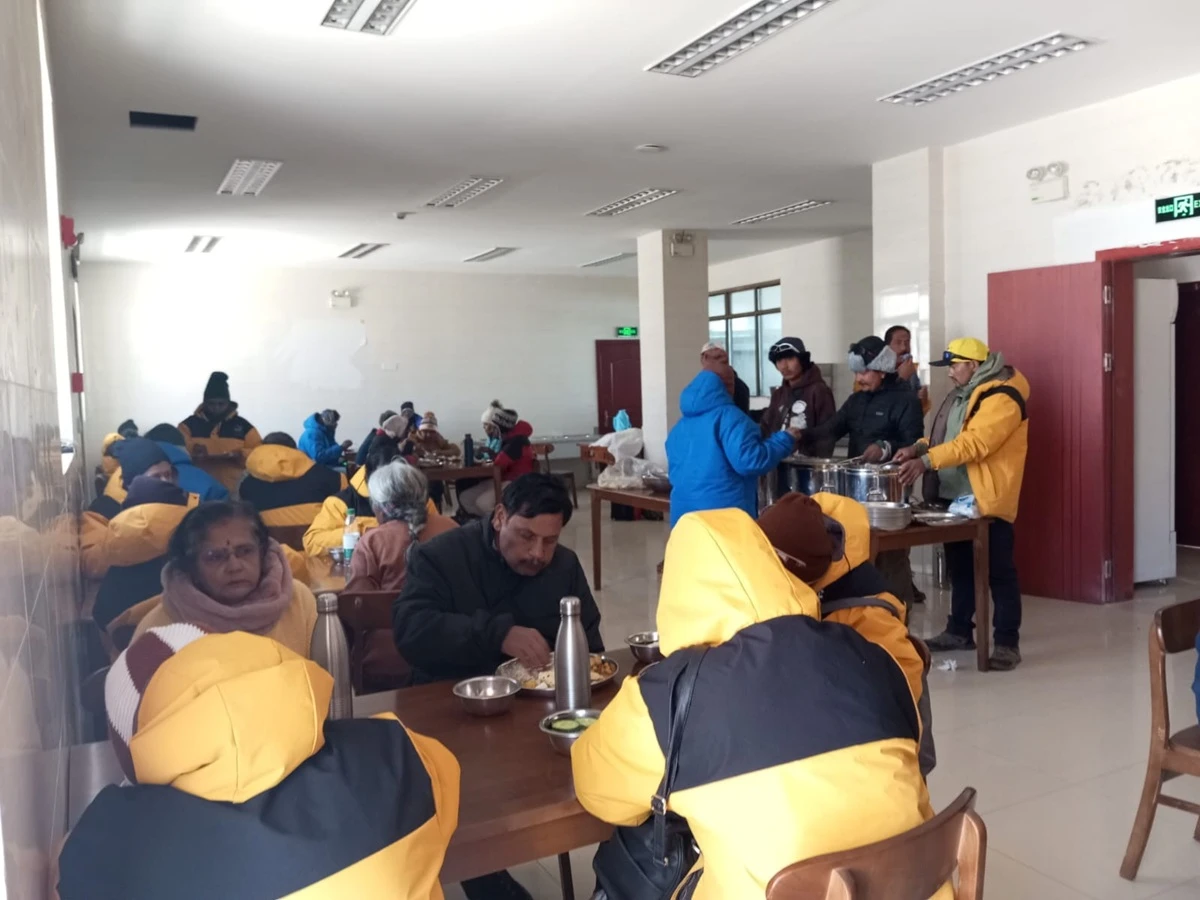
This Kailash Mansarovar Yatra package is also known as the Pure Satvic Veg Meal Kailash Mansarovar Yatra and is specially designed for Indian pilgrims and NRIs who wish to have vegetarian meals throughout their religious pilgrimage. We will have our own kitchen and kitchen staff traveling along with the group, who will cook fresh Indian cuisine daily, which includes Puri-Bhaji, Roti, Rice, Dal, Vegetable curry, Khichdi, tea, etc.

We can also make arrangements for you as per your pure Sattvic food dietary restriction by providing meals without onion and garlic (these two are frequently not eaten by Hindus in the daily Sattvic food). In case you want to be on a fast (vrat) or can't eat anything, our guides and kitchen staff will try their level best to accommodate you according to your age, condition and altitude. The all-vegetarian Kailash Mansarovar Yatra package, especially designed for Indians and NRIs, is priced only at $1500 per head for joining a group tour.

Kailash Mansarovar Yatra 2026 Dakshinamurthy and Ponnar Maniyan Darshan 

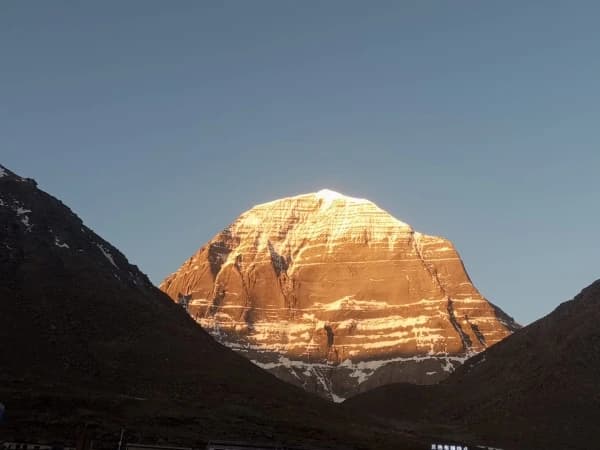
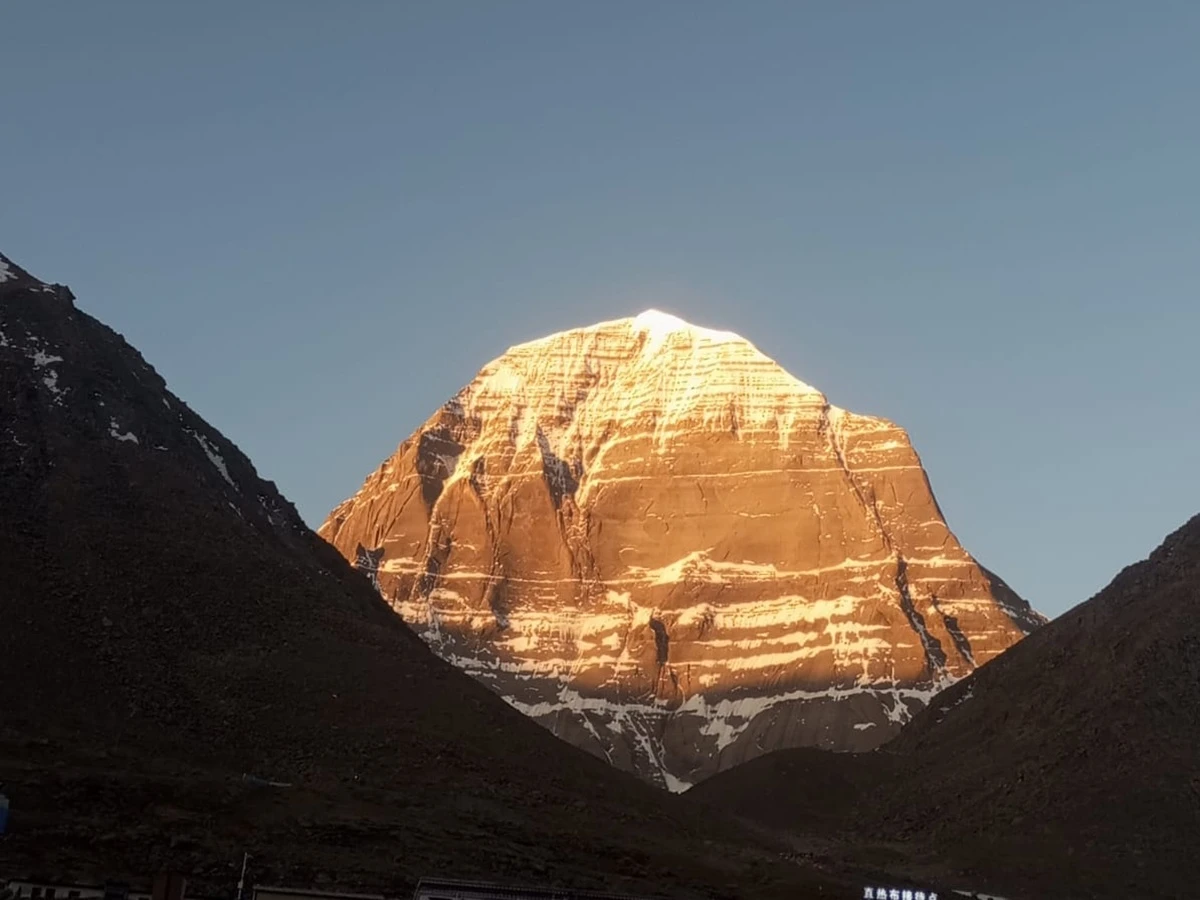
This is a spiritual experience to have for Hindu Pilgrims from India as well as for NRIs who journey to Kailash Mansarovar. There is nothing more divine and memorable in a Kailash Mansarovar Yatra than the Ponnar Maniyan Darshan. It is observed during sunrise and sunset, where the sun is at its peak, and the first rays of the sun hit the snow-covered face of Mount Kailash, thus giving it the "Golden Kailash" appearance. Most people believe that Lord Shiva's "Golden Appearance" is from heaven. It is one of the most spiritually rewarding experiences which cannot be explained by words. One witnesses such a divine vision at its peak, where black rock, white snow, and golden sunlight create a spiritual and heavenly vision, and a lot of pilgrims often become emotional with such heavenly views while listening to "Om Namah Shivaya" or silent prayers and making an offering.

As part of the Kailash Mansarovar Yatra, you will get to witness the holy southern face of Mount Kailash. Hindus believe that this particular face of the divine mountain represents Dakshinamurthy, which is the Adi Guru manifestation of Lord Shiva. In Hinduism, Dakshinamurthy represents infinite knowledge, concentration, and spirituality. During the time that you stand looking at the face of Kailash, pilgrims will most probably pray to Lord Shiva to guide them, give them mental peace and bless them with freedom from ignorance. The Darshan (vision) is often a spiritual experience for many Indians and NRIs, as Lord Shiva is perceived to be the divine, eternal guru, whose silence conveys infinite knowledge to His faithful devotees.

Quick Fact

Ponnar Maniyan Darshan

Dakshinamurthy Darshan

Symbolizes

Divine Blessings

Shiva as Guru

Associated With

Golden Kailash View

South Face of Kailash

Best Time

Sunrise & Sunset

During Kailash Darshan

Spiritual Meaning

Grace & Purity

Wisdom & Knowledge

Popular Among

Indians & NRIs

Hindu Pilgrims

Main Practice

Prayer & Chanting

Meditation & Prayer

About Kailash Mansarovar Ashtapad For NRIs and Indian Passport Holders

The term 'Ashtapad' translates to 'Eight Steps,' considered very holy in Jain mythology. In Jainism, Ashtapad represents the eight stages towards spiritual freedom. Ashtapad is intrinsically linked to the Kailash Mansarovar region and, according to Jain lore, it is the site where Lord Rishabhdev (the first Jain Tirthankara) attained 'moksha'. Some texts also envision it as a heavenly mountain that has eight distinct terraces or levels ascending to Kailash.

The Ashtapad visit forms an integral part of the Kailash Mansarovar Yatra itinerary for both NRIs and Indian passport holders. However, it is not an accessible site in itself. One can view it or gain indirect access only when and if permitted by Chinese officials. In fact, pilgrims may hire a local jeep service from Darchen (at an additional cost of around RMB 500-650 per person) in order to obtain a nearer 'darshan' point. The drive is extremely scenic with panoramic views of the mighty Mount Kailash and carries a sacred aura with it, combining earthly beauty with divinity. All access is at the sole discretion of Chinese authorities and the given permissions.

Full 2026/ 2027 Notice about Charan Sparsh (Touching The Feet Of Mount Kailash Ie Shiva’s Resident)

Charan Sparsh means 'touching the feet' of Mount Kailash, which is believed to represent the physical form of Lord Shiva. Traditionally, Charan Sparsh refers to the highly arduous trek on high altitudes, from Dirapuk towards the North Face of Kailash; however, lately, access to this area is severely restricted by the Chinese/Tibetan authorities.

Charan Sparsh is the ritual where one undertakes the holy pilgrimage, by attempting to walk from Dirapuk Monastery (approx. 4900m), towards the base of the North face of Mount Kailash (around 5-7km depending on interpretation), as close as one physically can, and pay homage. It is considered the nearest 'darshan' to the divine peak, since climbing Mount Kailash is entirely prohibited.

2026 / 2027 Official Situation (Important Update)

The ritual of Charan Sparsh cannot currently be incorporated as an integral part of the 2026/2027 trekking schedule. The Chinese authorities do not allow any further excursion beyond the specified border point located near Dirapuk owing to risks associated with geographical instabilities, high altitude problems, environmental protection rules, etc. Hence, tour operators cannot include it in their confirmed itineraries beforehand.

Current Itinerary Policy

We clearly inform every pilgrim that Charan Sparsh is not a part of the original package. Numerous batches in the past (including those of recent seasons) were prohibited from proceeding further to the Charan Sparsh point, and for that matter, this activity has been excluded from the list of confirmed items of our itineraries.

If Permission Is Granted in Future

If permission is granted by Chinese authorities for future trekking seasons, it will be:

  • Optional and purely permit-based.
  • Subject to clear weather conditions and the guide's discretion.
  • Possible only from the side of Dirapuk (a brief trek of about 2-3 km on each side)
  • Very demanding considering altitude level (5200m+ approx) and terrain.

Present-day experience

As of now, pilgrims are able to offer their prayers and view the holy North face of Kailash from Dirapuk from the designated fixed boundary, which is currently the nearest point accessible to Mount Kailash, which most pilgrims consider the spiritual substitute to the actual circumambulation.
Itinerary

Kailash Mansarovar Yatra for Indians and NRIs 12 Days Itinerary and Cost 

The 12 Days Kailash Mansarovar Yatra itinerary is an amazing trip with strict acclimatization starting from Kathmandu with a blessing at the holy Pashupatinath Temple, then entering Tibet from the Kyirong route. A great planned pilgrimage trip continues at high altitude in Tibet, gaining altitude gently from one place to another.

This trip is managed by View Nepal Treks with a skillful Nepali Sherpa Guide on the Nepal part, and both Nepali and Tibetan guides on the Tibetan part to make it hassle-free. Price is starting from $1500 per person and can also be tailor-made.

Trip PlanExpand all

On the first day of the tour, you will arrive in Kathmandu at Tribhuvan International Airport. Your tour representative will receive you at the arrival exit. Upon check-in at the hotel in Thamel or Lazimpat, you visit the temples in the afternoon.

First, you will visit Pashupatinath Temple, located beside the Bagmati River, the most sacred Lord Shiva temple in Nepal. It is advisable to carry your passport as you will be checked at the gates. You will get to see cremation rites being performed on the ghats, sadhus covered in ash and evening aarti with drums, bells and fire.

Next, you circumambulate the clockwise kora around Boudhanath, the largest Himalayan Buddhist stupa. The sound of prayer wheels fills the air. Later, in the evening, you will go back for a group meal of dal-bhat-tarkari and rest in your hotel.

Nepal Visa Information for Indian citizens

There is no visa required for Indian citizens travelling to Nepal; all you require is a valid Indian Passport or Original Voter ID Card for air travel. For air travel to/from Kathmandu, an Aadhaar card and a Driving Licence will not be accepted. All non Indian passport holders can avail a Nepal visa on arrival or apply online prior to arrival.

Nepal Visa Information for NRI Citizens

Non-resident Indians and foreign passport holders will be able to get a Nepal Tourist Visa on arrival at the Tribhuvan International Airport, Kathmandu, generally. All NRI and foreign citizens will pay the fee on arrival. Charges as of now are roughly $30 for 15 days, $50 for 30 days and $125 for 90 days (subject to change as per the government). Travelers are required to have 6 months of valid passport, a passport-size photo, and the appropriate visa fees on hand.

China Group Visa for Tibet

The original Indian passport should be deposited through an authorized tour operator to the Chinese Embassy in New Delhi; usually, 5-7 working days are required to process it. For non Indian citizens to enter Tibet, one will need 7-8 working days in Kathmandu to submit the original passport and visa application through a tour operator.

Max Altitude: 1,400 m Meals: BreakfastAccommodation: HotelDuration: 4 - 6 hoursDistance: Local sightseeing (approx. 15–25 km)

After having your breakfast at 7:30 AM, you will meet your guide by 9:00 AM for permit fees at a certain center. Please bring your passport and 6 photographs (passport size). Your licensed operator will process the Tibet Travel Permit (TTP) once you arrive in Tibet. As an Indian citizen, you cannot apply for the permit yourself.

This includes the required Yatra briefing on altitude profiles, driving times, toilet realities on the trek, the Diamox dosage, the oxygen policy and emergency descent procedures. Be present for the entire duration of the briefing. Families that take it lightly after this get into a panic at the very scenarios explained in this briefing.

Your guide then leads you to the 4th-century stone carvings at the ancient Vishnu temple of Changu Narayan and the actual Tibetan Buddhist monastery at Kopan, where you will learn about the culture of the rituals you'll witness in Tibet.

After the exploration, you will return by 5 PM. Prepare your gear for the following morning. Try to get to bed early (9:30 PM) and sort your pack carefully, main duffel versus day-pack with water, snacks, Diamox, sunscreen, documents, etc.

View Nepal Treks Message Note: Mountain Flight (Optional Tour)

Traveling with a mountain fly over some of the highest mountain peaks on the planet is one of the great sights that we could offer during an optional fly tour. The mountain fly takes off around 06:30 hrs from the domestic airport in Kathmandu and offers spectacular views of Mount Everest and many other towering snow-capped peaks. You should book your seat on the mountain fly as soon as possible to ensure that you will be able to experience this optional fly tour, because there are limited seats available according to demand.

Max Altitude: 1,400 m Meals: BreakfastAccommodation: HotelDuration: 5 - 7 hours sightseeingDistance: Local travel (approx. 20–30 km)

Today, you will drive from Kathmandu to Kyirung. You'll have breakfast at 6.30 AM, and the vehicles will leave at 7.00 AM. Your journey takes the road to the north through the Trishuli River Valley, where a quick glacial river flows through jungle canyons. From Dhunche and above, rhododendron forests take over the mountains, and road conditions worsen drastically. Make sure you have your travel sickness tablets.

At the Rasuwagadhi-Kyirong border, clear Nepalese customs, then you'll walk on foot over the Friendship Bridge to the Chinese customs and entrance. You should have your Tibet Travel permit. Do not take pictures of border posts, Chinese military infrastructure, etc.- they are grounds for immediate revocation of your permit.

Your Tibetan guide will greet the group on the Chinese side of the border. You switch to Chinese-registered Land Cruisers; Nepalese vehicles cannot drive into Tibet. The town of Kyirung is not what most people expect. Located at 2800 meters, it sits in a lush, pine-forested valley, quite unlike the desolate plateaus that lie in store. 

You stay in a simple Chinese hotel. We eat thukpa and vegetable stir-fry for dinner. Drink 3-4 liters of water today, no alcohol from here on.

Max Altitude: 2,800 m Meals: Sattvic Veg Breakfast - Sattvic Veg Lunch - Sattvic Veg DinnerAccommodation: Guest HouseDuration: 7 - 9 hours drive with border crossingDistance: 150 - 160 km

Acclimatization is very important during this tour, and this day is used to adjust your body to the changing altitude.

After breakfast, your guide takes us for a slow walk along the Gyirong River, passing mani stone walls inscribed with Om Mani Padme Hum. Witness locals circumambulating the monastery in the morning-quietly, slowly, leisurely.

By the afternoon, you will take a short walk to Milarepa Cave, a sacred site 2-3 km away from town through the pine forest. This cave is a natural rock formation; the butter lamps burn beside Milarepa, Tibet's famed 11th-century poet-saint, and your guide will inform you about his path from sorcerer to Buddha.

Max Altitude: 3,300 m Meals: Sattvic Veg Breakfast - Sattvic Veg Lunch - Sattvic Veg DinnerAccommodation: Guest HouseDuration: 2 - 4 hoursDistance: 3 - 6 km

It's a very steep climb out of Kyirung as the road winds in switchbacks. In just 20 minutes of an uphill walk, the landscape changes from the forest to barren land. There's brown gold plateau grassland stretching to an impossible horizon, and the sky is a color of blue that I haven't encountered at sea level.

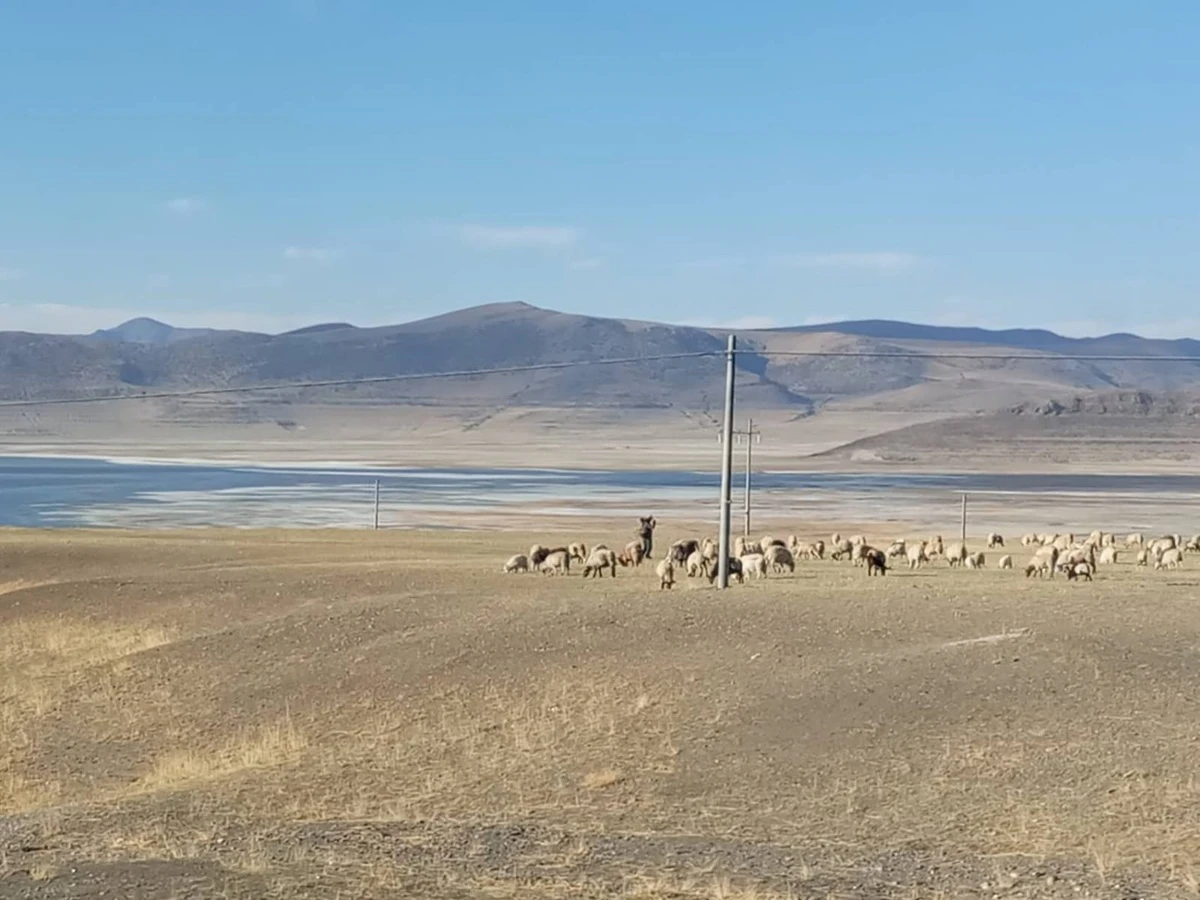
You are on the Tibetan Plateau (Changtang), at an average elevation of over 4,500 m. By the side of the road, you will see Tibetan antelopes (Chiru), wild donkeys (Kiang) galloping in herds, and nomadic herders' camps of black yak-hair tents and yak herds.

You will arrive in Saga at 4450 m on the Yarlung Tsangpo River. You will feel the effects of altitude an hour after arriving. Mild headaches, lack of sleep, and lethargy will come on. Nausea, vomiting, and shortness of breath at rest should not occur; immediately inform your guide if they arise. 

Your accommodation will be in a basic Chinese guest house. You should bring your own toilet paper, have a light dinner, drink plenty of water, and get to bed early.

Important Acclimatization Note

Now that you are in a high-altitude region, it is normal to experience some mild symptoms like headache, tiredness, or sleep disturbances. To help yourself acclimatise better, remember to drink a lot of fluids, be it water, soup, tea, coffee, or juice, throughout the day.

Max Altitude: 4,450 m Meals: Sattvic Veg Breakfast - Sattvic Veg Lunch - Sattvic Veg DinnerAccommodation: Guest HouseDuration: 6 - 8 hours driveDistance: 170–200 km

Today is the longest driving day, 507 km through a flat, open plateau. The drive towards the west in the morning is immense, silent, and humbling. You climb a number of high passes where your Tibetan guide will start your group on the ritual chant, "Lha Gyalo!" which means "victory to the gods!"

Paryang (4,558m) will be your food and fuel stop. Try some Po Cha, the salty yak butter tea. Made with Yak butter and salt, you've never tasted anything like it, but it is calorically rich and will warm you to the core.

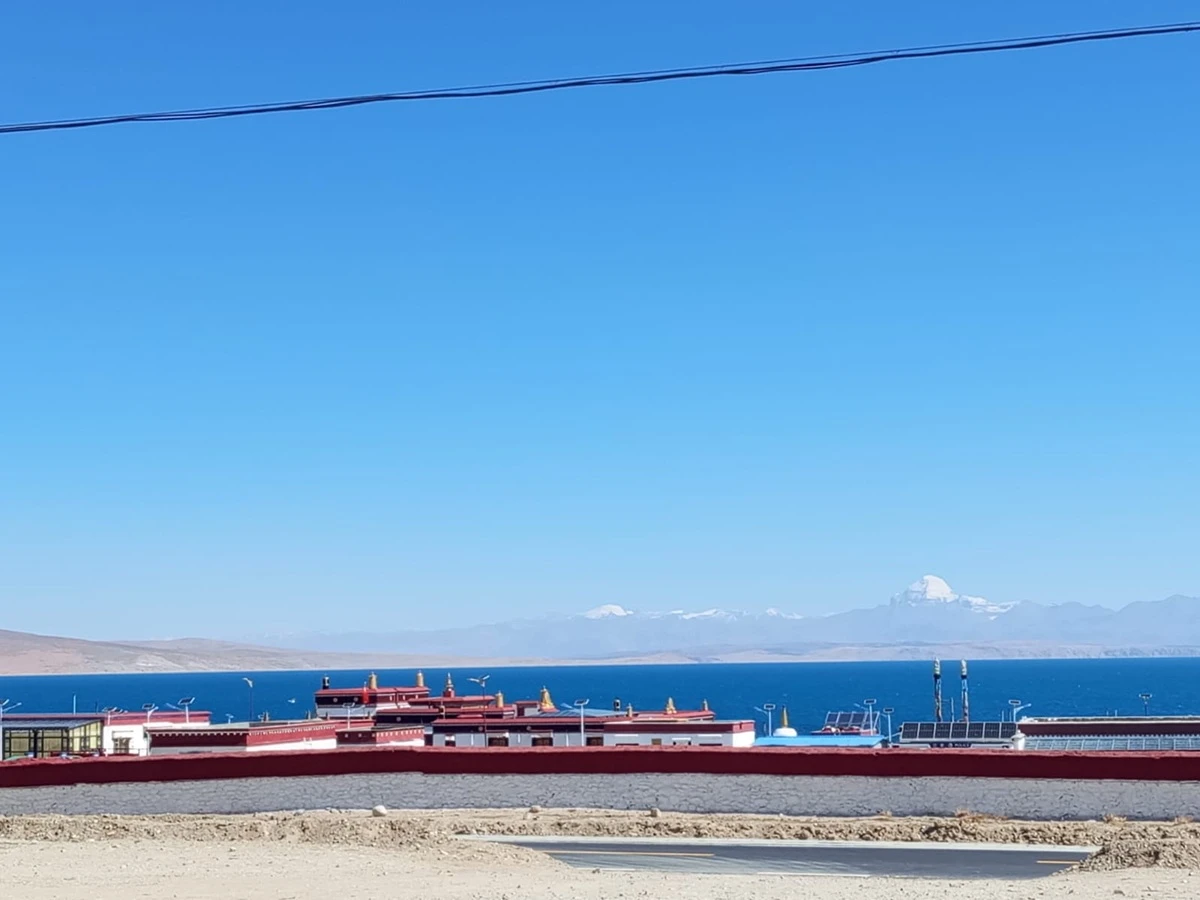
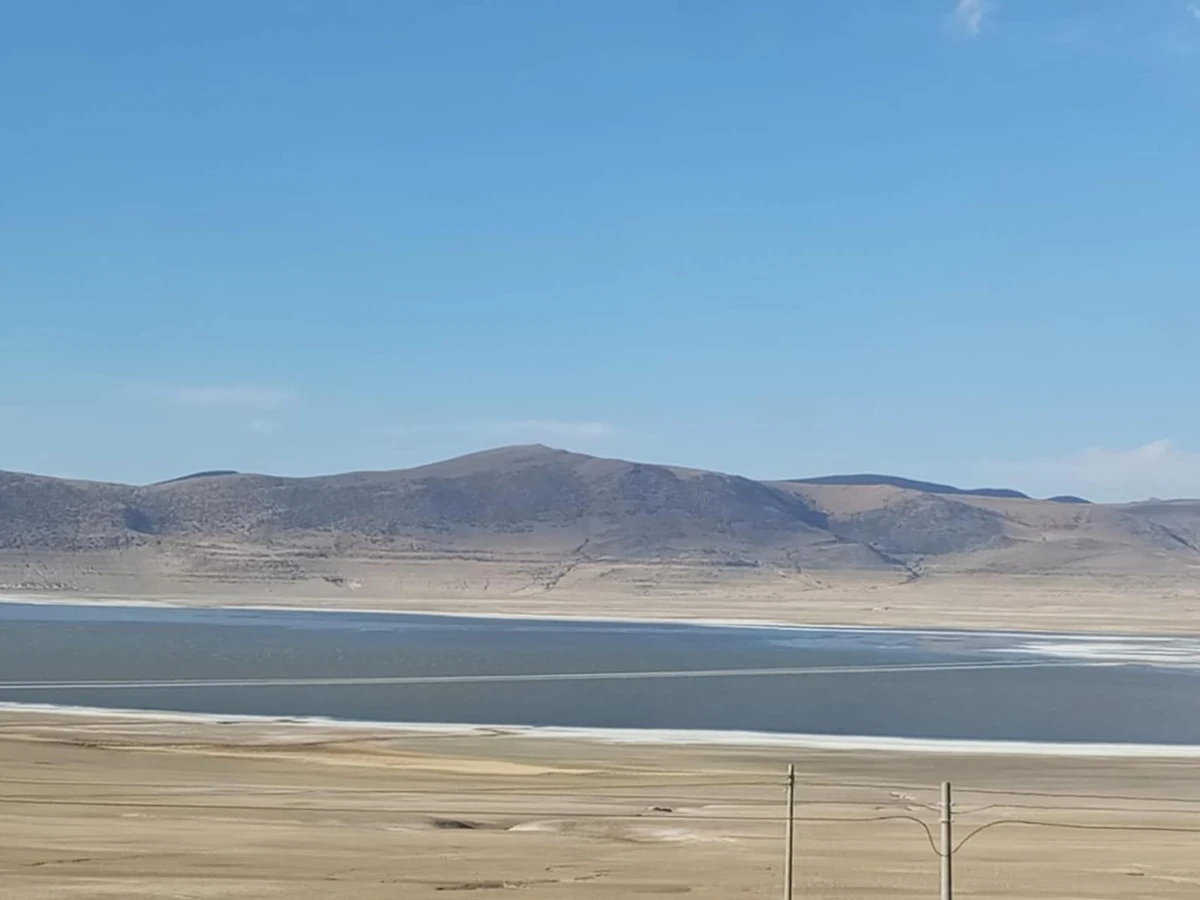
As the day draws to a close, the road slopes gently away, and without warning, there it is: Lake Mansarovar, or Mapam Yumco, a 320 sq km stretch of crystalline water, cycling through hues from deep navy through turquoise to silver. 

To the northwest, the stark white peak of Mount Kailash floats on the horizon. Almost every pilgrim cries at this point: don't feel shy about doing likewise. 

Your guesthouse is crude: simple rooms, shared squat toilets and no shower. Use a sleeping bag suitable for at least minus five degrees centigrade. Eat an early dinner and get some sleep: the ceremonies begin before dawn.

Lake Mansarovar Visit at Night

Tourists might like to visit Lake Mansarovar at night to enjoy the tranquility of the place under moonlight. At night, though it is completely safe, it is advisable to go in a group. Nepalese Sherpas would also be a good choice to accompany for better help if possible. Warm clothing or a blanket is advisable as the temperature is too cold. Do carry a torch and a whistle for safety.

Max Altitude: 4,590 m Meals: Sattvic Veg Breakfast - Sattvic Veg Lunch - Sattvic Veg DinnerAccommodation: Guest HouseDuration: 8–10 hours driveDistance: 450 - 500 km

You will wake up at 4:30 AM and venture into the pitch dark, mountain cold (4,600m a.s.l.)! Without the artificial light pollution of a city; Milky Way graces us with her presence across the sky, reflected on the still lake surface.

At 5:15 AM, we walk to the lake surface for morning puja, Achamana, Sankalpa, Pushpanjali, and holy dip. The temperature of the lake water is between 4 °C and 12 °C. Walk in, submerge and walk out. The shock of the cold is extremely severe at such high altitudes. The feeling is different from person to person!

Return for a hearty breakfast of butter tea, tsampa porridge and fried bread, following the valley dip. Around 9:30 AM, the convoy drives the remaining 40 kilometers north to Darchen, where you get your first unobstructed and full view of Mt. Kailash - with its four-faced summit pyramid in full glory rising in precise geometric form over surrounding hills.

Spend the rest of the afternoon repacking your day trekking backpack, renting trekking poles and finding porters for aged members of the family. Go to bed early and get some rest as the Parikrama commences at 7:00 AM tomorrow.

Max Altitude: 4,670 m Meals: Sattvic Veg Breakfast - Sattvic Veg Lunch - Sattvic Veg DinnerAccommodation: Guest HouseDuration: 1–2 hours driveDistance: 40–45 km

At 6.00 am, you have breakfast, so that everyone has time to prepare for the day ahead. By 7.00 am, you meet outside, and the holy Kora round Kailash starts.

The path goes west-northwest through a wide valley. On the right side, the south face of Kailash, an untouched triangle summit in morning golden light, is your traveling companion. Walk slowly.

After a short hike, you will arrive at Tarpoche Flagpole: a gigantic pole draped in huge prayer flags, replenished at the Saga Dawa festival each year, surrounded by mani-stones and past pilgrims' worn boots.

The path goes north into the Lha Chu Valley; the west side of Kailash is right on top of you, a massive, smooth, horizontal wall of dark rock that rises sheer up and above you. You will go past Chukku Monastery, which clings to a cliff shelf, and here, you will stay for 20-30 minutes to spin the prayer wheels and go in to see the chapel. 

The Dirapuk Guesthouse (5,000m) comes after 5-6 hours of trekking. Behind it, the north side of Kailash presents itself, the gigantic curved wall of ice and rock rising virtually vertical directly above you. Most pilgrims see this as the spiritual highlight of the whole Yatra.

Important Notes for Day 1 of Kailash Parikrima

Trekking participants who may not be comfortable continuing with trekking may opt to take a chance and proceed towards Yam Dwar and return to the hotel at Darchen. A hotel room can be arranged in Darchen upon request from the guide. The additional costs for the hotel and additional arrangements are to be borne by the participant.

Optional excursion from Darchen:

An optional excursion towards Ashtapad is arranged on request from Darchen. This would require trekking 3 km back, as vehicles are not allowed by Chinese regulations. Permission is subject to the local authority, additional payment has to be paid to the Tibetan guide.

Charan Sparsh from Dirapuk:

3 km (one way) trekking at an altitude of 5,475 m from Dirapuk, which goes to the base of Mt. Kailash. This can be decided after talking with the guide and considering the weather and safety conditions. Not part of the package.

Max Altitude: 5,080 m Meals: Sattvic Veg Breakfast - Sattvic Veg Lunch - Sattvic Veg DinnerAccommodation: Guest HouseDuration: 5–6 hours trekDistance: 18–20 km trekking

The most difficult day of the Yatra is today, but for many it will also be the most rewarding. Following an early 5:00 am breakfast, you head back to the trail with a 6.00 am departure. You then make a 550m climb of loose rock, snow, and sharp switchbacks. At this altitude, 100m requires definite conscious effort. There will be frequent pauses.

Approximately halfway up the trail is Shiva-tsal-a point at which pilgrims leave a personal token in a symbolic gesture of dying. The ground is layered with centuries of offerings such as hair, photos and clothes.

Prayer flags cover Dolma La Pass (5,630 m). Leave your own prayer flags and say Lha Gyalo! There is a nice overview of the summit of Kailash from this position, as well as the frozen Gaurikund Lake (said to belong to the goddess Parvati). You are only permitted 20-30 minutes at the pass by your guide, if the weather is clear. When asked to return, do so at once.

The trail down to Dzong Chu Valley is steep and punishing for the knees. Use your walking sticks for support. Arrive at Zuthulpuk Guesthouse (4,790 m) in the mid-afternoon. The most difficult part of the Yatra is finished.

Important Note (Dirapuk - Schedule Change)

If you do not wish to carry out the trek from Dirapuk to Zuthulpuk, you have the option to retreat to Darchen. Then stay there overnight. You will have to inform your guide beforehand for this arrangement to be made.

The arrangements will be made by the guide if you ask for them. You have to meet all additional expenses in Darchen, such as lodging and food.

Max Altitude: 5,630 m Meals: Sattvic Veg Breakfast - Sattvic Veg Lunch - Sattvic Veg DinnerAccommodation: Guest HouseDuration: 8 - 10 hoursDistance: 18–22 km

At 6 AM, we will wake up and get ready for the last part of our Kora. By 7 AM, we leave for the last 4 km to Darchen, and this will complete the full 52 km Kailash Kora. Our pilgrimage came to a very satisfying conclusion.

The last stretch takes you through the wide eastern valley, slanting down to the south. As your silent company, you'll see the east face of Kailash on your right, which consists of dark sedimentary layers and snow.

You enter Darchen through the same gate you left from a few days ago. It all came full circle. Let yourself have some space to say your prayers individually and enjoy this simple, human act of just sitting down. You will arrive in Saga by early evening and get hot food and an early bed.

Max Altitude: 4,670 m Meals: Sattvic Veg Breakfast - Sattvic Veg Lunch - Sattvic Veg DinnerAccommodation: Guest HouseDuration: 1 - 2 hours trek + 8 - 10 hours driveDistance: 4 km trek + 450 km drive

The breakfast is at 7:00, and the vehicle leaves at 7:45 as the travel continues. The Parikrama, the sacred ritual, has been performed. Today's drive starts to bring us down the mountain as we gradually leave the roof of the world.

This drive brings us back down the same plateau road. The same grassy plains; the same cairns on the high passes; the same wild animals; they're all seen from the back end this time, rather than being completely alien and overawing, they feel familiar.

Keep your eye out for Tibetan foxes; they can be observed at their burrows or in astonishingly still, alert poses close to the road, and keep a watch for the griffon vultures with enormous wingspans. Keep an eye out for the Tibetan gazelle in gold-pale herds near the road.

As the vehicles plunge into the Kyirung Valley, it's instant and real. The landscapes suddenly change, and colors become brighter. The pine forest below the plateau level looks unrealistically green after 8 days of brown.

Kyirung feels like returning home gracefully. It's the same hotel where you stayed on Days 3 and 4. The shower is really hot. The bed linens are clean.

Tonight's meal is meant for celebration. It will lead to the recounting of stories: those who cried at Mansarovar, those who nearly gave up before Dalma-la, and many more. Reconfirm border documents with your guide, then go to sleep.

Max Altitude: 4,450 m Meals: Sattvic Veg Breakfast - Sattvic Veg Lunch - Sattvic Veg DinnerAccommodation: Guest HouseDuration: 6–7 hours driveDistance: 170–200 km

After a 6:30 AM breakfast, the group piles back into the vehicles and hits the road at 7:15 AM for the drive to the Nepal-Tibet border. The route takes you through the magnificent Kyirung Valley for the last time in what is the very last overland stage of this amazing pilgrimage.

At Rasuwagadhi, the cross over takes place in reverse, out of China, a walk across the Friendship Bridge, stamp into Nepal and then transfer back into the Nepal-side vehicles. The whole process can take anywhere from 1 to 2.5 hours.

The first hour driving down through the Bhote Koshi Gorge hits you with the full force of returning to a lower altitude. You will then arrive in Kathmandu in the late afternoon.

Max Altitude: 2,800 m Meals: Sattvic Veg Breakfast - Sattvic Veg LunchDuration: 7 - 9 hours drive with border crossingDistance: 150 - 160 km
Unable to locate what you're seeking?Reach out to our travel experts.
Customize Trip
Cost Details
Includes

Accommodation

  • Hotel and Guesthouse accommodation throughout the trip based on the itinerary.
  • Twin Sharing and Group Sharing basis for rooms.
  • Comfortable hotel stay in Kathmandu, Kyirung, Saga and Darchen.
  • Basic guesthouse stay during the time of Kailash Parikrama.

Private Transportation

  • Private Tourist Vehicle for the whole trip.
  • Kathmandu to Kyirung border & return vehicle.
  • Tibet overland transportation as per the itinerary.
  • All ground transfer in pilgrimage time.

Tibet Travel Permits & Entry Documents

  • Tibet Travel Permit.
  • Tibet Trekking Permit.
  • All local travel permission for the Mount Kailash region.
  • All routes permit for foreigner traveler.

Professional Tibetan Guide

  • English-speaking licensed Tibetan guide.
  • Guidance of the whole Tibet tour.
  • Assistance at the border and on the pilgrimage route.

Sightseeing & Entrance Fees

  • All sightseeing mentioned in the itinerary.
  • Entrance fees for monasteries and pilgrimage sites are included in the itinerary.
  • Entrance fees for the Mansarovar and Kailash region permit are based on the visit.

Breakfast, Lunch and Dinner

  • Breakfast throughout the tour innTibet is included.
  • All meals are vegetarian and Himalayan-based with local taste.

Kathmandu to Border to Kathmandu Transport

  • Transportation from Kathmandu to Rasuwagadhi / Kyirung Border.
  • Return transport from the Tibet border to Kathmandu.
Excludes

Lunch and Dinner in Kathmandu

  • Lunch and dinner are not included in Kathmandu
  • Travelers will have to arrange their lunch and dinner by themselves.

Travel & Medical Insurance

  • High altitude travel insurance.
  • Travel and medical insurance covering emergencies.
  • Helicopter evacuation insurance.
  • Personal accident insurance.

Porter, Yak & Horse Service

  • Porter can be hired during the Kailash Parikrama time.
  • Yak hire in Kailash Parikrama time for luggage.
  • Horse ride on trekking sections.
  • Porter hire roughly: 400 RMB/day.

Rescue and Emergency Evacuation

  • Helicopter rescue service.
  • Emergency evacuation cost.
  • Transportation cost of medical treatment.
  • Medical fees for hospital or doctor, if needed.

Personal Expenses

  • Personal shopping
  • Other snacks and drinks, bottled water, etc.
  • Laundry cost.
  • Phone call and internet service charges, etc.
  • Tips for guides, drivers, and staff.

Unforeseen Situations Extra Cost

  • Landslide / road block / natural disaster / political restriction / border closure.
  • Permit delay/change of route.
  • Extra accommodation charge due to weather or transport delay.

China Visa Fee (If Applicable)

  • Chinese visa charges from the home country if applied.
  • An additional embassy charge based on nationality.

Single Supplement Charge

  • An additional amount for a single sharing room on request of the individual.
Essential Information

When is the Best Month To Visit Mount Kailash Mansarovar Yatra?

As the extreme altitude and severe Tibetan Plateau conditions only allow the Kora to be done within a limited window, it is extremely essential to be clear about which month would be the safest to choose.

May - The Season for a Holy Start

May marks the beginning of the pilgrimage season as the snow starts to melt and the path opens to pilgrims. While the weather is still a little cold, the climate remains stable, which makes it an excellent month for any pilgrim.

June - The Perfect Blend of Weather and Tranquility

June is a peak month for this sacred trip as it offers one of the most enjoyable weather conditions. With cool and pleasant conditions during the Kora and clear skies, it is a sought-after month for spiritually inclined pilgrims and also for organized tour groups.

July - Monsoon Shadows (Tibet Unaffected)

While the Nepal side gets impacted by the monsoon in July, the terrain of the Tibetan Plateau remains mostly dry, with sporadic showers possible. The scenery around the pilgrimage route becomes intensely green and dramatic this month.

August - A Mix of Weather

August might bring a mixed weather profile, although traveling remains comfortable, and there could be sporadic influence from monsoon clouds. Pilgrims will find fewer crowds than usual around the Kora.

September - The Month of Supreme Clarity

September is perhaps the most desired month for this pilgrimage, as visibility is at its absolute peak, with the weather on the Kora being extremely stable and pleasant.

October - Last Chance for the Sacred Journey

The Kora is still possible in early October as long as there is no snowfall. The temperature, however, starts dropping quite rapidly, and by the middle of October, snow starts to fall across the region.

November to April - The Season of Extreme Winter

This is a completely closed season, and no pilgrimage can be organized during these months as the region gets covered by thick snow, making it impossible to travel through.

Fitness and Age Suitability Guide for Indian and NRI Pilgrims

The age group is not a real limiting factor for the Kailash Mansarovar Yatra; rather, it depends on the physical fitness, endurance and ability to adjust to high altitude. The average altitude for the Yatra will be more than 4,500m and will reach the Dolma La Pass (more than 5,600m), which could cause even physically fit people to struggle with reduced oxygen levels. However, most tour organizers suggest an age limit of 18 to 70 years. Exceptionally fit older people may be accepted after submitting detailed medical reports.

Age Group for Yatra

For people between 18 and 65, it is generally easier to complete the Yatra, as they can usually recover well from the effects of high altitude. People aged 65–70 years can apply with extensive medical records, an ECG report, and a doctor’s certification. Applicants over the age of 70 will only be accepted in exceptional cases based on thorough examination and the route taken for the Yatra.

Fitness Requirements for Safe Travel

A minimum level of physical fitness is necessary to endure long walking days of 5–8 hours on rocky ground. Walking and stair training (light aerobic exercise) are strongly advised 2 to 3 months prior to your departure. Good lung capacity and a stable blood pressure level are of utmost importance to adapt to the environment where oxygen is reduced.

Health Conditions to Be Careful About

In addition to those listed below, certain other conditions, such as diabetes, severe respiratory problems and other cardiovascular issues, require consultation with a physician regarding the ability to perform this sacred Yatra. Heart problems, hypertension (high blood pressure), and lung issues might all become more pronounced at higher altitude and make walking on the trail unsafe. It's important to provide your physician with an honest assessment of your overall health so they can accurately evaluate your fitness to participate in the Yatra.

How to Prepare Physically and Mentally for Kailash Yatra?

Physical Preparation

  • You should begin doing some walking (5-10 KM) at least 6 - 8 weeks prior to your Yatra.
  • Include stair climbing in your training regimen to build your leg strength for the ascents.
  • Do some light cardiovascular-type exercise (running, cycling, brisk walking).
  • Practice some breathing exercises (pranayama, etc.) in an effort to learn how to better control the oxygen in your body.
  • Build stamina by gradually increasing the distance of your walks, rather than suddenly trying to run a long distance.
  • Try to arrive in good physical and emotional condition, if possible.
  • Make sure you have had a complete physical evaluation, including heart evaluation, blood pressure, and an oximeter check, before making any travel arrangements.
  • If possible, you should also train your body to be able to walk in cold weather conditions.

Preparing Yourself Mentally

  • Remember that the altitude will slow you down.
  • When you are in remote areas, you should be prepared to stay in basic accommodations with simple meals.
  • Be psychologically prepared for the extended travel and for the chance of not having stable weather conditions.
  • Practice being patient and accepting delays or changes to your planned route.
  • Remember that you have a purpose and that is spiritual in nature, rather than looking at the journey as a physical challenge and therefore having no purpose.
  • You need to remain calm when you are fatigued or are experiencing a shortage of oxygen.
  • By becoming educated on proper AMS recognition techniques, you will be able to eliminate your fears about being at high altitude.
  • Keep a positive attitude and trust your guides.

Traveling with Discipline

  • Always follow your guides' directions, 100% of the time.
  • Walk slowly, hydrate often, and be conscious of how your body feels when it has been overworked.
  • Do not compare your speed to anyone else in the group.
  • Do not treat acclimatization days as a delay in your training; treat them as part of your overall preparation for a challenging event.

Visa and Permit Requirements for Kailash Yatra (Indians vs NRIs)

Kailash Mansarovar Yatra falls in the Tibet Autonomous Region of China; therefore, one cannot enter this place without a valid China Visa and multiple Tibet permits. All these permits are arranged by a certified Kailash tour operator and differ slightly for Indians and non-Indian passport holders.

For Indian Passport Holders (India Route via Nepal)

For an Indian Yatri, the Chinese individual visa cannot be acquired and is a group Chinese visa that one obtains at Kathmandu from the concerned tour operator once all documents have been submitted to him/her.

One will also require the following permits:

  • Chinese Group Visa- Necessary. One can acquire this from Kathmandu through the tour operator.
  • Tibet Travel Permit- For entering Tibet, this is arranged by the Tibet tourism bureau.
  • Alien Travel Permit- For sensitive parts like Mt. Kailash and Mansarovar.
  • Military Permit- For the west borders of Tibet.

Note: these permits are arranged through the Kailash tour operator; one cannot apply for the China group visa and other permits on their own.

For NRIs (Foreign Passport Holders)

For NRIs, the permits will depend on the route to be taken:

Via Nepal (Kathmandu route)

  • China Group Visa: One can obtain this at Kathmandu from the tour operator on the same grounds as Indian nationals.
  • Tibet Travel Permit
  • Other regional permits remain the same as for the Indian nationals (ATP and military permit).

Via mainland China

  • One has to obtain an individual China Tourist visa in advance.
  • Tibet Travel Permit
  • Specific permits would be the same as the one for Indians (ATP and military permit).

Regardless of whether one is an NRI, one must be part of a tour itinerary, as independent travel to Tibet is not permitted by the authorities. 

Kailash Mansarovar Yatra Accommodation (Hotels, Guesthouses & Kora Stay Experience)

Your accommodation at the Kailash Mansarovar Yatra follows an ascending scale of simplicity dictated by the rising altitude and receding civilization. From comfortable hotels in Kathmandu and Tibetan towns to very primitive monastery guesthouses near Mt. In Kailash, accommodation forms an integral aspect of the sacred Himalayan trek.

Hotels at Kathmandu & Nepal Side (Comfort Phase)

In Kathmandu, pilgrims are housed in comfortable tourist-standard hotels with attached rooms, hot showers, Wi-Fi and full board. Acclimatization, briefings, and the permit process are conducted at this phase, and it is the most luxurious phase of the entire Yatra before stepping into Tibet.

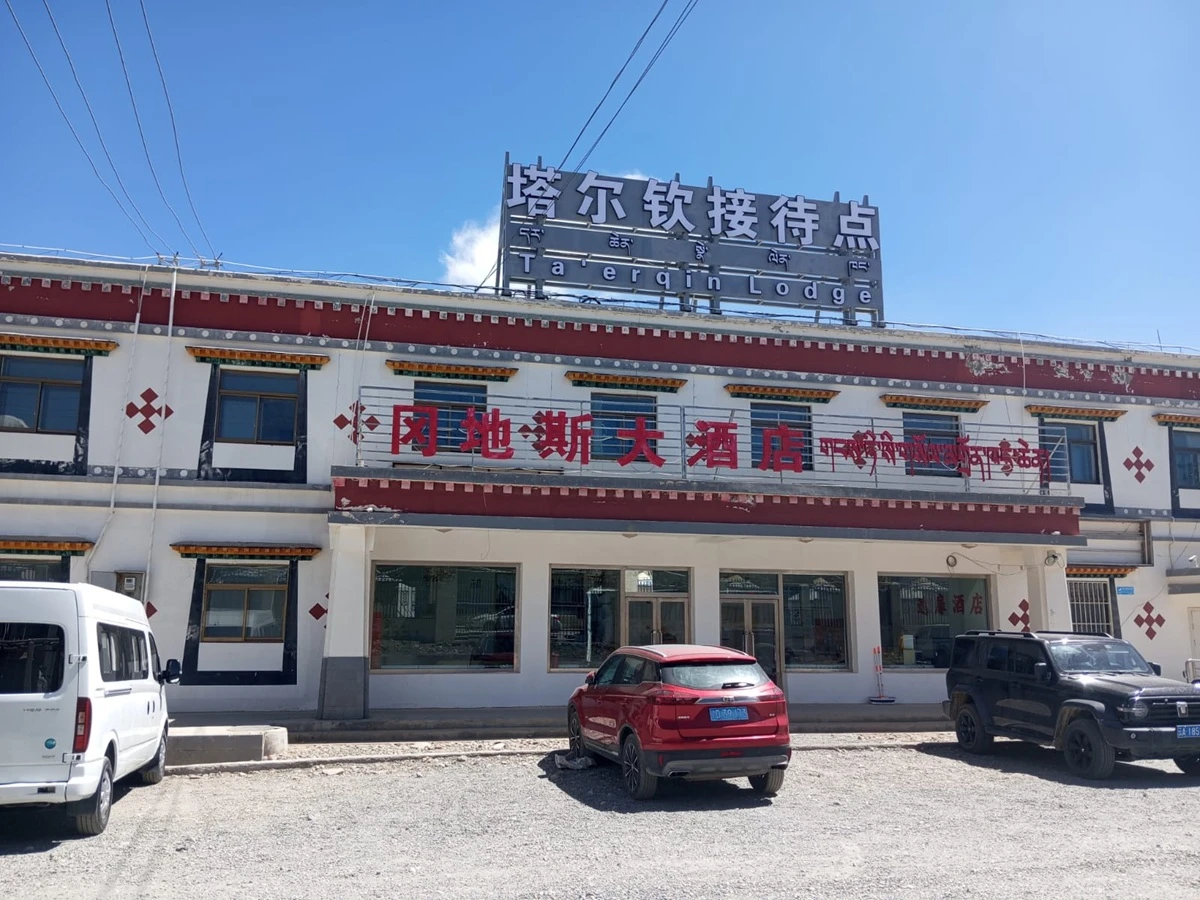
Tibetan Transit Town Hotels (Kerung, Saga, Darchen)

At the transit towns of Kerung and Saga, after crossing the Tibetan border, basic hotels with essential amenities are allocated. These come with attached bathrooms and limited heating arrangements, shared on a twin-room basis. Saga is an important stop for acclimatization at its high altitude of 4,500 m.

Lake Mansarovar Stay (Spiritual Base Camp)

At Lake Mansarovar, on the shores of the lake (altitude 4,590 m), pilgrims are put up in very basic guesthouses with attached or shared bathrooms and simple bedding. Simple meals, fixed meal schedules, and limited heating are found at these accommodations. Spiritual rituals, meditation and lake parikrama can be experienced here.

Accommodation at Darchen (Base Town of Kailash)

The hotels available at Darchen are clean but offer basic facilities, similar to those found throughout Tibetan towns, and serve as a base to relax before and after the Kora at Mt. Kailash.

Kailash Kora Guesthouses (Dirapuk & Zutulpuk)

The accommodation during the three-day, two-night-long Kora, or circumambulation of Mt. Kailash consists of very basic guesthouses at altitudes between 5,080m and 4,790m, with no heating facilities in monastery guesthouses or shared dormitory-style accommodation. The Yatra is therefore carried out in very basic comfort.

Meals During Kailash Mansarovar Yatra (Complete Food Guide)

The food on the Kailash Mansarovar Yatra is primarily vegetarian, simple, and meant to provide ample energy required at such extreme altitudes (4,500m–5,600m+), where digestion becomes slow, and oxygen is limited. The objective is not gourmet cuisine, but rather nourishment to help you stay warm, hydrated and energetic.

Food in Kathmandu and on the Nepal Side (Comfort Zone)

Food will be served in hotels in Kathmandu. Hygiene and varied menus are ensured. Only breakfast will be included in your hotel stay in Kathmandu.

  • Breakfast: Tea/coffee, bread with butter/jam, porridge and eggs (vegetarian options are available upon request).
  • Lunch and Dinner: Rice, dal, vegetables, roti (Indian flatbread), paneer, soup, noodles.
  • On demand, the tour operator can provide Sattvic vegetarian meals (without onion/garlic).

The food in Kathmandu aims at making you energetic to be able to face the challenge ahead.

Food during the Travel to the Border Region (Travel Food)

During the long journeys to the border and back, the food served is simple to prepare:

  • Packed lunch boxes (which consist of roti, sabzi [vegetables], and pickles).
  • Tea breaks and small snacks (fruits, biscuits, etc.).
  • Hot beverages/energy drinks (especially useful during winters).
  • Food is prepared as per the daily plan and available facilities during your travel.

Food on the Tibet Side (Kerung, Saga, Darchen)

The food during this phase is usually prepared by your operator’s chef or at guesthouses:

  • Breakfast: Porridge, toast with butter/jam, tea and noodles.
  • Lunch: Rice, dal, vegetable curry, fried rice and noodles.
  • Dinner: Soup, roti, mixed vegetables, dal and hot drinks.
  • Vegetarian food can be served without onion/garlic upon request.
  • Tea and hot water will be provided throughout your stay.

Food at Lake Mansarovar (The Sacred Zone)

The food in the vicinity of Lake Mansarovar is quite basic, considering the remote location:

  • Simple, hot vegetarian meals.
  • Rice, dal, soup and boiled vegetables.
  • Tea and hot water to keep you hydrated.
  • During this phase, your main focus is on rituals, meditation and rest.

Food during Kailash Kora (Dirapuk and Zutulpuk)

During the 3 days of walking around the Kora, your food will be very basic but sufficient:

  • Instant soup, noodles, rice and light dal.
  • Tea, butter tea, and hot water.
  • High-energy snacks such as chocolate, nuts and energy bars.
  • Cooking facilities are minimal and often unavailable at higher altitudes.

Important Food Tips for Pilgrims

  • Carry dry fruits, glucose and energy bars as snacks.
  • Always drink plenty of hot water, which is essential to avoid altitude sickness.
  • At high altitudes, avoid all rich and oily foods. Digestion will become very difficult. Instead of a large meal, have frequent small ones. Keep yourself warm. This aids digestion.
FAQs

Kailash Mansarovar Yatra is an epic pilgrimage to Mount Kailash (6,638 m.) and Lake Mansarovar (4,590 m.), a place sacred in Hinduism, Buddhism, Jainism and Bon religions. This includes a complete parikrama (Kora) around Mount Kailash.

It is a challenging pilgrimage due to extreme altitude (up to 5,600 m.), long days of walking, extremely cold temperatures, and thin oxygen. It requires both good physical condition and correct acclimatization.

The permitted age for this Yatra ranges between 18 and 70, depending on your medical condition. All pilgrims require a strong health certificate to proceed on the Yatra, especially those over 60 years old.

Yes, you might also get a bit of altitude sickness, because the altitude is so high. This can generally be mitigated by correct acclimatisation, slow walks, drinking water, and medicines like Diamox. (Consult your doctor before taking Diamox.)

Yes, many tour operators such as View Nepal Treks can customize the itineraries, with respect to days, comfort level, and the route. This depends on the size and specific requirements of your group.

AMS or Altitude sickness happens because there is a lack of oxygen about 4500mts. Symptoms include headache, nausea, breathlessness and giddiness. Medical aid includes proper walks, oxygen supply at times, and resting or descending.

The Kathmandu-Kerung route is one of the most commonly used accesses to Kailash Yatra, providing gradual altitude gains, proper acclimatisation stops, and smooth group logistics when permits are issued, making it very reliable.

The Kailash Kora covers 52 km around Mt. Kailash. It involves walking along steep paths, river crossings, climbing up the passes-the Dolma La (5,600mts+), and moving steadily through the terrains. This calls for physical stamina and mental toughness.

The professional Nepali Sherpa and Tibetan guides are well-equipped to handle high-altitude rescue operations and support you with oxygen and prompt evacuation when required. They also actively monitor the group's health throughout the Yatra.

Strictly no climbing up Mount Kailash is allowed, nor littering. There are specific directions for circumambulation of Mount Kailash. Access beyond certain regions is under the Chinese authorities.

Your bigger luggage will travel by road, while you carry your essential items and toiletries in a small day-pack during trekking days. Porters or Yaks can be hired during the kora (depending on group arrangement).

Call to our expert 24/7
Bhupendra Adhikari
+977 9851029611
travelers choice
Very well-organized professional trek with Excellent Local knowledge

This Kailash Mansarovar Yatra trip was fantastically organised and well-managed by the View Nepal Treks team. Both the Sherpa guides in Nepal and the Tibetan guides working on the Tibet...

read more +
May 12, 2026
R
Rohan Mehta NRI
- Australia
Awesome Spiritual Trekking Experience and well-planned tour

Right from being blessed in Pashupatinath to reaching the Holy Lake of Mansarovar. The tour was so well planned and executed by View Nepal Treks. Our guides were exceptionally good,...

read more +
March 10, 2026
N
Neha Desai (NRI)
- United Kingdom
Safely Managed, well-planned High-Altitude Trek.

The most well-organized spiritual pilgrimage I have ever been on. The itinerary was properly planned for proper acclimatization prior to reaching Mansarovar, then moving on to Kora with perfect planning...

read more +
September 23, 2025
A
Arjun Patel (NRI)
- United States
You May Also Like
Kailash Mansarovar tour 10 Days From Nepal At Best Price In 2026 and 2027
Kailash Mansarovar Yatra 10 Days For Foreigners
Mount Kailash Tour via Lhasa
Starting From
US$2450
Need Help? Call Us.+977 9851029611