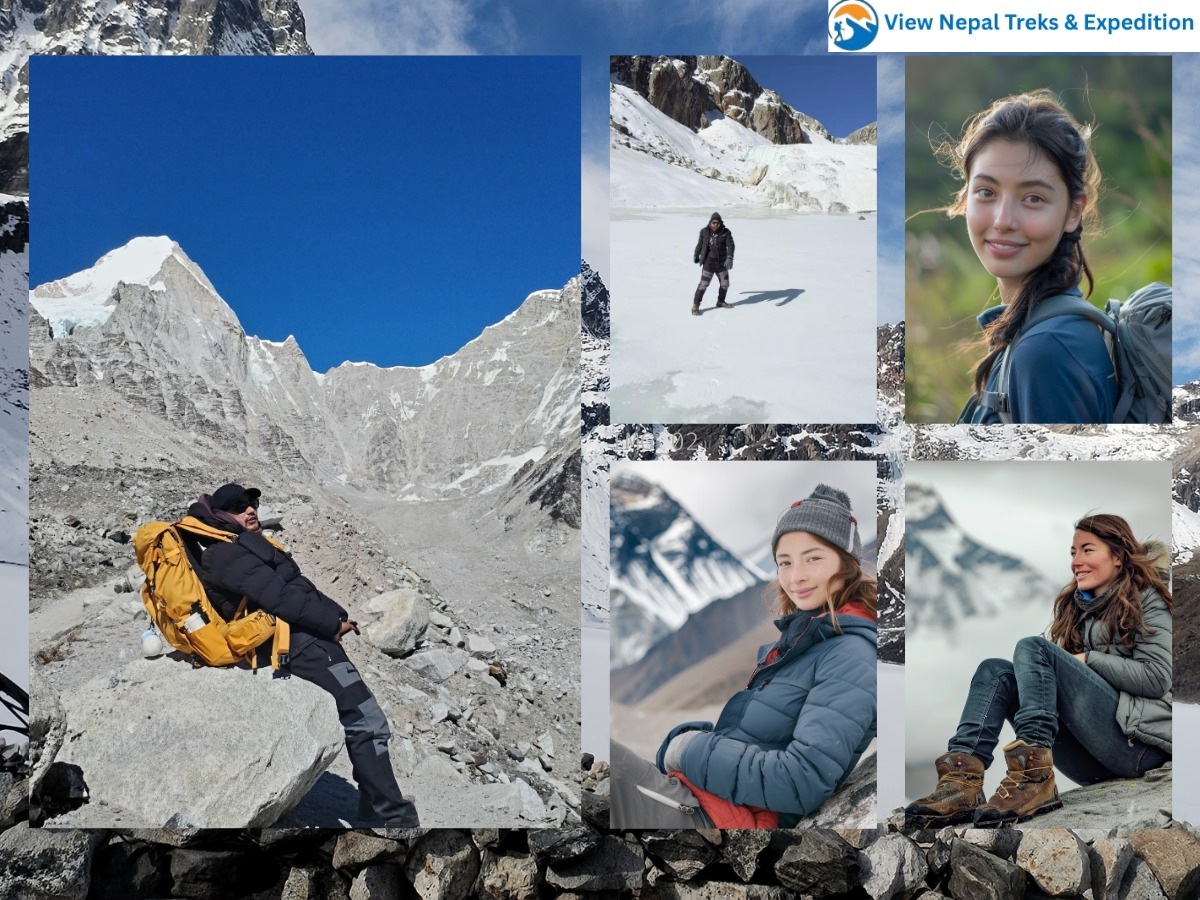
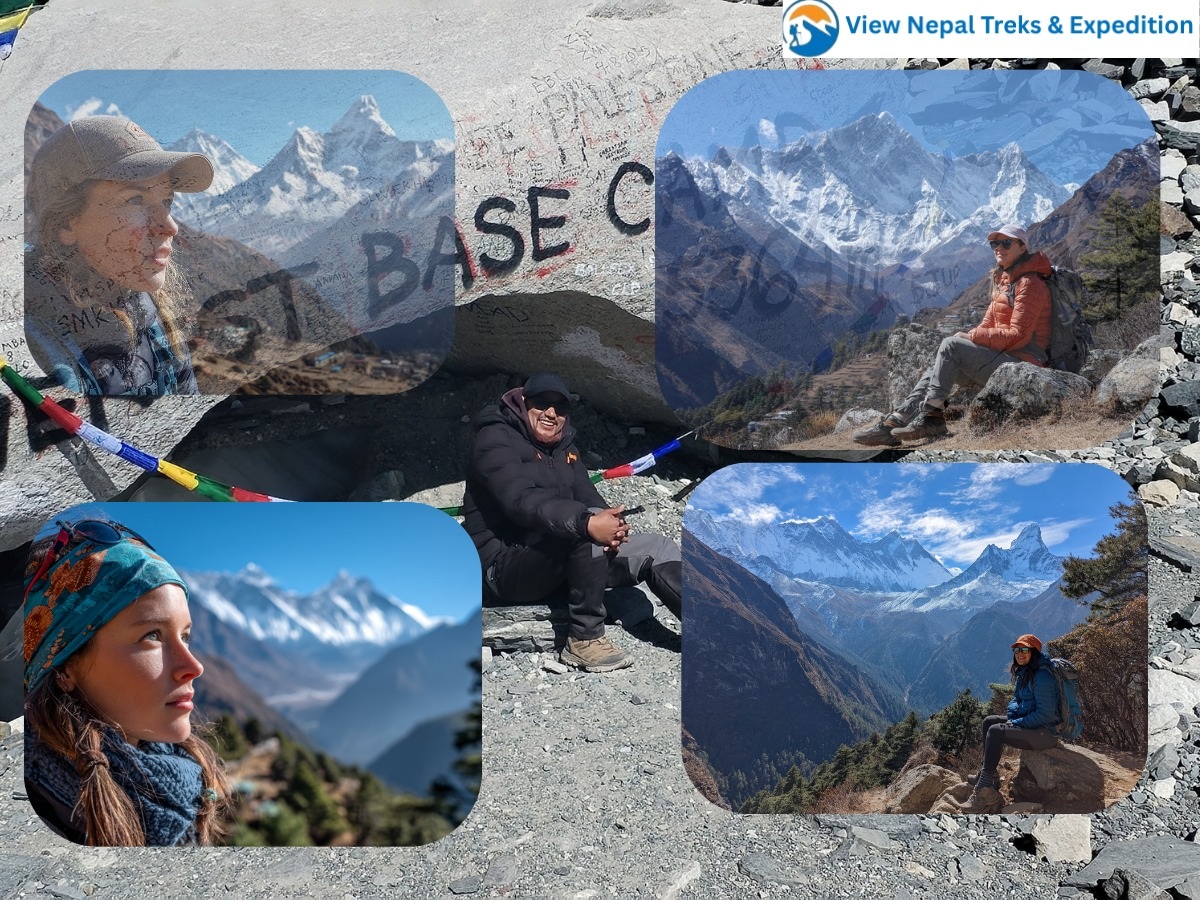
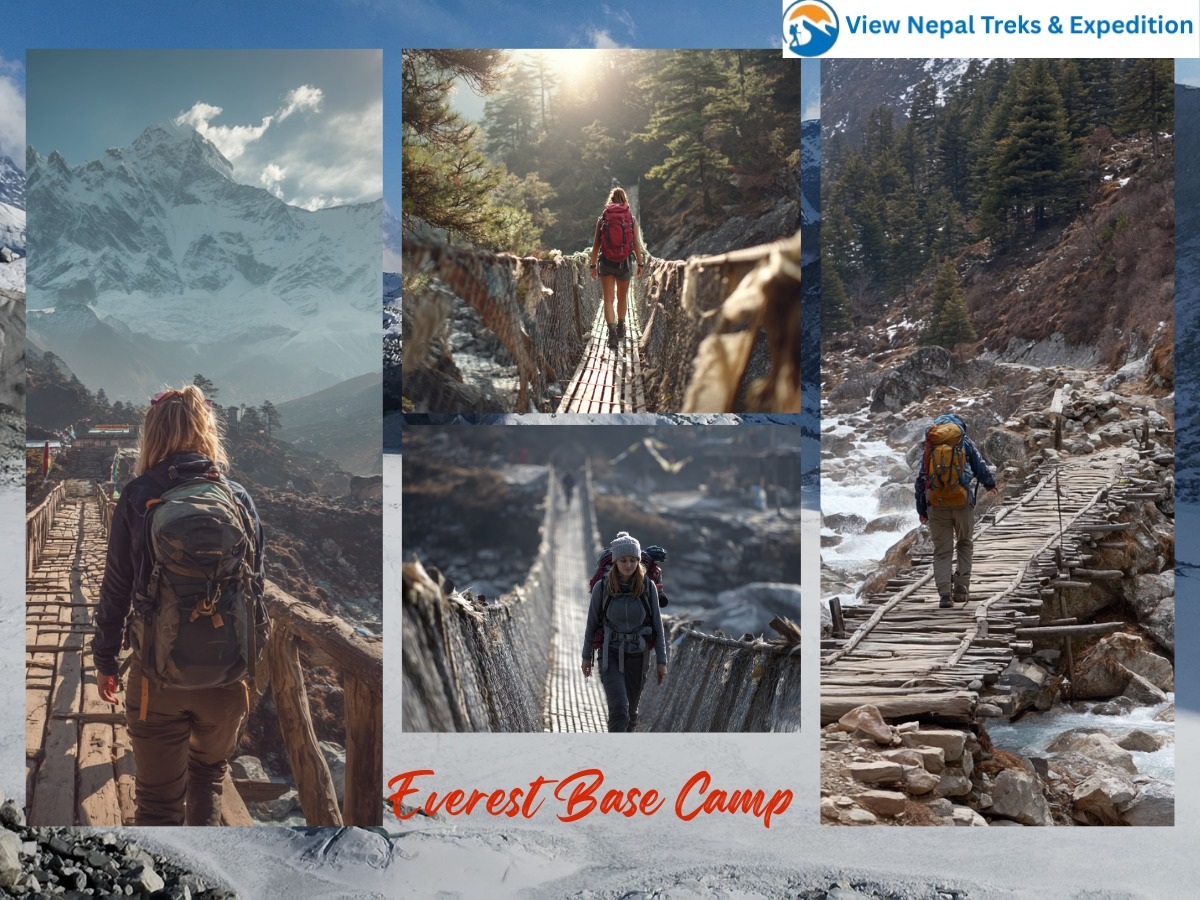
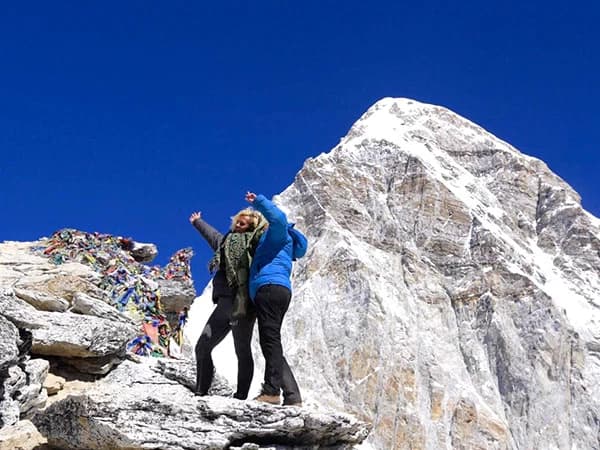
We completely understand the desire to go to Everest Base Camp. Standing at 5364 meters with the highest mountains in the world surrounding you is every adventurer's dream. That said, one of the biggest things that will determine whether or not you succeed is what you pack.
Packing is the most important part of the trek. If you forget something important, you will be suffering through it for days. If you pack too much, your knees and back will be screaming at every step. So far, we have helped thousands get ready for this incredible trip, and this is exactly what we have seen work.
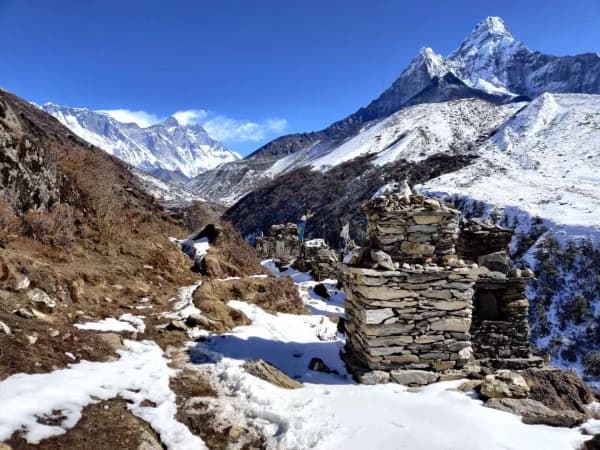
The trek to Everest Base Camp will take you between 12 and 14 days, where you will pass through villages, forests and glacial valleys. The weather is very unpredictable. One minute it will be sunny, and the next, you may get dumped on with snow. Therefore, your gear must be capable of handling whatever Mother Nature throws at you.
An adequate understanding of your route is essential for proper packing. You'll arrive in Lukla (2,860 m) and each day will take you further up, but you'll be exposed to decreasing temperatures as you gain elevation. When you arrive in Gorak Shep, what felt like warm clothing in Namche Bazaar will seem cold. Your clothing system must change.
When trekking at high altitude, weight is very important; each gram becomes critical as you are struggling for each breath due to a lack of oxygen in the air. Professionals who are trekking use the 10-15 kg packing guideline–stick to it, and your body will thank you for it later.
Essential Packing List for Everest Base Camp Trek
The right layering system, base, mid, and outer, is the most critical part of your EBC trek clothing list.
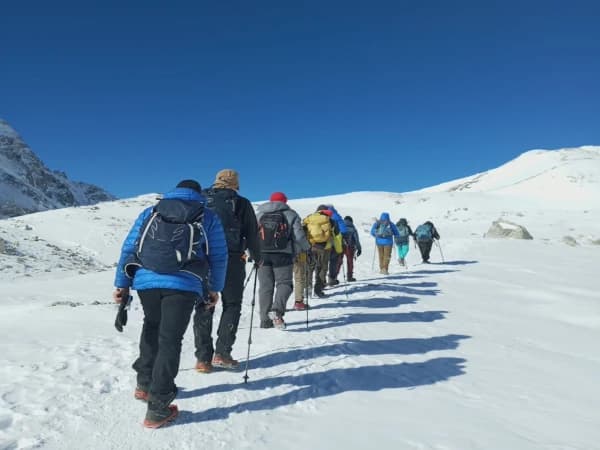
The layering system in your backpack is a key piece of equipment. When hiking, you will typically start off cold, get warmed up on the hike, and then cool down quickly when you come to a stop.
Base Layers: You should pack three long-sleeve base layers made from quick-drying, moisture-wicking material, as well as a short-sleeve base layer. For pants, pack two pairs of thermal leggings that can be used for sleeping as well as being warm while out during the day.
Mid Layers: You should have one pair of warm fleece pants to wear when hiking in the cold, and then an insulation layer (either a lighter fleece-based layer or a soft shell jacket) to provide additional warmth when needed. Additionally, you might want to consider bringing a merino wool long-sleeve shirt since it regulates body temperature very well, which can lead to comfort with repeated use.
Outer Layers: The outer layer of your clothing should consist of a waterproof shell jacket (with a hood) that protects against wind, rain, and snow, plus waterproof overtrousers/overpants to keep your lower body warm and dry while hiking at altitude.
Bottoms/Trekking pants: You will need at least two or three pairs of trekking pants that you can rotate through. A pair of trekking pants that will convert into shorts can also be helpful for the lower and warmer sections of the trail. Also, if you prefer to wear hiking shorts during the early part of the trek, consider packing one pair just for this reason.
Sleep clothing: Pack warm and dry clothing, separate from the clothing you wear throughout the day. When you sleep at a teahouse, it is usually unheated, so having separate sleep clothes will make you more comfortable and will help you recover.
Underwear and socks: Pack three to four pairs of breathable underwear, and plan to wear and rinse out items as needed. It is important to wear socks. Pack approximately eight to ten pairs of hiking socks, and a single thicker warm pair of socks, just for sleeping. Having dry socks to wear at night can make a significant difference in how warm you feel and in preventing blisters.
Insulation for Cold Evenings: At higher elevations, especially during the morning hours, at night, or when you're sitting in a tea house, it's important to have a heavy down or insulated jacket or parka. Even if you don't wear it to hike every day, you will rely on it when temperatures become cold. Find something very warm and that compresses nicely.
Footwear and Foot Comfort
Hiking Boots: Pack running boots that are durable leather, broken in, have good tread and ankle support/most importantly huge on comfort and fit/better than any other features/ and most importantly do not bring new boots to your trek.
Camp shoes: Pack lightweight sandals/crocs/other comfy shoes to wear after a long day of hiking/bring sandals or crocs that are easy to put on and get off/this makes your feet feel better the next day when you are in the tea house.
Miscellaneous Items: Bring spare shoes/lace approx/travelling with (it weighs almost nothing) can save your trek if they happen to break while you are away from a shop or the next day.
Head, Hand, and Face Protection
Sunglasses: Carry sunglasses with high UV protective qualities; in the snow, glare can be severe, and the resulting eye strain can become significant. Bring a second pair if you can.
Hats and neck coverage: When it is light outside, pack a sun hat or cap. If you are going out in cold conditions, bring either a beanie or an insulated warm hat for your head. Consider bringing a neck gaiter or buff for use to keep warm, keep dust out of your mouth and protect your neck from the sun.
Gloves: Use a two-layer glove system; use thin liner gloves for light cold weather and functionality, and add a warm insulated glove or mitten for high elevation use. If you are in very cold conditions, mittens are generally warmer for the body.
Gaiters: If you are winter walking or expect some snow wherever you are going, gaiters provide an extra layer of protection by restricting the movement of snow from building up in your footwear, and keep your lower legs insulated and dry.
Sleeping Setup for Teahouses
Sleeping bag: Use a sleeping bag rated to at least -18C to ensure that you are warm when sleeping in high-elevation villages or if you generally like to be warm while sleeping.
Liners and Pillows: Using a sleeping bag liner or blanket can increase comfort and improve hygiene/cleanliness; therefore, using a travel pillow or pillowcase can provide added comfort to your sleep, allowing for better acclimatization and recovery.
Hydration and Water Treatment
Water capacity: Drinking enough fluids is essential for optimal performance, especially when moving between elevations. Carrying two 1-liter bottles, or a hydration reservoir, should provide ample water supplies for long hikes.
Water treatment: Use purification tablets (or filter purifiers) as you fill from teahouse sources, and you will lessen your reliance on bottled water.
Optional warmth: On the coldest days and nights, hand warmers are great for keeping warm. They are very light and take up little room in your pack.
Lighting and Trail Practicalities
Trekking Poles: These help reduce stress placed on your knees while descending and provide more stability on uneven terrain. Most trekkers would benefit from using two poles.
Headlamp: A good headlamp is a must-have for early morning, loss of power, or when having to go out at night. Bring extra batteries with you, as they will use up quickly in cold weather.
First Aid and Health Essentials
Blister treatment/prevention: Ensure you have blister treatment supplies such as blister plasters, tape, and antiseptic wipes. Prevention and early treatment of blisters is critical.
Common Medications: In the case of common pain relief, your own prescription medications or any other medications you may use regularly. If you are considering taking altitude reduction medication (e.g., acetazolamide), please do so in advance with a health professional.
Sun Protection: Carry an experienced sunscreen SPF high or any other lip balm/lip. Sun exposure at high elevation can be very damaging even when it is cloudy (due to lower clouds).
Documents, Money, and Electronics
Documents: Put the documents that are required as a result of this activity (Passport, high altitude trekking insurance, emergency contacts, etc.) into a clear waterproof document holder.
Power and Charging: Bring a power bank, charging cables and the required plug adapter, as the availability of charging is likely to be limited and can also be quite expensive at teahouses. If you will be using a camera, bring extra batteries and enough memory storage.
Toiletries and Personal Care
Keep toiletries to a minimum, but practical. Bring a toothbrush, toothpaste, biodegradable soap, small towel, hand sanitiser and antibacterial wipes. Bring toilet paper; teahouses may not always provide you with this. Earplugs are helpful when sharing a teahouse with other trekkers. Packing this way provides you with the flexibility to meet the challenges of changing weather, cold nights, high sun concentration and long-distance trekking while still carrying a reasonable weight and volume for the Everest Base Camp Trek.
Never bring new boots to EBC, well broken-in, ankle-supporting hiking boots are your most important piece of EBC trek equipment.
First, pack for layers and long walking days
The Everest Base Camp trek days are chilly to start with, then warm as the day progresses due to high exposed sun; the teahouse at day's end will be cold again. For the best Everest Base Camp packing list for female trekkers, consider including as much breathable material as possible, well-fitted clothing and items able to dry in less than a day in the heated dining areas of teahouses.
Choose fabrics that wick moisture and minimize chafing as you climb and descend over many hours. Keep clothing to a simple, minimal quantity, yet plan for having two pairs of underwear and a bra for your comfort when little to no laundry can be accomplished along the trek.
Essentials for your core layers
2 or 3 base layer thermal tops and bottoms (either merino or synthetic)
2 trekking shirts (1 short sleeve and 1 long sleeve for sun protection)
2 trekking pants or leggings that do not pinch your waist
1 fleece or insulated mid-layer piece of outerwear for warmth
1 down jacket (for nighttime or higher elevation areas)
1 waterproof jacket and 1 pair of waterproof rain pants/overpants
Warm hat, sun hat, neck gaiter and 2 pairs of gloves (1 lightweight and 1 warm insulated)
Next, make sure your feet stay happy
When taking this route, your boot comfort has a higher importance than anything else. The trail can be dusty, rocky, icy, and sometimes have snow around Lobuche and Gorak Shep, so you should bring Waterproof boots that are already broken in. Also, use an air-out system of socks; a thin sock for hiking and a thicker sock that will keep your feet warm. Airing out your socks every day before going to bed is very helpful in preventing blisters; it is much easier to prevent blisters than it is to recover from one at altitude.
Footwear and foot care include:
waterproof trekking boots with good ankle support
camp sandals or lodge slippers for evenings
five or six pairs of hiking socks and one warm pair for sleeping
gaiters if you expect snow or loose gravel
and a blister kit that includes tape, hydrocolloid pads and small tube of antiseptic.
Then, plan hygiene in simple teahouse bathrooms
Facilities are basic, water is cold, and toilet paper may not always be provided. A packing list for femininity on the EBC trek should include hygiene products that are lightweight and leave you feeling fresher without showers. You should, however, pack enough menstrual products for your full trek, as the availability and selection of these products diminish as you climb higher. Keep a small pouch with a closure on your day pack for quick access during restroom stops. Bring a thin pashmina or long scarf for modesty in villages, as well as to be warm at village sites.
However, a pashmina or long scarf will also provide additional modesty during cold nighttime toilet breaks, and it can also be used to cover a pillow during cold nights.
Women focused hygiene kit
Sanitary products for the entire itinerary, plus a little extra.
And panty liners and a couple of extra pairs of underwear for comfort.
Non-scented wipes, hand sanitizer and a roll of toilet paper.
Fast-dry towel - Small soap - Travel shampoo.
High-SPF sunscreen, lip balm and something for the dry air.
Hair ties, a small hair brush and some basic anti-chafe balm.
Finally, cover sleep, bags, and safety basics
The teahouses tend to be very cold at night, so ensure that you have a good sleeping bag and a liner (to keep you warm) with enough room in them to get up during the night in case you need it. The daypack should have water, snacks, warm clothes, etc., and hold on to your valuable items; do not have them in your duffel bag. Make sure to keep your batteries warm and protect your eyes as UV exposure is a significant concern at high altitudes.
Trail essentials
Sleeping bag rated to below zero with a liner
Day pack with a 30 to 40 litre capacity and rain cover
A duffel bag for equipment that will be carried by your porter
Pants for trekking: 2 pairs (1 light-weight pair, 1 thicker/softshell).
Underwear: 7-10 quick-drying pairs (if you plan on washing).
Socks: 8-10 hiking pairs and 1 pair thick sleep/thermal socks.
Hat/headpiece: A warm beanie, sun hat, buff, or neck gaiter.
Footwear and hand protection
Boots: broken‑in, ankle‑supporting hiking boots, if possible, waterproof.
Camp shoes: trainers or sandals for the lodges.
Gloves: Lightweight liner gloves and insulated gloves or mittens.
Optional snow, scree, or mud gaiters for use in colder seasons.
Blister kit with leukotape/moleskin, spare laces and a little foot balm.
Sleep system and daily carry
Sleeping bag rated for -10 to -18 degrees Celsius (the actual comfort rating is more important).
Lightweight sleeping bag liner (to add warmth & to keep sleeping bag cleaner).
Daypack with a capacity of 30-40 L that has a waterproof cover.
Trekking poles for going downhill & to steady yourself while walking.
A headlamp that has extra batteries.
2 x 1 litre bottles of water or a 2L bladder and either purification tablets or a filter.
Sunglasses with 100% UV protection.
Toiletries, health, and electronics
Sunscreen, lip balm with SPF, hand sanitizer, moist wipes, and a small, fast-drying towel.
First aid supplies - blister care, antiseptic, band-aids, ibuprofen, antidiarrheal medication, any prescribed medication; consider having altitude medication with a medical doctor’s permission.
Earplugs for noisy hotels or lodges.
Portable battery source and charging cables along with a universal adapter.
Plastic zipper-type bags, dry bags, etc., to store and/or organize personal items, and to keep things from getting dusty and/or wet.
Small but important extras
Snacks like nuts, bars, and electrolyte powders for long stretches between stops
Microspikes for those of us going out in the icy months of the year
Passport, permits, cash in small denominations (or small bills), and copies stored in separate locations.
Packing strategy and optional items for Male Trekkers
When packing, try to place all your gear into two areas: (1) a duffel bag (commonly 10-12 kg limit) for porters and (2) a daypack for water, layers, camera, and light snacks. If you use packing cubes or colour-coded dry bags, you can simply grab the gloves or puffy jacket while you are resting.
Select merino or synthetic instead of cotton because cotton holds moisture and will leave you feeling cold. For comfort at the teahouse, you may want to add some lightweight long underwear, an extra t-shirt, and suit shorts.
Take a compact umbrella for shade and a little thermos for hot beverages if you'll be on the trail. On cold nights, you'll be glad you packed a pee bottle and some rehydration salts.
If you wear contact lenses, bring your regular glasses and some extra solution to avoid tearing because of dry air. Also, a small sewing kit and safety pins can save the straps on your bag if they rip.
Lastly, take a laminated checklist of the symptoms of altitude sickness, a simple watch, and a lightweight notebook to track your pace, symptoms, and distance traveled daily with your group.
Which is the best backpack for the Everest Base Camp trek?
From Lukla to Base Camp, your backpack carries everything on this EBC trek gear list, pack smart, pack light.
If hiring porters (the norm for most trekkers), 25-40L daypacks are fine for EBC. Self-carrying requires 50-65L, but porters keep things light (5kg daypack). Among the best backpack options are:
Osprey Talon 30
Size: 30L
Weight: 1.1 kg (2.4 lbs)
Quick facts:
Hydration compatible
Trekking pole attachment
Breathable mesh backpanel
Rain cover compatible
Osprey Talon 30 is one of the best backpacks for EBC trek as it is lightweight, breathable and ideal for 6-8 hours at altitude each day. Many trekkers enjoy the comfort on long climbs like Namche to Tengboche, etc. Adjustable harness accommodates a range of torsos, and side pockets make grabbing bottles convenient. It’s also durable for rocky trails and tops in its class for users of porters.
Deuter Futura 35
Deuter Futura 35
Volume: 35L (approx. 2,100 cu. in.)
Size and Weight: 1.6 kg/3.5 lb (approx. 1/2 lb less than standard weight in similar bags)
Some Features:
Aircontact Trampoline Style Back
Lower sleeping bag compartment
Removable rain cover
Multiple Accessibility Zippers
Many travellers have raved about this bag's ability to keep the user dry during their treks up EBC due to its ventilated mesh back and support for carrying larger weight loads of 10 kg or more on longer treks, although it may not be as fast as some other bags. There is plenty of organization for various items in the bag, and one customer remarked about how well it fit around their neck (no fitting issues) on their recent multi-day trip. Overall, it will perform well under changeable weather conditions.
Patagonia Black Hole 32L
Size: 32L
Weight: 0.8 kg (1.8 lbs)
Waterproof TPU-laminated fabric
Packs small when empty
Shoulder strap comfort
No hipbelt
Patagonia's Black Hole 32L is an ultra-light and weatherproof bag that works well for minimalistic packers on the EBC trek (Everest Base Camp). Many trekkers have had success using this pack with a porter setup, even though it does not have a hip belt; because of the comfortable fit of the pack on the shoulders, most people have reported that they were able to carry lighter weight with this pack. In this backpack you can fit all of their rain gear, fleece, and water inside their packs and that their bags held up well under rough handling and conditions. This pack works best for people wanting a casual bag to carry after the trek.
Osprey Stratos 36
Size: 36L
Weight: 1.5 kg (3.3 lbs)
Full frame for heavy loads
Hipbelt pockets
Integrated rain cover
Ventilated AirSpeed back
Osprey Stratos 36 is focused on all-day comfort and ideal for larger EBC daypacks with padded suspension. Trekkers say it’s feature-packed for extensions in Gokyo, and it accepts extra layers with ease. Excellent for beginners needing organization.
Gear and Equipment for EBC Trek
The list of equipment required for the Everest Base Camp trek will be lightweight layer items designed for variable altitudes between 2800 meters and 5360 meters, where temperatures can drop as low as -20 degrees Celsius at night. Trekking equipment that a person requires when walking to the EBC must have durability against dust, rain, and rocks, as porters will carry the heavy items in main duffel bags that are limited to 10-15 kg. Use of breathable synthetic material (not cotton) to help control the combination of the kayak and cold is very important. Most stores in Thamel, Kathmandu, will be able to rent you sleeping bags and jackets at a very low rate.
Footwear Essentials
Good hiking boots also protect against chafing on bumpy terrain. Trekking boots provide ankle support for steep descents like the one from Kala Patthar; trail runners are designed to help you haul lighter loads with porters.
Break in boots before the trek; gaiters keep snow out above 4,000m. Camp shoes such as Crocs offer comfort around teahouses. Trail runners will do 80% of the time for gaitered Reddit trekkers.
Mid-ankle trekking boots, or trail runners (waterproof).
4-5 pairs of merino wool socks (medium + liner).
2pairs thermal socks for camp.
Gaiters (winter essential).
Sandals/flip-flops or Crocs for evenings.
Upper Body Layers
The layering method traps heat going uphill and lets in cool air on sunny days. Base layers pull moisture; mid-layers retain heat; shells are for wind/rain. A packable down jacket (800-fill) is key for those early mornings in Gorak Shep. Guides suggest that 3-4 shirts are what is needed for anti-odor protection over the course of 12-14 days.
Merino base tops shine in multi-day performance sans stink. Fleece is a go-anywhere warmth; skip the bulky cotton. If you will be traveling in the monsoon, your waterproof jackets should have hoods.
2-3 moisture-wicking t-shirts (short/long sleeve)
1-2 thermal/merino base layers (top)
Fleece mid-layer jacket
Light insulated jacket (to -10°C) – down or synthetic puffies or light fleece.
Waterproof/windproof shell jacket (Gore-Tex)
Lower Body Protection
Legs take the wind chill and rain; quick-dry pants turn into shorts for lower elevations. Toasty leggings to layer under for Gorak Shep nights. Standard waterproof overpants take up little space but can transform a soggy hike.
Convertible pants are the key to going from warm and Lukla-esque to chilly and Namche-y. Fleece pants for camp lounging.
1-2 trekking/hiking pants (nylon, convertible)
Thermal base layer leggings
Waterproof overpants
Hiking shorts (optional, lower elevations)
3-4 synthetic underwear
Head, Hands, and Accessories
UV exposure increases with elevation; shield eyes, ears, and neck. Layer gloves for dexterity and warmth. Buffs multitask as a hat and a scarf.
Category 4 Sunglasses (100% UV) avoid snow blindness. Beanie to cover ears at 4,500m and above.
Duffel (60-90L) for payer; 25-35L daypack for daily carry (water, snacks, layers ~5 kg). Rain shelters need; dry bags.
Daypacks like Osprey Talon carry a 2L bladder plus jacket. Lock duffels against theft.
60-90L duffel bag (lockable)
25-35L daypack
Rain cover for packs
Dry bags (assorted sizes)
Stuff sacks
Sleep and Navigation Gear
Sleeping bags (rated -15 C or for rent) will be required with a lining (silk or merino wool) to maintain cleanliness while sleeping, as well as a headlamp for safety in power outages. Any combination of trekking poles will assist in relieving knee strain by up to 25% while trekking. Additionally, an altimeter watch will assist in tracking your elevation acclimatization.
Poles will have cork grips for added comfort and adjustability to eliminate slippage.
Hydration/Nutrition
Dehydration can contribute to the development of altitude sickness. It is recommended to bring a 3-L (11.25 cups) capacity for storing drinking water. Using purification tablets is safer than relying on untreated streams. You should have snacks to help replenish your energy when it starts to drop.
Using a Nalgene bottle and a hydration bladder will work well for your water needs, but boiling water will be slow.
2 or 3-L (8-12 cups) water bottles and/or a hydration bladder
Purification Tablets (iodine and chlorine dioxide)
Insulated bottle sleeve
Energy/nut bars (daily supplies)
Health and Electronics
First aid covers blisters, altitude meds like Diamox. Sunscreen/lip balm critical above 4,000m. Multi-tool aids repairs; earplugs block snoring teahouses.
First aid kit (blister plasters, ibuprofen, antiseptic, Diamox)
Sunscreen (SPF50), lip balm
Power bank (10,000mAh+), cables
Headphone/earplugs
Multi-tool/Swiss knife
Miscellaneous Essentials
Ziplocs waterproof documents; binoculars spot peaks. Hand warmers for summit pushes.
Passport copies, insurance
Cash (USD/NPR small bills)
Binoculars (compact)
Duct tape
This Everest base camp gear list ensures safety and comfort; test packs pre-trek. Rentals cut weight/cost for Nepal newbies.
FAQ Section
What should I carry in my daypack?
Bring along several extra warm layers (fleece and down jacket), rain gear, 2 liters of water, snacks, sunscreen, sunglasses, camera, first aid kit, toilet paper and hand sanitizer. There's a waterproof pouch inside for your passport, permits and money. Your daypack should be no more than 5-7 kg when full.
Do I need special gear for Everest Base Camp trek?
You should have a -10°C sleeping bag, waterproof boots that you have broken in, an insulated down jacket, trekking poles, and adequate base layer clothing for the hike. You will not require technical climbing gear, for example, crampons, ice axes, or ropes. All standard 4-season trekking equipment works very well for this type of trek.
What are the best trekking pants for Everest Base Camp?
You should wear quick-drying synthetic trousers designed with a stretchy fabric, preferably with a variety of pockets. Convertible zip-off trousers are also good to wear. They are useful because, as you heat up and cool down during your ascent, you can adjust accordingly. Outdoor Research's Ferrosi, Prana's Stretch Zion, and Columbia's Silver Ridge are examples of commonly used models.
What size backpack do I need for Everest Base Camp trek?
A 30-40L daypack is adequately sized for treks where porters are carrying your main duffel bag. If you are not using porters and are carrying everything yourself, you will need a 50-65L pack. Porters are typically used by most trekkers and therefore only require a daypack for the daily essentials.
Can I rent equipment in Nepal?
Yes, you can rent sleeping bags, down jackets, trekking poles, and backpacks in Kathmandu and Namche Bazaar for $1-3 per day per item; however, these items may vary in quality, so you should bring your own boots and base layers for proper fit. The best option for renting is finding bulky items (sleeping bags and jackets) rather than lightweight items.
How many pairs of socks should I bring?
4-5 sets of trekking socks (preferably wool or synthetic). One pair will be worn, one pair will be drying out, and one pair will be used if some of the previous socks haven’t dried out overnight. Try to avoid wearing cotton socks as they give you blisters, and do not keep your feet warm.
Do I need a sleeping bag if teahouses provide blankets?
Yes, you must take your own sleeping bag rated for at least -10 degrees Celsius. The teahouse blankets are not warm enough at high altitudes, where the temperatures are usually below freezing. A decent quality sleeping bag is essential for you to be able to sleep well and remain healthy throughout the trek.
What kind of water bottles should I bring?
You should take 1-litre insulated water bottles, or one insulated water bottle and one hydration bladder, so that you will have some way of carrying water. The reason for the insulated water bottles is to stop the water from freezing in cold weather. In addition, you will need to buy water purification tablets or some type of water filter, as purchasing bottled water will become very expensive and add to your plastic waste issues.
How much cash should I carry for the trek?
Bring at least 30,000-40,000 Nepali rupees (approximately $250-$300 USD) in small denominations. This amount should be good for food, lodging, hot showers, and charging fees, snacks, drinks and tips for your guides and porters. After Namche Bazaar, there are no ATMs, so bring enough cash to cover your needs for the entire trek.
Should I bring my own toilet paper?
Yes, you should bring your own toilet paper in a sealable, waterproof bag. Teahouses occasionally run out of toilet paper (especially above the treeline), so it will be good to have some just in case you need to go while using an outdoor toilet or if you need to go to the bathroom while hiking for long periods of time.