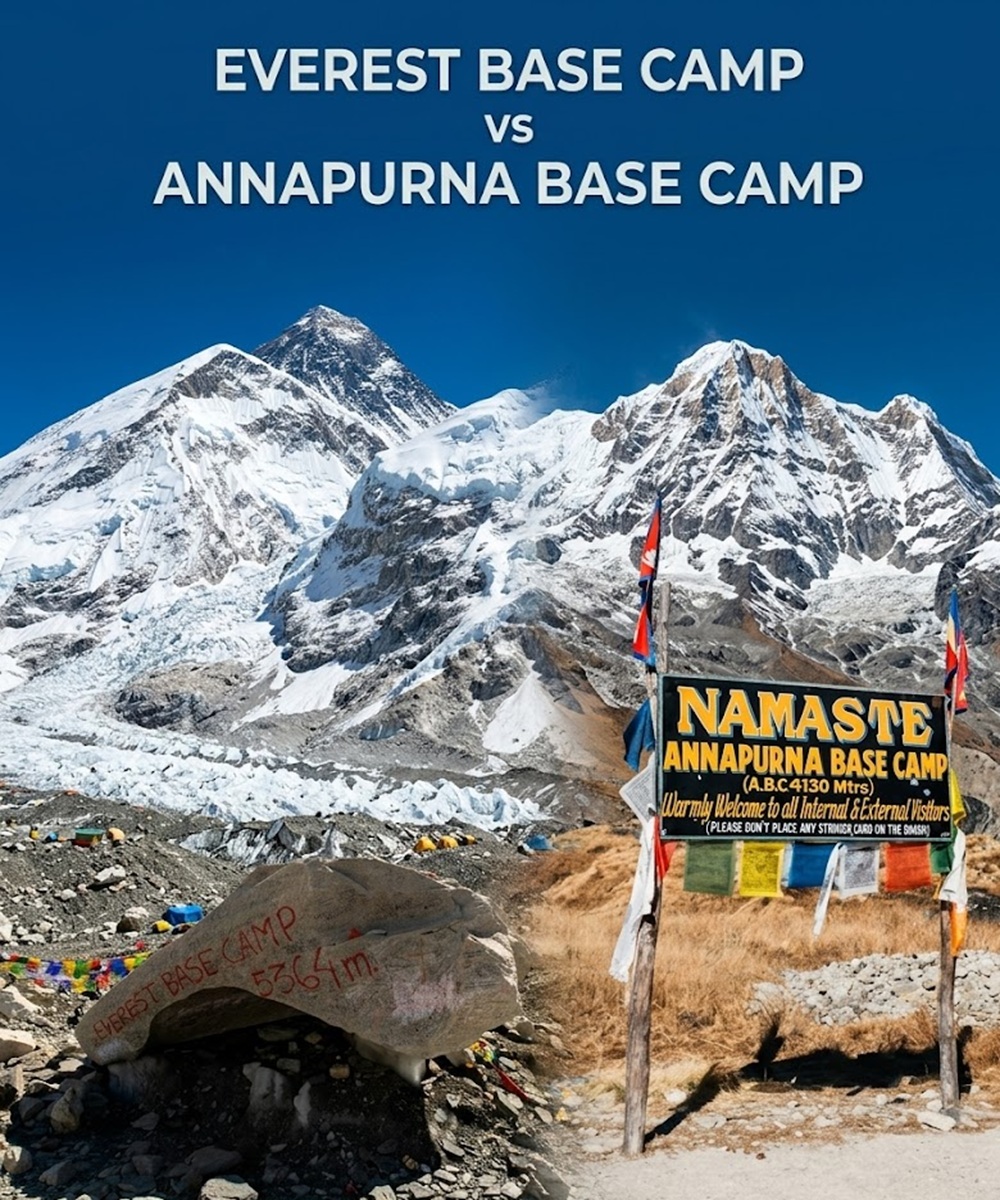
The two treks: Everest Base Camp (EBC) and Annapurna Base Camp (ABC) are both very well known as two of Nepal's biggest trekking destinations in the Himalayas, and provide the user with a different experience on their trek.
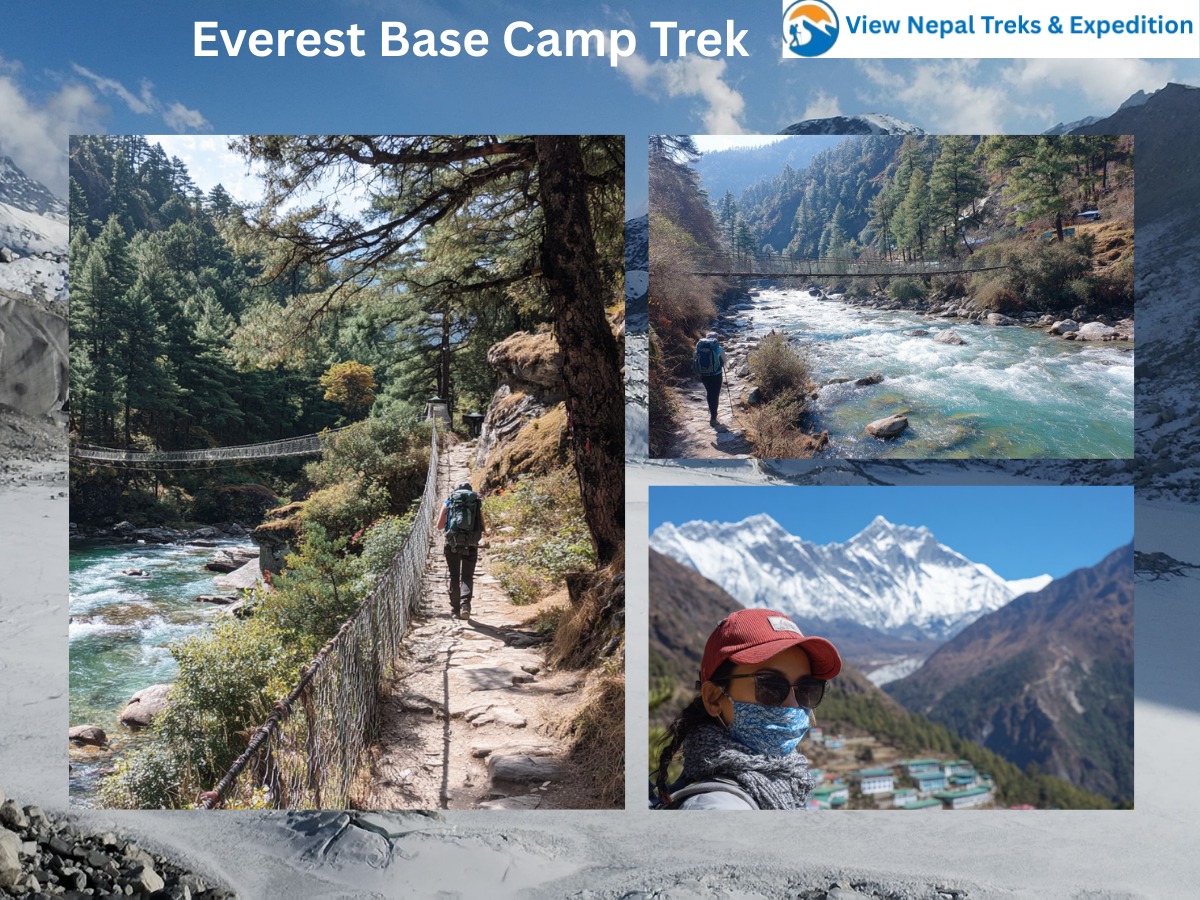
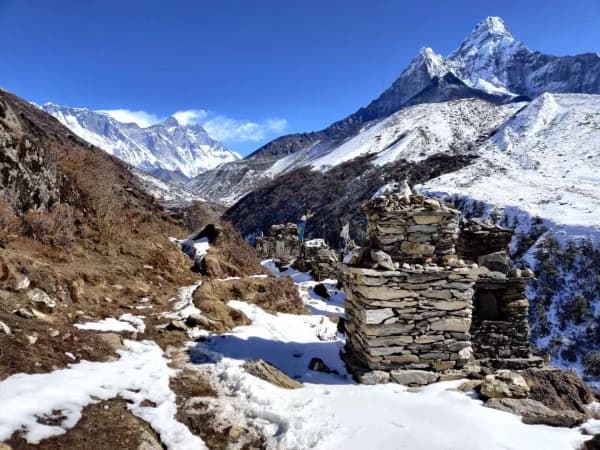
EBC is a more challenging and longer trek at approximately 5,364 m, which provides trekkers with amazing views of Everest, Lhotse, and Ama Dablam and incredible views from above. The trek can take anywhere from 12 to 14 days and has acclimatisation stops throughout, and also starts with a flight to Lukla.
The difficulty and extra costs of getting to EBC make it a much more demanding trek than that of ABC.
ABC is a much shorter trek to complete than EBC and much easier (about 7 to 10 days max), with a final ascent to about 4,130 m, and is known for its lush rhododendron forest, terrace farming, and incredible views of Annapurna 1 and Machapuchare.
ABC is easier to access than EBC (via Pokhara), meaning that the trail or route to ABC is significantly less steep than that of EBC, making ABC a much more affordable and culturally rich trek for trekkers.
Difference Between EBC and ABC Trek
Everest Base Camp is higher, while Annapurna Base Camp is lower and greener
When comparing the EBC trek to the Annapurna Base Camp trek, both trips are very much alike. They both offer world-class trekking experiences through the Himalayas of Nepal.
But when you compare the two, there are many more differences than similarities. That includes altitude, duration, challenge and scenery.
Altitude
First is the altitude. Everest Base Camp (EBC) is much higher at approximately 5,364m (17,598 ft) above sea level. Annapurna Base Camp (ABC) sits at about 4,130m (13,550 ft). So ABC has a much lower risk of altitude sickness. That makes it easier for novice trekkers to complete and enjoy their trek successfully.
The higher elevation of EBC typically requires more acclimatisation days. And it increases the possibility of acute mountain sickness (AMS). Trekkers frequently spend several nights above 4,000m (13,123 ft). ABC, by contrast, allows for quicker acclimatisation. Its peak is only 4,130m. So it requires fewer high-altitude nights. You'll feel the difference.
Duration and Distance
The time needed to complete each trek is also very different. The EBC Trek usually takes 12-14 days and is approximately a 130 km round-trip trek. ABC usually requires 7 to 10 days and a distance of about 70-80 km. So if you're looking for something with less time commitment, ABC might be the better match.
Hiking Distance and Pace
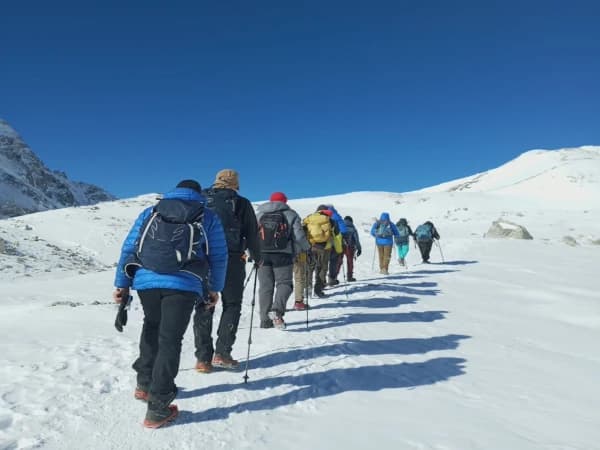
To get to the base camp of Mount Everest, you must take a flight to Lukla and then trek up to base camp (the Khumbu region). There is a significant amount of elevation gain in a short distance; therefore, you will experience long daily hikes on your trek and need to pace yourself properly so you can acclimatize to the altitude.
To reach the base camp of Annapurna, you will be transferred from Pokhara by bus to Nayapul and will ascend more gradually through forests and villages. Because the trek to the base camp of Mount Everest involves much more difficult hiking and a longer distance traveled each day, you will be hiking much longer and harder on the trek to EBC than you will be on the trek to ABC.
Teahouse Quality
You will sleep in teahouses while on both treks, but teahouses on the ABC route are more frequent and comfortable than teahouses on the EBC route because the altitude is lower and logistics are easier on ABC. There are fewer teahouses, and they are much more basic at altitudes above 4,000m on the EBC route than they are at lower elevations; the price of teahouses at higher elevations on the EBC route is also higher.
Landscape Comparison
When comparing the landscapes between the EBC and ABC treks, the scenery at EBC is primarily dramatic high-altitude landscapes (glaciers, snow-capped peaks, and rugged alpine terrain) while the landscape at ABC is much more varied (terraced farmland, lush rhododendron trees, rivers, and the amazing ring of Annapurna mountains).
Budget Breakdown: Pokhara to Annapurna vs. KTM to Everestt
Travel and Transportation Costs
To begin, when traveling to Annapurna, most people take a bus from Kathmandu to Pokhara for around $8 to $30 or fly there for about $30 to $50 and then, as a group, get from there to the trailhead through jeep or local transportation. You will not be required to have a flight to start the trek, which helps to reduce overall expenses.
On the other hand, for trekking this route to Everest, you must take a flight from KTM to Lukla for approximately $350 to $450 or more for a round trip, depending on the weather at the time. The significant difference between these two routes is the total Cost of their trips.
Permits, Guides & Daily Expenses
For the ABC trek, you'll need a combination of permits. That's the ACAP , and TIMS permits at a combined cost of approximately $45 to $55. Teahouse accommodation and meals will run you around $20 to $30 per night. And guides and porters will cost approximately $30 to $40 per day.
For EBC, the total cost of the permits is slightly higher than the ABCA trek, and the cost of food and lodging at these locations will also be higher because of higher elevations (often $25 to $35 or more a day). The daily rates for guides and porters are approximately the same for both routes; however, guides and porters may have to work longer on average and in tougher geographical conditions, so they generally receive a larger total amount paid to them.
Total Estimated Budgets of EBC vs ABC
Trekking from Pokhara to Annapurna and Kathmandu to Everest costs
Pokhara-Annapurna (Annapurna Base Camp ABC) Budget Trekking: A budget trekker can expect to spend around $500-900 total on the trek (including transportation, permits, food, lodging and a guide or porter).
Costs of Trekking Kathmandu-Everest (Everest Base Camp - EBC): Total costs are usually around $1,200-$2,000+ because of the high cost associated with flying into Lukla, the length of the trek (longer than ABC), more expensive foods and logistical difficulties as altitude increases.
Fitness and Challenges: Thin Air vs. Infinite Stairs
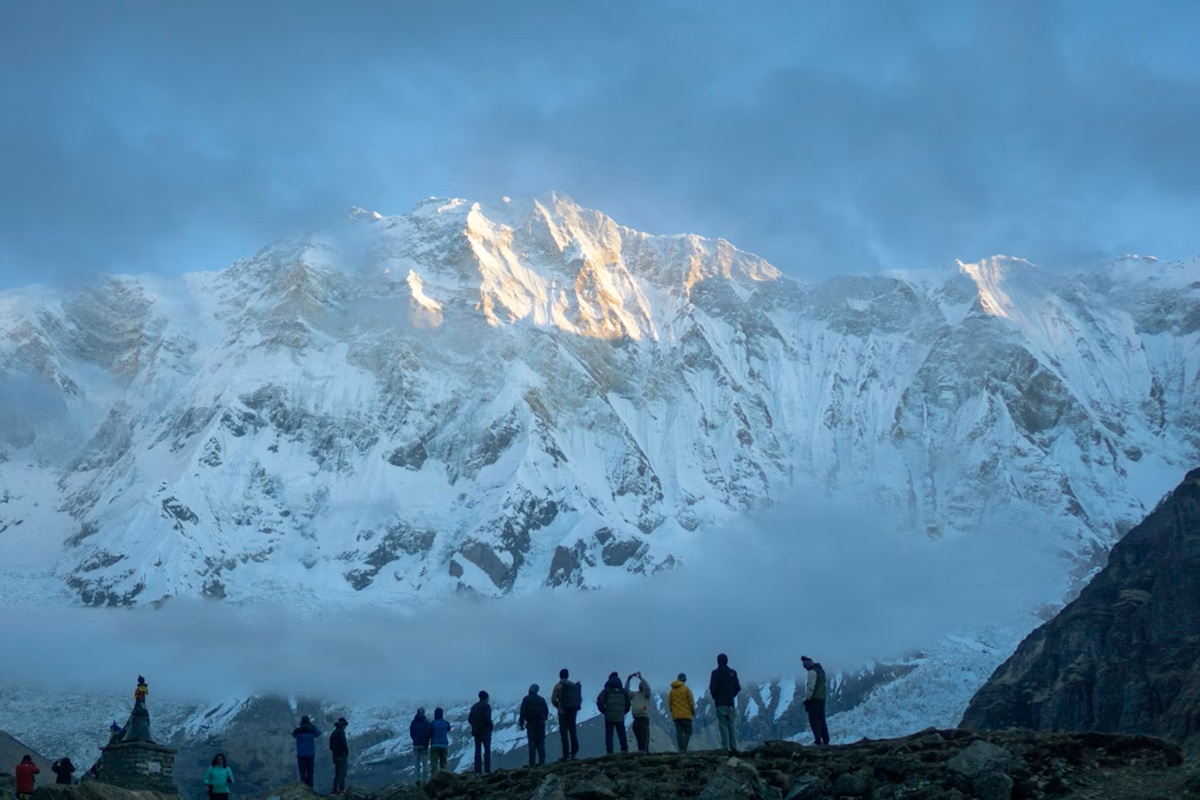
Annapurna Base Camp inside the Annapurna Sanctuary
Both Everest Base Camp and Annapurna Base Camp are non-technical treks. No climbing skills are required to complete either. But the kind of physical challenge is markedly different. The first primarily tests your lungs and ability to handle altitude. The second test measures leg strength by repeating an uphill effort.
Everest Base Camp
The trek ascends up to about 5,364m. Although it's not the same as climbing Everest, it places trekkers in an altitude zone classified as extreme with very low levels of oxygen. This kind of oxygen deprivation usually means breathlessness, a slower walking pace and enforced acclimatisation days. Even gentle inclines can become grueling. The body must exert itself more intensely just to function.
And that amplifies fatigue and susceptibility to altitude sickness. The trek also lasts longer. So cumulative fatigue becomes part of the test. Ultimately, EBC favours cardiovascular endurance, mental fortitude and patience in adjusting to altitude.
Annapurna Base Camp
In contrast, the trail to Annapurna Base Camp ends at a lower altitude of 4,130m. So, altitude pressure is less intense. But the path features thousands of stone steps. Most prominently around Ulleri and Chhomrong. It's a never-ending back-and-forth of steep descents and ascents.
Your leg muscles and knees will feel it. This up-and-down motion takes a toll over the course of a long hike. So muscular endurance and joint strength become critical for comfort on the trail. On the steeper stair sections, you'll be glad you trained those legs.
Which Trek Challenge Feels Harder?
The answer depends on the personal fitness abilities of each trekker. Everest Base Camp may be harder for a person sensitive to high altitude. But Annapurna Base Camp could be difficult for a person who struggles with steep stairs. In other words, Everest places a premium on your ability to breathe at higher altitudes. And Annapurna is more about your ability to keep going up steeply for long periods of time. Thin air versus burning legs. You know yourself best.
Everest Base Camp trail near the Khumbu Glacier in Nepal
When trekkers wonder which is better, EBC or ABC, the truth is that both are fantastic treks. But they cater to different travel styles, fitness levels and expectations. Whether there's a best choice for you depends on the nature of your Himalayan experience.
Choose Everest Base Camp if you want the ultimate Himalayan dream
The walk to Everest Base Camp is arguably Nepal's most famous experience. It has epic glaciers, Sherpa culture and the heady sensation of standing beneath the world's tallest mountain. It is, however, longer, costlier and more strenuous because of the high altitude and required acclimatization days.
If you seek a bucket-list trek with a sense of accomplishment and epic scenic views, Everest Base Camp is typically the better option.
Choose Annapurna Base Camp if you want balance and accessibility
This trek is less financially burdensome, shorter in distance, and easier to arrange because there is no need for mountain flights or helicopters to complete this trek. The trek takes you through forests, villages, and terraced fields to the beautiful 'amphitheater' of mountains that the Annapurna Range provides.
It is the perfect trek for someone who has never traveled to Nepal and does not want the extreme altitude of higher treks; therefore, the teahouses are located at lower elevations to provide the travelers with comfortable overnight accommodations.
One major reason for the price difference between EBC and ABC is logistics, duration and accessibility. The cost of trekking to EBC is generally higher. That's because of mandatory flights to Lukla at $350 to $450 per person. Plus the longer duration of the EBC trek at 12 to 14 days versus 7 to 10 days at ABC. That means more food, accommodation and guide/porter services.
Transportation to ABC is done by road. And the itinerary is shorter. So travellers to ABC can expect to spend between $700 and $1,100. Living expenses in the ABC region also tend to be lower than in the EBC region due to better access to supplies.
Overall, travellers to ABC can expect to pay 30 to 40% less than a similar trip to EBC. So for budget-conscious travellers who want beautiful scenery, ABC is a great option.
Understanding Difficulty Between Everest Base Camp and Annapurna Base Camp
Unlike distance, a more effective way to compare the difficulty of EBC and ABC is based on the environmental factors affecting the human body during trekking. And mainly the outside stressors on the body.
The Everest Base Camp trek is often viewed as more difficult because of the extreme altitude. The trek reaches approximately 5,364m in elevation. At this point, trekkers enter an environment where oxygen levels decrease. So a person's movement is reduced, and the likelihood of developing fatigue increases.
The elevation of the Annapurna Base Camp trek, in contrast, is considerably lower than EBC at approximately 4,130 m, and thus poses a significantly lower altitude-related risk to first-time trekkers.
Nonetheless, the Annapurna Base Camp trek does have numerous challenges, including long, steep climbs, long, steep descents, and longer, steeper stone staircases, which will test your muscular endurance.
Which trek should I choose for my first time in Nepal?
Annapurna Base Camp is more suitable forhttps://viewnepaltreks.com/blog/everest-base-camp-trek-for-beginners beginners when it comes to scenery & altitude. When dreaming about seeing the largest mountain in the world, Mount Everest, it must be a more difficult experience if you take the trek to the Base Camp of Everest.
Which trek has better views of the Himalayan peaks?
With an elevation of 8,000m for the biggest mountains in the world (Everest/Lhotse/Makalu), Everest base camp has incredible views. In contrast, the Annapurna area has more beautiful, lush surroundings all within a circle.
How do the maximum altitudes compare between the two?
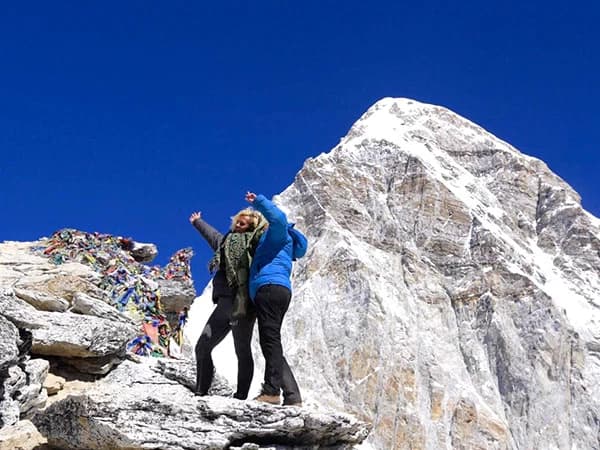
The highest elevation of Everest is Kala Patthar (5,545m), while the highest elevation of Annapurna basecamp is 4,130m and is a lot easier on your body.
Which trek is more physically demanding?
The Everest Base Camp hike is viewed as the more challenging trek due to its tremendous altitude and the considerable number of hours walked each day over 12 to 14 days.
The Annapurna Base Camp journey requires climbing a number of very steep stone staircases, yet it is shorter and makes it easier for persons who have a moderate level of general fitness to participate.
What is the main difference in the landscape?
The Everest trek has a rugged, alpine environment with high and very rocky terrain and large amounts of glaciers. The Annapurna trek is much more varied and travels through many ecological regions, including tropical forests, terraced farms, and bamboo groves.
How long does each trek typically take to complete?
The normal time frame for doing the Everest Base Camp is from 12 to 14 days because of the necessity of adequately acclimatizing to the altitude. The normal length of time for the Annapurna Base Camp trek is from 7 to 10 days; therefore, it takes less time than the Everest Base Camp expedition.
Which region offers a better cultural experience?
The Everest area provides a much deeper experience of the unique Buddhist lifestyle and culture of the Sherpa people at high altitude. The Annapurna area has a "cultural mosaic" where visitors can experience several different ethnic groups and their respective cultures, which include the Gurung, Magar, and Thakali.
How does the accessibility of the trailheads differ?
The Everest trek usually begins with a breathtaking (but dependent on weather) flight into Lukla, which has an airstrip at the base of the mountains. In contrast, the Annapurna track is much easier to access by road or a quick flight to Pokhara, followed by a short drive to the trailhead.
Which trek is better for avoiding altitude sickness?
The likelihood of developing altitude sickness is significantly lower on the Annapurna trek because it does not exceed 4200 m in altitude. The Everest trek has many days above 4000 m and 5000 m; therefore, it is mandatory to have an acclimatisation day.
Can I trek both regions during the same season?
Yes, both treks share the same peak season of Spring (March - May) and Fall (September - November); however, because of the lower elevations involved, the Annapurna trek is also a great option during winter months.