Booking the Manaslu circuit isn't like booking the Annapurna circuit or EBC, where an incompetent operator would primarily affect your comfort. Manaslu is a restricted trekking area, so by law you need a certified guide and a registered trekking agency with whom you may trek. That's what makes booking an appropriate tour operator not so much about convenience and luxury; rather, it's your access to permits, your safety net, and potentially your only contact with civilization for two whole weeks.
This significantly increases the importance of which firm you want to book with more than almost any other trek in Nepal. Unfortunately, it's another question that gets answered poorly online, as many of these lists of "the best Manaslu trekking companies" are actually sponsored articles trying to promote those given companies.
In this guide, we will do exactly the opposite - we won't rank them, but will review the ten red flags that would make me leave immediately, together with other practical advice and the questions one must ask before you pay a booking fee. For anybody looking for an actual, reliable tour operator in Kathmandu, or wanting to evaluate their potential option in trekking and have peace of mind, here is what I think is essential to check.
Why the "Right Company" Question Matters More for Manaslu
Before getting into the usual red flags, it's good to understand why they matter more for Manaslu than many other treks.
The restricted area permit (RAP) can only be issued by a registered trekking agency, so you are at their mercy. You will also need a licensed guide anyway to act as a liaison with the government, and guides vary enormously in quality between companies offering bare minimum service (and whose staff have no training) and professional operators with government-certified guides who have extensive local knowledge.
Beyond Jagat, there is very little in the way of road or teahouse infrastructure, so your level of comfort and safety is at the whims of your operator in a way that it would not be, for instance, on the Poon Hill Circuit. If your guides are unprepared or your porters undertrained, there is little option but to suffer through it or turn back, since getting out of the gorge involves a significant investment of time either way.
In short,
On Poon Hill, a sub-standard operator is an annoyance. On Manaslu, a sub-standard operator can seriously jeopardise your safety, your permit, and a hike of significantly greater expense than others.
The 10 Red Flags of a Bad Manaslu Trekking Company
1. They can't clearly explain the Permit Process
Any genuine Manaslu operator would be able to detail the nuances of the Restricted Area Permit (RAP), Manaslu Conservation Area Permit (MCAP), and Annapurna Conservation Area Permit (ACAP) without hesitation. This includes the intricacies of prices, their variations depending on the season, and how long it takes to obtain the documents. Use of generalized answers, contradictions, or obviously copied responses is a telltale sign of a company which has little to no experience in organizing climbs in Manaslu.
What To Ask: Can you break down exactly what permits I need and how much each costs this season? A: Your answer will come in about 30 seconds, before you can even ask, from a Manaslu guru.
2. Pricing that's dramatically below Market Rate
Manaslu circuit tours are not cheap, and $1,200-$2,800 will be the average price for a typical guided hike, including the restricted area permit, a mandatory guide service, and the expensive and less developed trail infrastructure.
The aggressive bottom-line pricing strategy of a trekking company, promising the round-trip adventure for less than $1,000, should raise a red flag and prompt a series of questions.
Most likely, one of them will reveal that no actual permit was purchased, the guide does not have a required license, or that the customer will not actually receive the promised services, such as the mandatory group size and safety equipment, due to significant cost-cutting.
3. No mention of a licensed, government-registered guide
Don't be shy to ask point-blank: Is my trekking guide permitted in restricted zones, and how many times have they trekked the Manaslu Circuit specifically? If a company hesitates or assigns your trek guide just 2-3 days before you start, without any previous credible reviews that you can access, then consider whether they think legal rights and safety are merely items on your checklist for what they will provide, for whatever reason.
4. Vague or missing itinerary details
If you've booked with a legitimate company, they should be able to present you with a day-by-day itinerary - detailing which villages you are in, total elevation gain per day, and where your acclimatisation day takes place - rather than a brief "about a paragraph's summary. If they cannot even tell you whether the package they are trying to sell you is a 12-day, 14-day, or 16-day package (and are unable to articulate the route-based rationale behind any acclimatisation day plan), you need to assume this itinerary has not actually been developed by anyone who actually uses it regularly.
5. No clear evacuation or emergency protocol
This is an important question that has to be asked, and the one that the budget operator almost always gets wrong: ‘What do you do if someone reports showing symptoms of altitude sickness while we’re at Samdo or on the way on the pass day?’ A competent operator will have a well-defined positive answer involving descent policies, radios and a helicopter evacuation plan – not an ‘everything will be fine’ mantra.
6. Pressure to book immediately with no room for questions
It is this aggressive selling (‘This price is only available today,’ ‘We will be pestering you until you book with us instead of other agencies’) that makes one think of booking sites that earn a commission for every booking rather than operators that specialise in the local product and have no fear of a lengthy sale. A competent local operator will welcome your enquiries over many days or weeks and not feel pressured to sell you something right this second.
7. No verifiable physical office or registration in Kathmandu
Nepal’s Department of Tourism certifies trekking agencies, so any genuine company operating in the restricted mountainous region of Manaslu should have an official record, and a proper office (one that one can actually call and ask questions at), and people who operate it that can answer specific questions about the route, not just parrot out a script, because otherwise they are much harder to hold responsible if something goes wrong on a trek.
8. Overwhelmingly generic or suspiciously uniform reviews
Look at the reviews. Do they all seem the same? Often, fake reviews will stand out from real ones, if there are any. Fake reviews often come in bursts, and all say similar things, or use similar language. Many companies in the trekking industry get accused of creating fake reviews, and often do. Real reviews will often mention specific names or places (guides that one has hiked with, trail conditions at certain points, weather) that fake reviews often will not.
9. No transparency about what's included versus what costs extra
Manaslu packages tend to have an array of cost components that you have to consider: permits, guides, porters, meals, accommodation (unless you are staying in tents), transportation to and from the trailhead, and often enough emergency evacuation insurance. A trustworthy operator will lay out all of these items, and their respective costs, so that there are no surprises. An operator that provides, at first glance, a bundled cost but then offers only vague information about what else you will be expected to pay for is a red flag. This might mean extra expenses during the booking process or complications that arise once on the trek itself.
10. Guides or porters who report unfair treatment or wages
While this one isn't quite as straightforward, it's still important. Trekking agencies and workers' advocacy groups have reported that some companies regularly underpay and under-equip their workers, especially on longer, harder treks like Manaslu, where fewer government officials are watching the deals between trekking agencies and their clients. These companies' guides and porters tend to be underpaid and under-equipped. Furthermore, since the guides and gaurds are supposed to ensure the safety of their clients on the trek, any negligence or risk-taking on the part of the guides can end up costing their clients much more than the cut they're being paid.
Local Operator vs. International Operator: Which Should You Book With?
This is one of the most common points of confusion for first-time Manaslu trekkers, so let's compare directly.
Factor
Local Kathmandu-Based Operator
International Booking Agency
Price
Generally 30 - 50% lower, since there's no international middleman markup
Higher, as a portion of your fee goes to the overseas agency before reaching the ground operator
Guide relationship
You're often working directly with the agency that employs your actual guide
You're frequently working with a reseller who subcontracts the trek to a local Nepali company anyway
Local knowledge
Typically deep, route-specific experience with Manaslu's permit system and trail conditions
Varies - some have strong local partnerships, others rebrand generic Nepal itineraries
Communication
Direct, often faster once you're on the ground in Nepal
May involve more layers, especially for last-minute itinerary changes
Language/trust barrier
Minimal once you're working with an established, English-fluent local company
Can feel more familiar during the initial booking process, especially for first-time visitors to Nepal
Accountability if something goes wrong
Direct - you're dealing with the company actually running your trek
Can get complicated, since the booking agency and the ground operator may point to each other
For a restricted-area trek like Manaslu, your best bet (once you've ruled out the red flags from due diligence above)is a local, Kathmandu-based tour operator. It's not inherently "better," but instead, you will likely wind up paying more for an agency acting as an intermediary who, again, doesn't have any control over your trek's safety or your trekking success.
How to Choose a Manaslu Trek Company: A Practical Checklist
Run any operator you're considering through this list before booking:
Ask for their Department of Tourism registration number and check it yourself if possible.
Ask them how many Manaslu Circuit treks they've done in the last two seasons. (In Nepal, climbing season only happens twice a year.)
Ask for the name of your guide and their license before paying any money, not after.
Make sure you get a detailed breakdown of all the costs involved: permits, guides, porters, food, accommodation, and transportation.
Ask them what their contingency plan is for emergency evacuations, and watch for people who give a specific answer.
Check reviews on more than one platform and not just testimonials on their own site, and read into specific comments rather than just five-star reviews.
Ask about the trip's duration and if they have a schedule for acclimating to the altitude, and make sure it's in writing, especially if you're new to trekking and need the longer 16-day version.
Ask them what they'll do if you need to cut the trek short or extend it somewhere along the way due to weather or health reasons, and a good company should have an easy answer to that.
Check whether their guides and porters are well-insured and well-equipped, since a company that takes care of its employees is likely to provide high-quality services to clients as well. Secondly, pay attention to your customer support experience while booking. If the company shows a good attitude towards you prior to the actual payment, they will most probably meet your expectations after you pay a single cent.
Finding a Trekking Agency in Kathmandu: What "Near Me" Actually Means Here
If you are searching "Manaslu trek company near me" or “trekking agency in Kathmandu near me,” it is worth thinking seriously about what it means to be “near” in this particular context. Being close to the agent’s office in Thamel is good, but it is not what makes them a local operator.
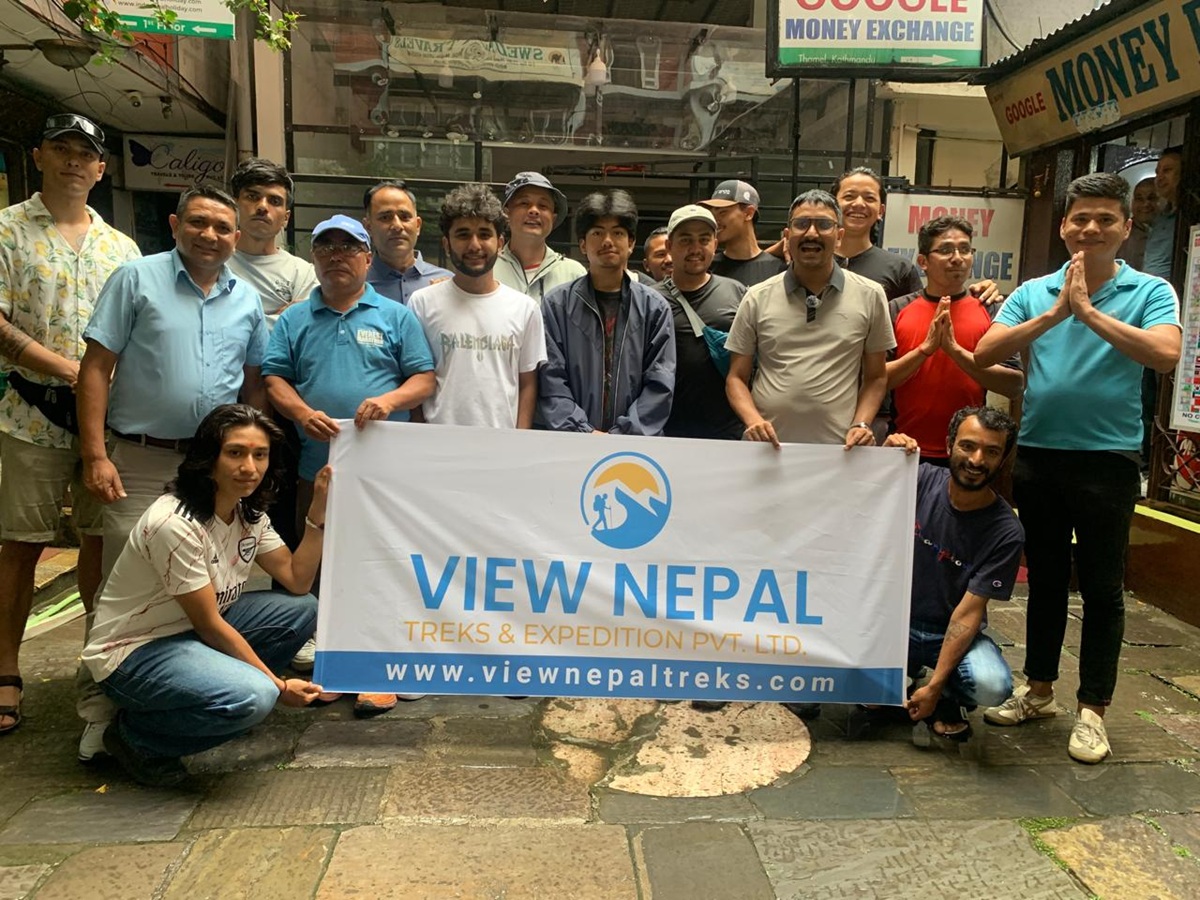
The genuine local operator will have extensive and up-to-date knowledge of the Manaslu region, have contacts in the local community of teahouse owners and guides in the Nubri and Tsum valleys, and – most importantly – have an office in Kathmandu that you can visit before or after the trek.
A genuine local company, based on the ground in Kathmandu, offers several built-in conveniences that a book-online provider with their home turf more than 7,000 miles away can't match.
That includes on-the-spot processing for your permits (direct lines with the relevant government agency!), know-how on existing trail conditions and teahouse vacancy in the moment, and prompt, informed decisions should your travel arrangements change when you're halfway up a mountain pass.
How to Actually Read Manaslu Trek Company Reviews
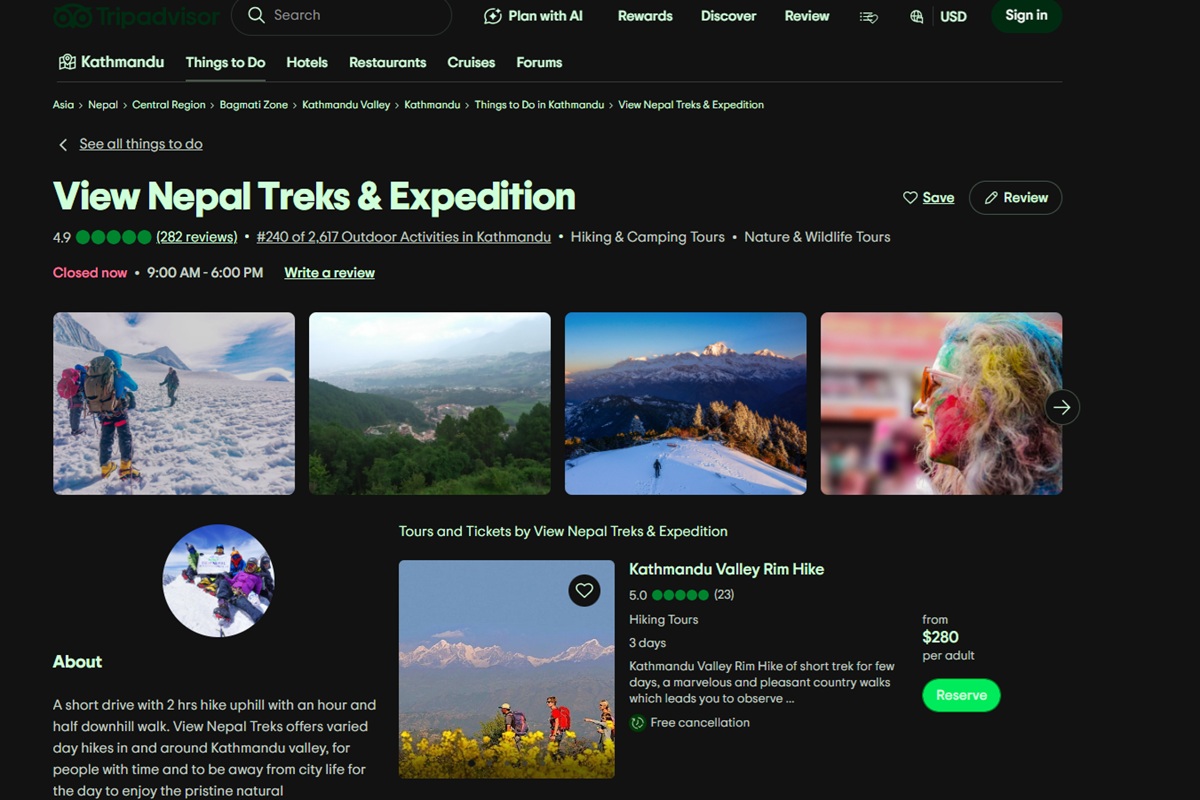
View Nepal Treks Real Tripadvisor Reviews
Since "Manaslu Circuit trek reviews" and "best Manaslu trek company reviews" are two of the most surveyed topics, it is essential to allocate enough time to reviewing them to understand the exact meaning of each firm in the area. The review system for mountain climbing companies in Nepal can be more complex than most other industries.
Make sure to look for specific information and avoid vague positivity. While a five-star review may seem impressive, a four-star review with specific comments may help you find a more realistic description of services provided.
For instance, a reviewer may write, 'Our Pemba climbed an incredible route to Samdo despite the bad weather, but the teahouse in Dharamsala was not as warm as we had expected,' which is more detailed information about the service than the 'incredible' comment of another client.
Check reviews on different sources. If the company has mostly positive comments only on their page, but not elsewhere, it means they probably have good reviews online that the company doesn't feature. Compare it to companies that have consistent quality of reviews, both on independent sources and on the company's page.
Also pay attention to how the company handles complaints. Any company in the business for a decent amount of time will have a negative review because of the weather, a client's unrealistic expectations, or a tour guide having a worse day than usual. What matters is what they say about the experience and how they responded to the review.
Compare the dates with the seasons. If you got a complaint about cold rooms and closed teahouses in December, it does not show much about your operator's qualities, as such a situation is common in Manaslu's region in winter. However, comments on management of altitude sickness, guides' behavior, or permits are more important as they directly relate to the operator's performance. Both positive and negative reviews concerning the organization's peculiarities, which are not related to the seasonality of mountain climbing, should be of particular concern to a would-be trekker.
The companies which specialize in mountain-climbing tours offer the most competitive rates and quality because they tend to change guides, ownership, and services dynamically. Hence, a five-star review from four years ago can tell a trekker almost nothing about the current state of the company. Instead, an honest review from the previous year or even a month can provide more relevant information.
Part of choosing the right company is understanding how group size impacts both price and experience, as this is where much of the pricing confusion between quotes stems from.
Private/solo departures cost the most per person, as fixed costs such as the guide's daily wage and permit processing fees are shouldered by one or two people instead of being spread out across a larger group. Expect to pay towards the higher end (or above) of the $1,200-$2,800 range, particularly for fully customized, tightly scheduled trips.
Small group departures (4-8 people) provide the best value and experience for most trekkers. Fixed costs are spread out more thinly than in private departures. However, the group is still small enough that differences in trekking pace rarely become an issue and your guide can still provide meaningful individual attention.
Larger group departures (10+ people) further reduce the per-person cost. Still, at the expense of a slower overall trekking pace (to accommodate the group's lowest-skilled/least fit member), fiercer competition for teahouse beds in smaller villages, and reduced individual flexibility if your personal fitness/acclimatization needs differ from the group's overall pace.
When comparing quotes between companies, always confirm the group size a given price applies to - a "cheap" quote covering a 14-person departure isn't directly comparable to a similar price for a private departure, and the difference in experience between the two options would be significant on a trail as constrained as Manaslu's.
A Quick Case Study: Spotting a Red Flag in Practice
To illustrate the red flags, let's compare two quotes for a 14-day Manaslu Circuit. The first, quote A, is priced at $950, bundled as a single number with "all permits and guide included."
Quote B comes in at $1,650 and includes: RAP (price not shown, but assumed to be $100/week autumn rate), MCAP and ACAP (~$50 combined with the rest of the equipment), guide fee, porter fee, teahouse accommodation, meals and emergency evacuation insurance requirement with a named/licensed guide provided prior to making a deposit.
Quote A isn't a scam, but it doesn't meet several of the red flags above (itemization, price seems low for known expenses, and guide transparency). Quote B would be more expensive, but would likely answer most of the questions on the above list without being asked. This seems like a better value in terms of getting you across Larkya La safely rather than the potential savings of an untransparent, possibly unethical operator.
Questions to Ask on Your First Call with a Manaslu Operator
Beyond the written menu, the way a company conducts a live conversation can tell you as much as their answers. Here is a list of questions to ask and what their answers should sound like.
"What happens if we're delayed by weather before the pass?" A good answer will mention a specific buffer day in the itinerary, or have a contingency plan that details how they will modify your trip and notify you. A bad answer would be vague about specifics and give you some fluff about how it's not a problem.
"Can I speak with a past client who did this exact route?" Established companies will likely be able to put you in contact with a past client, or route you to a website with honest and specific reviews. If they seem hesitant to do either, that's a red flag, and paired with a lack of third-party reviews, is a warning sign.
"What's your guide-to-trekker ratio on departures?" asks, hoping to hear a specific number--ideally one (with assistants for bigger groups) to every 6-8 trekkers. "It varies" without qualification probably means the ratio is being figured out on the fly, based more on how cheap they can make the tour than how safe it is.
"How will you handle it if I need to turn around before the pass?" In other words, will someone accompany you on the way back (assistant guide or porter) while the main group presses on, or will they expect you to find your own way back?
"What isn't included in the price?" This is the question that can give the game away. A reputable operator will answer readily, itemizing things like international airfare, travel insurance, and gratuities for guides and porters. If they're surprised by the question, or act as if they can't remember, chances are good that what they're advertising as an "inclusive rate" doesn't really include everything.
The way an operator answers these five questions, more than anything else, is a good predictor of how they'll behave when the going gets tough.
Manaslu Circuit Trekking Best Company: View Nepal Treks
View Nepal Treks is a local company based in Kathmandu, Nepal. We created our Manaslu Circuit program considering the warning flags mentioned above, as we have experienced that trekkers who initially booked a tour with other agencies and later switched to us during the planning process, or those who trekked with us for the second time after a negative experience with another company, had concerns about the exact details of their itineraries and the actual conditions of the trek.
In practice, this means that we provide professional guides licensed and authorized for the restricted area with extensive knowledge and experience on the Manaslu Circuit route. We offer an authentic, transparent, and detailed cost breakdown, including the RAP, MCAP, and ACAP permits. Additionally, instead of presenting a generalized minimum program, we'll discuss and analyze every detail of your tour, including the number of days (12/14/16), to help you decide which option suits your preferences, physical abilities, and previous high-altitude trekking experience.
We're also happy to go through each and every item on the checklist above before you put down a deposit, such as our emergency evacuation procedure, our guide to porter ratios, and how we care for and fairly pay the porters and guides who make your trek happen. And if you are currently comparing quotes for your Manaslu Circuit trek, we would prefer for you to grill our responses to the red flag checklist above than swallow some sales-spin response – because, in the end, this sort of due diligence, for a restricted region trek at least, is the only sensible standard and the only standard we claim to.
Frequently Asked Questions
How much should a legitimate Manaslu Circuit trek cost in 2026?
Consider a truly authentic, fully inclusive guided experience to fall between $1,200 and $2,800 depending on trek length, group size, and time of year. Anything substantially lower should raise questions regarding corners being cut with regard to permits, guide certifications, and safety protocols.
Is it safer to book with a local Kathmandu company or an international agency?
For a restricted area trek such as Manaslu, it's advisable to work with a local operator if at all possible, as it removes an additional level of complexity from your booking process.
How do I verify a trekking company's registration in Nepal?
Ask to see their Department of Tourism registration number, and research this number independently through Nepal's tourism office bureaucracy rather than what the company may list on their website.
Should I trust a company's reviews on their own website?
Use them as a launching point, but investigate individual blogs regarding their trekking company - read multiple, varied reviews which specifically mention guides, dates and trail conditions rather than generic blurbs that could apply to any business.
What's the biggest mistake first-time Manaslu trekkers make when choosing a company?
Prioritizing the cheapest end of the spectrum without regard for what services are included. Remember that the larger portion of your Manaslu trek budget will likely be dedicated to permits, guides and other necessities due to the remote nature of the region.
Can I switch trekking companies once I've started the Manaslu Circuit?
It's very hard to change up the trail, as your specific restricted area permit will be tied to the agency which approved it, and there isn't much infrastructure to facilitate such an arrangement. This is why it's particularly important with Manaslu to research thoroughly and vet guides and permits before finalizing a booking, much more than one might on a more established trek.
Does a lower price ever make sense for a legitimate Manaslu trek?
Larger groups can be formed to offset the cost of staff and permits, or during the shoulder seasons when demand for trekking is lower. However, the hard costs of permits and licensed guide fees will always be present so that any responsible operator will be transparent about their breakdown.
How far in advance should I book a Manaslu Circuit trek?
Depending on the time of year, anywhere between two to three months ahead of time for autumn departures especially, as restricted area permits and guide availability can fill up quickly. It also allows time to thoroughly research a company against the criteria above rather than feeling rushed into a decision.
Is it a red flag if a company only offers fixed group departure dates?
Not necessarily - many operators offer scheduled group departures to keep costs low, and it's often this option which is recommended to solo travelers who don't want to pay the premium for a private trek. It's a concern only if the operator lacks the capacity or willingness to also host private or custom itineraries, as a company which services both private and group travelers tends to have more resources and be more established.
What should I do if I already booked with a company and I'm now seeing red flags?
Demand written confirmation of the specific points raised in the above checklist: regarding permit status, guide certifications, and itemized costs. A reputable company which has nothing to hide will have no issue providing the information you request, even after making a deposit. If they decline, it's wise to reevaluate your options and consider traveling insurance in case a covered situation arises necessitating cancellation.
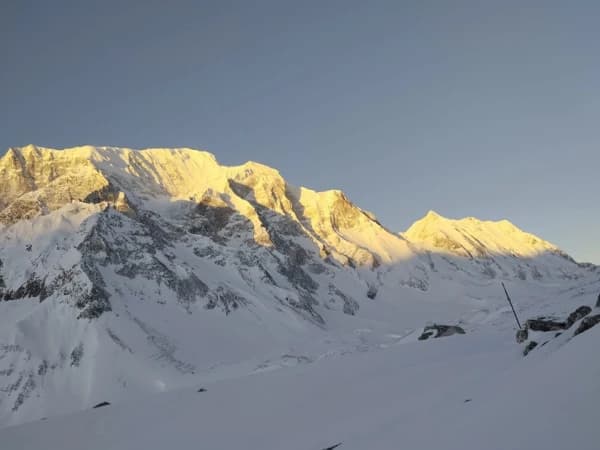
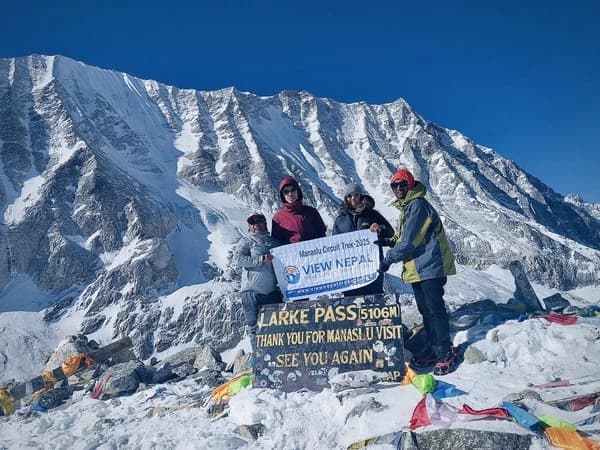
Manaslu Circuit Larkey pass Trek start from Barpak (Epicenter of Earthquake 2015), samagaun, monasteries , Tibet boarder and Larkey Pass